

Have you ever wondered how a watery slurry of wood fibers and chemicals transforms into a crisp, uniform sheet of paper in just a matter of seconds? It feels almost like magic, but to be honest, it is a feat of high-precision engineering. At the very center of this transformation are paper machine rolls. These massive, rotating cylinders are the unsung heroes of the pulp and paper industry, responsible for everything from forming the initial web to squeezing out moisture and providing that smooth, final finish we all take for granted.
In my experience, many people—even those within the broader manufacturing sector—don't quite realize the sheer complexity involved in these components. A single paper machine can house dozens, sometimes hundreds, of different rolls, each with a specific diameter, surface coating, and internal structure. If one roll is slightly out of alignment or its surface is worn, the entire production line can suffer from quality defects or, worse, a complete shutdown. Interestingly enough, the evolution of these rolls has mirrored the evolution of the industry itself, moving from simple wooden cylinders to high-tech, sensor-laden components that communicate data in real-time.
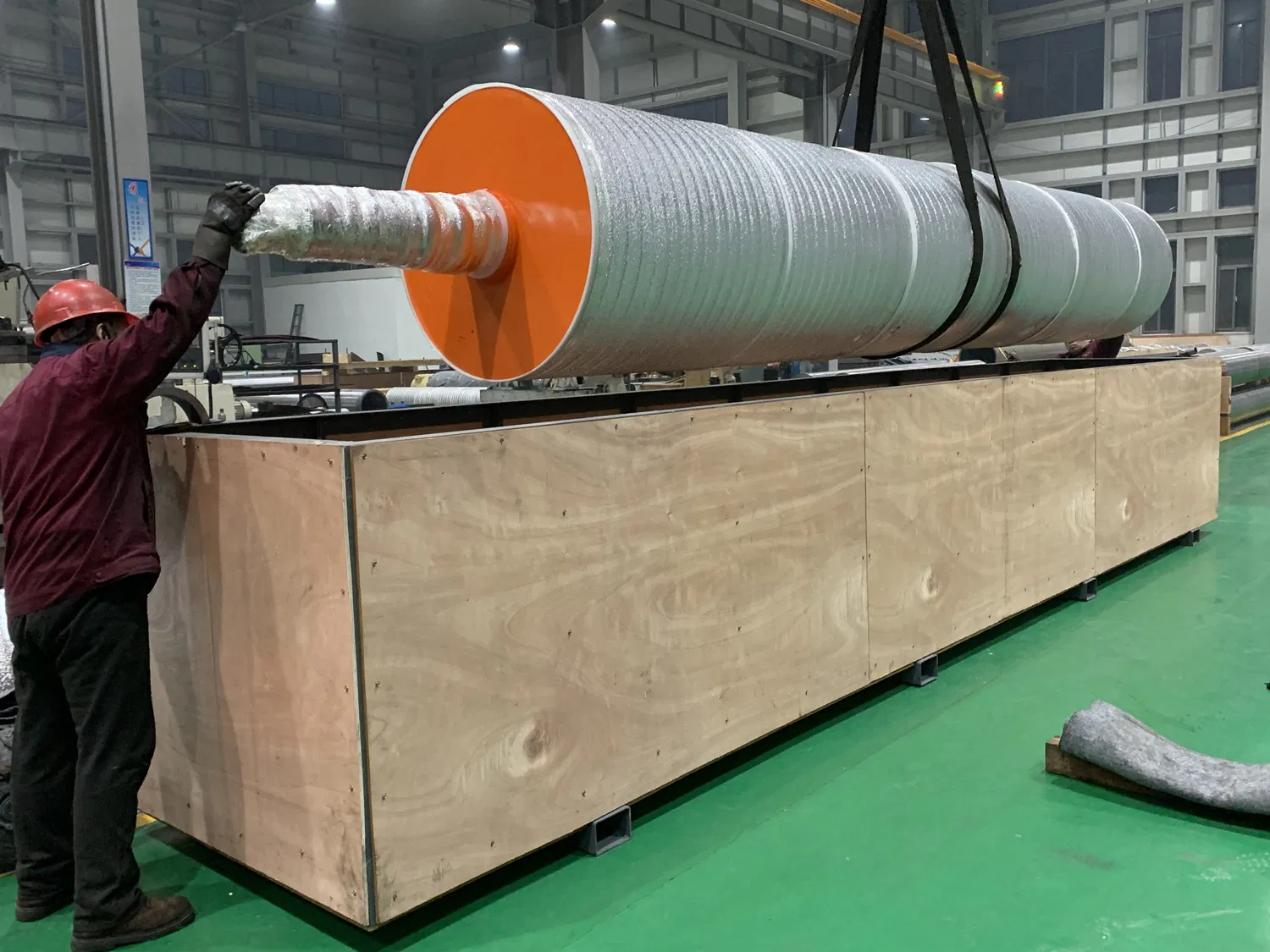
Understanding the Critical Functions of Paper Machine Rolls
To understand why paper machine rolls are so vital, we have to look at the physics of paper making. The process is essentially a massive dehydration exercise. You start with a mixture that is roughly 99% water and 1% fiber, and you need to end up with a product that is about 95% fiber. Rolls facilitate this transition at every stage. They provide the tension needed to keep the paper web moving at speeds that can exceed 2,000 meters per minute, and they apply the precise pressure required to bond fibers together. It’s worth noting that the "nip"—the point where two rolls meet—is where the real work happens. In the nip, the paper web is subjected to intense pressure. This isn't just about flattening the paper; it’s about controlled water removal and density management. I’ve found that the engineering behind these nips is incredibly sophisticated, involving complex calculations regarding "crown" (the slight curve built into a roll to compensate for bending under pressure) to ensure that the pressure is perfectly even across the entire width of the machine, which can be over ten meters wide. Frankly speaking, without the mechanical integrity of these rolls, modern high-speed paper production would be physically impossible. They are the primary interface between the machine and the product. Any variation in the roll’s performance—whether due to thermal expansion or centrifugal force—directly impacts the thickness, moisture content, and strength of the final paper sheet.Exploring the Diverse Types of Rolls in the Production Line
Not all rolls are created equal. Depending on where they sit in the machine, their design changes drastically. Let's break down the major categories that define industrial paper manufacturing equipment.The Forming Section: Breast Rolls and Wire Rolls
At the "wet end" of the machine, we find the breast roll and various wire-turning rolls. The breast roll is the first major roll the pulp hits. Its job is to support the forming fabric (the wire) as the slurry is discharged from the headbox. These rolls need to be exceptionally rigid and resistant to corrosion, as they are constantly bathed in "white water" (recycled process water).The Press Section: Suction Rolls and Center Rolls
This is where things get heavy—literally. The press section uses massive rolls to squeeze water out of the web. One of the most complex components here is the suction press roll. These are hollow rolls with thousands of small holes drilled into the shell, housing an internal vacuum box. As the paper passes over, the vacuum pulls water into the roll and away from the paper. Because of their complexity, suction press roll maintenance is a top priority for mill managers, as a clogged or damaged suction roll can lead to uneven drying and increased energy costs.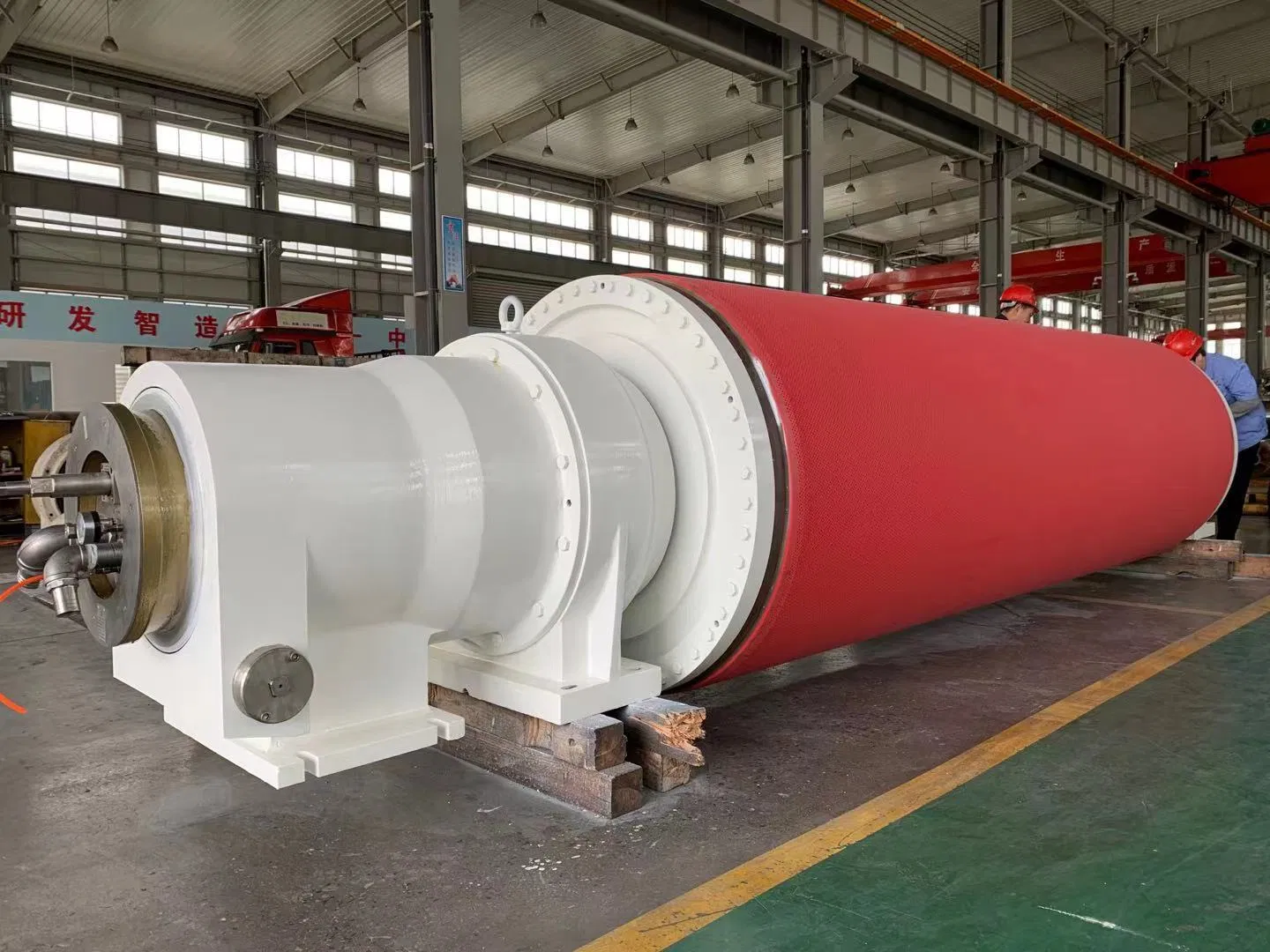
The Dryer Section: Dryer Cans and Felt Rolls
In the dryer section, the rolls (often called dryer cans) are large, steam-heated cylinders. The paper web wraps around these cans to evaporate the remaining moisture. Unlike the press rolls, these focus on heat transfer. They must maintain a consistent surface temperature to prevent the paper from cockling or becoming brittle.The Finishing End: Calender Rolls
Finally, we reach the calender stack. These rolls are designed to give the paper its final smoothness and gloss. Calender rolls are often made of chilled cast iron or covered with specialized composite materials. By varying the pressure and temperature of these rolls, manufacturers can produce everything from rough newsprint to high-gloss magazine paper.Material Science and Paper Machine Roll Covers
The "skin" of the roll is just as important as its "bones." While the core of most paper machine rolls is made of steel, stainless steel, or cast iron, the outer surface is usually covered with a specialized material. These paper machine roll covers are engineered to withstand extreme heat, chemical abrasion, and mechanical pressure. In the past, many rolls were covered in natural rubber. However, as machine speeds increased, rubber simply couldn't handle the heat and friction. Today, we see a move toward advanced polymers, polyurethanes, and even ceramic coatings. Many experts agree that the choice of cover material is one of the most significant factors in determining the interval between maintenance shutdowns. I've often seen mills struggle with "cover release" issues, where the paper sticks to the roll. This is usually a chemistry problem. Modern covers are now designed with specific surface energies to ensure the paper web releases cleanly, even at high speeds. Interestingly enough, some of the latest composite covers are even designed to be "self-healing" to a small degree, resisting the small nicks and scratches that can occur during normal operation.The Art and Science of Maintenance and Longevity
If you want your machine to run smoothly, you cannot neglect maintenance. Because these rolls operate under such high stress, they eventually wear down. The most common maintenance task is roll grinding. Over time, the profile of the roll changes, or the surface develops microscopic imperfections. Roll grinding services use high-precision lathes to restore the roll to its exact original specifications, often within microns of accuracy. Another critical aspect is suction press roll maintenance. Because these rolls have internal vacuum systems and seals, they require periodic teardowns. I've found that the internal "silencer strips" and "packing" need regular replacement to maintain vacuum efficiency. If you ignore these, your energy bills will skyrocket as the vacuum pumps work harder to compensate for leaks. Vibration analysis is another tool that has become indispensable. By placing sensors on the roll bearings, technicians can "hear" a failure before it happens. A tiny pit in a bearing or a slight imbalance in the roll can create vibrations that ripple through the entire machine, leading to "chatter marks" on the paper. To be honest, a proactive maintenance program is the only thing standing between a profitable mill and a financial disaster.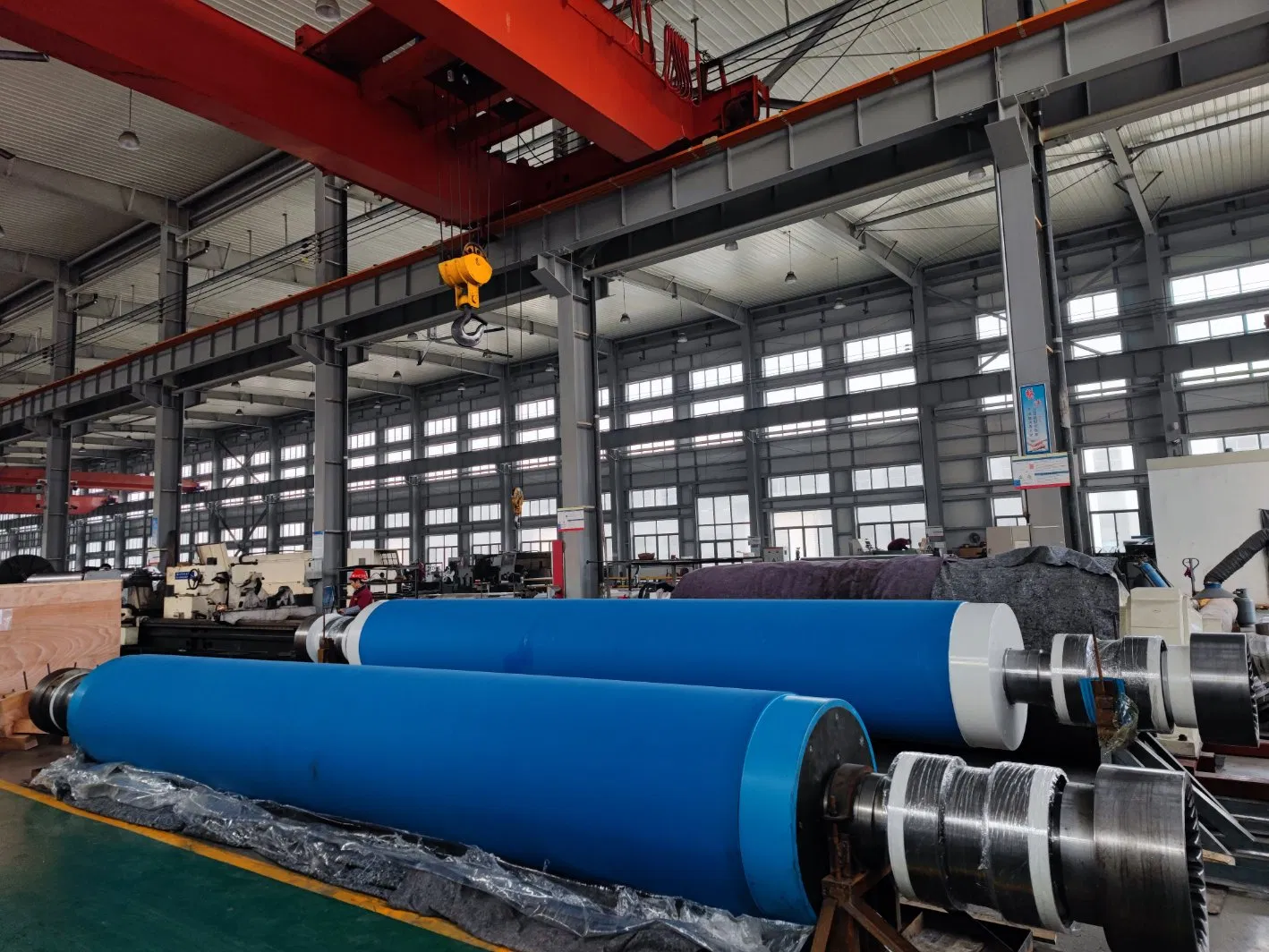
Innovations: The Rise of the "Smart Roll"
We are currently living through a fascinating era in paper manufacturing. The latest paper machine rolls are no longer just passive mechanical components; they are becoming "smart." By embedding sensors directly into the roll covers or the roll shells, manufacturers can now monitor nip pressure, temperature, and moisture profiles in real-time while the machine is running at full speed. This data is sent wirelessly to a control room, allowing operators to make micro-adjustments on the fly. For example, if the sensors detect that the nip pressure is slightly higher on the left side of the machine, the automated control system can adjust the hydraulic loading to compensate. This level of precision was unthinkable twenty years ago. I believe this digital transformation is the key to the industry's future. It reduces waste, saves energy, and ensures a much more consistent product. Have you ever considered how much data a single rotating cylinder can generate? In a modern mill, it’s gigabytes per hour, all aimed at perfecting that single sheet of paper.Conclusion: The Enduring Importance of Roll Technology
To wrap things up, it's clear that paper machine rolls are far more than just heavy cylinders. They are precision instruments that sit at the intersection of mechanical engineering, material science, and digital technology. From the initial forming of the web to the final calendered finish, these rolls dictate the quality and efficiency of the entire papermaking process. Whether it's through the meticulous application of suction press roll maintenance or the development of next-generation paper machine roll covers, the industry continues to push the boundaries of what is possible. As we look forward, the integration of AI and real-time sensing will only make these components more vital. For anyone involved in the world of manufacturing, understanding these "rotating hearts" of the mill is essential for appreciating the complexity behind a simple piece of paper.For more detailed information, please visit our official website:paper machine rolls
About the author: Marcus Thorne is a senior mechanical engineer with over 22 years of hands-on experience in the pulp and paper industry. Specializing in rotating equipment and wet-end chemistry, Marcus has consulted for major mills across North America and Europe. He is a frequent contributor to industrial trade journals and enjoys demystifying complex engineering concepts for the next generation of manufacturing professionals. When not at a mill, he can be found restoring vintage machinery in his workshop.