

To be honest, the press section is often the unsung hero of the entire paper mill. While the headbox gets the credit for formation and the dryers consume the lion's share of the energy budget, the paper machine press section dewatering process is where the real economic magic happens. If you can squeeze out just one extra percent of water in the press, you can save a staggering amount of steam in the dryer section. In fact, many experts agree that removing water mechanically in the press is nearly ten times more cost-effective than evaporating it later on.
But how do we truly master this stage? It isn't just about squeezing two rolls together as hard as possible. It’s a delicate dance of physics, chemistry, and mechanical engineering. Interestingly enough, the way we approach dewatering has shifted dramatically over the last few decades, moving from simple rolls to complex shoe press configurations and advanced felt designs. In this guide, we’ll dive deep into the mechanics, the challenges, and the cutting-edge strategies for optimizing your press section.
The Science Behind Paper Machine Press Section Dewatering
At its core, paper machine press section dewatering is about reducing the moisture content of the web from roughly 80% down to 45% or 50%. This is achieved through mechanical pressure applied in a "nip"—the point where two rolls meet. As the paper web passes through this nip, it is usually sandwiched between one or two press felts. These felts act as both a cushion and a reservoir, receiving the water that is squeezed out of the fibers.
I've found that understanding the two types of pressure in the nip is crucial. First, there is the hydraulic pressure, which is the pressure of the water within the web itself. Second, there is the structural pressure, which is the force acting on the fiber network. For effective dewatering, the hydraulic pressure must be high enough to force water out of the web and into the felt. However, if that pressure builds too quickly, you risk "crushing" the sheet—a nightmare scenario where the water flow actually disrupts the fiber structure and ruins the paper quality.
Have you ever wondered why some machines seem to hit a "speed wall" where they just can't remove water fast enough? Often, it’s because the residence time in the nip is too short. As machine speeds increase, the time the paper spends under pressure decreases, making it harder for water to escape. This is exactly why the industry has moved toward wider nips and more sophisticated roll covers.
Essential Components and Roll Configurations
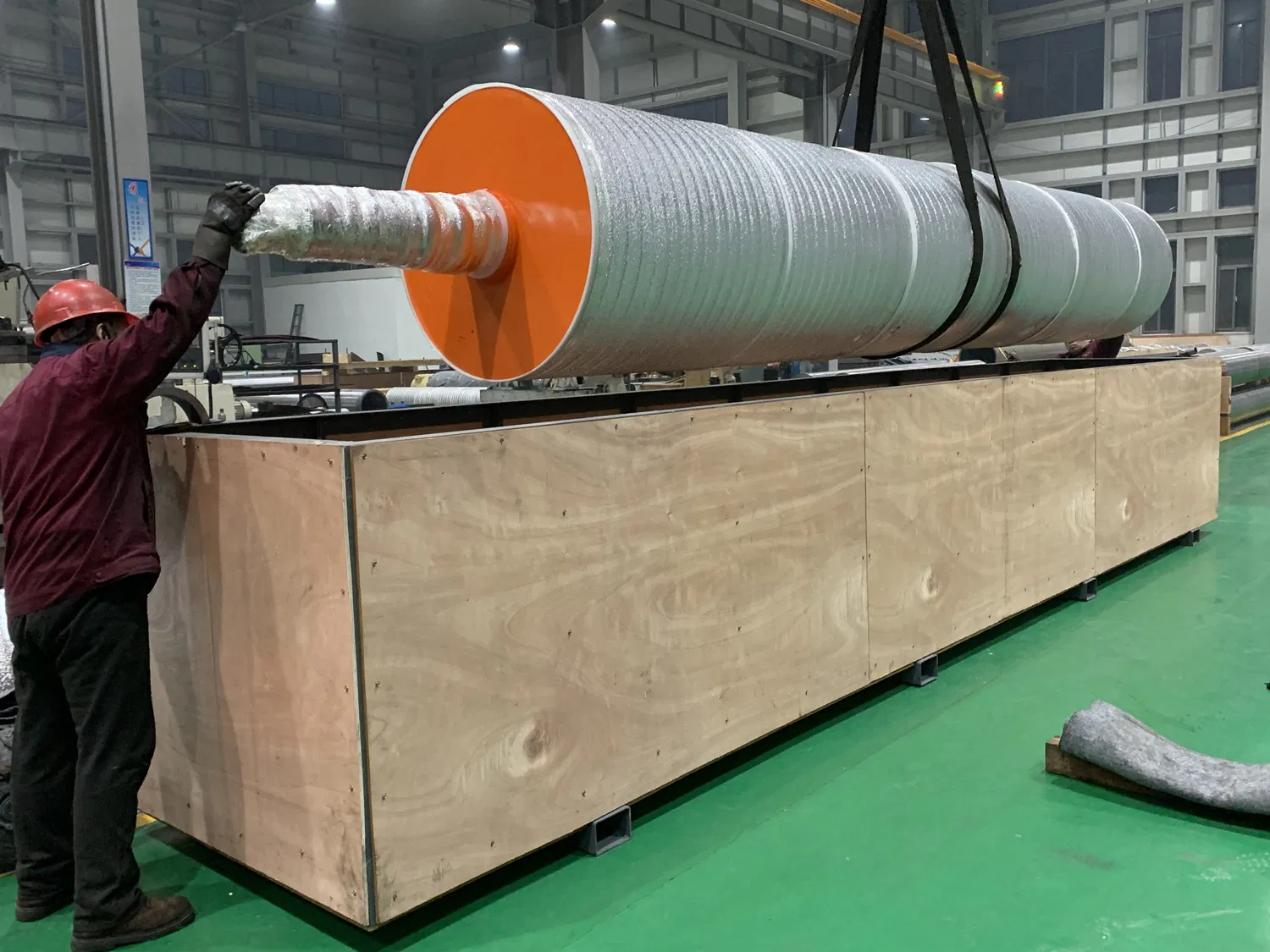
The hardware used in paper machine press section dewatering has evolved significantly. Traditionally, we used plain presses, but those are rare in high-speed modern mills. Today, we rely on suction rolls, grooved rolls, and blind-drilled rolls to provide a "void volume" for the water to go. Frankly speaking, without these voids, the water would have nowhere to escape, and the nip would simply become a saturated mess.
- Suction Press Rolls: These rolls use a vacuum box inside the roll shell to pull water through holes in the shell and into the vacuum system. They are incredibly effective but require significant maintenance and power.
- Grooved Rolls (Venta-Nip): These rolls have small grooves cut into the surface. The water is squeezed into these grooves and then slung out by centrifugal force or removed by a doctor blade.
- Blind-Drilled Rolls: Similar to suction rolls but without the internal vacuum, these rolls have small holes that act as temporary reservoirs for water during the nip pass.
It's worth noting that the arrangement of these rolls—whether it’s a Uni-run, a Twinver press, or a Tri-nip—depends entirely on the grade of paper being produced. For example, heavy board requires much more aggressive dewatering than lightweight tissue. In my experience, the transition to multi-nip configurations has allowed for much higher dryness levels before the sheet even touches a dryer can.
Optimizing Felt Performance and Conditioning
We cannot talk about paper machine press section dewatering without discussing the press felt. The felt is not just a conveyor belt; it is a sophisticated engineered fabric designed to handle massive amounts of water. However, a felt is only as good as its cleanliness. Over time, fines, fillers, and chemicals from the furnish can clog the pores of the felt, a process known as "filling."
This is where felt conditioning systems come into play. To maintain high dewatering rates, the felt must be continuously cleaned and "opened up." This usually involves a combination of high-pressure needle showers, lubricating showers, and Uhle boxes (vacuum boxes). If your Uhle box vacuum is dropping or your felt looks "slick," you’re likely losing dewatering efficiency. I’ve seen mills increase their production by 5% just by fine-tuning their felt conditioning systems and ensuring the chemical cleaners were matched to the specific contaminants in their system.
Another factor to consider is felt compaction. As the felt ages, it loses its "loft" or thickness. A compacted felt has less void volume, meaning it can carry less water. Monitoring the caliper and permeability of your felts is a non-negotiable part of modern press section management. When the felt reaches the end of its life, the energy costs in the dryer section will skyrocket, making the "savings" of delaying a felt change a complete illusion.
Advanced Technologies: The Rise of the Shoe Press
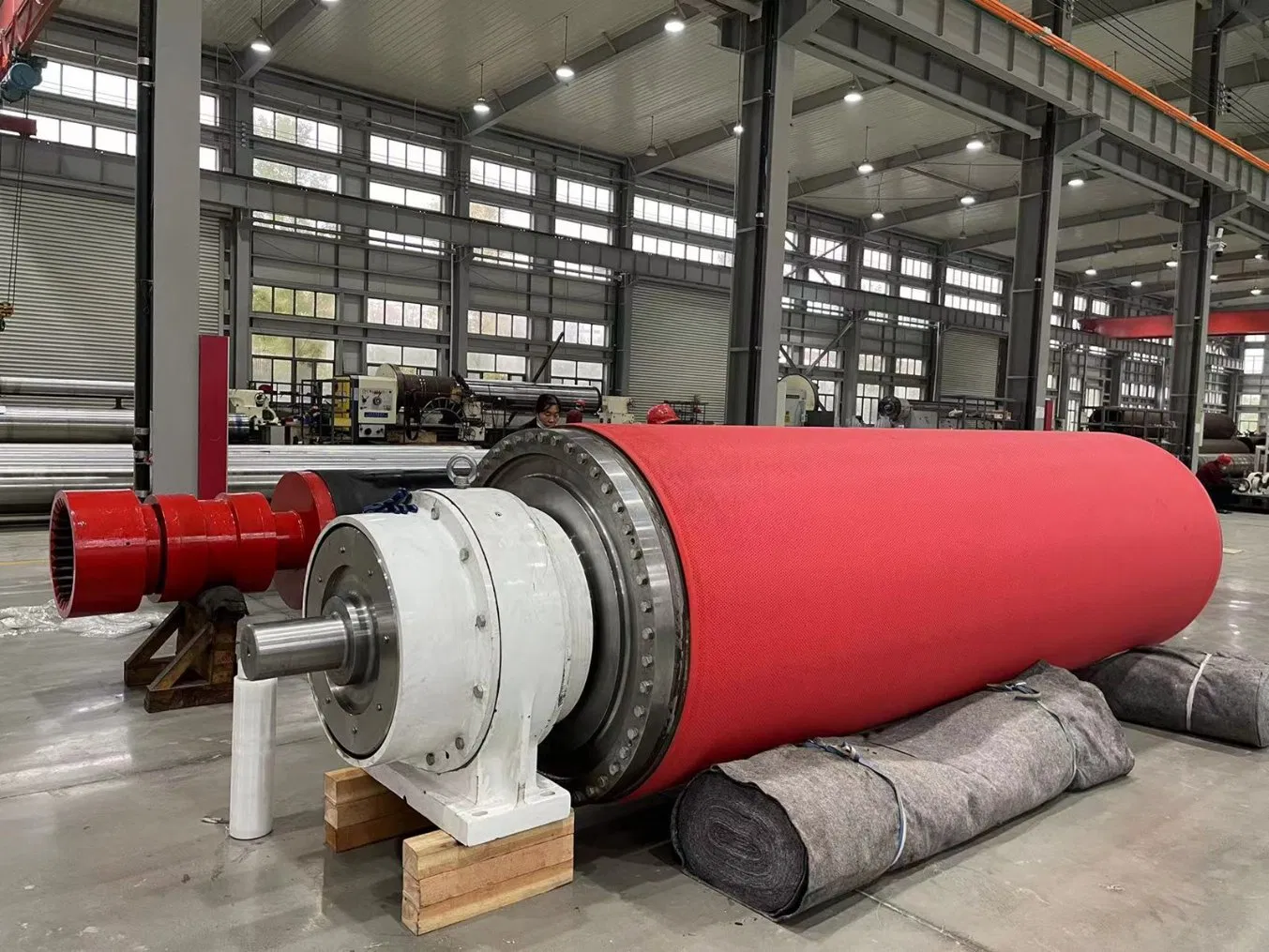
If you want to talk about a game-changer in paper machine press section dewatering, look no further than the shoe press. Unlike a traditional roll press where the nip is a narrow point of contact, a shoe press uses a stationary "shoe" that is curved to match the opposing roll. This creates a nip that is much longer—often 5 to 10 times longer than a roll nip.
This technology allows for high-impulse pressing. By extending the time the paper spends in the nip, we can apply higher total pressure without crushing the sheet. Interestingly enough, the shoe press can often increase the dryness of the web by 5-10% compared to a standard roll press. For a large linerboard machine, this can translate into millions of dollars in annual energy savings or a massive increase in machine speed if the dryer section was the bottleneck.
Implementing high-impulse pressing via a shoe press does come with its own set of challenges, such as the need for specialized belts and complex hydraulic systems. However, the ROI is usually so compelling that it has become the standard for almost all new paper machines and many major rebuilds. It’s a perfect example of how rethinking the physics of the nip can lead to a quantum leap in efficiency.
Factors Influencing Dewatering Efficiency
Beyond the machinery, several operational variables dictate the success of paper machine press section dewatering. One of the most significant is temperature. It’s a simple rule of physics: hot water is less viscous than cold water. By using a steam box just before the press nip, we can heat the water in the web, making it much easier to squeeze out. I've found that for every 10-degree Celsius increase in sheet temperature, you can often gain about 1% in dryness.
Other factors include:
- Furnish Quality: High levels of fines or recycled fiber (which are often "shorter" and hold more water) make dewatering more difficult.
- Machine Speed: As mentioned, higher speeds reduce residence time, requiring more aggressive pressing or better felt technology.
- Nip Loading: While more pressure usually means more dewatering, there is a point of diminishing returns where you risk sheet marking or fiber damage.
- Chemical Additives: Retention aids and drainage elements used in the wet end can influence how "freely" the water leaves the fiber network in the press.
Managing these variables requires a holistic view of the paper machine. You can't just look at the press in isolation. If the forming section isn't doing its job, the press section will struggle. If the press section underperforms, the dryer section becomes an expensive bottleneck. It’s all interconnected.
Troubleshooting Common Dewatering Issues
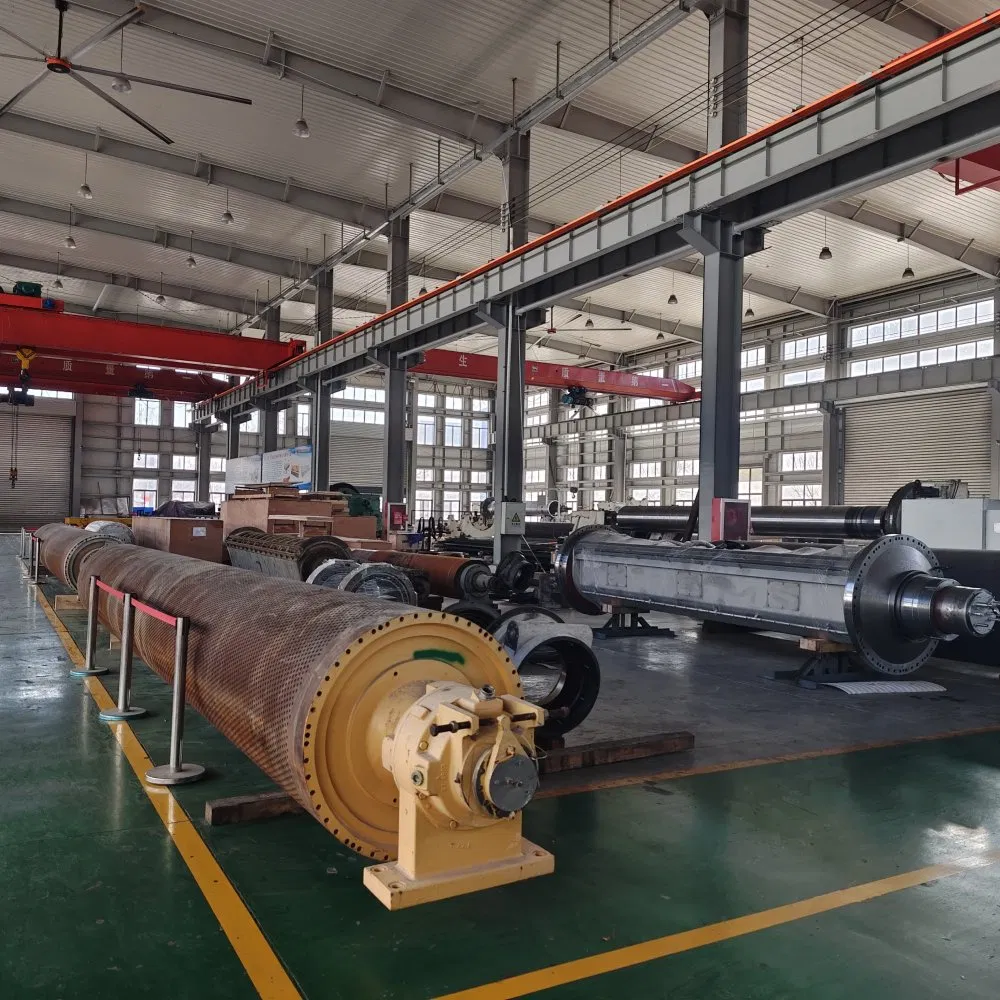
Even with the best equipment, things can go wrong. One of the most common issues I encounter is moisture profiling problems. If the paper is dryer on the edges than in the middle (or vice versa), it causes all sorts of headaches in the dryer section and during converting. This is often caused by uneven roll wear, improper crown settings, or clogged shower nozzles in the felt conditioning systems.
Another frequent culprit is "rewetting." This happens when the paper and felt exit the nip together, and the dry paper web actually sucks water back out of the saturated felt. To prevent this, the geometry of the "exit" must be carefully designed so that the paper and felt diverge as quickly as possible. It’s a small detail that can have a surprisingly large impact on the final dryness of the sheet.
Finally, keep an eye on your vacuum levels. A drop in vacuum on your suction rolls or Uhle boxes is a leading indicator that something is amiss. Whether it's a failing pump, a leak in the seal strips, or a plugged roll shell, addressing vacuum issues promptly is essential for maintaining consistent paper machine press section dewatering performance.
In conclusion, mastering the press section is a journey of continuous optimization. By focusing on the mechanics of the nip, maintaining your felts with precision, and embracing technologies like the shoe press, you can significantly boost your mill's bottom line. The goal is always the same: get as much water out as possible before the heat turns on. It’s better for the environment, better for the machine, and certainly better for the profit margins.
For more detailed information, please visit our official website:paper machine press section dewatering
About the author: Jameson Sterling is a veteran process engineer with over 25 years of experience in pulp and paper manufacturing. Specializing in wet-end chemistry and mechanical dewatering, Jameson has consulted for major mills across North America and Europe, helping them optimize energy consumption and increase machine speeds. He holds a Master’s degree in Chemical Engineering and is a frequent contributor to industry journals, sharing his passion for sustainable and efficient paper production.