

To be honest, the press section of a paper machine is where the real magic—and the most significant challenges—happen. It is the critical bridge between the forming section and the dryers, and its efficiency dictates the overall speed and quality of the entire production line. Among the various components that make this possible, the blind hole press roll stands out as a silent hero. While it might look like a simple cylinder to the untrained eye, its engineering is a masterclass in fluid dynamics and material science. Have you ever wondered how a paper machine manages to squeeze out thousands of gallons of water per minute without crushing the delicate fibers of the sheet?
In my experience, understanding the nuances of the blind hole press roll is essential for any mill manager or engineer looking to optimize their process. It’s not just about having holes in a roll; it’s about the geometry, the material of the cover, and how those holes interact with the felt and the paper web under immense pressure. Interestingly enough, the transition from plain rolls to grooved and then to blind-drilled rolls marked a massive leap in papermaking dewatering technology, allowing machines to run faster than ever before.
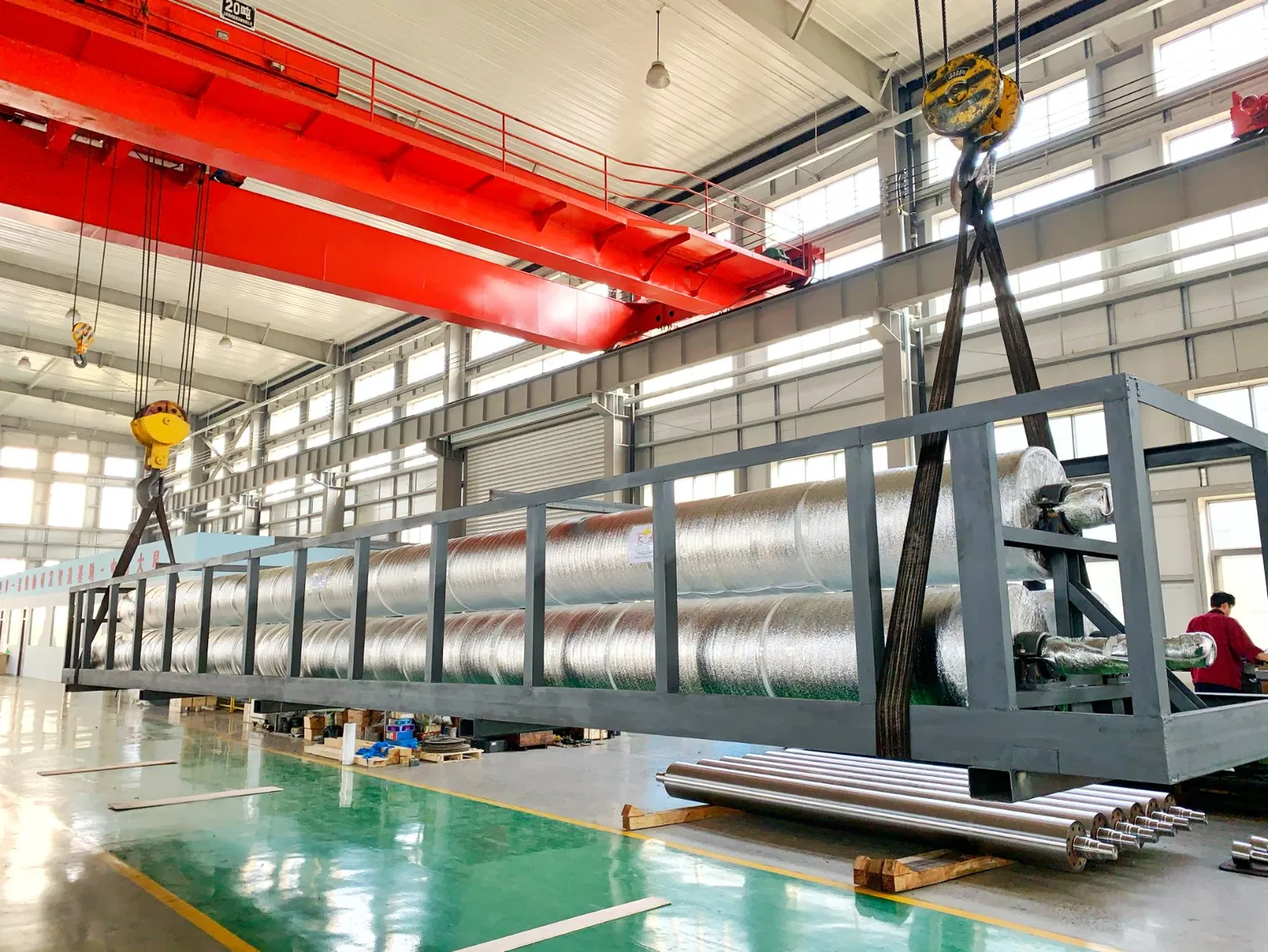
The Mechanics of the Blind Hole Press Roll
To understand why this specific roll is so effective, we have to look at what happens in the "nip"—the point where two rolls meet and compress the paper and felt. In a standard press, the water squeezed out of the paper needs somewhere to go. If it has no escape route, hydraulic pressure builds up, which can lead to sheet crushing or "blowing." This is where the blind hole press roll comes into play. Unlike a suction roll, which uses an internal vacuum box to pull water through through-holes, a blind hole roll features holes that are drilled to a specific depth but do not penetrate the shell. Frankly speaking, the "blind" nature of these holes is their greatest strength. They act as temporary reservoirs. As the felt and paper enter the nip, the water is forced into these holes. Once the nip pressure is released as the roll rotates, the centrifugal force and the natural expansion of the felt help remove the water from the holes. It’s worth noting that this design provides a much higher "void volume" than a grooved roll, which means it can handle significantly higher water loads. Many experts agree that for high-speed machines, the ability of the blind hole press roll to manage water without the energy costs of a vacuum system is a game-changer for press section efficiency. Another fascinating aspect is the "venting" effect. Because the holes are not connected to a vacuum, the air inside the hole is compressed as water enters. This compressed air actually helps to "kick" the water back out once the roll exits the nip. I've found that this self-cleaning tendency, when combined with proper showering, makes the blind hole design much more resilient to plugging than traditional suction rolls in certain applications.Material Science: Why Polyurethane is King
The performance of a blind hole press roll is heavily dependent on the material used for its cover. In the early days, rubber was the standard, but today, polyurethane press roll covers have largely taken over the high-performance segment of the market. Why the shift? To be honest, rubber simply cannot match the physical properties of modern synthetic polymers when subjected to the extreme heat and mechanical stress of a modern press section. Polyurethane offers several distinct advantages that directly impact the longevity of the roll:- Abrasion Resistance: Polyurethane is incredibly tough. It resists the wear and tear from the felt and any contaminants in the white water much better than rubber.
- Hardness Stability: Unlike rubber, which can harden or soften significantly with temperature changes, polyurethane maintains a consistent P&J (Pusey & Jones) hardness across a wide range of operating conditions.
- Chemical Resistance: Modern mills use a variety of cleaning chemicals and additives. Polyurethane covers are designed to withstand these without swelling or degrading.
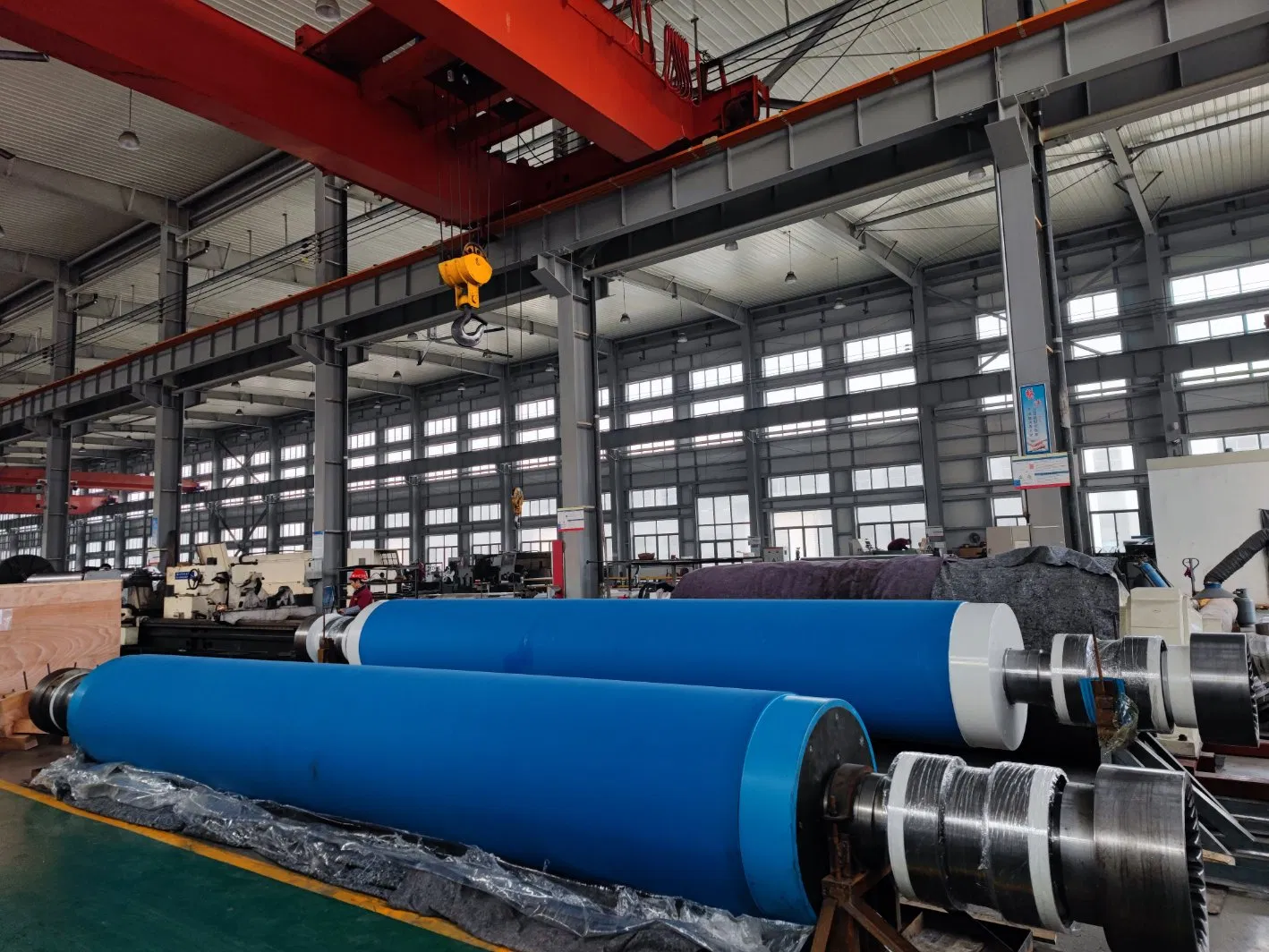
Optimizing Dewatering and Sheet Quality
When we talk about blind hole press roll performance, we have to talk about "shadow marking." This is a common defect where the pattern of the holes in the press roll is transferred to the paper sheet, appearing as light or dark spots. It’s a nightmare for producers of high-quality graphic papers or fine packaging. One of the reasons I prefer blind hole rolls over suction rolls in certain positions is that they are much less prone to this issue. Because the holes in a blind hole roll are typically smaller and more densely packed than those in a suction roll, the pressure distribution across the felt is more uniform. Furthermore, since there is no vacuum pulling the fibers into the holes, the mechanical "imprint" is minimized. To further mitigate marking, many mills utilize a "variable depth" or "staggered" drilling pattern. It’s worth noting that the interaction between the roll and the felt is just as important as the roll itself. A felt with the right base fabric and batt structure will bridge the holes effectively, ensuring that the paper web "sees" a smooth, flat surface even as the water is being whisked away beneath it. Have you ever considered how much energy you could save by increasing your press dryness by just 1%? It’s a well-known rule of thumb in the industry that a 1% increase in dryness leaving the press section results in a 4% reduction in steam required in the dryer section. This is where the blind hole press roll pays for itself. By providing superior venting and water storage, it allows for higher nip loads and faster machine speeds, directly impacting the mill's bottom line.Maintenance and Longevity: Keeping the Roll in Top Shape
Even the best-engineered blind hole press roll will fail if it isn't maintained properly. Frankly speaking, the most common issue I see in the field is hole plugging. Over time, fines, fillers, and chemical deposits can build up inside the blind holes. Once a hole is plugged, it no longer stores water, the hydraulic pressure in the nip rises, and you start seeing moisture streaks in the sheet or, worse, felt damage. Effective maintenance starts with a robust showering system. High-pressure needle showers are essential for knocking debris out of the holes. However, you have to be careful; if the pressure is too high or the angle is wrong, you can actually damage the polyurethane cover. I've found that a combination of continuous low-pressure lubricating showers and intermittent high-pressure cleaning showers works best. Another critical aspect is regrinding. As the roll runs, the surface will eventually develop wear patterns or "corrugations." Regular grinding ensures that the roll remains perfectly cylindrical and that the surface roughness is within the specified range. During the regrinding process, it’s also important to check the hole edges. If the edges become rounded or "dubbed," the dewatering efficiency will drop. Interestingly enough, some modern covers are designed with "self-polishing" properties, but they still require a professional touch every few months to maintain peak performance.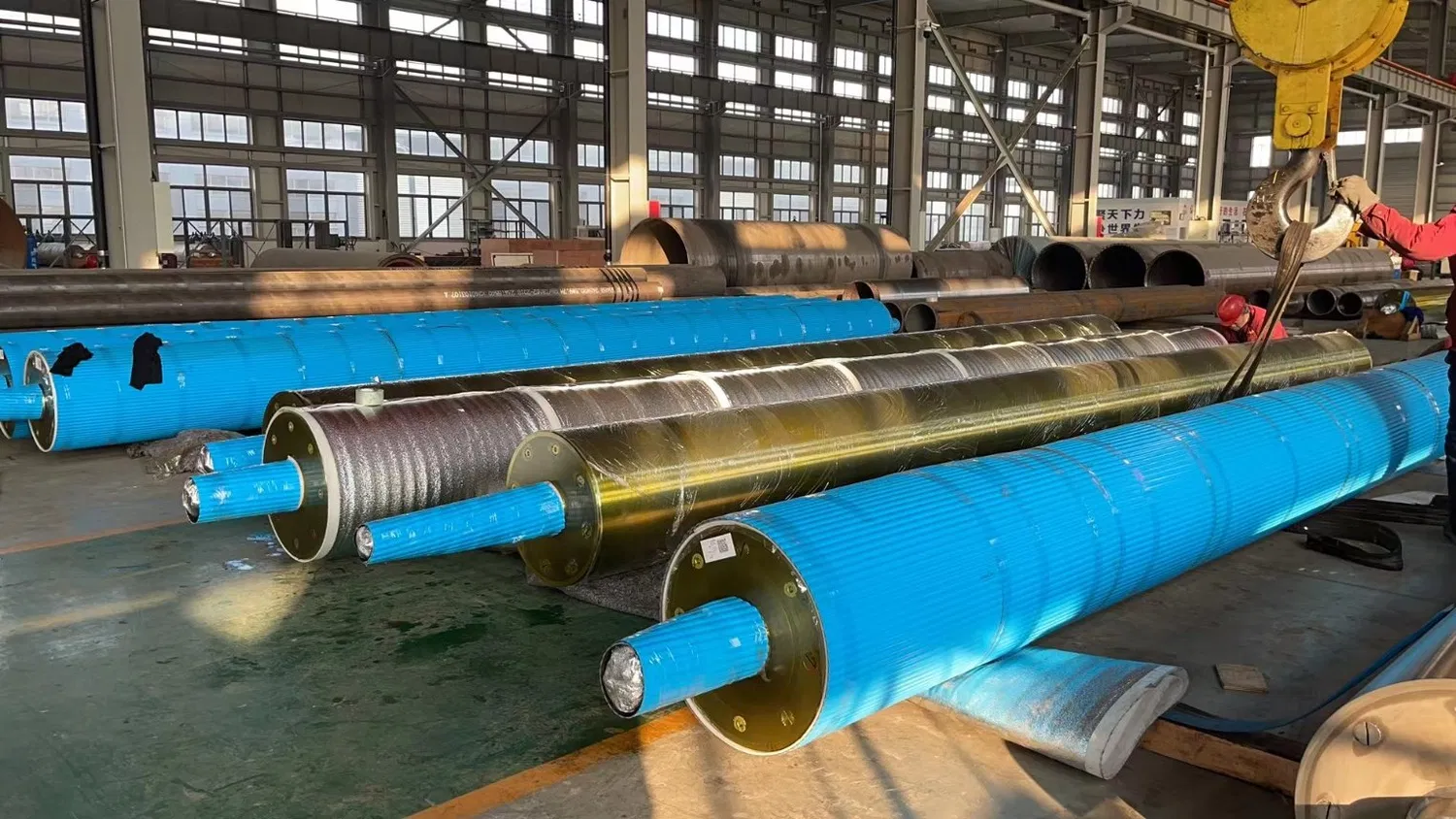
Comparing Blind Hole Rolls to Other Technologies
It’s natural to ask: "When should I use a blind hole press roll instead of a grooved roll or a suction roll?" To be honest, there is no one-size-fits-all answer, but there are some clear guidelines. Grooved rolls are excellent for high-speed machines where the water can be "flung" out of the grooves easily. However, grooves can sometimes close up under high pressure, especially with softer covers. Blind holes, being discrete structural units, tend to maintain their shape better under extreme loads. On the other hand, suction rolls are indispensable in the first press position where the water volume is highest and a vacuum is needed to manage the massive flow. In my experience, the blind hole press roll finds its "sweet spot" in the second or third press positions. Here, the sheet is already partially dry, and the goal is to remove the remaining water using high nip pressure without marking the sheet. By combining a blind hole roll with a grooved roll in a "vented nip" configuration, mills can achieve extraordinary dewatering rates. It’s worth noting that the trend in the industry is moving toward "multi-functional" rolls—covers that feature both grooves and blind holes. This hybrid approach aims to provide the best of both worlds: the high void volume of holes and the easy lateral venting of grooves.The Future of Press Roll Technology
Looking ahead, the evolution of the blind hole press roll is far from over. We are seeing incredible advancements in "smart" rolls—rolls embedded with sensors that can measure nip pressure, temperature, and moisture profiles in real-time. Imagine being able to see exactly how much water each individual hole is carrying! While we aren't quite there yet for every mill, the data-driven approach to papermaking is rapidly becoming the norm. Furthermore, the development of new composite materials for covers is pushing the boundaries of what these rolls can handle. We are seeing covers that can operate at higher temperatures and pressures than ever before, allowing for "hot pressing" techniques that significantly boost dewatering. Frankly speaking, the humble press roll is becoming a sophisticated piece of high-tech machinery. In conclusion, the blind hole press roll remains a cornerstone of efficient paper production. Its ability to manage water, protect sheet quality, and withstand the brutal environment of the press section makes it an invaluable asset. By choosing the right cover materials, maintaining a strict cleaning regimen, and understanding the underlying fluid dynamics, papermakers can ensure their machines run faster, longer, and more profitably. Whether you are producing tissue, board, or fine paper, the principles of effective venting and dewatering remain the same—and the blind hole roll is at the center of it all.For more detailed information, please visit our official website:blind hole press roll
About the author: Jameson Sterling is a senior mechanical engineer with over 25 years of experience in the pulp and paper industry. Specializing in press section optimization and roll cover technology, he has consulted for major mills across North America and Europe. Jameson's expertise lies in bridging the gap between theoretical fluid dynamics and practical, on-the-floor maintenance strategies. He is a frequent contributor to industry journals and a passionate advocate for sustainable papermaking practices.