

To be honest, the world of industrial papermaking is one where the smallest details can dictate the success of a multi-million dollar production line. Among the various components that keep a paper mill humming, the stone roller—specifically the granite press roller—remains an unsung hero. Despite the rise of synthetic materials and advanced composites, many mill managers still swear by the natural properties of stone. But here is the catch: not all stone rollers are created equal. Finding a reliable paper machine stone roller supplier is often the difference between a machine that runs smoothly for decades and one that suffers from constant downtime and surface degradation.
Interestingly enough, the use of granite in paper machines isn't just a tradition; it is a choice backed by unique physical properties that man-made materials struggle to replicate perfectly. In this guide, we are going to dive deep into why these rollers are essential, what you should look for in a manufacturer, and how to ensure you are getting the best possible equipment for your specific needs. Have you ever wondered why, in an age of carbon fiber and high-tech polymers, we still rely so heavily on massive blocks of quarried stone? Let’s explore that together.
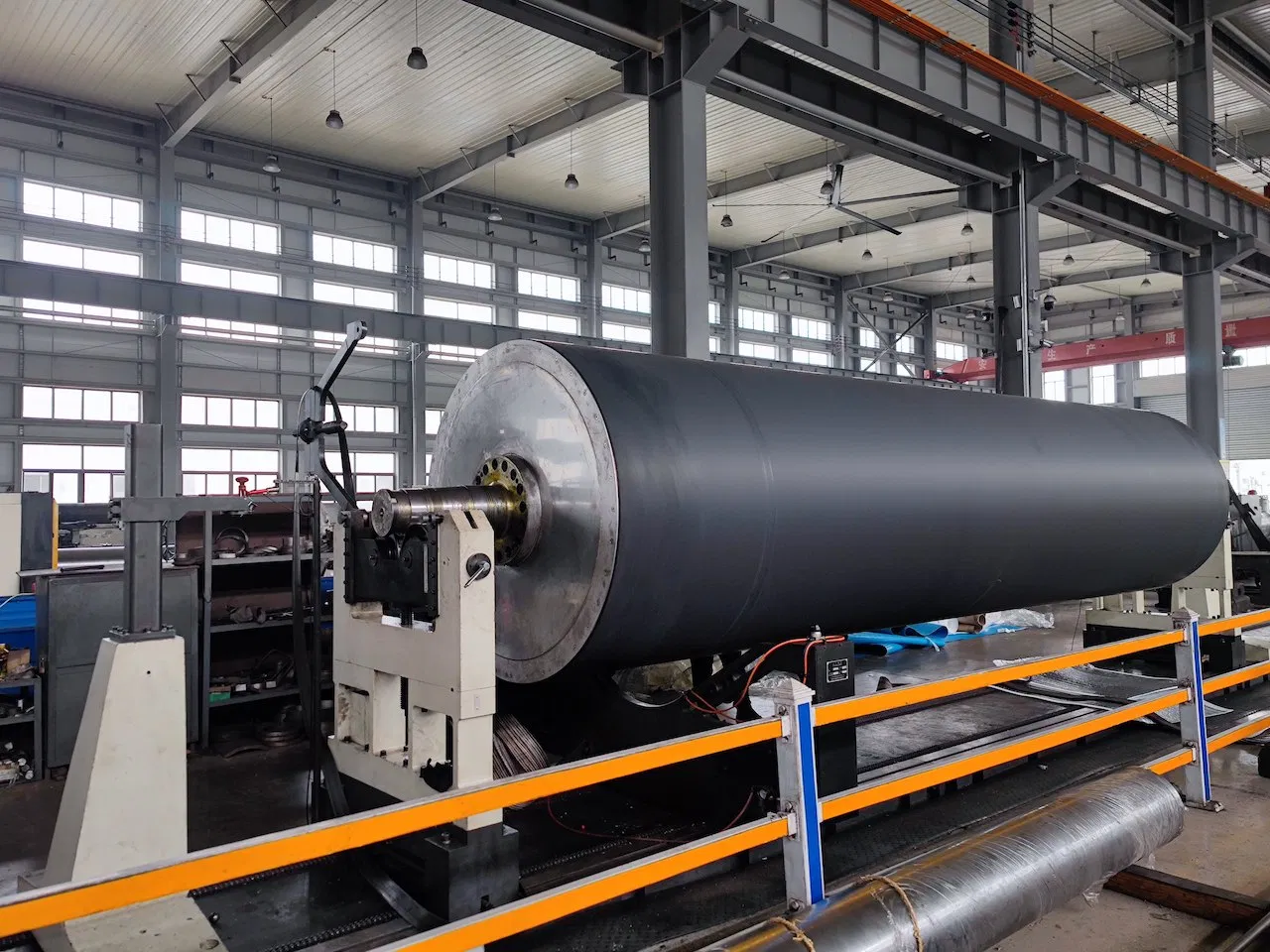
The Enduring Value of Granite in Modern Papermaking
It’s worth noting that the primary reason granite is the preferred material for press rollers is its exceptional "release" property. When wet paper web passes through the press section, it has a tendency to stick to the rollers. Granite possesses a natural porosity and a specific surface energy that allows the paper to peel away cleanly. If the paper sticks, you get breaks; if you get breaks, the whole line stops. I’ve found that even the most advanced synthetic covers often require chemical release agents, whereas a high-quality stone roller often performs this task naturally.
Beyond just the release properties, granite is incredibly dense and thermally stable. In the high-pressure environment of a paper machine, rollers are subjected to significant mechanical stress and temperature fluctuations. Granite doesn't warp or expand significantly under these conditions, ensuring that the "nip" (the point of contact between two rollers) remains consistent across the entire width of the machine. When you are sourcing high-quality granite press rollers for paper mills, you are essentially investing in the consistency of your paper’s caliper and moisture profile.
Frankly speaking, the durability of stone is legendary. While a rubber-covered roller might need recovering every few years, a well-maintained stone roller can last for thirty or forty years. This longevity is a double-edged sword, however. Because these rollers are meant to last a lifetime, the initial choice of a paper machine stone roller supplier becomes a generational decision for the mill. You aren't just buying a part; you are entering into a long-term technical partnership.
What to Look for in a Paper Machine Stone Roller Supplier
When you start your search for a supplier, you might find that the pool of qualified manufacturers is smaller than you’d expect. This is because custom stone roller manufacturing for paper machines requires a very specific blend of heavy industrial capability and artisan-level precision. You can't just pick any stone fabricator; you need someone who understands the rigors of the paper industry.
In my experience, the first thing you should evaluate is the source of the stone. Not all granite is suitable for papermaking. The supplier should be able to tell you exactly where their stone is quarried. Ideally, the granite should have a fine, uniform grain structure without large inclusions or veins of softer minerals. These imperfections can wear unevenly over time, leading to "pitting" on the roller surface which will eventually mark the paper.
Secondly, look at their engineering and machining capabilities. A raw block of granite is useless until it is bored, fitted with a high-strength steel shaft, and ground to a tolerance of a few microns. Ask potential suppliers about their balancing processes. Because these rollers are incredibly heavy and rotate at high speeds, even a tiny imbalance can cause vibrations that destroy bearings and affect paper quality. A top-tier paper machine stone roller supplier will use sophisticated dynamic balancing equipment to ensure the roller runs true at its operating speed.
- Material Certification: Does the supplier provide geological reports on the granite density and mineral composition?
- Shaft Integration: How is the central shaft secured? Look for suppliers who use advanced shrink-fitting or specialized adhesive technologies to prevent shaft slippage.
- Surface Finishing: Can they provide specific Ra (roughness average) finishes tailored to the grade of paper you are producing?
- Logistics Expertise: Moving a 20-ton stone roller across borders is no small feat. Does the supplier have a track record of safe, global delivery?
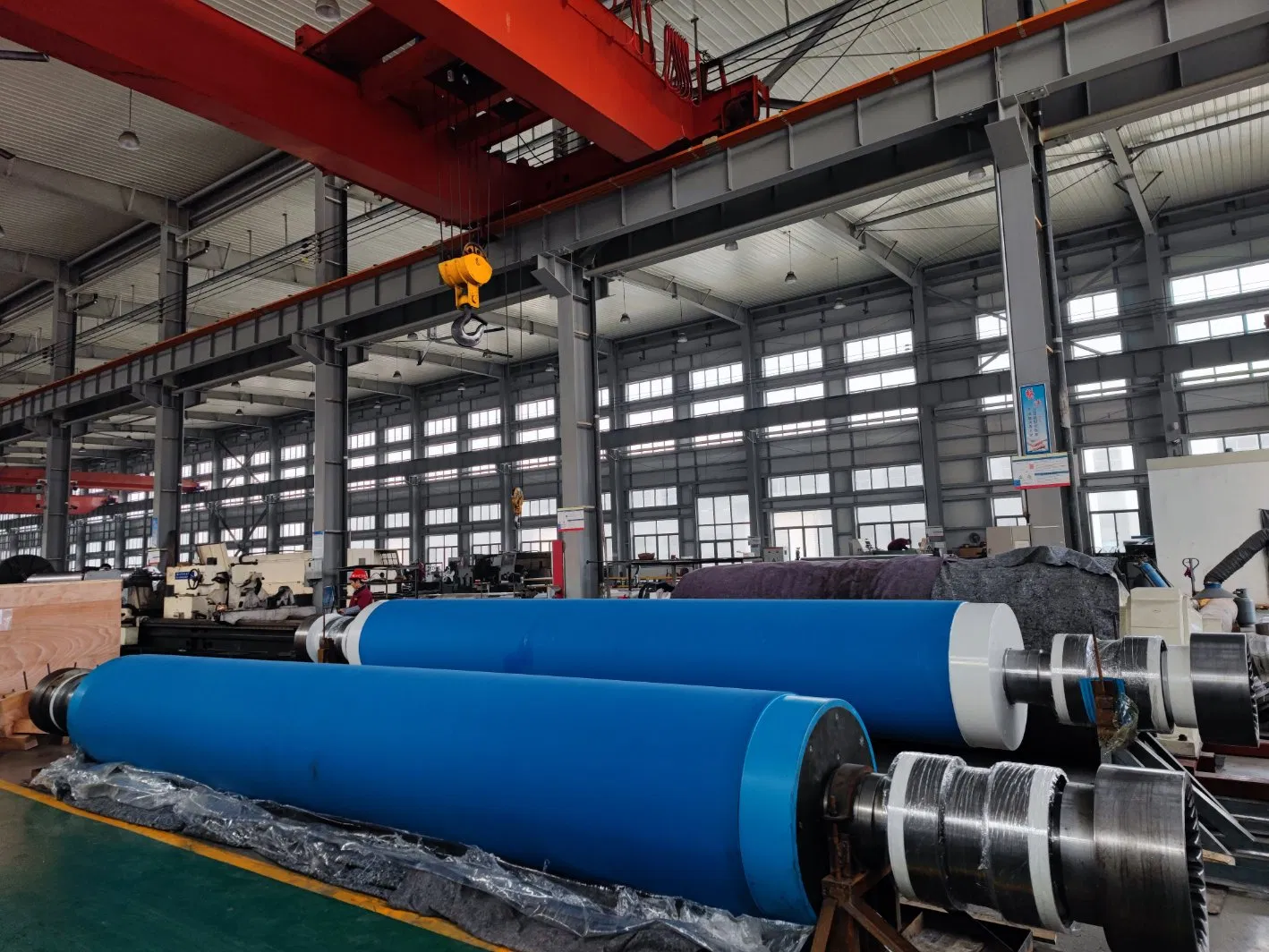
The Manufacturing Process: From Quarry to Press Section
Many experts agree that the manufacturing process for a stone roller is a feat of modern engineering. It starts at the quarry, where massive blocks of granite are carefully extracted using wire saws to avoid internal micro-fractures. Once the block reaches the factory, the "roughing" process begins. This involves turning the square block into a cylinder. It is a slow, methodical process that requires heavy-duty lathes capable of handling immense weight.
The most critical stage, however, is the mounting of the journals or the central shaft. Because granite is brittle, you cannot simply bolt a shaft to it. Most suppliers use a "through-shaft" design where a hole is bored through the entire length of the stone. The shaft is then inserted, and the space between the stone and the steel is filled with a specialized cement or resin. This creates a composite structure that combines the compressive strength of stone with the tensile strength of steel.
Finally, the roller undergoes precision grinding. This isn't just about making it round; it’s about creating the "crown." Because long rollers tend to sag slightly under their own weight or bow under nip pressure, they are often ground with a slightly larger diameter in the center than at the ends. This ensures that when the roller is under load, the contact area is perfectly flat. A paper machine stone roller supplier who masters this "crowning" technique is worth their weight in gold.
Maintenance and Industrial Stone Roller Sourcing
Once the roller is installed, the work doesn't stop. Proper industrial stone roller maintenance and sourcing of spare parts are vital for long-term ROI. One of the most common issues mills face is surface damage from "doctor blades"—the scrapers used to keep the roller clean. If the blade pressure is too high or the blade material is too abrasive, it can score the granite.
I've found that regular inspections are the best defense. You should look for any signs of "plucking," where small grains of stone are pulled out of the surface. If caught early, these can be polished out on-site. However, if the damage is deep, the roller may need to be sent back to the supplier for a full regrind. This is why choosing a supplier with a dedicated service department is so important. Do they offer on-site grinding? Can they provide emergency repairs? These are questions you need to ask before signing a contract.
Interestingly enough, the way you store a spare stone roller also matters. Because of their weight, they should never be left sitting in one position for too long, as this can lead to subtle permanent deformation or "flat spots" in the bearings. A good supplier will provide detailed storage instructions and perhaps even specialized storage cradles that allow the roller to be rotated periodically.
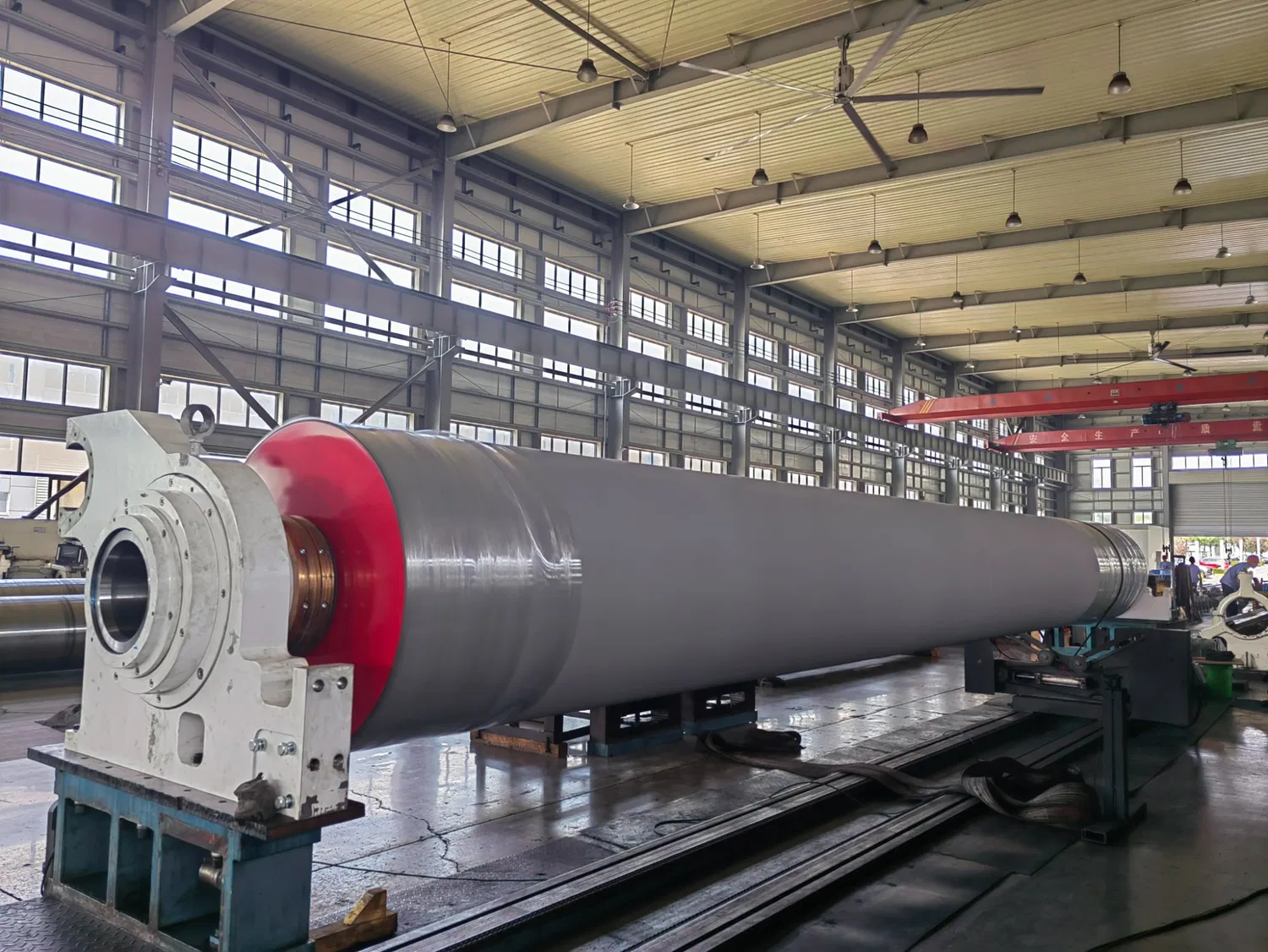
Conclusion: Making the Right Choice for Your Mill
In conclusion, while the technology inside a paper mill continues to evolve, the reliable granite roller remains a cornerstone of the press section. The natural benefits of stone—its release properties, thermal stability, and sheer longevity—make it an investment that pays for itself many times over. However, the success of that investment hinges entirely on your choice of a paper machine stone roller supplier.
By focusing on material quality, precision engineering, and long-term support, you can ensure that your press section operates at peak efficiency with minimal interruptions. Don't be afraid to ask the hard questions about quarrying sources, balancing tolerances, and logistics. After all, you aren't just buying a piece of stone; you are buying the stability of your production line for the next several decades. To be honest, in an industry where every minute of uptime counts, can you really afford to settle for anything less than the best?
Whether you are upgrading an existing line or building a new facility, take the time to vet your suppliers thoroughly. The right partner will not only provide a superior product but will also offer the technical insight needed to optimize your entire pressing process. It’s a big decision, but with the right information, it’s one you can make with total confidence.
For more detailed information, please visit our official website:paper machine stone roller supplier
About the author: Dr. Alistair Thorne is a veteran mechanical engineer with over 25 years of experience specializing in pulp and paper manufacturing equipment. Having consulted for major mills across Scandinavia and North America, Alistair possesses deep expertise in material science and industrial grinding processes. He is a frequent contributor to trade journals, focusing on the intersection of traditional craftsmanship and modern precision engineering in heavy industry.