

In the high-stakes world of papermaking, the difference between a profitable run and a costly downtime often comes down to the smallest technical details. Among these details, the performance of your press section stands as a primary pillar of success. To be honest, while many focus on the massive headbox or the complex drying cylinders, the press roll is the silent workhorse that determines the final quality and moisture content of the sheet. Specifically, choosing a reliable paper machine blind hole press roll supplier can be the turning point for a mill looking to shave off energy costs and improve machine speed.
Interestingly enough, the evolution of the blind hole press roll has transformed how we think about water removal. Unlike suction rolls that require massive amounts of vacuum energy, or grooved rolls that can sometimes be prone to "ghosting" or marking the sheet, blind hole rolls offer a unique balance of storage capacity and structural integrity. But how do you navigate the market to find a partner who understands these nuances? In my experience, it’s not just about who can drill holes in a steel shell; it’s about the engineering philosophy behind the roll.
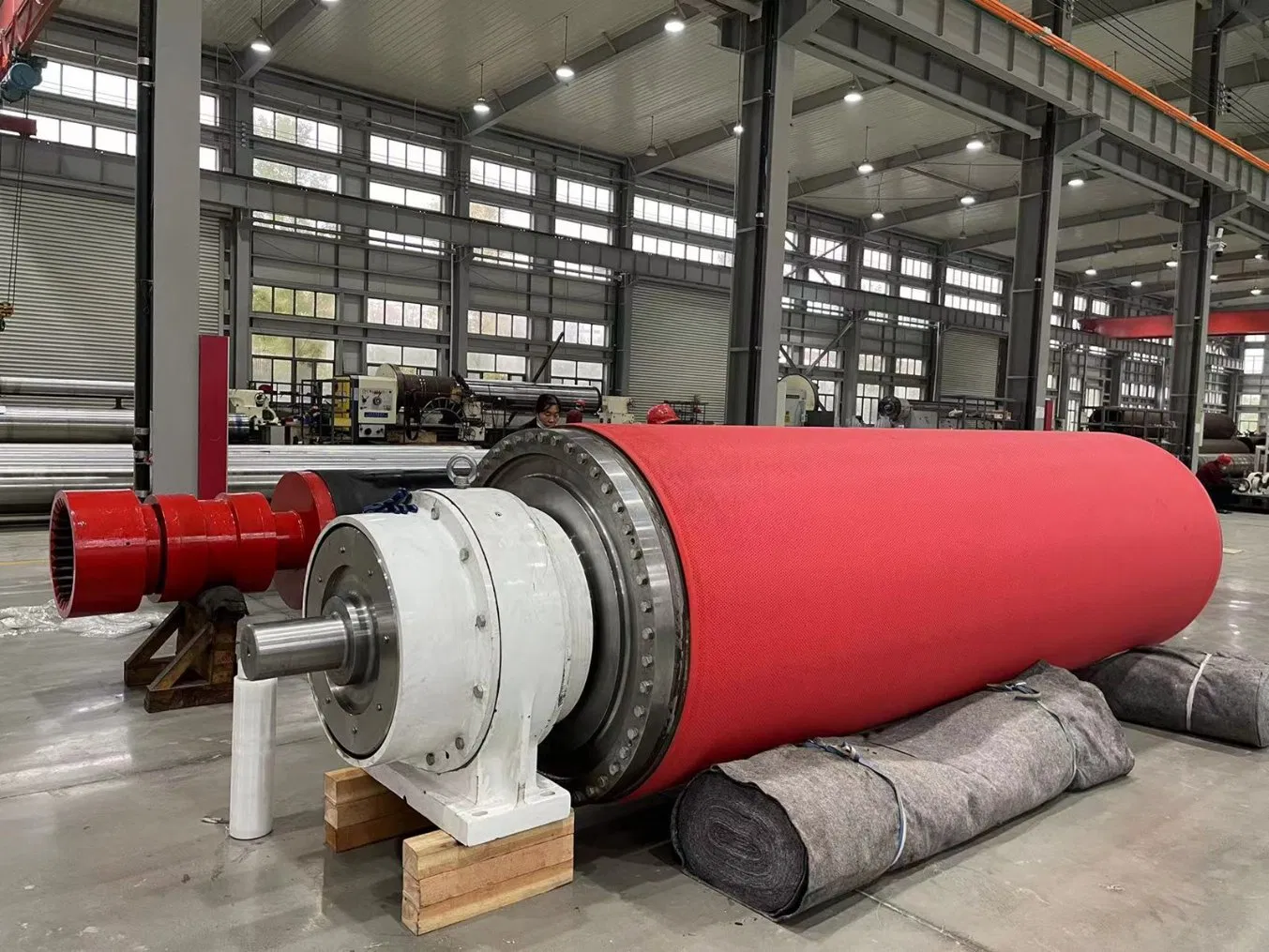
The Critical Role of Blind Hole Press Rolls in Modern Papermaking
Before we dive into the specifics of vetting a paper machine blind hole press roll supplier, it’s essential to understand why this specific component is so vital. The primary function of a blind hole press roll is to provide a "reservoir" for water during the nip pressure. As the paper web and the felt pass through the nip, water is squeezed out of the sheet and into the felt. The blind holes in the roll provide a temporary space for this water to go, preventing it from backing up and causing sheet breaks or crushing.
High-performance blind hole press rolls are designed to maximize this void volume while maintaining the hardness and profile of the roll cover. Frankly speaking, if the hole pattern is poorly designed or the material is substandard, you’ll face uneven dewatering. This leads to moisture streaks, which then force your dryer section to work overtime, skyrocketing your energy bills. Have you ever wondered how much money is literally "evaporating" out of your mill because of inefficient pressing?
I've found that the best suppliers don't just sell you a product; they provide a hydraulic solution. They look at your machine speed, the type of paper you’re producing (be it fine paper, tissue, or heavy board), and the specific nip loads you’re running. This level of customization is what separates a generic manufacturer from a true industry leader.
Key Factors to Consider When Choosing a Supplier
When you start your search for a paper machine blind hole press roll supplier, you’ll likely be overwhelmed by options. However, not all suppliers are created equal. It’s worth noting that the manufacturing process for these rolls involves extreme precision. Here are the non-negotiables you should look for:
- Material Expertise: The roll core is usually made of cast iron or forged steel, but the cover is where the magic happens. Whether it’s a specialized rubber compound or high-grade polyurethane, the supplier must demonstrate deep knowledge of polymer science.
- Drilling Precision: Blind holes must be perfectly spaced and drilled to a consistent depth. Any variation can cause centrifugal imbalances or uneven wear patterns.
- Dynamic Balancing: A press roll spinning at high speeds can become a vibrating nightmare if not balanced correctly. Ensure your supplier has state-of-the-art dynamic balancing facilities.
- Customization Capabilities: Every paper machine has its own "personality." A supplier offering customized press roll manufacturing will tailor the hole diameter, depth, and pattern to your specific felt and sheet requirements.
In my experience, many mills make the mistake of prioritizing the initial purchase price over the total cost of ownership. A cheaper roll from an unproven supplier might save you money today, but if it requires regrinding every three months or causes frequent felt damage, those savings disappear instantly. Many experts agree that a high-quality roll from a reputable paper machine blind hole press roll supplier pays for itself within the first year through reduced steam consumption and fewer sheet breaks.
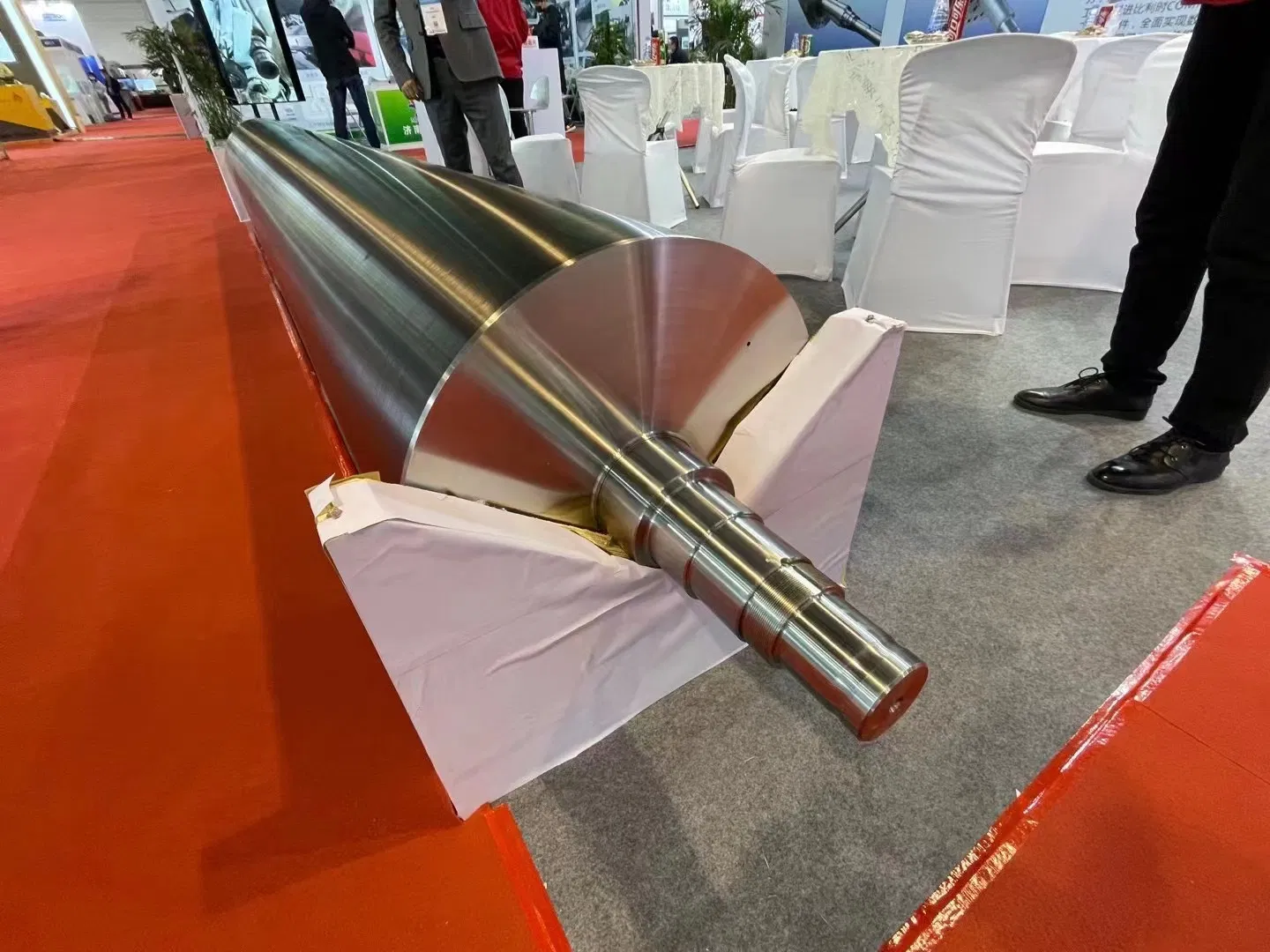
The Importance of Cover Technology
While we talk a lot about the "holes," the material they are drilled into is equally important. Modern high-performance blind hole press rolls often utilize polyurethane covers. Why? Because polyurethane offers superior abrasion resistance and can maintain its "P&J" (Pusey & Jones) hardness much longer than traditional rubber. This means the holes stay open and don't "plug" or deform under the intense pressure of the nip.
When interviewing a potential paper machine blind hole press roll supplier, ask them about their bonding process. The last thing you want is a cover delaminating in the middle of a production run. A supplier who uses advanced chemical bonding agents and controlled curing environments is a must.
Advanced Maintenance and Longevity Strategies
Even the best roll won't last forever without proper care. This is where paper mill roll maintenance solutions come into play. A top-tier supplier won't just drop off the roll and disappear; they will provide a comprehensive maintenance schedule and support. Interestingly enough, the way you clean your blind hole rolls can significantly impact their lifespan.
High-pressure showers are often used to keep the holes from plugging with fibers and chemicals. However, if the pressure is too high or the angle is wrong, you can actually erode the hole edges, leading to "orange peel" effects on the roll surface. I've found that the most successful mills work closely with their supplier to calibrate their cleaning systems specifically for the roll's cover material.
Common Challenges and How to Overcome Them
One of the most common issues with blind hole rolls is "shadow marking." This happens when the hole pattern is mirrored onto the paper sheet, affecting its printability or aesthetic quality. A sophisticated paper machine blind hole press roll supplier will use staggered or spiral hole patterns to mitigate this effect. They might also suggest a specific felt design that works in harmony with the roll surface.
Another challenge is heat buildup. Because blind holes don't have the airflow that suction rolls do, the friction in the nip can cause the roll surface to heat up. This can soften the cover and lead to premature wear. Suppliers who understand this will often incorporate internal cooling systems or use heat-resistant polymers to ensure the roll stays within its optimal operating temperature range.
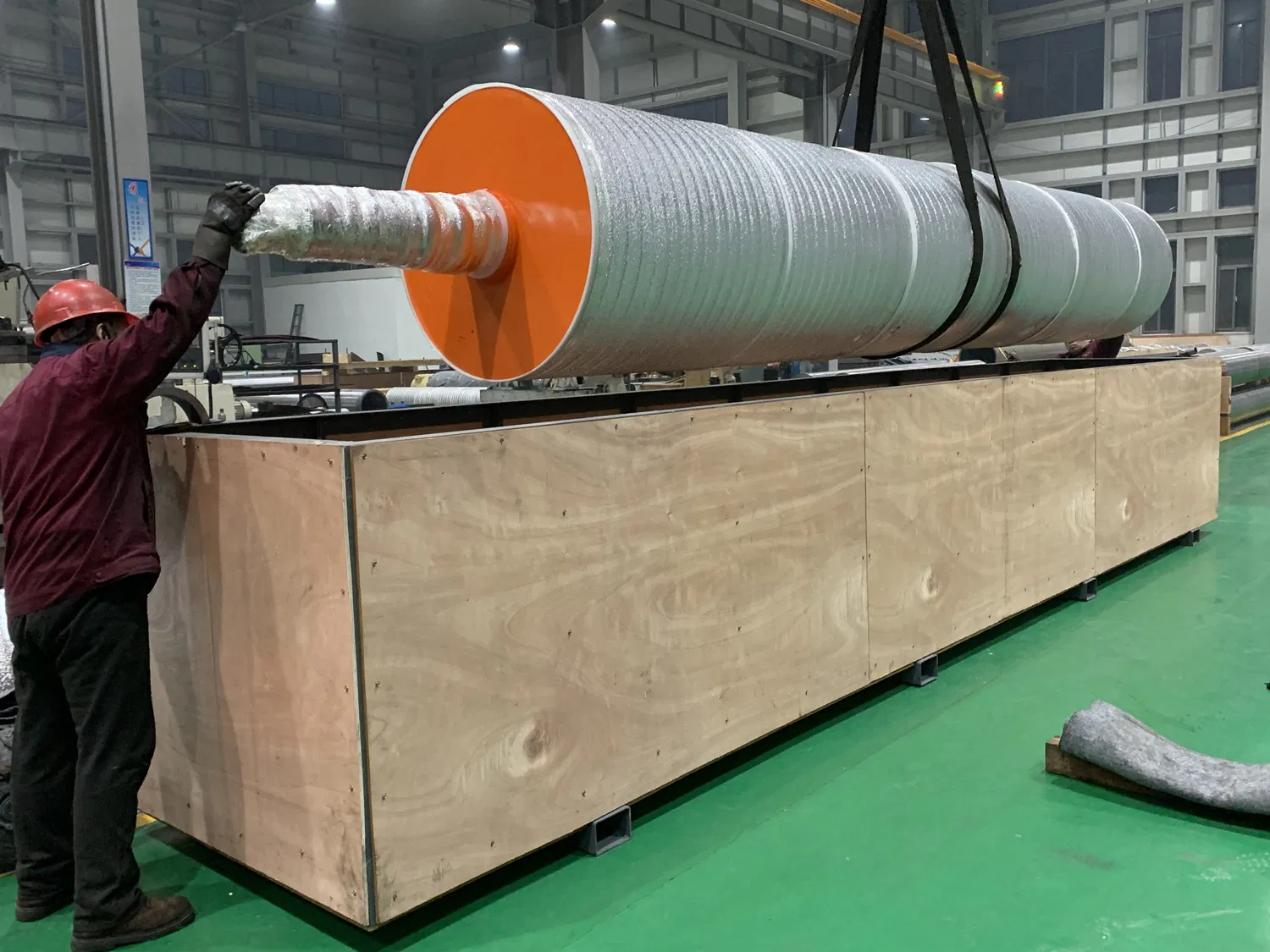
The Future of Press Roll Technology
As we look toward the future, the role of the paper machine blind hole press roll supplier is evolving. We are seeing the integration of smart sensors within the roll covers. Imagine a roll that can tell you its temperature, vibration levels, and even the nip pressure distribution in real-time. This "Industry 4.0" approach allows for predictive maintenance, where you can schedule a grind or a replacement before a failure actually occurs.
Frankly speaking, the industry is moving toward higher speeds and lower energy footprints. This puts even more pressure on the press section to perform. Choosing a partner who is invested in R&D and stays ahead of these trends is crucial for the long-term viability of your mill. Are you still using roll technology from twenty years ago, or are you ready to embrace the next generation of dewatering efficiency?
Conclusion: Making the Strategic Choice
In conclusion, selecting a paper machine blind hole press roll supplier is one of the most significant strategic decisions a mill manager can make. It’s a choice that impacts everything from daily energy costs to the final quality of the paper delivered to your customers. By focusing on material science, drilling precision, and a commitment to long-term maintenance, you can ensure that your press section remains a source of strength rather than a bottleneck.
I've seen firsthand how a mill's performance can transform simply by upgrading to high-performance blind hole press rolls designed by experts. Don't settle for "good enough" when the technology exists to make your operations truly world-class. Take the time to vet your suppliers, ask the hard questions about their engineering processes, and look for a partner who is as committed to your mill's uptime as you are.
For more detailed information, please visit our official website:paper machine blind hole press roll supplier
About the author: Marcus Thorne is a veteran mechanical engineer with over 22 years of experience in the pulp and paper industry. Specializing in press section optimization and roll metallurgy, Marcus has consulted for major mills across North America and Europe. His passion lies in helping paper manufacturers reduce their carbon footprint through smarter equipment choices and advanced maintenance strategies. When he's not on the mill floor, Marcus enjoys restoring vintage industrial machinery and writing for technical trade journals.