

To be honest, the paper mill environment is one of the most demanding industrial settings on the planet. Between the high speeds, extreme temperatures, and constant exposure to moisture and chemicals, every component is pushed to its absolute limit. At the heart of this mechanical chaos are the rolls. Whether they are forming, pressing, or drying, these cylindrical workhorses are the literal backbone of production. However, many mill managers overlook the nuances of paper machine roll maintenance until a catastrophic failure forces an unscheduled shutdown. In my experience, shifting from a reactive "fix-it-when-it-breaks" mentality to a proactive strategy is the single most effective way to protect your bottom line.
Interestingly enough, a roll that looks perfectly fine to the naked eye can be the source of significant quality issues, such as moisture streaks or thickness variations. Have you ever wondered why your paper quality fluctuates despite having top-tier pulp? Often, the culprit is a roll that has lost its profile or developed subtle surface imperfections. This article will dive deep into the world of maintenance, exploring how to keep your rolls spinning smoothly for years to come.
The Fundamental Pillars of Paper Machine Roll Maintenance
When we talk about paper machine roll maintenance, we aren't just talking about a quick wipe-down during a break. It is a multi-faceted discipline that requires precision, timing, and a deep understanding of mechanical engineering. I've found that the most successful mills treat their rolls like high-performance racing engines. You wouldn't drive a Formula 1 car for 500 miles without checking the tires, so why treat a multi-million dollar paper machine any differently?
The first pillar is regular inspection. This involves more than just a visual check; it requires advanced diagnostic tools. Ultrasonic testing, vibration analysis, and thermal imaging are essential for identifying internal flaws or bearing issues before they manifest as visible damage. Many experts agree that catching a bearing failure in its early stages can save a mill hundreds of thousands of dollars in secondary damage to the roll shaft and housing.
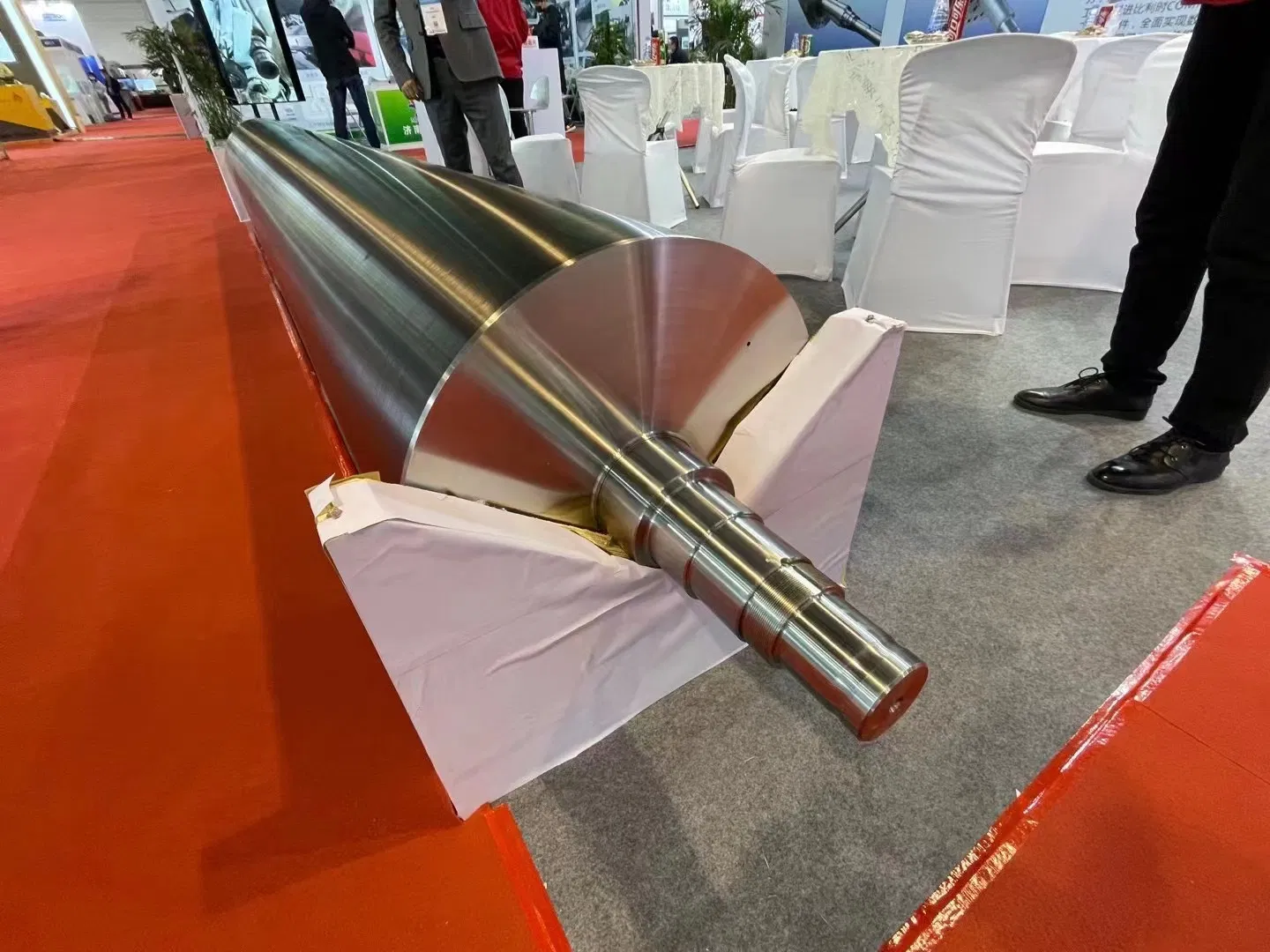
Secondly, lubrication is the lifeblood of roll longevity. However, it's not just about the quantity of oil; it's about the quality and the delivery system. In the high-heat environment of the dryer section, oil can break down rapidly, leading to carbon buildup and restricted flow. A robust maintenance program ensures that lubrication systems are cleaned and filters are replaced on a strict schedule. Frankly speaking, if you neglect your lube system, you are essentially inviting a mechanical heart attack.
The Art and Science of Industrial Roll Grinding
Over time, every roll loses its "crown" or its specific surface geometry due to the relentless friction of the paper web and doctor blades. This is where industrial roll grinding becomes the star of the show. It’s worth noting that even a deviation of a few microns can disrupt the uniform pressure distribution across the nip, leading to uneven dewatering and poor paper quality.
Precision grinding isn't just about making the roll round again; it's about restoring the specific profile required for that machine's unique operating conditions. In my experience, the best results come from using CNC-controlled grinding equipment that can replicate complex crown curves with extreme accuracy. When you invest in high-quality grinding, you aren't just fixing a part; you are optimizing the entire sheet-forming process.
- Surface Roughness: Ensuring the RA (Roughness Average) value is within spec for the specific grade of paper being produced.
- Concentricity: Eliminating "run-out" which causes vibration and premature bearing wear.
- Profile Accuracy: Restoring the mathematical curve that compensates for roll deflection under load.
Roll Covers: Inspection and Preservation
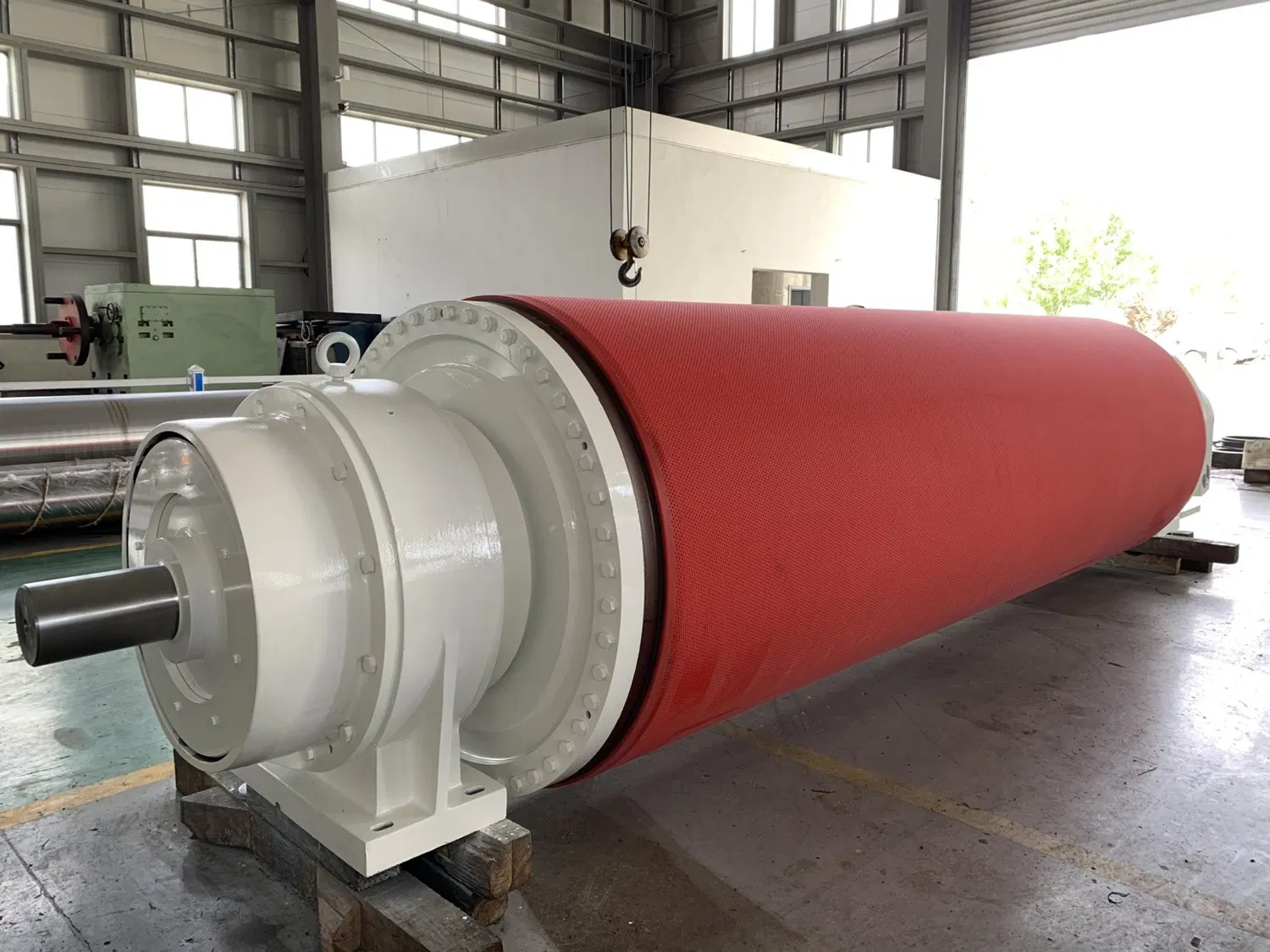
Whether your rolls are covered in rubber, polyurethane, or composite materials, the cover is the point of contact with the paper. Therefore, paper machine roll maintenance must prioritize cover integrity. I've seen many cases where a small "blind hole" or a tiny crack in a suction roll cover led to a massive delamination event because it was ignored during a routine stop.
Chemical compatibility is a major factor here. The cleaning agents used on the wire and felts can sometimes be aggressive toward certain cover polymers. It’s vital to consult with your cover supplier to ensure that your maintenance chemicals aren't inadvertently shortening the life of your rolls. Furthermore, heat management is critical. If a roll is allowed to sit stationary while the dryer section is still hot, the cover can develop "flat spots" or internal thermal stresses that lead to premature failure.
The Importance of Doctor Blade Management
It’s a common mistake to view doctor blades and rolls as separate entities. In reality, they are a married couple that must work in perfect harmony. An incorrectly aligned doctor blade or one with the wrong tip pressure can score a roll surface in minutes. Part of your preventive maintenance for rolls should always include a thorough check of the doctoring system. Are the oscillators working? Is the blade holder level? These small details prevent the need for premature industrial roll grinding and extend the interval between major overhauls.
Dealing with Vibration and Dynamic Balancing
Vibration is the silent killer in a paper mill. It shakes bolts loose, destroys bearings, and creates "chatter marks" on the roll surface that ruin paper finish. Interestingly enough, a roll can be perfectly balanced statically but vibrate violently at operational speeds. This is why dynamic balancing is a non-negotiable part of the maintenance cycle.
I've found that many mills struggle with vibration because they don't account for the "added mass" of internal water or oil inside the roll. When a roll is sent out for service, it should be balanced at its actual operating speed, not just a slow rotation. This ensures that when it's reinstalled, the machine runs smoothly from the moment the start button is pressed. Have you checked your vibration sensors lately? They are often your first line of defense against a catastrophic roll failure.
Implementing a World-Class Preventive Maintenance Program
So, how do you pull all these elements together? A world-class preventive maintenance for rolls program isn't built overnight. It requires a culture of documentation and continuous improvement. Every time a roll is removed, its condition should be documented, and any wear patterns should be analyzed to see if the machine's operating parameters need adjustment.
Many experts agree that a "spare roll strategy" is also essential. You should never be in a position where you are forced to run a damaged roll because you don't have a ready-to-go spare. Proper storage of these spares is equally important. Rolls should be stored in a temperature-controlled environment and rotated regularly to prevent "sagging" or permanent deformation of the shaft and covers.
The Economic Impact of Proper Care
Let’s talk numbers for a second. The cost of a single day of unplanned downtime in a large-scale paper mill can easily exceed $100,000. When you compare that to the cost of a scheduled paper machine roll maintenance window, the ROI is staggering. Beyond just avoiding downtime, well-maintained rolls reduce energy consumption (due to better dewatering in the press section) and decrease fiber waste. In my experience, the most profitable mills are the ones that view maintenance as an investment rather than a cost center.
Conclusion: The Future of Roll Maintenance
As we look toward the future, the integration of IoT and real-time monitoring is set to revolutionize paper machine roll maintenance even further. We are moving toward a world where rolls will tell us when they need service, based on live data rather than just a calendar schedule. However, no matter how advanced the technology becomes, the fundamentals of precision grinding, proper lubrication, and careful inspection will remain the keys to success.
By taking a proactive approach and treating your rolls with the respect they deserve, you ensure the long-term reliability of your mill. Remember, a smooth-running machine starts with the rolls. Don't wait for a breakdown to start caring for your most critical assets. Start your comprehensive maintenance journey today, and your machine—and your shareholders—will thank you.
For more detailed information, please visit our official website:paper machine roll maintenance
About the author: James "Jim" Sterling is a Senior Mechanical Consultant with over 30 years of hands-on experience in the pulp and paper industry. Specializing in rotating equipment and precision alignment, Jim has helped dozens of mills across North America optimize their maintenance strategies and reduce unplanned downtime. He is a frequent speaker at industry conferences and a passionate advocate for the "proactive maintenance" revolution in modern manufacturing.