

In the high-speed, high-pressure world of modern papermaking, the margin for error is incredibly slim. Every component of the machine must function in perfect harmony to produce a consistent, high-quality product. Among these components, paper machine roll covers often act as the unsourced heroes of the production line. While they might seem like simple coatings on the surface of massive steel cylinders, they are, in fact, highly engineered interfaces that determine everything from water removal efficiency to the final smoothness of the paper sheet.
To be honest, many mill managers and engineers overlook the complexity of these covers until something goes wrong. Whether it’s premature wear, delamination, or a sudden drop in sheet quality, the failure of a roll cover can lead to catastrophic downtime. Interestingly enough, the evolution of material science has transformed these covers from basic rubber wraps into sophisticated composite and polyurethane structures capable of withstanding extreme thermal and chemical environments. In my experience, understanding the nuances of these materials is the first step toward significant operational savings.
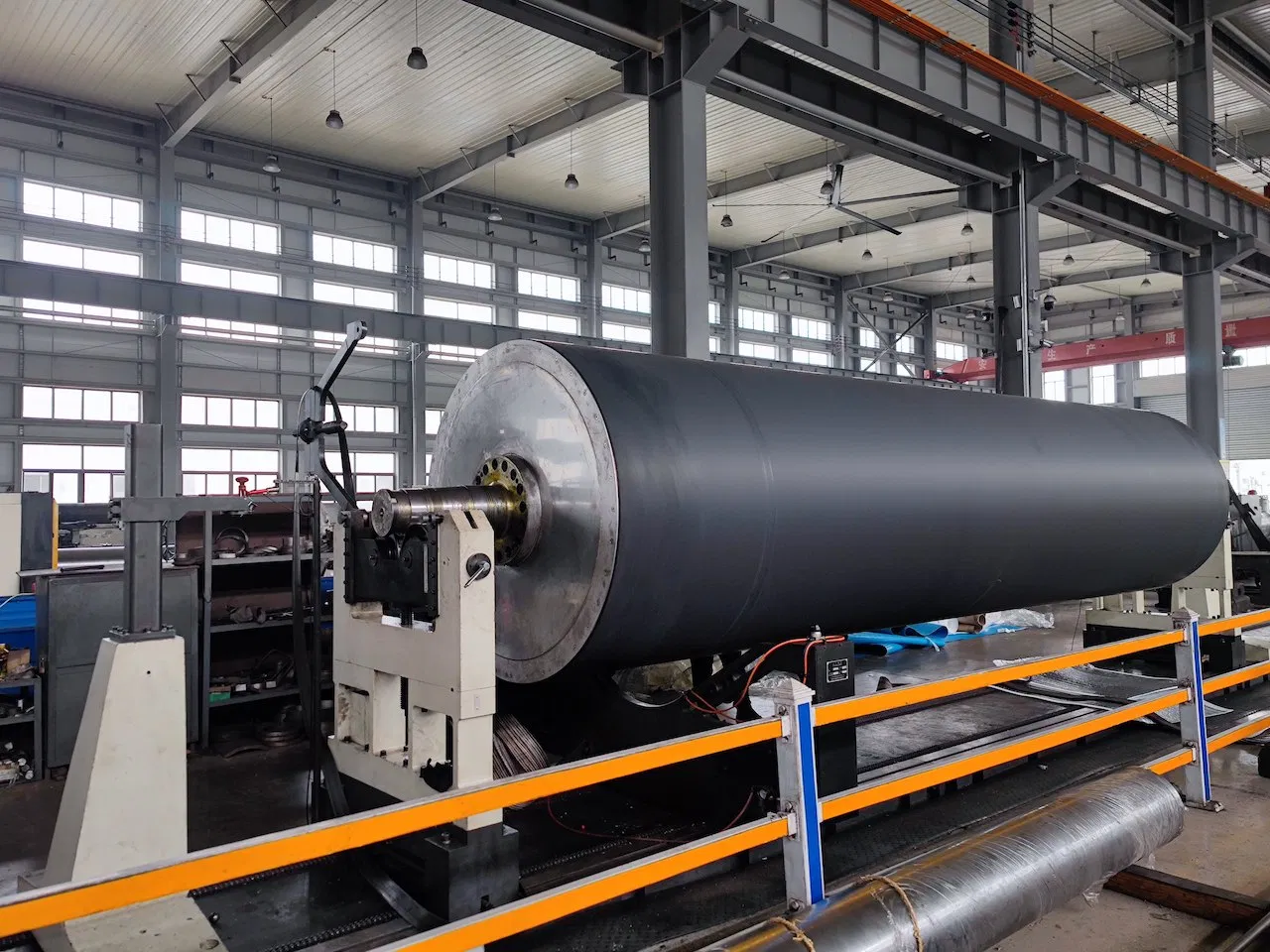
Understanding the Critical Role of Paper Machine Roll Covers
Why do we invest so much effort into the surface of a roll? It’s worth noting that the roll cover is the only part of the roll that actually touches the paper web or the felt. This interaction happens in the "nip"—the point of contact between two rolls where pressure is applied. The primary job of paper machine roll covers is to manage this nip pressure effectively. They must be resilient enough to deform slightly under load, providing a wider nip for better water expression, yet tough enough to return to their original shape thousands of times per minute.
Beyond pressure management, these covers provide essential protection for the roll core. A bare metal roll would quickly succumb to the corrosive environment of a paper mill, where moisture, heat, and acidic or alkaline chemicals are constant. I've found that a well-chosen cover acts as a sacrificial layer that is far easier and cheaper to replace or regrind than the entire roll structure. Have you ever wondered how much energy is wasted when a worn cover causes uneven moisture profiles? The answer is usually "more than you'd think."
Furthermore, the surface topography of the cover—whether it is grooved, blind-drilled, or smooth—plays a vital role in venting air and water. Without proper venting, the paper sheet can "crush" or develop pinholes, leading to breaks and lost revenue. It’s a delicate balance of physics and chemistry that requires a deep dive into material selection.
Material Science: From Natural Rubber to Advanced Polyurethanes
Historically, rubber was the king of the mill. It was flexible, relatively cheap, and easy to apply. However, as machine speeds increased and temperatures rose, traditional rubber began to reach its limits. Frankly speaking, rubber tends to harden and crack when exposed to the intense heat and chemical cocktails used in modern recycled paper production. This led to the development of synthetic alternatives that have revolutionized the industry.
- Polyurethane Covers: These are currently the gold standard for many applications. Polyurethane offers incredible abrasion resistance and can be engineered to specific hardness levels (measured on the Pusey & Jones scale). They are particularly effective in the press section where high nip loads are common.
- Composite Covers: Often reinforced with glass or carbon fibers, these covers provide exceptional structural stability. They are less prone to thermal expansion, which means they maintain their profile better during long production runs.
- Ceramic Coatings: For the most demanding environments, such as the wire section or high-speed calenders, ceramic-based paper machine roll covers offer unparalleled hardness and heat resistance. While more expensive upfront, their lifespan often justifies the investment.
In my experience, the shift toward polyurethane has been driven by its "dynamic properties." Unlike rubber, which can generate significant internal heat (hysteresis) when compressed rapidly, modern polyurethanes stay cooler. This prevents the "blowouts" that used to plague mills running at high speeds. It’s a classic example of how material science directly impacts the bottom line.
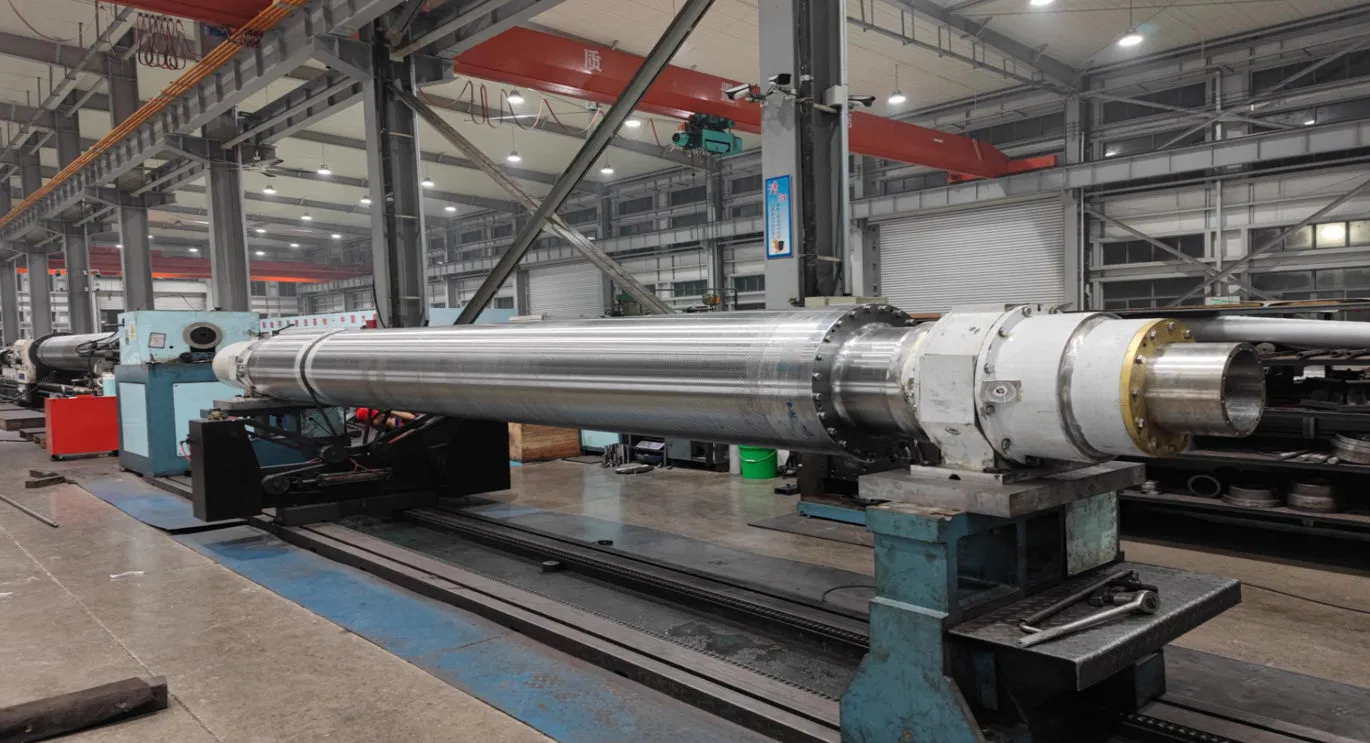
Key Performance Factors: What Makes a Cover "Good"?
Selecting the right paper machine roll covers isn't just about picking a material; it's about matching the cover's properties to the specific position on the machine. Many experts agree that there are four pillars of roll cover performance: hardness, surface energy, thermal stability, and chemical resistance. If any of these are out of sync, the cover will fail prematurely.
Hardness is perhaps the most discussed metric. A cover that is too hard might cause felt wear or sheet crushing, while one that is too soft will wear down quickly and lose its profile. It’s worth noting that hardness can change over time. I’ve seen covers that started at 20 P&J and ended up at 10 P&J after six months of chemical exposure. This "hardening" is a clear sign that the material is incompatible with the mill's chemistry.
Surface energy is another fascinating aspect. In the dryer section or the size press, you want the paper to release easily from the roll. If the cover has high surface energy, the paper might stick, leading to "picking" or even sheet breaks. Modern coatings often include fluoropolymers or special additives to create a "non-stick" surface. It’s these small details that separate a standard operation from a world-class one.
The Importance of Dynamic Modulus
We also need to talk about the dynamic modulus. This refers to how the material behaves under high-frequency loading. In a machine running at 1,500 meters per minute, a roll cover is compressed and released dozens of times per second. If the material cannot recover fast enough, it loses its ability to manage the nip. This is where high-performance roll coatings really shine, as they are designed to handle these rapid cycles without losing their physical integrity.
Maintenance and Troubleshooting: Extending the Life of Your Investment
Even the best paper machine roll covers will eventually wear out, but their lifespan can be significantly extended with proper care. To be honest, the most common cause of cover failure isn't wear—it's neglect. Improper doctor blade pressure, cooling water failure, or chemical imbalances can destroy a cover in days.
Regular grinding is essential. As the cover works, it develops a "work-hardened" layer and may lose its crown (the slight curve designed to ensure even pressure across the width of the machine). By periodically grinding the surface, you remove the damaged material and restore the proper profile. I've found that mills that stick to a strict grinding schedule actually spend less on roll covers over the long term because they avoid catastrophic failures.
Another critical factor is cooling. Many high-load rolls are internally water-cooled. If the cooling system becomes scaled or clogged, the internal temperature of the roll can skyrocket, leading to delamination—where the cover literally peels off the metal core. It’s a nightmare scenario that every mill manager wants to avoid. Have you checked your roll internal temperatures lately? It might be the most important thing you do this week.
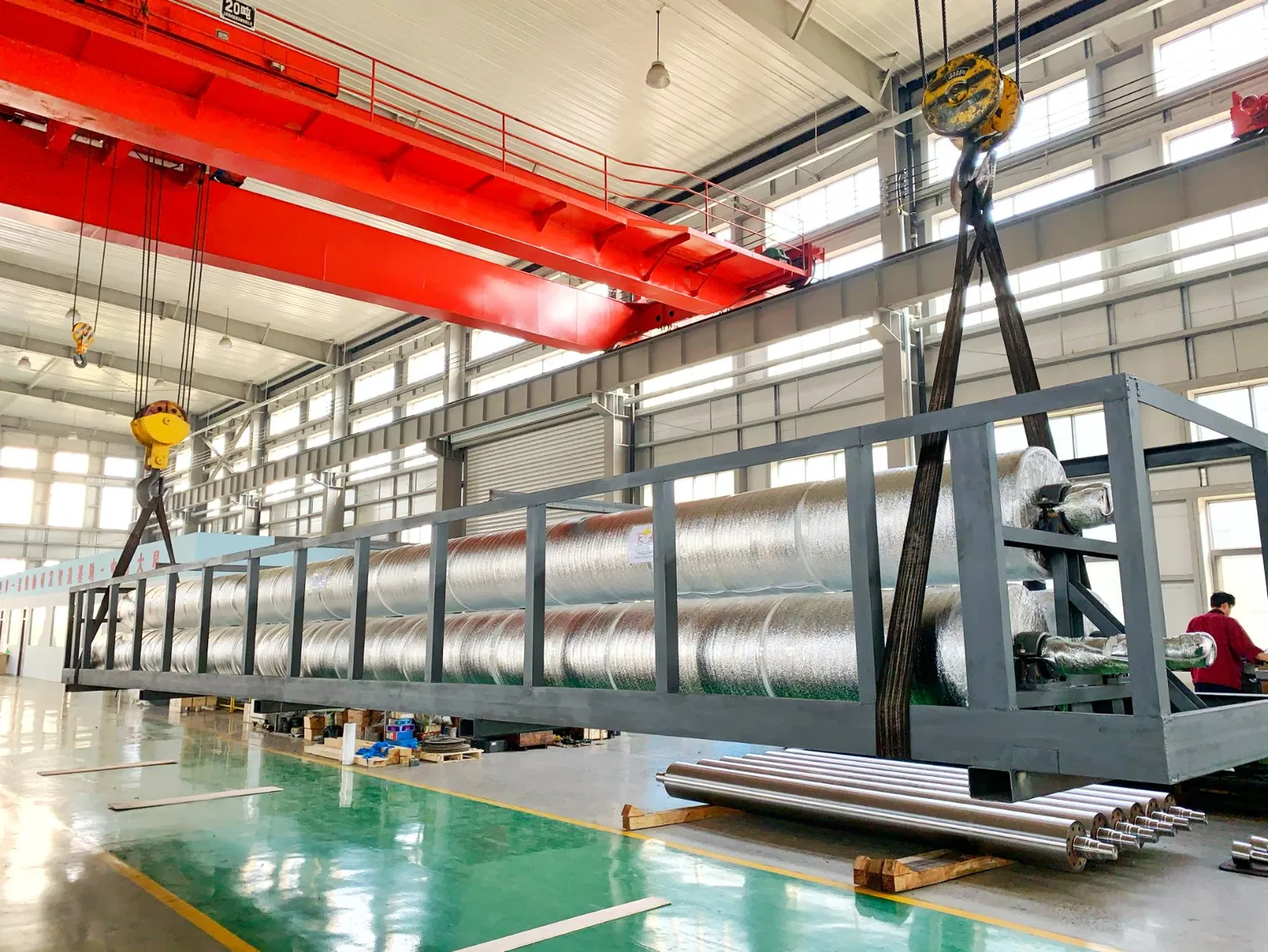
The Future: Smart Covers and Sustainability
As we look toward the future, paper machine roll covers are becoming "smarter." We are seeing the integration of sensors directly into the cover material. These sensors can provide real-time data on nip pressure, temperature, and moisture profiles. This allows for "predictive maintenance," where the machine tells you when it needs a grind, rather than you guessing based on a calendar. This level of data-driven decision-making is the next frontier in papermaking efficiency.
Sustainability is also playing a larger role. Manufacturers are developing covers made from bio-based resins and exploring ways to recycle old covers rather than sending them to landfills. In my experience, the industry is moving quickly to reduce its environmental footprint, and the roll cover is a big part of that equation. Using durable composite roll covers that last longer naturally reduces waste and energy consumption.
In conclusion, while they may seem like a minor detail in the vast complexity of a paper mill, paper machine roll covers are fundamental to operational success. By choosing the right materials, understanding the technical requirements of each position, and maintaining a rigorous care schedule, mills can achieve higher speeds, better quality, and lower costs. It’s not just about covering a roll; it’s about uncovering the full potential of your production line.
For more detailed information, please visit our official website:paper machine roll covers
About the author: James Sterling is a veteran mechanical engineer with over 25 years of experience in the pulp and paper industry. Specializing in roll technology and nip dynamics, James has consulted for major mills across North America and Europe, helping them optimize their press sections and reduce energy consumption. When he isn't analyzing moisture profiles, he enjoys mentoring young engineers and writing about the intersection of material science and industrial efficiency.