

In the world of papermaking, the press section is often referred to as the heart of the machine. It is the critical bridge between the forming section, where the sheet is born, and the drying section, where the final moisture is evaporated. To be honest, the efficiency of paper machine press section dewatering is perhaps the single most important factor in determining the overall cost-effectiveness and speed of a paper mill. Every percentage point of dryness gained in the press section translates to massive energy savings in the dryers, as removing water mechanically is significantly cheaper than removing it through heat.
Interestingly enough, many mills overlook the subtle nuances that govern how water moves from the fiber mat into the felt. It’s not just about squeezing a sponge; it’s a complex dance of fluid dynamics, pressure gradients, and material science. In my experience, understanding the physics behind the nip can be the difference between a high-performing line and one that constantly struggles with sheet breaks and high steam consumption.
The Fundamental Mechanics of Paper Machine Press Section Dewatering
At its core, paper machine press section dewatering relies on mechanical pressure to force water out of the wet web and into a receiving medium, usually a press felt. This process occurs within the "nip," the narrow area where two rolls meet. To understand how to optimize this, we have to look at the four distinct phases of the press nip:
- Phase 1: Compression of the Web and Felt. As the sheet enters the nip, the air is displaced, and the total pressure begins to rise.
- Phase 2: Saturated Compression. The hydraulic pressure within the sheet exceeds the atmospheric pressure, forcing water to flow into the felt.
- Phase 3: Expansion and Decompression. As the materials exit the nip center, the pressure drops. This is a critical stage where "rewetting" can occur if the felt and sheet are not separated quickly enough.
- Phase 4: Separation. The sheet and felt part ways, ideally with the sheet retaining the dryness gained during the first two phases.
Frankly speaking, the biggest challenge in this cycle is managing Phase 3. Have you ever wondered why a sheet that feels dry right at the nip center can suddenly seem wetter just inches away? That’s rewetting in action. The expanding felt acts like a vacuum, pulling water back into the paper. Minimizing this effect is a cornerstone of enhancing paper machine energy efficiency.
Key Components Influencing Dewatering Performance
Several mechanical components work in tandem to ensure the success of the dewatering process. It’s worth noting that even a small misalignment or a worn-out component can lead to significant production losses. The primary players include the press rolls, the felts, and the conditioning systems.
1. Press Rolls and Covers
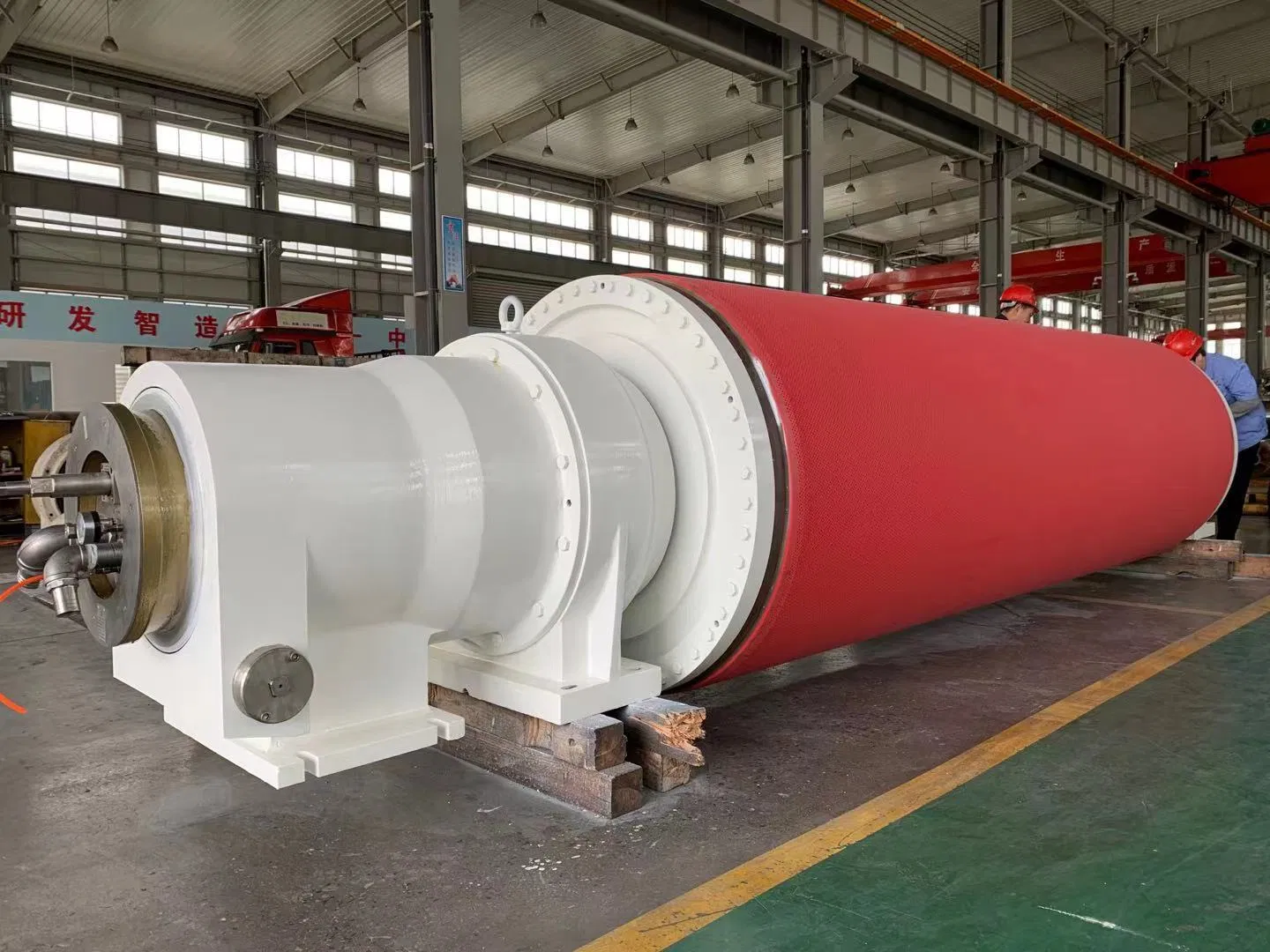
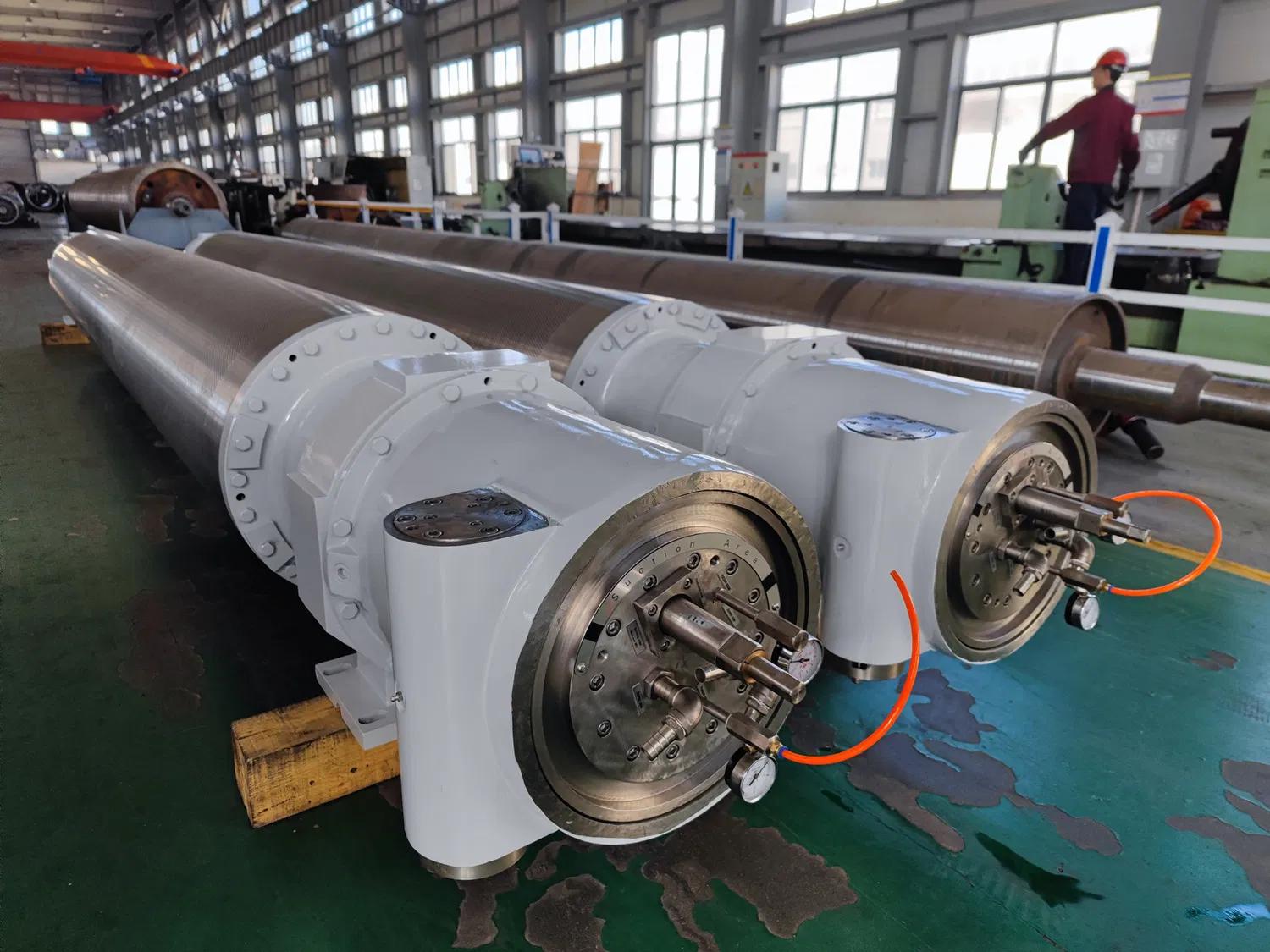
The design of the rolls—whether they are plain, suction, or grooved (Venta-Nip)—drastically affects how water is handled. Suction rolls use vacuum pressure to pull water into the roll shell, while grooved rolls provide a physical escape route for the water. The hardness of the roll cover also plays a role; a softer cover creates a wider nip, increasing the "dwell time" (the duration the sheet is under pressure), which is often beneficial for heavier grades.
2. The Role of Press Felts
The press felt is not just a conveyor belt; it is a sophisticated engineered fabric designed to receive and transport water. A high-quality felt must have high permeability and sufficient "void volume" to hold the water squeezed from the sheet. Over time, these felts become compacted or clogged with fines and chemicals, which is why consistent felt conditioning is vital. I've found that mills that invest in high-pressure showers and chemical cleaning systems for their felts see a much more stable paper machine press section dewatering curve over the life of the fabric.
Advanced Technologies: The Rise of the Shoe Press
If we look at the evolution of the industry, the introduction of the shoe press was a total game-changer. Unlike traditional roll presses that have a circular nip, a shoe press uses a stationary "shoe" that is curved to match the diameter of the opposing roll. This creates a nip that is significantly longer—sometimes up to ten times longer than a conventional roll nip.
By optimizing press nip pressure through shoe press technology, mills can achieve much higher dryness levels. Because the pressure is applied over a longer duration, the water has more time to migrate out of the sheet without crushing the delicate fiber structure. This is particularly important for high-speed machines where the dwell time in a standard roll nip might only be a few milliseconds. Interestingly enough, the transition to shoe pressing has allowed many mills to increase their machine speeds by 20% or more without adding a single dryer can.
Factors Affecting Dewatering Efficiency
While the hardware is important, the operating conditions are equally influential. To get the most out of paper machine press section dewatering, operators must balance several variables:
- Temperature: Increasing the temperature of the wet web reduces the viscosity of the water. Thinner water flows more easily through the fiber mat and into the felt. This is why steam boxes are often installed just before the press nip.
- Nip Pressure: While more pressure generally means more dewatering, there is a "point of diminishing returns" where too much pressure can crush the sheet or damage the felt.
- Machine Speed: As speed increases, the time available for water to move (dwell time) decreases. This requires more aggressive dewatering strategies, such as higher vacuums or longer nips.
- Furnish Properties: The type of fiber used (virgin vs. recycled) and the level of refining significantly impact how easily the sheet gives up its water. Recycled fibers, which often contain more fines, tend to hold onto water more stubbornly.
It’s worth noting that "over-pressing" can also lead to quality issues like two-sidedness or loss of bulk. Finding the "sweet spot" requires a deep understanding of the specific grade being produced.
Troubleshooting and Maintenance for Consistent Results
Maintaining a high level of paper machine press section dewatering requires a proactive approach to maintenance. In my experience, most dewatering issues can be traced back to either felt filling or roll cover degradation. When the felt becomes filled with contaminants, its ability to accept water drops, leading to "crushing" at the nip or increased sheet moisture.
Regular monitoring of the "press pulse" and moisture profiles is essential. If you notice a damp streak in the center of the sheet, it might indicate that the roll crown is no longer appropriate for the current loading. Have you ever checked your Uhle box covers for wear? Even small nicks in the vacuum box covers can cause uneven dewatering and premature felt wear. Frankly speaking, a rigorous weekly inspection routine can save a mill hundreds of thousands of dollars in unplanned downtime.
Conclusion: The Future of Press Section Optimization
As energy costs continue to rise and environmental regulations tighten, the focus on paper machine press section dewatering will only intensify. We are already seeing the integration of digital twins and AI-driven sensors that can predict felt failure or optimize nip pressure in real-time based on incoming furnish quality. These innovations are enhancing paper machine energy efficiency to levels that were once thought impossible.
To be honest, the journey to a perfectly optimized press section is never truly finished. It requires constant attention to detail, a willingness to embrace new technologies like the shoe press, and a commitment to rigorous maintenance. By focusing on the fundamentals of fluid dynamics and mechanical pressure, papermakers can ensure their machines run faster, cleaner, and more profitably for years to come.
For more detailed information, please visit our official website:paper machine press section dewatering
About the author: James Sterling is a veteran process engineer with over 25 years of experience in the pulp and paper industry. Specializing in wet-end chemistry and mechanical dewatering, James has consulted for major mills across North America and Europe. He is a frequent contributor to industry journals and a passionate advocate for sustainable manufacturing practices. When he's not on the mill floor, James enjoys restoring vintage machinery and mentoring the next generation of paper scientists.