

If you have ever stood next to a running paper machine, you know it is an experience that stays with you. It is a massive, roaring, and incredibly complex beast that transforms a watery slurry of fibers into a crisp, dry sheet of paper in a matter of seconds. To be honest, the sheer scale of the engineering involved is enough to make anyone’s head spin. At the center of this mechanical marvel are the rolls. These aren't just simple cylinders; they are highly engineered components that must withstand immense pressure, extreme temperatures, and corrosive environments.
Have you ever wondered how a machine that is hundreds of feet long manages to keep a thin web of paper from tearing while moving at speeds faster than a car on a highway? The answer lies in the various types of rolls in paper machine configurations. Each roll has a specific job to do, from forming the initial sheet to squeezing out water and finally smoothing the surface for printing. In my experience, understanding these rolls is the first step to mastering the art and science of papermaking.
The Foundation: Forming Section Rolls
The journey of a piece of paper starts at the "wet end," specifically the forming section. This is where the pulp is sprayed onto a moving wire mesh. Interestingly enough, the way the water is removed here dictates the final strength and quality of the paper. The rolls in this section are designed to support the wire and facilitate drainage without damaging the delicate, newly formed fiber mat.
One of the most critical components here is the Breast Roll. Located right at the beginning, it supports the forming wire where the jet of pulp first hits. It has to be incredibly rigid because any deflection would result in an uneven paper thickness. Then we have the Wire Turning Roll, which, as the name suggests, guides the wire back to the start of the loop. It’s a heavy-duty worker that deals with constant tension.
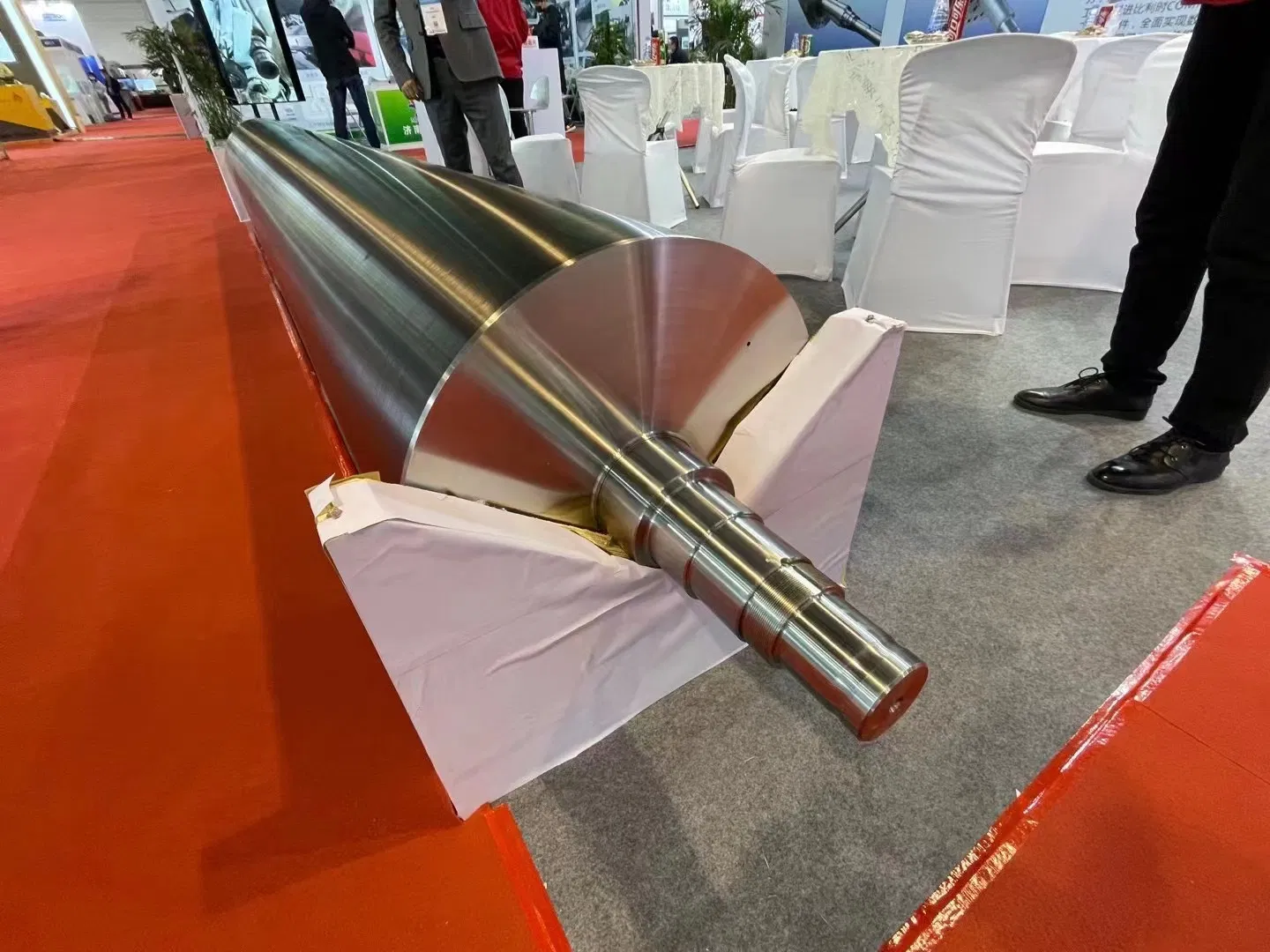
Perhaps the most technically interesting is the Couch Roll (pronounced "cooch"). This is usually a suction roll. It uses a vacuum to pull the last bit of "free" water out of the sheet before it’s strong enough to leave the wire and head to the press section. Without the couch roll, the paper would simply be too wet to support its own weight. Frankly speaking, the couch roll is the unsung hero of the forming section.
The Role of Guide and Stretch Rolls
While the breast and couch rolls get all the glory, the forming section wouldn't work without guide rolls and stretch rolls. Guide rolls ensure the wire stays centered. If the wire drifts even a few millimeters, it can cause a catastrophic "wrap" or tear. Stretch rolls, on the other hand, maintain the correct tension. If the wire is too loose, it sags; if it's too tight, it wears out prematurely. It's a delicate balancing act that requires constant monitoring.
The Muscle: Press Section and Suction Press Roll Functions
Once the sheet leaves the forming section, it is still mostly water—about 80%, to be precise. The press section’s job is to use mechanical pressure to squeeze that water out. This is much more energy-efficient than using heat to evaporate it later. In this section, the types of rolls in paper machine setups become even more specialized and robust.
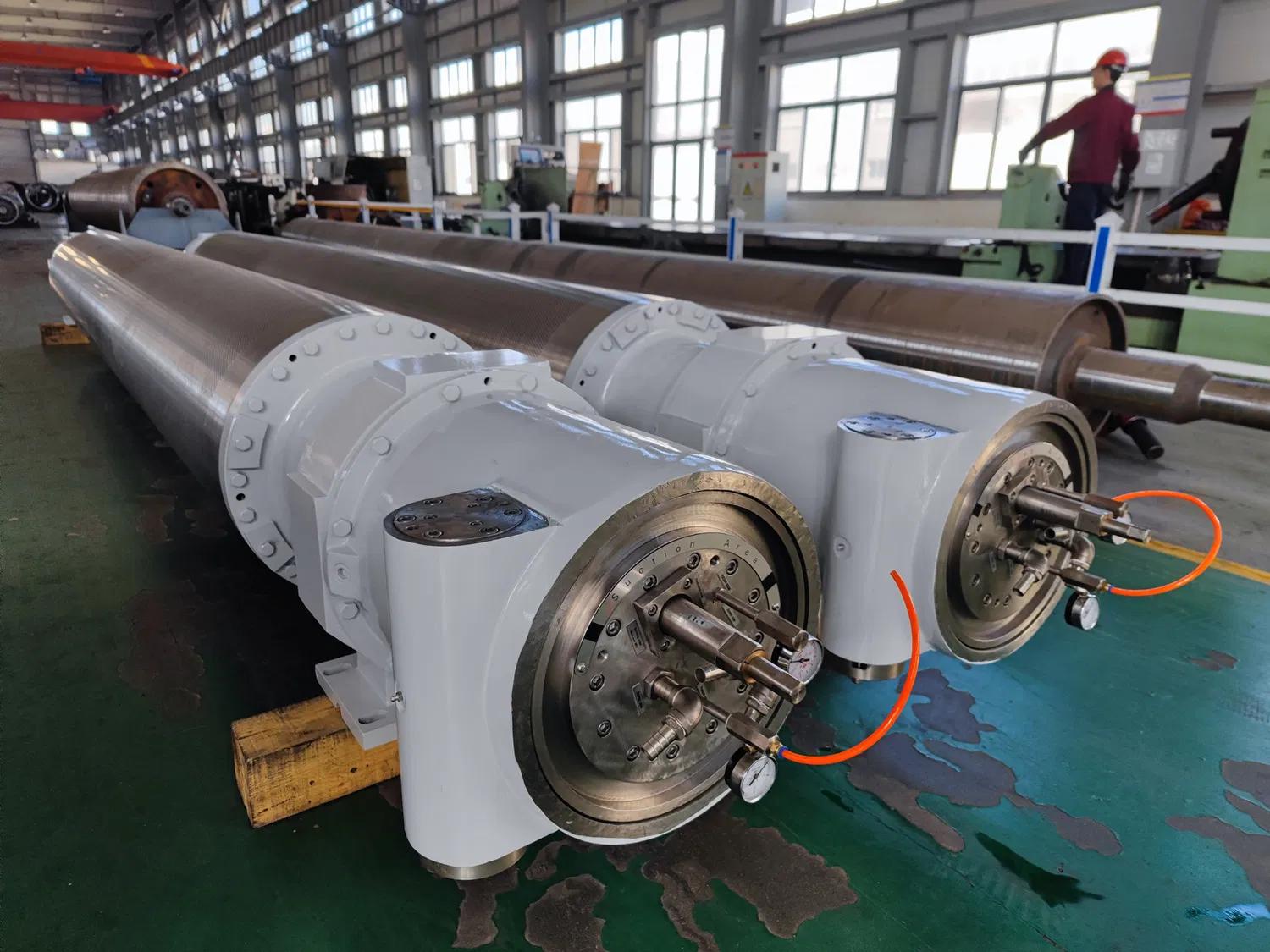
The Suction Press Roll is the powerhouse here. It consists of a perforated heavy metal shell, usually covered with rubber or polyurethane, with an internal vacuum box. As the paper web and a felt belt pass through the "nip" (the point where two rolls meet), the vacuum pulls water into the holes of the roll. Understanding suction press roll functions is vital for any mill operator because the efficiency of this roll directly impacts the steam consumption in the dryer section.
In addition to suction rolls, we often see Grooved Rolls (also known as Venta-Nip rolls) and Blind Drilled Rolls. These rolls have small grooves or holes on the surface that provide a place for the squeezed-out water to go. It’s worth noting that the choice between a suction roll and a grooved roll often depends on the specific grade of paper being produced and the speed of the machine.
The Importance of Roll Covers
I've found that the "skin" of the roll is just as important as the metal core. Roll covers are made from specialized materials like synthetic rubber, polyurethane, or even ceramic composites. These covers provide the necessary "give" or hardness required for the nip. A cover that is too hard might crush the paper fibers, while one that is too soft won't remove enough water. It’s a fascinating field of material science that keeps the industry moving forward.
The Heat: Dryer Section Felt and Guide Rolls
After the press section, the paper is finally strong enough to be handled, but it still contains about 50-60% water. Now, we enter the dryer section, the largest and most expensive part of the machine. While the big steam-heated cylinders (dryer cans) do the actual drying, they are supported by a network of smaller rolls that are equally important.
The Felt Rolls in the dryer section carry the "dryer felt," a heavy fabric that presses the paper web against the hot cylinders. These rolls must operate in a punishing environment of high heat and humidity. If a felt roll fails, the felt can lose tension, leading to poor heat transfer and "cockling" (wrinkling) of the paper. Interestingly enough, many modern machines use specialized coatings on these rolls to prevent the buildup of "stickies"—recycled adhesives and resins that can ruin the paper surface.
We also have Paper Leading Rolls, which guide the paper web between different dryer groups. These rolls must be perfectly aligned. Even a slight misalignment at high speeds can lead to "flutter," where the paper vibrates like a flag in the wind, eventually leading to a break. To be honest, chasing down the cause of paper flutter is one of the most frustrating tasks for a maintenance engineer.
The Finish: Calender Roll Applications and Reeling
The paper is now dry, but it’s likely a bit rough and bulky. To give it the desired smoothness, thickness (caliper), and gloss, it passes through the calender stack. This is where the types of rolls in paper machine finishing come into play. Calendering is essentially like ironing your clothes; it uses pressure and sometimes heat to flatten the fibers.
A typical calender stack consists of a King Roll at the bottom, which is the largest and heaviest, and several Queen Rolls and intermediate rolls above it. In high-end applications, we use Soft Nip Calenders, where one roll has a hard steel surface and the other has a resilient cover. This allows for smoothing without losing too much bulk. Calender roll applications vary wildly; for example, newsprint requires a different finish than high-gloss magazine paper or heavy-duty linerboard.
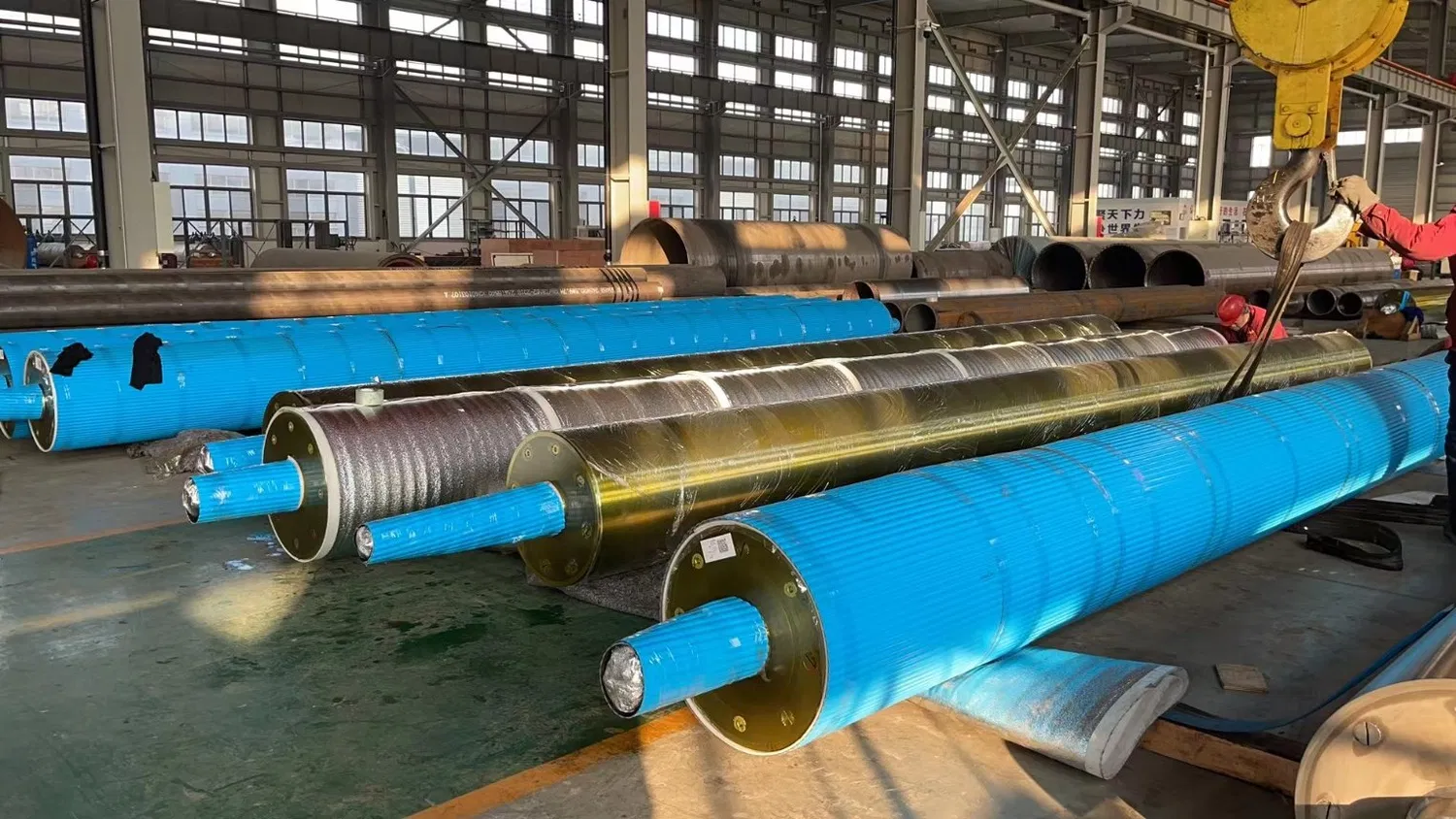
One of the most advanced rolls in this section is the Swimming Roll (or Controlled Crown Roll). Because long rolls tend to bend under their own weight or under high pressure, they wouldn't exert even pressure across the whole width of the paper. A swimming roll has an internal oil system that allows the operator to "bow" the roll slightly, ensuring a perfectly even nip pressure from edge to edge. It's a brilliant solution to a difficult physics problem.
The Final Step: The Reel Drum
The very last roll the paper touches on the machine is the Reel Drum (or Pope Reel). This roll drives the winding of the paper onto a steel core to create a "jumbo roll." It sounds simple, but winding a roll that weighs 30 tons and is 30 feet wide without creating wrinkles or "starring" is incredibly difficult. The reel drum must maintain constant nip pressure and torque as the jumbo roll grows in size. It’s the final handshake between the machine and the customer.
Keeping the Wheels Turning: Paper Machine Roll Maintenance
With all these rolls spinning at thousands of RPMs under tons of pressure, things are bound to wear out. This brings us to the critical topic of paper machine roll maintenance. I’ve found that a proactive maintenance schedule is the difference between a profitable mill and one that is constantly fighting fires. If a roll isn't maintained, it can lead to vibration, poor paper quality, and even catastrophic mechanical failure.
Maintenance involves several key processes:
- Roll Grinding: Over time, the surface of a roll (especially in the press or calender section) can become uneven. Precision grinding restores the perfect cylindrical shape or the specific "crown" required for operation.
- Dynamic Balancing: Even a tiny weight imbalance in a roll can cause massive vibrations at high speeds. Balancing is like getting the tires on your car balanced, but on a much larger and more precise scale.
- Bearing Inspection: The bearings that hold these rolls are massive and expensive. Monitoring them for heat and vibration can predict a failure weeks before it happens.
- Cover Recovering: When a rubber or polyurethane cover wears down or hardens, the roll must be sent back to a specialized facility to have the old cover stripped and a new one applied.
It's worth noting that the environment inside a paper machine is incredibly hostile. Chemicals, heat, and moisture are constantly attacking the equipment. Therefore, the materials used for the rolls—from stainless steel to specialized alloys—must be chosen with extreme care. Many experts agree that the move toward composite materials and ceramic covers has been a game-changer for roll longevity.
Conclusion
Wrapping things up, the variety of types of rolls in paper machine systems is a testament to over two centuries of industrial evolution. From the heavy-duty suction press rolls that muscle the water out of the pulp to the precision-engineered swimming rolls that give paper its final sheen, every roll plays a vital part in the process. It’s a world where millimeters matter and where the harmony of mechanical parts determines the quality of the product we use every day.
Whether you are an engineer, a student, or just someone curious about how things are made, I hope this deep dive has given you a new appreciation for the complexity of the paper machine. The next time you pick up a book or a cardboard box, take a second to think about the dozens of specialized rolls it had to pass over to get to you. It really is a feat of modern engineering, isn't it?
For more detailed information, please visit our official website:types of rolls in paper machine
About the author: Marcus Thorne is a veteran mechanical engineer with over 25 years of experience in the pulp and paper industry. Having worked in some of the largest mills across North America and Europe, Marcus specializes in roll geometry and nip dynamics. He currently serves as a senior consultant for industrial efficiency, helping mills optimize their "wet end" performance. When he isn't on the factory floor, Marcus enjoys restoring vintage machinery and writing about industrial history.