

To be honest, when you walk into a high-speed paper mill, the sheer scale of the machinery can be overwhelming. The noise, the heat, and the incredible speed at which a slurry of fibers transforms into a crisp reel of paper is nothing short of a modern miracle. At the center of this mechanical symphony are the paper machine rolls. These aren't just simple cylinders rotating on an axis; they are precision-engineered components that define the quality, strength, and finish of every sheet produced. If a single roll is out of alignment or its surface is compromised, the entire production line can grind to a costly halt.
In my experience, many operators focus heavily on the chemical side of papermaking—the pulp consistency and the additives—while sometimes overlooking the mechanical nuances of the rolls themselves. Have you ever wondered how a machine can maintain uniform thickness across a web that is ten meters wide while moving at 2,000 meters per minute? The answer lies in the sophisticated design and maintenance of these industrial workhorses. In this guide, we will dive deep into the world of rolls, exploring their types, the science behind their covers, and how to keep them running at peak efficiency.
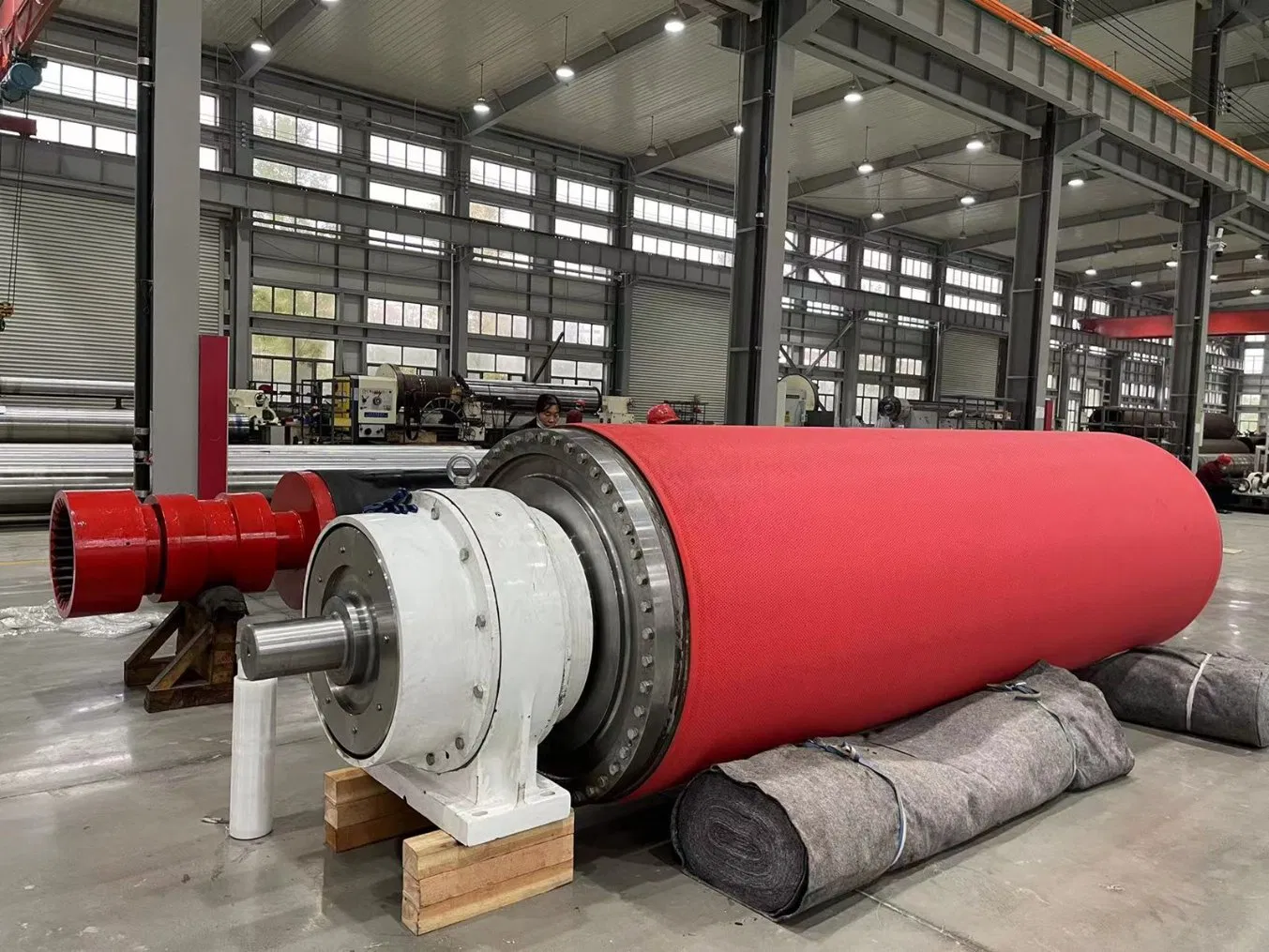
The Diverse World of Paper Machine Rolls
It’s worth noting that a single paper machine can contain dozens, if not hundreds, of different rolls, each serving a unique purpose. From the forming section to the final reel, these components handle varying levels of pressure, moisture, and temperature. Broadly speaking, we can categorize them by their function within the machine. For instance, wire-turning rolls and breast rolls are essential in the forming section, where the initial fiber mat is created. These rolls must resist corrosion and provide a stable surface for the forming fabric.
As we move into the press section, the demands change significantly. Here, the goal is to squeeze as much water as possible out of the web before it hits the dryers. This is where suction press rolls come into play. These specialized paper machine rolls feature thousands of small holes and an internal vacuum box to pull water away from the felt. Interestingly enough, the engineering required to balance a suction roll—which is essentially a giant, perforated straw—at high speeds is incredibly complex. If the internal seals or the shell itself are not perfectly maintained, you lose vacuum pressure, which directly translates to higher energy costs in the drying section.
The Role of the Press Section
The press section is arguably the most critical area for energy efficiency. Every percentage point of dryness gained here saves a massive amount of steam in the dryers. This is why many mills are investing in advanced paper machine roll covers made of high-performance polyurethane. These covers provide the necessary "nip" or contact area to maximize water removal without crushing the delicate fiber structure. I've found that switching from traditional rubber covers to modern composites can often result in a noticeable increase in machine speed and a reduction in sheet breaks.
The Science of Paper Machine Roll Covers
Frankly speaking, the "skin" of the roll is just as important as its "bones." The base metal—usually steel, cast iron, or stainless steel—provides the structural integrity, but the cover determines how the roll interacts with the paper web. Over the years, the materials used for these covers have evolved from simple natural rubber to complex synthetic polymers and even ceramic coatings. The choice of cover material depends on several factors: the operating temperature, the chemical environment, and the required hardness (measured in P&J or Shore A).
Why does the cover matter so much? Imagine a calender roll that is too soft; it won't provide the necessary smoothness to the paper. Conversely, a cover that is too hard might cause "barring" or vibration patterns that ruin the paper's surface. Many experts agree that the transition to polyurethane was a game-changer for the industry. Polyurethane covers offer superior abrasion resistance and can be engineered with specific "void volumes" (grooves or blind-drilled holes) to help manage the water expressed during the pressing process. This level of customization is what allows modern mills to push the boundaries of production speed.
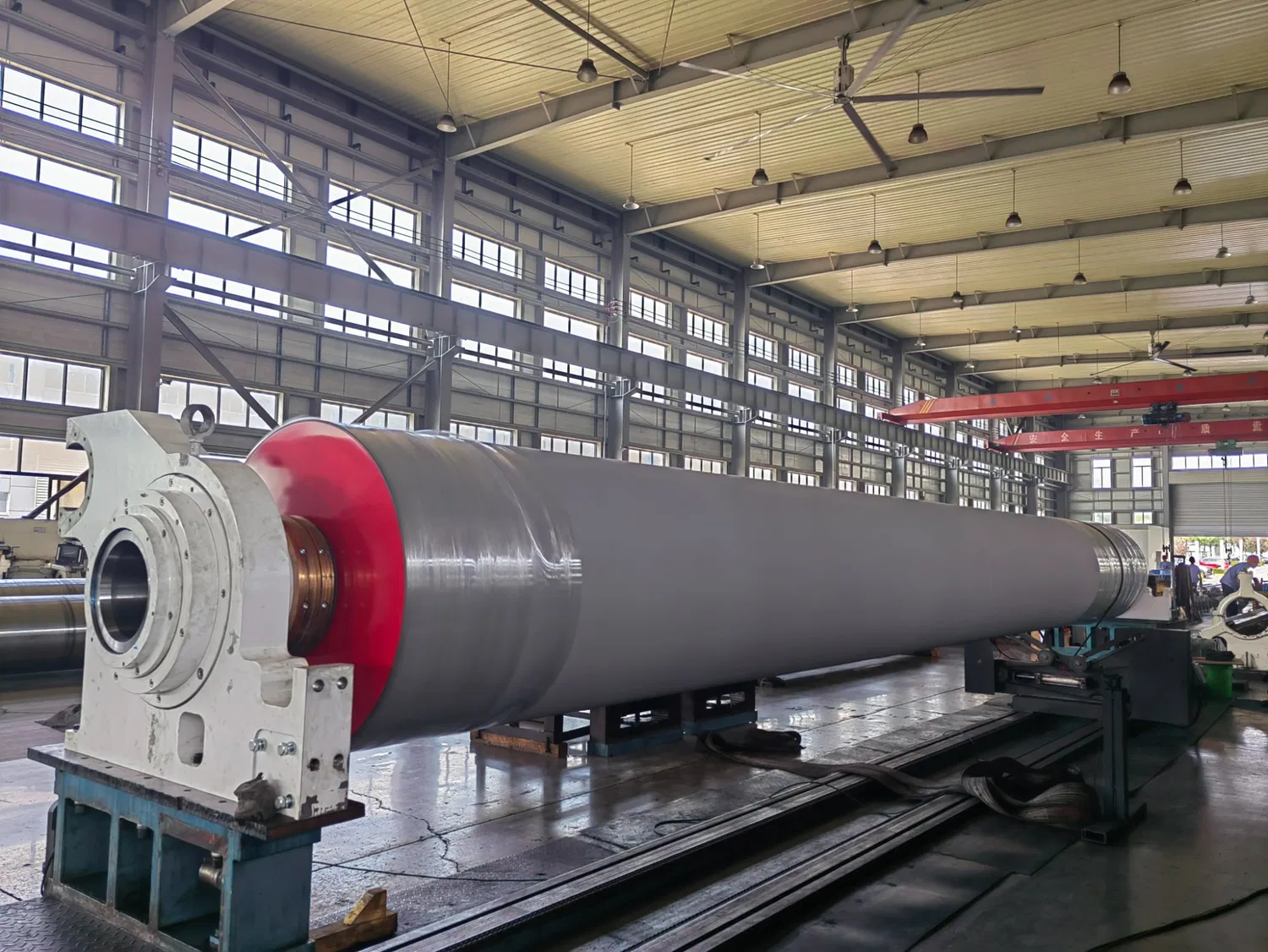
Maximizing Efficiency through Calender Roll Optimization
Once the paper is dry, it needs to be finished. This is the job of the calender stack. The process of calender roll optimization involves fine-tuning the temperature and pressure applied to the web to achieve the desired gloss, smoothness, and caliper (thickness). It’s a delicate balancing act. If the rolls are too hot, you risk "blackening" the paper; if they aren't hot enough, the surface will remain rough and unprintable.
In my experience, one of the biggest challenges in calendering is maintaining a uniform temperature across the entire width of the roll. Modern "smart" rolls now feature internal heating elements or induction heating systems that can adjust the temperature in specific zones. This allows operators to correct for "thin spots" in the paper web in real-time. It’s truly fascinating to see how digital control systems can manipulate the physical properties of a massive steel roll to ensure a perfect finish. When you achieve optimal calender roll optimization, the result is a premium product that commands a higher price in the market.
Maintenance Strategies for Longevity
Let’s talk about the elephant in the room: maintenance. No matter how high-quality your paper machine rolls are, they will eventually wear out. The key is to manage that wear through a proactive maintenance program rather than waiting for a catastrophic failure. One of the most critical aspects of this is suction roll maintenance. Because these rolls operate in a wet, high-pressure environment, they are prone to internal scale buildup, bearing wear, and shell fatigue.
- Regular Grinding: Over time, rolls develop wear patterns or lose their "crown" (the slight curve engineered into the roll to compensate for deflection under load). Regular precision grinding is essential to restore the correct profile.
- Vibration Analysis: Using sensors to monitor the vibration "signature" of a roll can help identify bearing failures or balance issues weeks before they become critical.
- Cover Inspection: Checking for delamination, cracking, or chemical degradation of the roll cover is vital. A small crack in a cover can quickly lead to a "blowout," which can damage the surrounding machinery.
- Internal Cleaning: For suction rolls, ensuring the internal vacuum box and the spray pipes are clean is a cornerstone of effective suction roll maintenance.
I've often seen mills try to extend the interval between maintenance shutdowns to save money in the short term. However, this almost always backfires. A roll that fails mid-run doesn't just stop production; it can damage expensive wires and felts, leading to losses that far exceed the cost of a planned maintenance stop. It’s worth noting that a well-maintained roll can last for decades, while a neglected one might fail in just a few years.
Troubleshooting and Common Challenges
Even with the best maintenance, problems can arise. One of the most frustrating issues operators face is "barring." This refers to rhythmic marks or patterns that appear on the paper, often caused by vibrations in the roll stack. These vibrations can stem from a variety of sources: a slightly out-of-round roll, a worn bearing, or even a resonance issue within the machine frame itself. To be honest, diagnosing barring can feel like detective work. It often requires high-speed cameras and sophisticated frequency analysis to pinpoint the culprit.
Another common challenge is "doctor blade" wear. Doctor blades are used to scrape debris off the surface of the rolls. If the blade is not aligned correctly, or if the material is too abrasive, it can score the surface of the paper machine rolls, leading to permanent damage. I’ve found that using composite doctor blades that are specifically matched to the roll cover material can significantly extend the life of both components. Have you checked your doctor blade pressure lately? It’s a small detail that makes a massive difference.
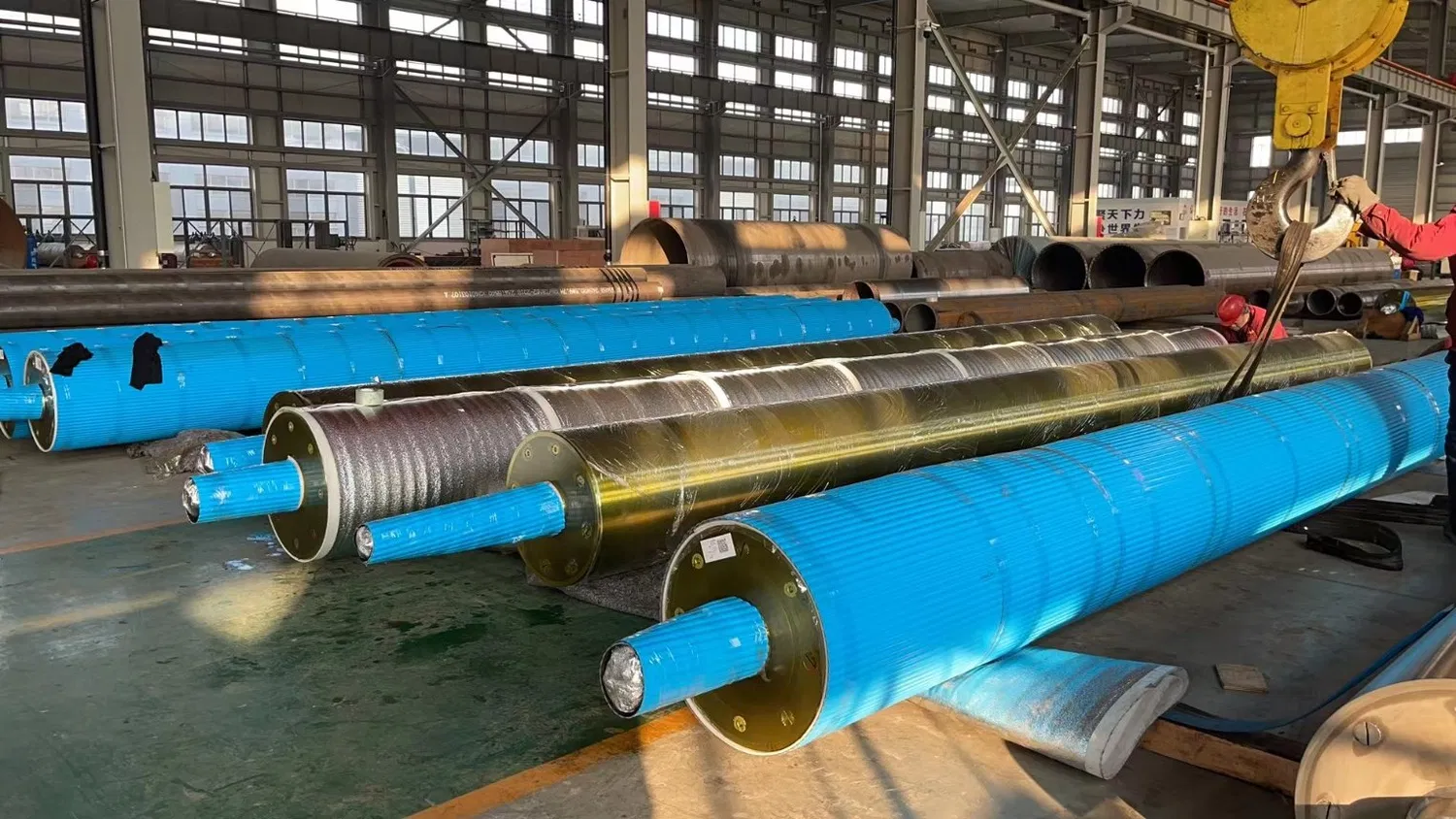
The Future of Roll Technology
As we look toward the future, the technology behind paper machine rolls continues to evolve. We are seeing the rise of "Industry 4.0" in the paper mill, where rolls are equipped with embedded sensors that transmit data on temperature, pressure, and vibration directly to the cloud. This allows for "predictive maintenance," where the machine itself tells you when a part is about to fail. This level of insight was unimaginable just twenty years ago.
Furthermore, the development of new nanomaterials for paper machine roll covers promises even greater durability and better release properties, reducing the need for chemical cleaning agents. This not only improves efficiency but also makes the papermaking process more sustainable. In my experience, the mills that embrace these technological shifts are the ones that will remain competitive in an increasingly demanding global market.
In conclusion, while they might seem like simple rotating cylinders, rolls are the backbone of the paper industry. By understanding the different types of rolls, investing in high-quality covers, and committing to a rigorous maintenance schedule, mills can ensure high-quality production and long-term profitability. Whether you are dealing with suction roll maintenance or fine-tuning your finishing process, remember that the health of your rolls is the health of your mill.
For more detailed information, please visit our official website:paper machine rolls
About the author: Arthur V. Sterling is a senior mechanical engineer with over 25 years of experience in the pulp and paper industry. Specializing in rotating equipment and roll metallurgy, Arthur has consulted for major mills across North America and Europe, helping them optimize their press sections and extend component lifecycles. He is a frequent speaker at industrial engineering conferences and is passionate about integrating smart sensor technology into traditional papermaking processes to drive sustainable manufacturing.