

In the high-stakes world of paper manufacturing, every second of uptime and every percentage point of dewatering efficiency counts toward the bottom line. If you have been working in a paper mill for any length of time, you know that the press section is where the real magic—or the real headache—happens. At the heart of this section lies a critical component: the blind hole press roll. Choosing a reliable blind hole press roll supplier is not just a procurement task; it is a strategic decision that affects your machine's speed, paper quality, and energy consumption. To be honest, many mill managers overlook the nuances of roll engineering until something goes wrong, but by then, the cost of downtime has already started to climb.
Have you ever wondered why some press rolls seem to lose their dewatering efficiency much faster than others, even when they look identical on the surface? The answer often lies in the precision of the drilling, the quality of the cover material, and the engineering expertise of the manufacturer. In this comprehensive guide, we will dive deep into what makes these rolls essential, what you should look for in a supplier, and how to ensure your investment pays off in the long run.
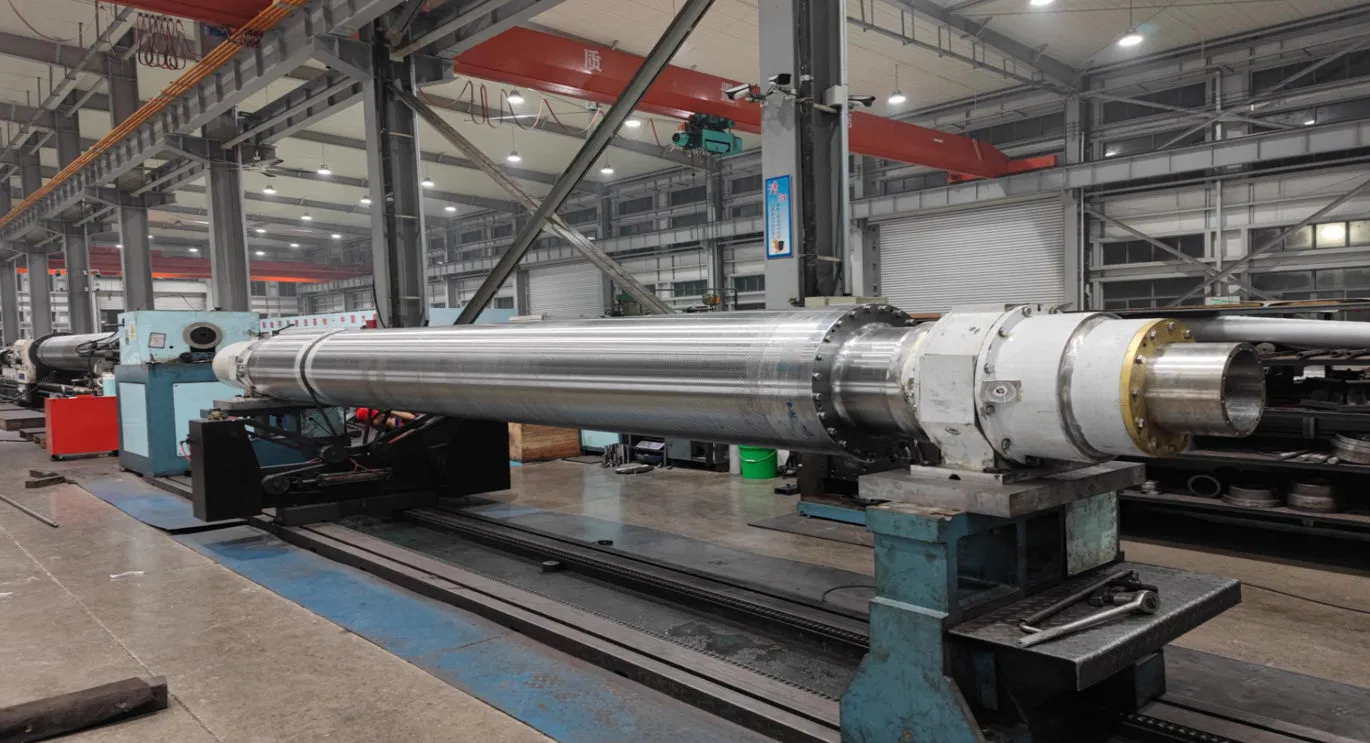
Understanding the Role of Blind Hole Press Rolls in Modern Papermaking
Before we get into the nitty-gritty of selecting a blind hole press roll supplier, it is worth noting why these specific rolls are so vital. Unlike suction rolls, which use a vacuum to pull water from the paper web, blind hole rolls rely on mechanical pressure and the storage capacity of the holes themselves. As the paper web passes through the nip, water is squeezed out and temporarily stored in the "blind" holes—holes that do not go all the way through the roll shell. Once the roll rotates past the nip, centrifugal force and specialized cleaning doctors help clear the water from the holes, preparing them for the next revolution.
Interestingly enough, the design of these holes is a feat of precision engineering. The diameter, depth, and spacing (often referred to as the "open area") must be perfectly balanced. If the holes are too shallow, they won't hold enough water; if they are too deep or too close together, the structural integrity of the roll cover might be compromised. I've found that the best suppliers use advanced computer modeling to determine the optimal hole pattern for your specific machine speed and paper grade. This level of customization is what separates a mediocre roll from a high-performance one.
Furthermore, the material of the roll cover—whether it is a specialized rubber compound or a high-tech polyurethane—plays a massive role in how the blind holes perform. A top-tier blind hole press roll supplier will offer a variety of cover options tailored to resist chemicals, heat, and the intense mechanical stresses of the press section. Frankly speaking, if your supplier is offering a "one-size-fits-all" solution, it might be time to look elsewhere.
Key Criteria for Evaluating a Blind Hole Press Roll Supplier
When you are in the market for new rolls or looking to recover existing ones, the sheer number of vendors can be overwhelming. However, not all suppliers are created equal. In my experience, the most successful partnerships between mills and suppliers are built on technical transparency and a proven track record. Here are the non-negotiable factors you should consider:
- Engineering Expertise and Customization: Does the supplier understand your specific paper grade? A roll designed for tissue paper has vastly different requirements than one designed for heavy linerboard. Look for a supplier that asks detailed questions about your machine's operating parameters.
- Material Science Capabilities: The cover is the most vulnerable part of the roll. Ensure your blind hole press roll supplier uses high-grade synthetic materials that offer excellent abrasion resistance and "void volume" stability over time.
- Precision Drilling Technology: The consistency of the hole pattern is crucial for an even moisture profile across the paper web. Ask about their drilling equipment—CNC-controlled multi-spindle drills are the industry standard for ensuring every hole is exactly where it should be.
- Quality Control and Testing: A reputable supplier should provide detailed reports on dynamic balancing, surface roughness, and hardness testing. You don't want to find out a roll is out of balance when it's already spinning at 1,000 meters per minute on your machine.
Many experts agree that the "total cost of ownership" is a much better metric than the initial purchase price. A cheaper roll that requires more frequent grinding or causes uneven paper quality will eventually cost you far more than a premium roll from a specialized blind hole press roll supplier. It’s about the long game, and in the paper industry, the long game is all about reliability.
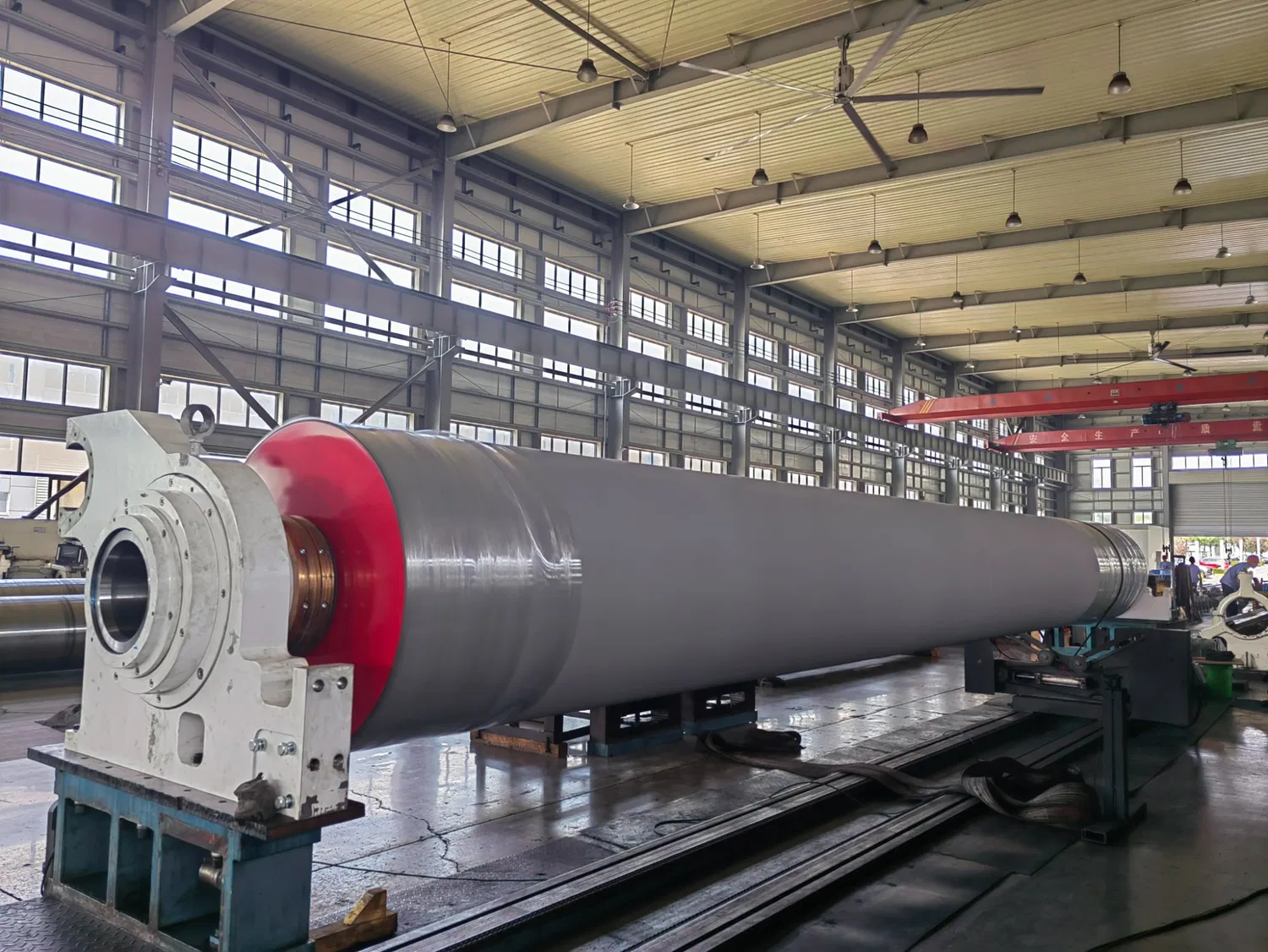
The Importance of High-Performance Paper Mill Rolls for Dewatering
The primary goal of the press section is to remove as much water as possible before the paper enters the dryer section. Why? Because removing water mechanically in the press is significantly cheaper than evaporating it with steam in the dryers. This is where high-performance paper mill rolls truly shine. By maximizing the "void volume" (the total space available in the holes to hold water), a well-designed blind hole roll can significantly increase the dryness of the sheet leaving the press.
I've seen mills increase their production speeds by 5-10% simply by upgrading their press rolls to a more efficient hole configuration. It's also worth noting that better dewatering leads to a stronger paper web, which reduces the frequency of sheet breaks. This ripple effect of efficiency is why choosing the right blind hole press roll supplier is so impactful. They aren't just selling you a piece of equipment; they are selling you the ability to run your machine faster and more reliably.
To be honest, the transition from older grooved rolls to modern blind hole rolls (or a combination of both) has been a game-changer for many facilities. Blind holes offer a more uniform pressure distribution than grooves, which helps in preventing "shadow marking" on the paper surface. If you are producing high-quality printing papers or specialty grades, the surface finish provided by a precision-engineered blind hole roll is indispensable.
Maintenance and Industrial Roll Maintenance Services
Even the best roll from the most prestigious blind hole press roll supplier will eventually need maintenance. The harsh environment of a paper mill—filled with heat, moisture, and chemicals—takes its toll. This is why you should look for a supplier that also offers comprehensive industrial roll maintenance services. A roll is an asset that needs to be managed throughout its entire lifecycle.
Regular maintenance typically involves grinding the surface to restore the proper crown and roughness, as well as cleaning the blind holes to ensure they aren't clogged with fiber or chemical deposits. Interestingly enough, many mills are now moving toward "predictive maintenance," where sensors are used to monitor roll vibration and temperature in real-time. A forward-thinking supplier will be able to help you interpret this data to schedule maintenance before a failure occurs.
Common Troubleshooting Steps for Press Rolls
If you notice a sudden change in your paper's moisture profile or an increase in vibration, it’s time to investigate. Here are a few things I've found that often go wrong:
- Hole Plugging: If the cleaning showers aren't working correctly, the blind holes can fill with debris, reducing dewatering capacity.
- Cover Delamination: This is a nightmare scenario where the cover starts to peel away from the metal shell, often due to excessive heat or chemical attack.
- Uneven Wear: If the roll is not crowned correctly for the operating pressure, it will wear unevenly, leading to "wet streaks" in the paper.
Working with a blind hole press roll supplier that offers rapid-response repair services can save you days of lost production. When a roll fails, you don't just need a repair; you need an analysis of *why* it failed so you can prevent it from happening again.
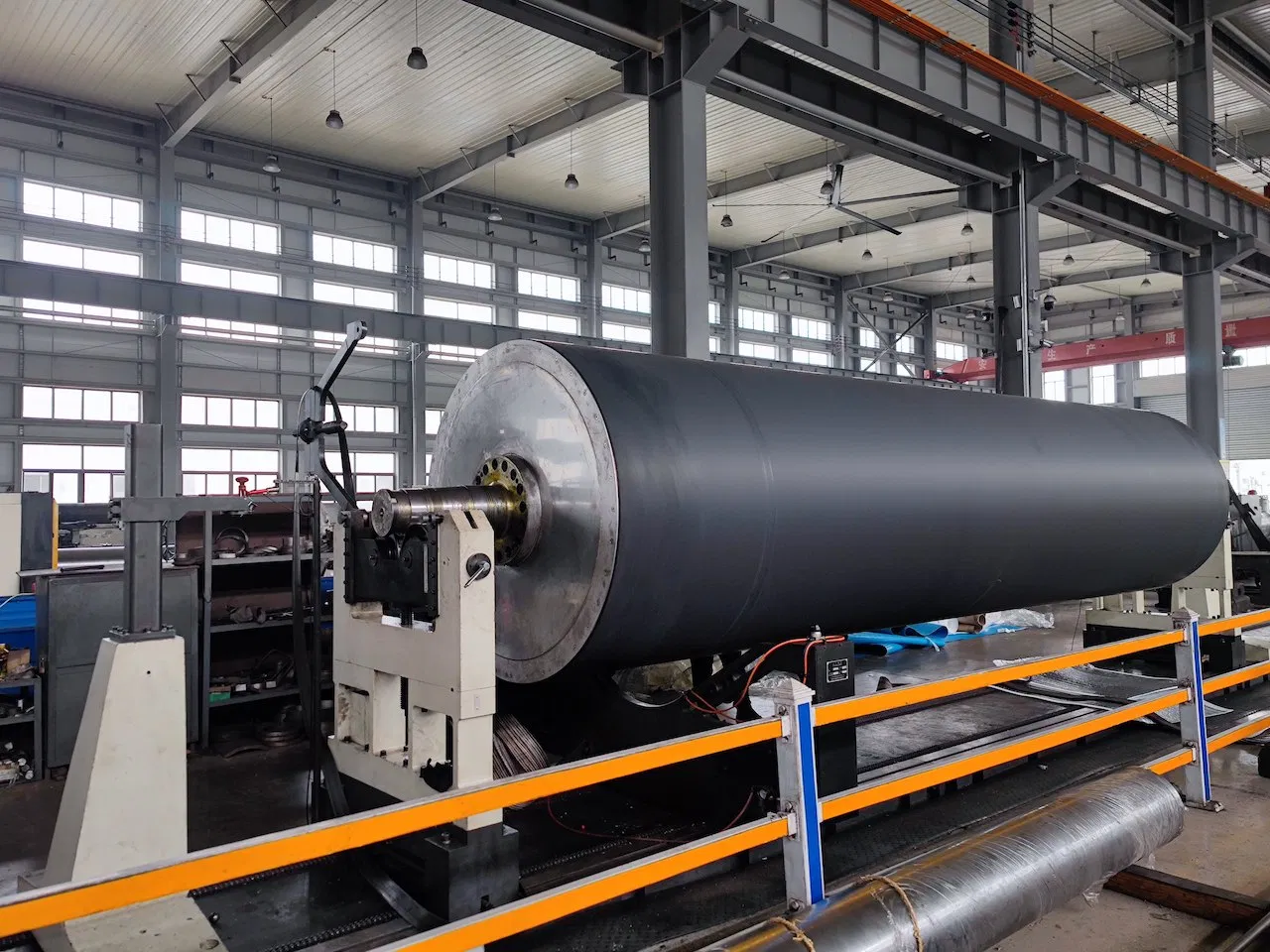
Innovations and Future Trends in Press Roll Technology
The paper industry might be old, but it is certainly not stagnant. We are currently seeing some incredible innovations in roll technology. For instance, some suppliers are now experimenting with "smart rolls" that have fiber-optic sensors embedded directly into the cover. These sensors can measure nip pressure and temperature across the entire width of the machine in real-time. Imagine the level of control you could have over your paper quality with that kind of data!
Additionally, the push for sustainability is driving the development of new cover materials that have a lower carbon footprint and are easier to recycle. A leading blind hole press roll supplier will be at the forefront of these developments, helping your mill stay competitive in a changing market. Frankly speaking, the mills that embrace these technologies early are the ones that will thrive in the coming decade.
Another trend is the optimization of "multi-functional" surfaces, where a single roll might feature a combination of grooves and blind holes to handle extreme water loads. This hybrid approach allows for the benefits of both designs, providing maximum dewatering while maintaining excellent sheet quality. It's a complex engineering challenge, but that's exactly why your choice of supplier matters so much.
Conclusion: Building a Partnership for Success
In conclusion, finding the right blind hole press roll supplier is about more than just comparing quotes. It is about finding a partner who understands the intricacies of your process, the science of dewatering, and the importance of long-term maintenance. From the precision of the drilling to the durability of the cover material, every detail plays a role in your mill's overall efficiency.
I've found that the most successful mills are those that view their suppliers as an extension of their own engineering team. By choosing a supplier that offers high-performance paper mill rolls and robust industrial roll maintenance services, you are investing in the future of your facility. Don't settle for "good enough" when it comes to your press section. Demand precision, demand quality, and demand a supplier that stands behind their work.
Are you ready to take your press section to the next level? Start by evaluating your current roll performance and reaching out to a specialist who can help you optimize your configuration. The path to higher efficiency and better paper quality starts with a single, well-engineered roll.
For more detailed information, please visit our official website:blind hole press roll supplier
About the author: Robert Sterling is a senior mechanical engineer with over 25 years of experience in the pulp and paper industry. Specializing in press section optimization and roll manufacturing, Robert has consulted for major mills across North America and Europe. His expertise lies in material science and precision dewatering techniques. When he isn't troubleshooting machine profiles, Robert enjoys writing about industrial innovations and mentoring the next generation of paper engineers.