

In the world of paper manufacturing, the quest for flawless surface quality is relentless. Every sheet of paper—whether destined for high-end printing, packaging, or specialty applications—must meet exacting standards of smoothness, uniformity, and durability. At the heart of this pursuit lies a seemingly simple yet profoundly impactful component: natural stone rolls. These rolls, often crafted from granite or other dense natural stones, play a pivotal role in the calendering process, where raw paper is transformed into a refined, high-quality product. But how exactly do they contribute to optimizing paper surface quality? And why have they remained a cornerstone of paper manufacturing for decades?
Understanding the Calendering Process: Where Natural Stone Rolls Shine
Before diving into the specifics of natural stone rolls, it’s essential to grasp the calendering process itself. Calendering is a finishing technique where paper passes through a series of rolls under controlled pressure and temperature. The goal? To compress the paper fibers, reduce thickness variations, and enhance surface smoothness. While modern calendering machines may incorporate synthetic or metal rolls, natural stone rolls—particularly those made from granite—offer unique advantages that synthetic alternatives struggle to match.
Interestingly enough, the choice of roll material directly influences the final paper quality. Natural stone rolls, with their inherent density and thermal stability, provide a consistent and precise surface for calendering. Unlike metal rolls, which can deform under high pressure or temperature fluctuations, granite rolls maintain their shape and performance over extended periods. This stability is crucial for achieving uniform smoothness across large paper batches, a non-negotiable requirement in industries like commercial printing and packaging.
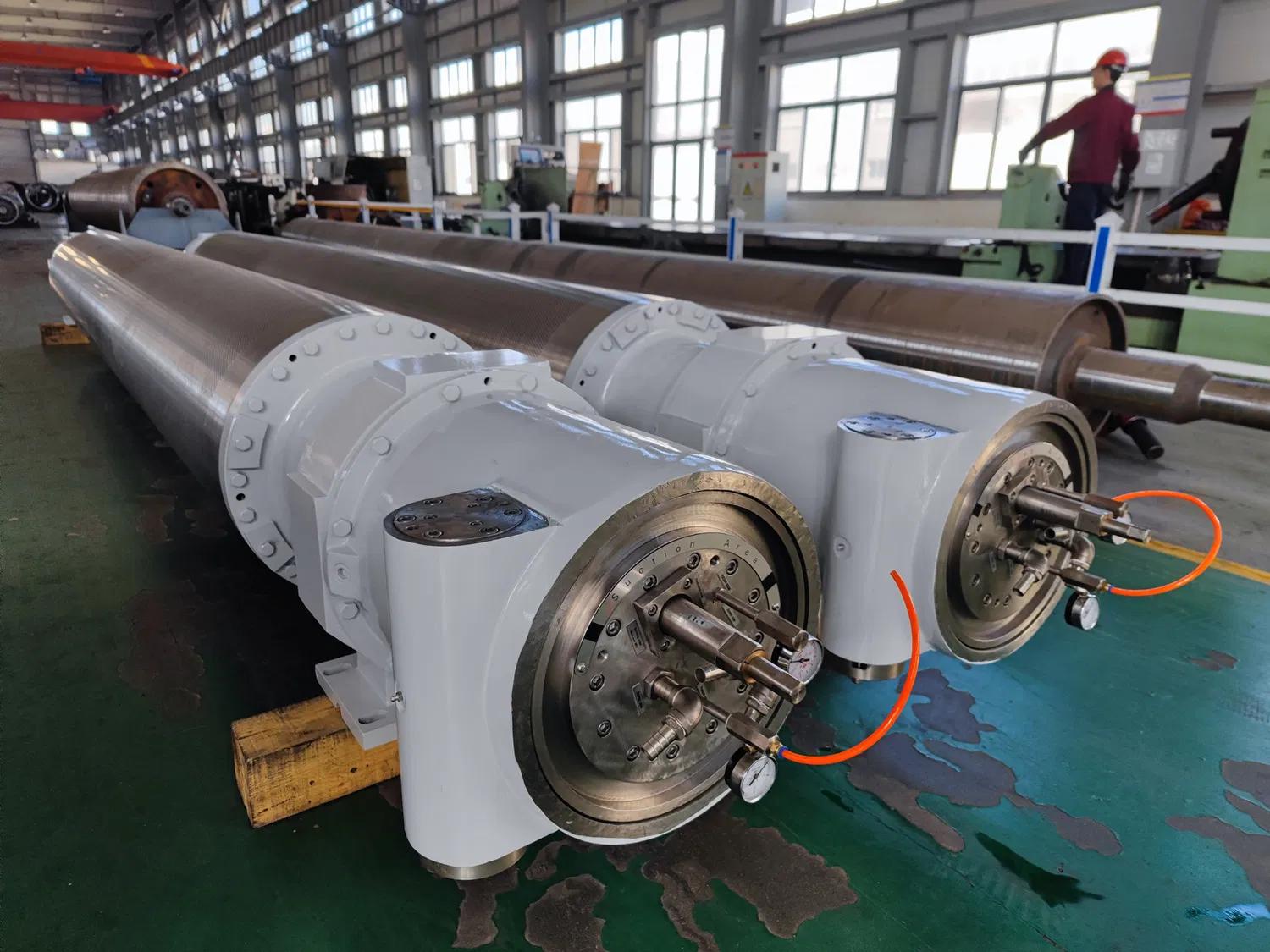
The Science Behind Natural Stone Rolls: Why Granite Dominates
Not all natural stones are created equal when it comes to calendering. Granite, in particular, has emerged as the material of choice for high-performance natural stone rolls. But what makes granite so special? The answer lies in its physical and chemical properties.
Density and Hardness
Granite is an igneous rock composed primarily of quartz, feldspar, and mica. Its dense, crystalline structure gives it exceptional hardness—typically ranking between 6 and 7 on the Mohs scale. This hardness ensures that the roll surface resists wear and abrasion, even when subjected to the high pressures and speeds of modern calendering machines. In contrast, softer stones or synthetic materials may develop micro-scratches or grooves over time, compromising paper surface quality.
Thermal Stability
Calendering often involves elevated temperatures to soften paper fibers and enhance smoothness. Granite’s low thermal expansion coefficient means it remains dimensionally stable even under heat, preventing warping or uneven pressure distribution. This stability is critical for maintaining consistent paper thickness and surface finish, especially in high-speed production environments.
Surface Finish and Micro-Texture
The surface of a natural stone roll isn’t perfectly smooth—it retains a subtle micro-texture that interacts with paper fibers in a controlled manner. This texture helps to "iron out" imperfections without over-compressing the paper, striking a balance between smoothness and bulk retention. Synthetic rolls, while smooth, may lack this nuanced interaction, leading to either overly glossy or insufficiently refined surfaces.
To be honest, the science behind granite’s superiority isn’t just theoretical. Many paper mills have conducted side-by-side comparisons, pitting natural stone rolls against their synthetic counterparts. The results? Granite consistently delivers superior smoothness, reduced fiber damage, and longer roll life—factors that directly translate to higher-quality paper and lower operational costs.
Optimizing Paper Surface Quality: Key Benefits of Natural Stone Rolls
The role of natural stone rolls extends far beyond mere durability. Their impact on paper surface quality is multifaceted, influencing everything from printability to end-user satisfaction. Here’s how they make a difference:
- Enhanced Smoothness: The primary function of calendering is to smooth the paper surface, and natural stone rolls excel in this regard. Their dense, micro-textured surface compresses fibers evenly, eliminating rough spots and creating a uniform finish. This smoothness is particularly critical for high-resolution printing, where even minor imperfections can lead to ink bleeding or poor image clarity.
- Improved Printability: A smooth paper surface isn’t just about aesthetics—it directly affects how ink adheres to the sheet. Natural stone rolls help create a surface that absorbs ink uniformly, reducing issues like mottling or uneven color distribution. For printers, this means sharper images, crisper text, and fewer rejected sheets due to poor print quality.
- Consistent Thickness and Bulk: One of the challenges in paper manufacturing is maintaining consistent thickness across the entire sheet. Natural stone rolls, with their thermal stability and uniform pressure distribution, help minimize variations in caliper (paper thickness). This consistency is vital for applications like bookbinding or packaging, where precise dimensions are non-negotiable.
- Reduced Fiber Damage: Unlike metal rolls, which can be overly aggressive, natural stone rolls apply pressure in a more controlled manner. This gentler approach minimizes fiber damage, preserving the paper’s strength and flexibility. The result? Paper that resists tearing, creasing, or delaminating during subsequent processing or use.
- Long-Term Cost Efficiency: While natural stone rolls may require a higher upfront investment, their longevity and performance often lead to lower total cost of ownership. Their resistance to wear means fewer roll changes, reduced downtime, and less frequent maintenance—all of which contribute to a more efficient and cost-effective production line.
It’s worth noting that these benefits aren’t just theoretical. In practice, paper mills that switch to natural stone rolls often report measurable improvements in key quality metrics, such as Parker Print Surf (PPS) roughness and Sheffield smoothness. These improvements, in turn, open doors to higher-value markets where premium paper quality commands premium prices.
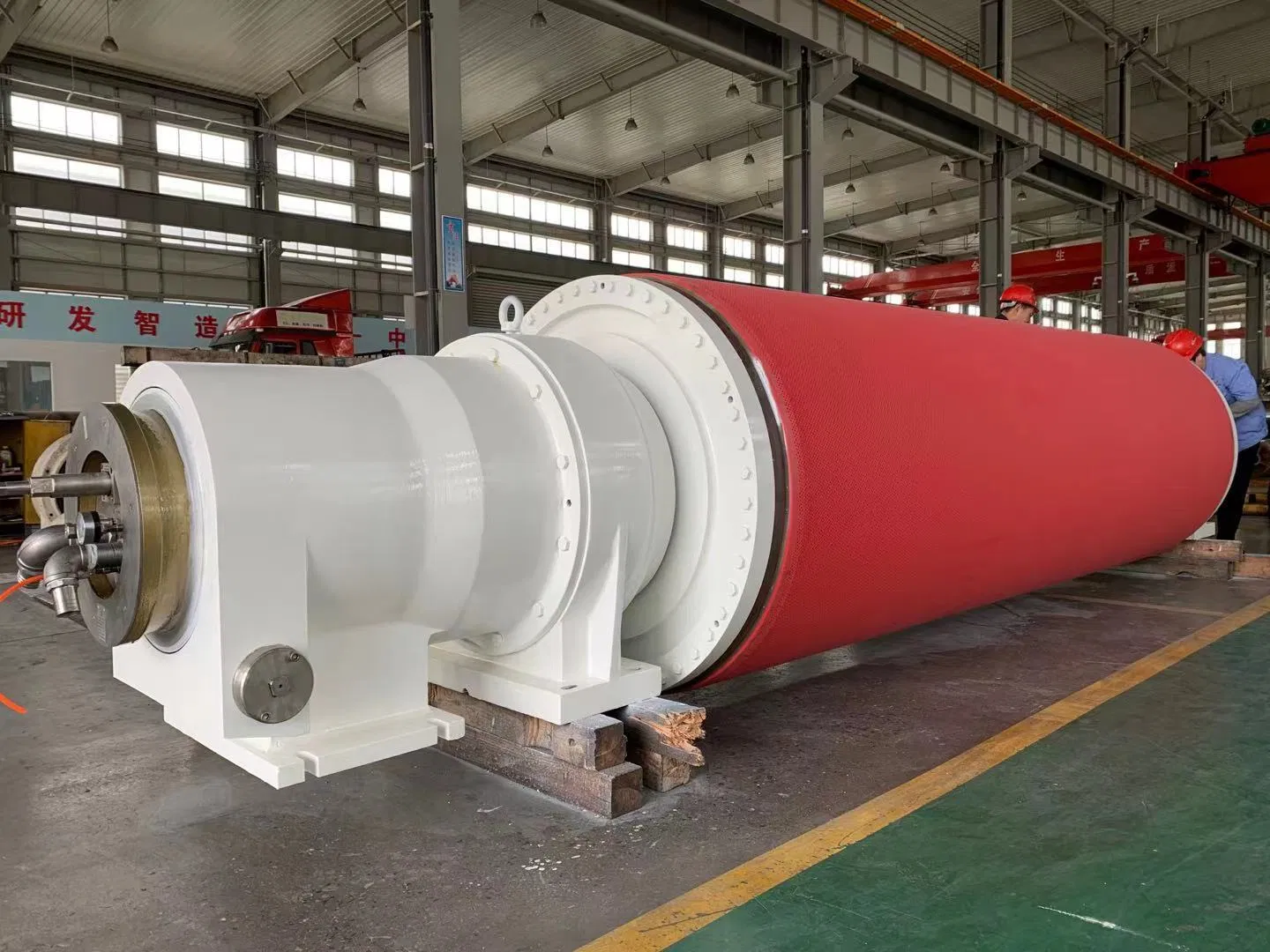
Challenges and Considerations in Using Natural Stone Rolls
Despite their advantages, natural stone rolls aren’t without challenges. Understanding these limitations is crucial for manufacturers looking to optimize their calendering processes.
Initial Cost and Lead Time
Natural stone rolls, particularly those made from high-quality granite, can be more expensive than synthetic alternatives. Additionally, their production involves quarrying, cutting, and precision machining, which can lead to longer lead times. For paper mills operating on tight budgets or schedules, this upfront investment may pose a hurdle. However, as many experts agree, the long-term benefits often justify the initial cost.
Maintenance and Reconditioning
While natural stone rolls are durable, they aren’t indestructible. Over time, their surfaces can develop wear patterns or minor imperfections that affect performance. Regular maintenance, such as polishing or regrinding, is essential to keep them in optimal condition. Fortunately, advances in roll reconditioning technology have made this process more efficient and cost-effective than ever before.
Compatibility with Modern Calendering Machines
Modern calendering machines are designed for high speeds and precise control, which can sometimes clash with the characteristics of natural stone rolls. For instance, granite’s weight can place additional stress on machine bearings and frames, requiring careful engineering to ensure compatibility. That said, many machine manufacturers now offer solutions specifically tailored to natural stone rolls, mitigating these concerns.
In my experience, the key to overcoming these challenges lies in partnering with a reputable roll supplier. A knowledgeable supplier can provide guidance on roll selection, maintenance, and integration, ensuring that the benefits of natural stone rolls far outweigh any drawbacks.
Innovations and Future Trends in Natural Stone Roll Technology
The paper manufacturing industry is no stranger to innovation, and natural stone rolls are no exception. Recent advancements are pushing the boundaries of what these rolls can achieve, further solidifying their role in optimizing paper surface quality.
Hybrid Roll Designs
One exciting development is the emergence of hybrid rolls that combine natural stone with synthetic materials. These rolls aim to leverage the best of both worlds: the durability and thermal stability of granite, paired with the flexibility and cost-effectiveness of synthetics. Early results suggest that hybrid rolls can deliver performance comparable to pure natural stone rolls while reducing weight and cost.
Precision Machining and Surface Engineering
Advances in CNC machining and laser texturing are enabling manufacturers to create natural stone rolls with unprecedented precision. Custom surface patterns can now be engineered to optimize fiber compression, ink absorption, or even water resistance. This level of customization allows paper mills to tailor their calendering processes to specific end-use requirements, whether for glossy magazine paper or durable packaging.
Sustainability and Eco-Friendly Practices
As sustainability becomes a priority for the paper industry, natural stone rolls offer an eco-friendly advantage. Granite is a naturally occurring material that requires minimal processing compared to synthetic alternatives. Additionally, its longevity reduces the need for frequent replacements, lowering the overall environmental footprint. Some suppliers are even exploring ways to repurpose used stone rolls, further enhancing their sustainability credentials.
Looking ahead, it’s clear that natural stone rolls will continue to play a vital role in paper manufacturing. Their unique properties, combined with ongoing innovations, ensure that they remain a go-to solution for optimizing paper surface quality. For manufacturers committed to delivering the highest-quality paper, investing in natural stone rolls isn’t just a choice—it’s a strategic imperative.
For more detailed information, please visit our official website:natural stone rolls
About the author: Dr. Elena Carter is a materials engineer and paper technology specialist with over 15 years of experience in the pulp and paper industry. She holds a Ph.D. in Chemical Engineering from the University of Manchester and has published extensively on calendering processes and roll materials. Currently, Dr. Carter serves as a senior consultant for leading paper manufacturers, helping them optimize production lines for superior surface quality. When not in the lab, she enjoys hiking and exploring the geological formations that inspire her work.