

Let’s be honest—roll misalignment is the silent killer of paper machine efficiency. You might not notice it at first, but over time, even the slightest deviation can lead to uneven sheet formation, increased downtime, and skyrocketing production costs. The question is: How do you catch these issues before they spiral out of control? In this guide, we’ll walk you through a 7-point audit designed to help you optimize your paper machine in 2025 by identifying roll misalignment early—before it sabotages your sheet quality.
Interestingly enough, many mills still rely on reactive maintenance, waiting for visible defects to appear before taking action. But in 2025, that approach simply won’t cut it. With tighter quality standards and higher production demands, proactive audits are no longer optional—they’re essential. So, where do you start?
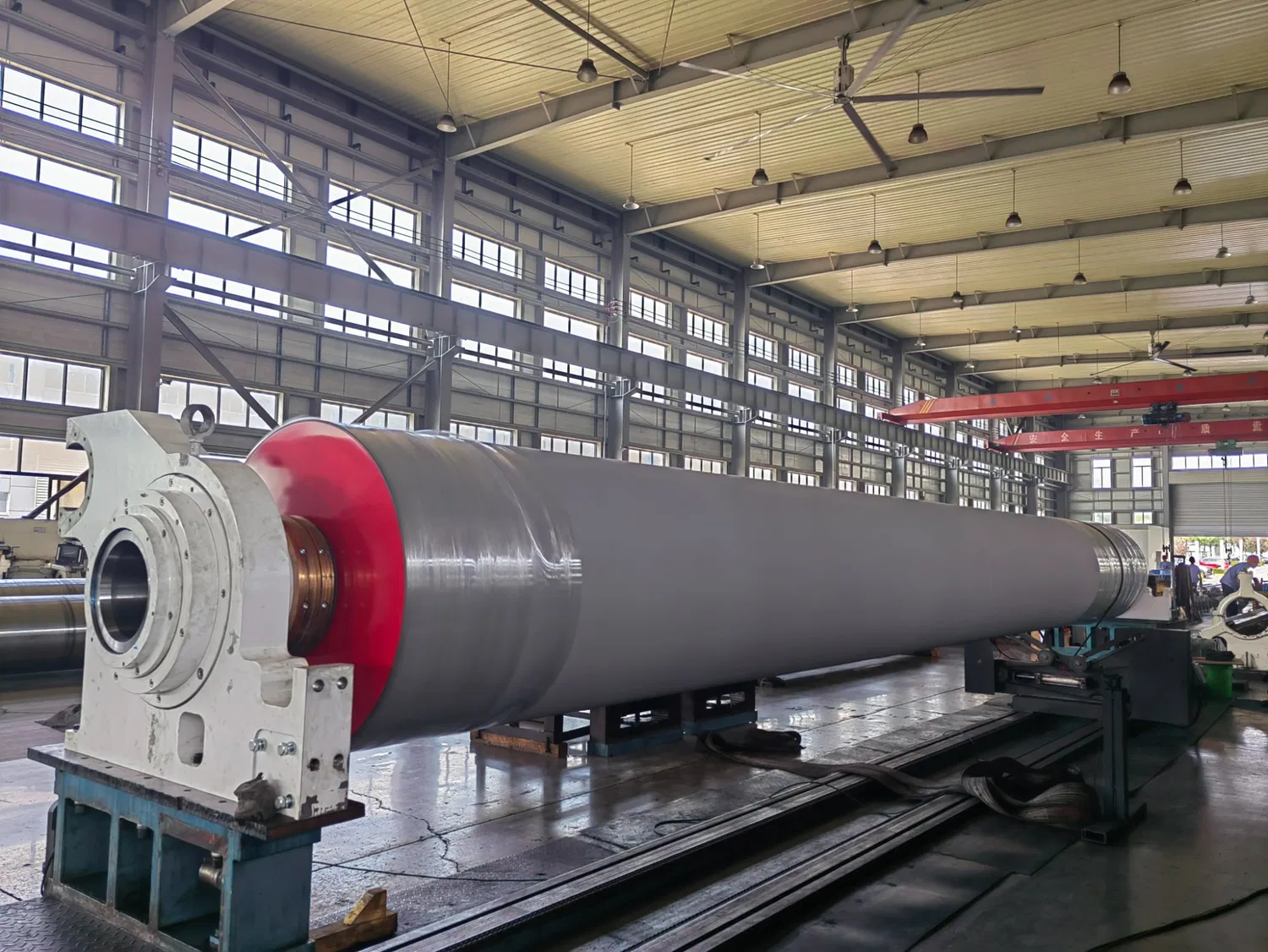
The Hidden Costs of Roll Misalignment
Before diving into the audit, it’s worth understanding why roll misalignment is such a big deal. Frankly speaking, the costs go far beyond just poor sheet quality. Here’s what’s at stake:
- Increased Waste: Misaligned rolls lead to uneven tension, causing wrinkles, tears, or even sheet breaks. Every break means lost material and lost time.
- Higher Energy Consumption: When rolls aren’t aligned, the machine has to work harder to maintain speed, driving up energy costs.
- Premature Wear and Tear: Misalignment accelerates bearing and roll surface degradation, leading to frequent replacements and unplanned downtime.
- Inconsistent Product Quality: Customers demand uniformity. If your sheets vary in thickness or surface finish, you risk losing contracts to competitors.
It’s worth noting that these issues don’t appear overnight. They creep in gradually, often masked by other operational variables. That’s why a structured audit is so critical—it helps you spot trends before they become crises.
The 7-Point Audit: Step-by-Step Roll Misalignment Detection
Now, let’s get into the meat of it. This 7-point audit is designed to be thorough yet practical, giving you actionable insights without requiring a complete machine overhaul. Here’s how to optimize your paper machine in 2025 by tackling roll misalignment head-on.
1. Visual Inspection: The First Line of Defense
You’d be surprised how much you can learn just by looking. Start with a visual inspection of all rolls, paying close attention to:
- Roll Surface Condition: Look for uneven wear patterns, grooves, or scoring. These are telltale signs of misalignment or improper tension.
- Sheet Path Alignment: Observe the paper as it moves through the machine. Is it tracking straight, or does it drift to one side?
- Roll Parallelism: Check if rolls are parallel to each other. Even a slight angle can cause issues over time.
In my experience, visual inspections often reveal the low-hanging fruit—issues that can be fixed quickly with minimal downtime. But don’t stop here. Some misalignments are invisible to the naked eye, which is where the next steps come in.
2. Laser Alignment Tools: Precision Matters
If you’re serious about optimizing your paper machine in 2025, investing in laser alignment tools is a game-changer. These devices measure roll parallelism with incredible accuracy, often down to fractions of a millimeter. Here’s how to use them effectively:
- Baseline Measurements: Take initial readings when the machine is new or recently serviced. This gives you a reference point for future audits.
- Regular Checks: Schedule laser alignment checks at least quarterly, or more frequently if your machine runs 24/7.
- Compare Data: Look for trends over time. If a roll consistently drifts out of alignment, it could indicate a deeper issue, like a worn bearing or foundation shift.
Many experts agree that laser alignment tools pay for themselves within months by reducing waste and downtime. If you haven’t adopted this technology yet, 2025 is the year to do it.
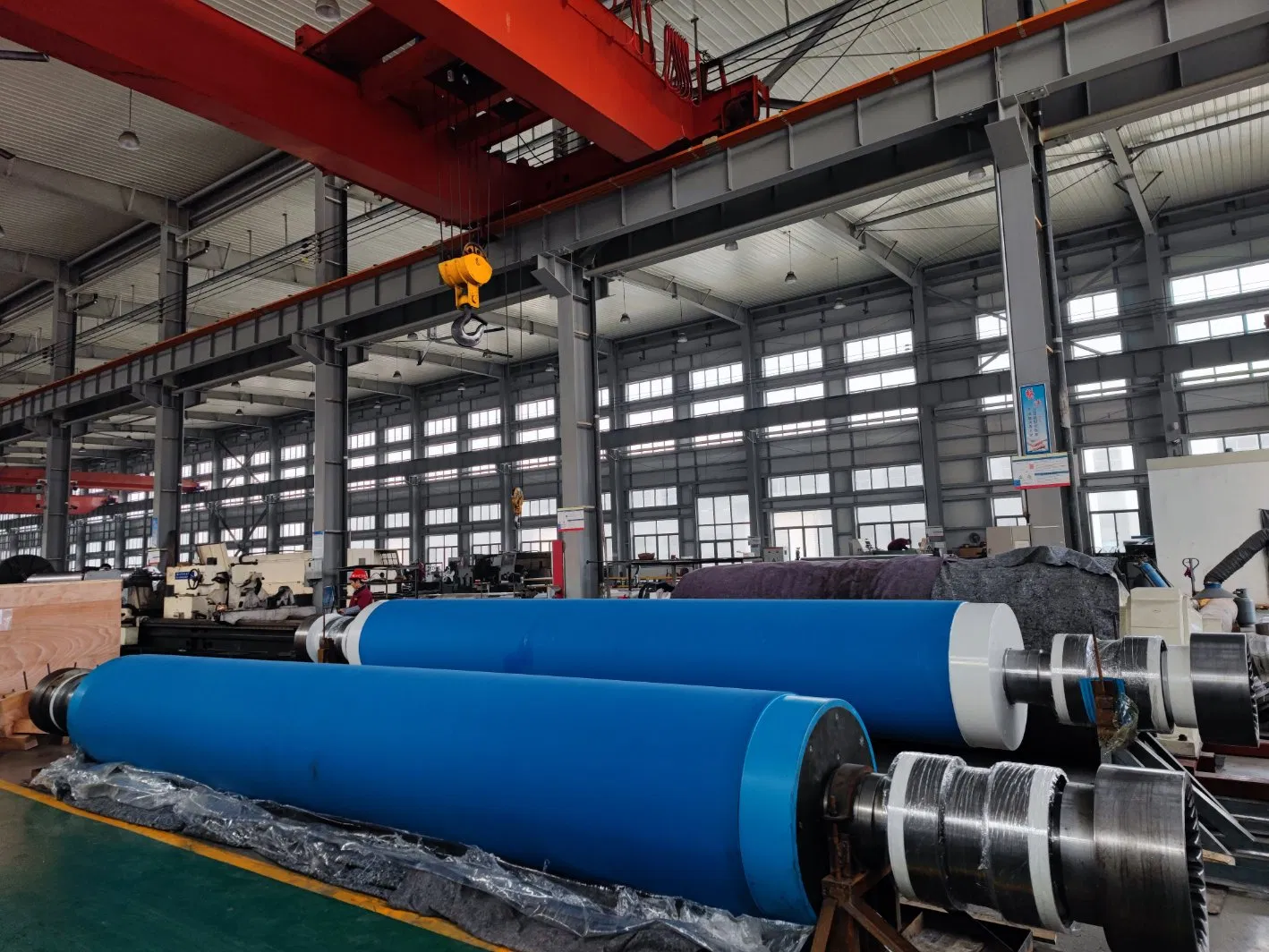
3. Tension and Load Analysis: The Invisible Culprit
Roll misalignment isn’t always about physical positioning. Sometimes, it’s about how the rolls interact with the sheet. Uneven tension or load distribution can mimic misalignment symptoms, so it’s crucial to analyze these factors separately.
- Tension Zones: Use tension meters to measure sheet tension at different points in the machine. Inconsistent tension can cause the sheet to pull unevenly, leading to misalignment-like defects.
- Load Cells: Install load cells on critical rolls to monitor pressure distribution. If one side of a roll is bearing more load than the other, it’s a red flag for misalignment or bearing wear.
- Dynamic Testing: Run the machine at different speeds and observe how tension and load change. Some misalignments only appear under specific conditions.
To be honest, tension and load analysis can be complex, but it’s one of the most effective ways to pinpoint issues that visual inspections or laser tools might miss.
4. Vibration Monitoring: Listen to Your Machine
Your paper machine speaks to you—if you know how to listen. Excessive vibration is often a symptom of roll misalignment, bearing wear, or imbalance. Here’s how to use vibration monitoring to your advantage:
- Handheld Vibration Analyzers: These portable devices measure vibration levels at different points on the machine. High readings can indicate misalignment or other mechanical issues.
- Permanent Sensors: For continuous monitoring, install vibration sensors on critical rolls. These can alert you to problems in real time, allowing for immediate action.
- Frequency Analysis: Vibration isn’t just about amplitude—it’s about frequency. Different issues (e.g., misalignment vs. bearing wear) produce distinct vibration signatures.
I’ve found that vibration monitoring is particularly useful for catching issues early. It’s like having a stethoscope for your machine, giving you insights that other methods can’t.
5. Bearing and Housing Inspection: The Foundation of Alignment
Rolls don’t exist in isolation—they’re supported by bearings and housings. If these components are worn or damaged, they can throw off alignment even if the rolls themselves are in good condition. Here’s what to look for:
- Bearing Wear: Check for play or roughness in bearings. Excessive wear can cause rolls to shift out of alignment over time.
- Housing Integrity: Inspect bearing housings for cracks, corrosion, or misalignment. Even a small defect can lead to big problems.
- Lubrication: Poor lubrication accelerates bearing wear. Ensure all bearings are properly greased and that lubrication systems are functioning correctly.
It’s worth noting that bearing and housing issues are often overlooked because they’re not as visible as roll surface defects. But in reality, they’re just as critical to maintaining alignment and sheet quality.
6. Sheet Quality Analysis: The Ultimate Test
At the end of the day, the goal of optimizing your paper machine in 2025 is to produce high-quality sheets consistently. That’s why sheet quality analysis should be a cornerstone of your audit. Here’s how to approach it:
- Visual Inspection: Look for defects like wrinkles, tears, or uneven thickness. These can often be traced back to roll misalignment.
- Laboratory Testing: Use tools like calipers, profilometers, and moisture analyzers to measure sheet properties objectively. Compare results to your quality standards.
- Customer Feedback: Don’t ignore what your customers are telling you. If they’re reporting issues like poor printability or inconsistent thickness, it could be a sign of misalignment.
Have you ever wondered why some mills consistently produce better-quality sheets than others? More often than not, it comes down to rigorous quality analysis and a willingness to dig into the root causes of defects.
7. Documentation and Trend Analysis: The Key to Long-Term Success
The final step in your audit isn’t about fixing problems—it’s about preventing them. Documentation and trend analysis help you identify patterns and make data-driven decisions. Here’s how to do it right:
- Audit Logs: Keep detailed records of every inspection, including measurements, observations, and corrective actions taken.
- Trend Analysis: Use software to track alignment, vibration, and sheet quality data over time. Look for correlations between different variables.
- Predictive Maintenance: With enough data, you can predict when misalignment or other issues are likely to occur, allowing you to schedule maintenance proactively.
Many experts agree that documentation is the most overlooked part of any audit. But in my experience, mills that prioritize it see the biggest improvements in efficiency and quality.
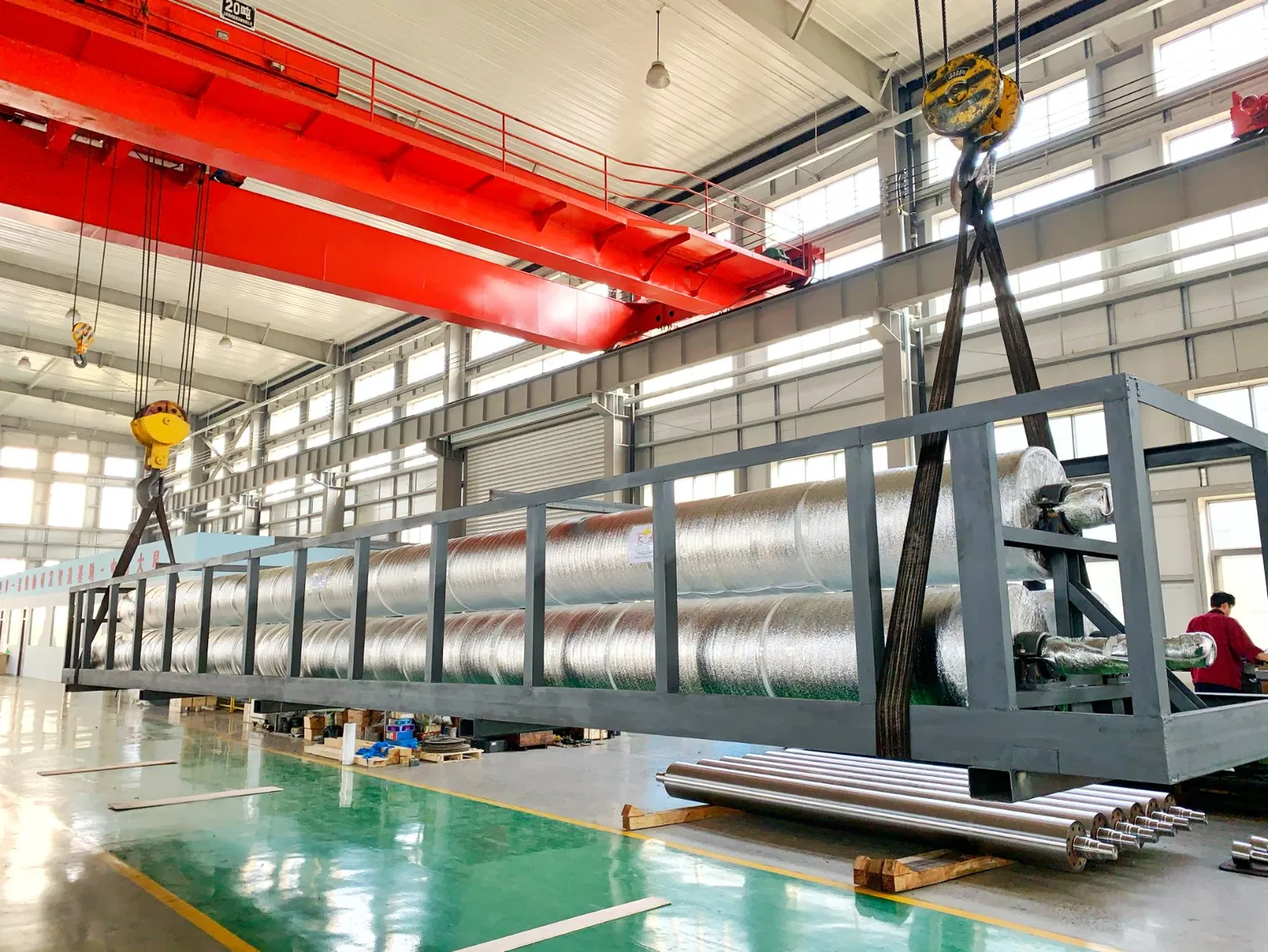
Putting It All Together: A Proactive Approach to Paper Machine Optimization
By now, it should be clear that optimizing your paper machine in 2025 isn’t just about fixing problems as they arise—it’s about preventing them in the first place. The 7-point audit we’ve outlined gives you a structured way to identify roll misalignment before it sabotages your sheet quality. But how do you turn these insights into action?
First, start small. Pick one or two points from the audit and implement them in your next maintenance cycle. For example, you might begin with visual inspections and laser alignment checks, then gradually add vibration monitoring and tension analysis as you build confidence.
Second, involve your team. Maintenance technicians, operators, and quality control staff all have valuable insights to contribute. Encourage them to report any anomalies they notice during their shifts—often, they’re the first to spot issues.
Finally, make audits a regular part of your maintenance routine. Whether you schedule them quarterly or monthly, consistency is key. Over time, you’ll build a wealth of data that helps you fine-tune your machine for peak performance.
To be honest, the biggest challenge isn’t the technology or the process—it’s the mindset. Many mills are stuck in a reactive cycle, waiting for problems to appear before taking action. But in 2025, that approach is a recipe for falling behind. The mills that thrive will be the ones that embrace proactive optimization, using tools like this 7-point audit to stay ahead of the curve.
For more detailed information, please visit our official website:Optimize Your Paper Machine in 2025: A 7-Point Audit to Identify Roll Misalignment Before It Sabotages Sheet Quality"
About the author: Dr. Emily Carter is a mechanical engineer and paper machine optimization specialist with over 15 years of experience in the pulp and paper industry. She has worked with mills worldwide to improve efficiency, reduce waste, and enhance sheet quality through advanced alignment and maintenance strategies. Dr. Carter holds a Ph.D. in Industrial Engineering and is a frequent speaker at industry conferences on predictive maintenance and machine optimization. When she’s not in the field, she enjoys mentoring young engineers and writing about the latest advancements in paper manufacturing technology.