

Frankly speaking, there are few sounds more dreaded in a paper mill than the grinding, screeching halt of a critical roll. When a paper machine goes down, every second of silence translates into thousands of dollars in lost production. And in my experience, the humble bearing is often the culprit at the heart of this catastrophic downtime. It’s a small component tasked with an immense responsibility, and when it fails, the consequences are anything but small.
The real challenge, however, isn't just replacing the failed bearing; it's understanding why it failed in the first place. Simply swapping out a damaged part without a proper investigation is like treating a symptom without diagnosing the disease. The problem is almost guaranteed to return. This is where a systematic approach becomes your most powerful tool. By using a detailed paper machine roll bearing failure analysis checklist, you can move from a reactive "break-fix" cycle to a proactive reliability-centered maintenance strategy. This guide will walk you through that exact process.
Understanding the Brutal Environment of Paper Machine Bearings
Have you ever stopped to consider what a paper machine bearing endures every single day? It’s not a pretty picture. These components operate in one of the most hostile industrial environments imaginable. We're talking about a relentless combination of heavy loads, high speeds, soaring temperatures, and constant exposure to moisture and corrosive chemicals. It's a perfect storm for mechanical failure.
The Unforgiving Conditions
In the press section, bearings are subjected to immense pressure and a flood of water. Move over to the dryer section, and they have to withstand extreme temperatures that can degrade lubricant and alter the steel's metallurgy. All the while, tiny pulp fibers, dust, and cleaning chemicals are constantly trying to infiltrate the bearing seals. It's a non-stop assault.
This is why selecting the right bearing—often a spherical roller bearing designed for high loads and misalignment—is only the first step. The real key to longevity lies in meticulous maintenance and, when failures do occur, a rigorous analysis to learn from the breakdown. A failure isn't just a problem; it's data. It's the bearing telling you a story about what went wrong in its environment, and you need to learn how to read it.
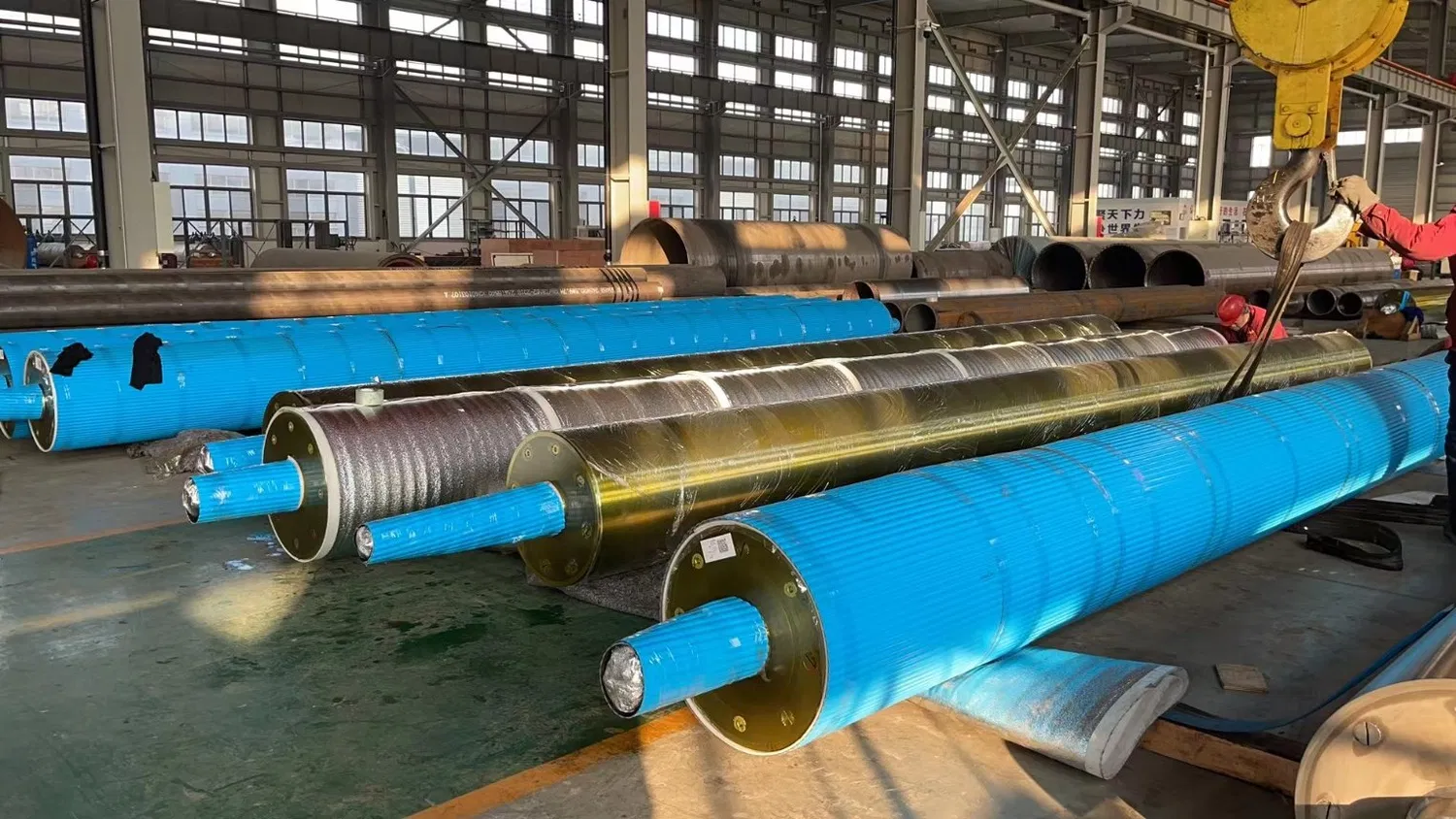
The Usual Suspects: Common Root Causes of Bearing Failure
When a bearing gives up the ghost, it's rarely due to a single, isolated issue. More often, it's a combination of factors. However, most failures can be traced back to a handful of primary root causes. Recognizing these is the first step in any effective bearing failure root cause analysis.
Contamination: The Silent Killer
To be honest, contamination is public enemy number one for bearings in a paper mill. Water is particularly destructive. It emulsifies the lubricant, drastically reducing its film strength and leading to metal-to-metal contact. It also promotes corrosion and hydrogen embrittlement, which can cause the bearing steel to become brittle and crack. Solid contaminants like paper dust, grit, and scale act like a grinding paste, creating abrasive wear on the raceways and rolling elements. In my experience, even a tiny breach in a seal can allow enough contamination to cut a bearing's life in half.
Lubrication Problems: The Good, The Bad, and The Ugly
Proper lubrication is the lifeblood of any bearing. But it's a delicate balance, and it's incredibly easy to get wrong. There are three main ways lubrication can fail:
- Under-lubrication: This is the most obvious problem. Not enough grease or oil leads to lubricant starvation, increased friction, and catastrophic overheating. The bearing surfaces will often show discoloration (blue or brown) from the excessive heat.
- Over-lubrication: Interestingly enough, too much lubricant can be just as damaging. Over-greasing a bearing can cause the rolling elements to churn the grease, leading to a rapid increase in temperature. This thermal runaway degrades the lubricant, reduces its viscosity, and can cause the bearing to fail just as quickly as if it had no grease at all.
- Incorrect Lubricant: Using the wrong type of lubricant is a common and costly mistake. The oil or grease must have the correct viscosity for the operating speed and temperature, as well as the right additives (e.g., extreme pressure, anti-corrosion) for the application.
Improper Mounting and Installation
A bearing's life can be determined before it even completes its first rotation. Damage during installation is incredibly common. Using a hammer and a punch to drive a bearing onto a shaft can cause "true brinelling"—dents in the raceways that become stress points for future fatigue. Another critical factor is setting the correct internal clearance. Mounting a bearing too tightly on a tapered journal can eliminate its internal clearance, causing it to run hot and fail prematurely. Conversely, a loose fit can cause the inner ring to spin on the shaft, leading to fretting corrosion and significant damage to the roll journal itself.
Your Essential Paper Machine Roll Bearing Failure Analysis Checklist
Alright, let's get to the heart of the matter. When a failure occurs, resist the urge to simply pull the old bearing and install a new one. It's time to put on your detective hat. This paper machine roll bearing failure analysis checklist is divided into two phases: what to do before the bearing is even removed, and what to do once it's on the workbench.
Phase 1: On-Site Investigation (Pre-Disassembly)
The context surrounding the failure is just as important as the failed part itself. Don't destroy the evidence before you've had a chance to examine the scene of the crime.
- Gather Data: Talk to the machine operators. Did they hear any unusual noises (rumbling, squealing)? Did they notice any temperature spikes? Review any condition monitoring data you have, such as vibration analysis reports or thermal images. These can provide clues about the failure mode's progression.
- Inspect the Area: Look at the bearing housing. Are there signs of grease or oil leaking from the seals? Is there fretting corrosion (a reddish-brown dust) between the housing and the bearing's outer ring? Check for cracks or damage to the housing itself.
- Document Everything: Take photos of the bearing in its mounted position from multiple angles. Note the orientation of the bearing and any identifying marks. This "as-found" documentation is invaluable.
Phase 2: Workshop Analysis (Post-Disassembly)
Once the bearing is carefully removed (using a proper puller or induction heater, not a cutting torch!), the detailed analysis begins. It's worth noting that you should never spin a failed bearing by hand; you could get injured or destroy important evidence.
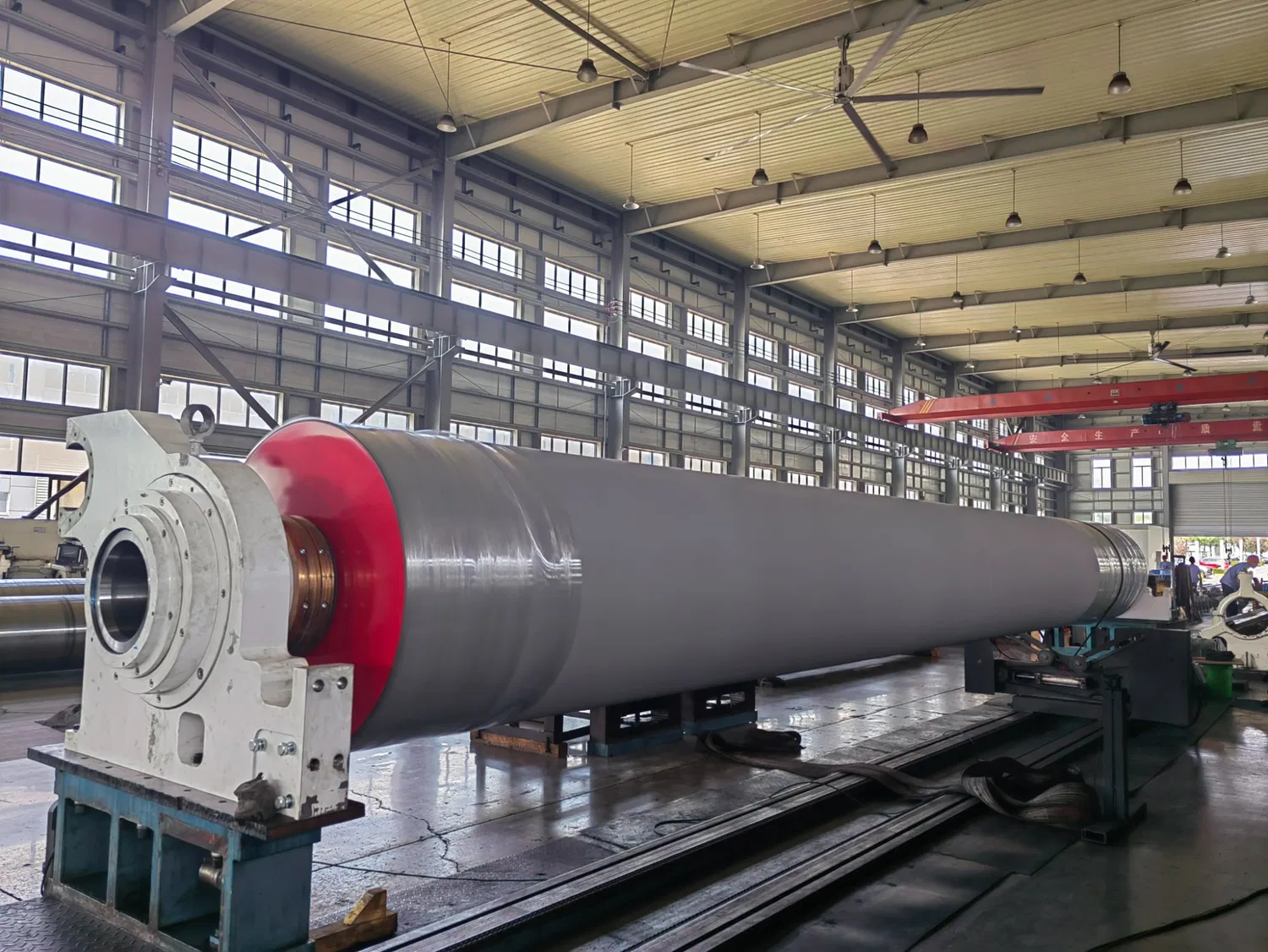
Detailed Component Examination
Clean the bearing components carefully with a solvent and lay them out for inspection. Here’s what to look for on each part:
- Raceways (Inner and Outer Rings):
- Spalling/Flaking: Pits or flakes of metal removed from the surface. This is the classic sign of subsurface fatigue failure. Note the location—is it centered in the load zone? This is normal. Is it off to one side? This could indicate misalignment.
- Smearing/Scuffing: A frosted or rough appearance caused by rollers sliding instead of rolling, often due to poor lubrication.
- Corrosion: Red/brown rust or black etching from moisture or chemical attack.
- Electrical Fluting: A distinctive pattern of parallel, washboard-like marks caused by electric current passing through the bearing (a common issue on VFD-driven rolls).
- Brinelling: Dents in the raceway. True brinelling comes from impact (improper installation), while false brinelling comes from vibration while the bearing is stationary.
- Rolling Elements (Rollers):
- Check for the same patterns as on the raceways: spalling, smearing, corrosion, and fluting.
- Look for discoloration from overheating or flat spots from skidding.
- Cage/Retainer:
- Inspect for cracks, fractures, or bent sections. A damaged cage often points to severe vibration, shock loads, or lubrication issues.
Lubricant Analysis
Don't discard the old grease! It holds vital clues. Smear a sample onto a clean paper towel. Does it look milky (water contamination)? Does it contain metallic particles? Does it smell burnt? For a more in-depth analysis, send a sample to a lab to test for viscosity breakdown, wear metals, and contaminants.
From Analysis to Action: Preventing Future Failures
The entire point of this analysis is to prevent the next failure. Once you've identified the likely root cause using your checklist, you can implement targeted corrective actions. This is the key to preventing bearing failure in paper machines and improving overall mill reliability.
If the Cause is Contamination:
Focus on sealing. This might mean upgrading to higher-performance seals, installing auxiliary taconite seals, or implementing air or grease purges to create a positive pressure environment that keeps contaminants out. Improve housekeeping practices around the machine to reduce ambient dust and debris.
If the Cause is Lubrication:
Review your entire lubrication program. Are you using the right lubricant for the application's speed, load, and temperature? Are your technicians using the correct relubrication volume and frequency? Consider investing in single-point automatic lubricators for critical, hard-to-reach bearings to ensure consistent and accurate delivery. Implement a routine oil analysis program to monitor lubricant health.
If the Cause is Improper Installation:
This is a training issue. Ensure your maintenance team has the right tools, like induction heaters for safe mounting and feeler gauges for accurately measuring internal clearance. Provide hands-on training that follows OEM-recommended procedures. Many experts agree that investing in technician training provides one of the highest returns in maintenance.
By diligently applying this paper machine roll bearing failure analysis checklist, you transform each failure from a costly problem into a valuable learning opportunity. You build a historical database of failure modes in your mill, allowing you to predict and prevent issues before they bring your operation to a standstill. It’s a fundamental shift in mindset that pays massive dividends in uptime, productivity, and profitability. What's the biggest bearing challenge you're facing in your mill right now?
For more detailed information, please visit our official website:paper machine roll bearing failure analysis checklist
About the author: David Chen is a Senior Reliability Engineer with over 15 years of experience in the pulp and paper industry. Specializing in rotating equipment and predictive maintenance technologies, David has dedicated his career to helping mills improve uptime and reduce operational costs. He is a certified maintenance and reliability professional (CMRP) and a passionate advocate for root cause analysis as a cornerstone of any successful maintenance program. ---