

Have you ever wondered what keeps the paper industry running smoothly? At the heart of every paper machine lies a critical component: the paper machine roll. These unsung heroes bear the weight of production, ensuring sheets of paper are formed, pressed, and dried with precision. To be honest, without them, modern paper manufacturing would grind to a halt. But what exactly are these rolls, and why do they matter so much?
In this guide, we’ll dive deep into the world of paper machine rolls—exploring their types, functions, and the secrets to keeping them in top shape. Whether you're a seasoned engineer or new to the industry, you’ll walk away with actionable insights to boost efficiency and reduce downtime.
Understanding the Role of Paper Machine Rolls in Paper Production
Paper machine rolls are the backbone of the papermaking process. They work in tandem across different sections of the machine, each playing a unique role in transforming pulp into finished paper. Interestingly enough, their performance directly impacts the quality, speed, and cost of production. Let’s break down their key functions:
- Forming Section: Rolls here support the forming fabric, ensuring even distribution of pulp and water drainage.
- Press Section: These rolls squeeze out excess water, increasing the paper’s dryness and strength.
- Drying Section: Rolls in this stage transfer heat to evaporate moisture, giving the paper its final texture and stability.
- Calendering Section: Here, rolls smooth and compress the paper to achieve the desired finish.
Frankly speaking, if any of these rolls underperform, the entire production line suffers. That’s why understanding their mechanics is non-negotiable for anyone in the industry.
Types of Paper Machine Rolls and Their Applications
Not all rolls are created equal. Depending on their location and purpose, paper machine rolls come in various designs, materials, and configurations. Here’s a closer look at the most common types:
1. Breast Rolls
Positioned at the beginning of the forming section, breast rolls guide the forming fabric and help distribute the pulp evenly. They’re typically made of stainless steel or coated with wear-resistant materials to withstand constant contact with wet pulp. Many experts agree that the alignment of breast rolls is critical—even a slight misalignment can lead to uneven paper formation.
2. Press Rolls
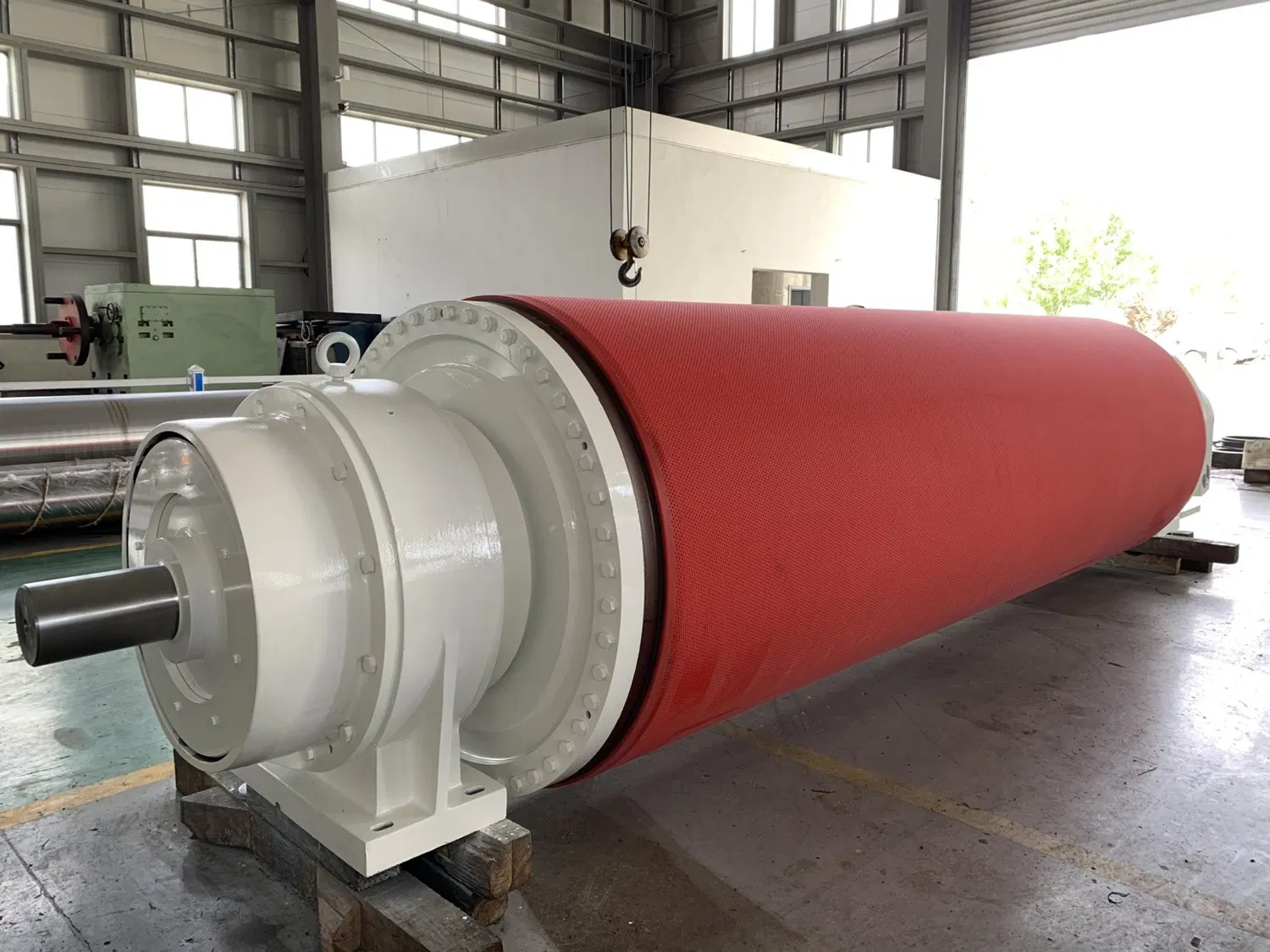
Press rolls are the workhorses of the press section. Their job? To remove as much water as possible from the paper web. These rolls often feature grooved or blind-drilled surfaces to enhance water extraction. It’s worth noting that the choice of roll cover—whether rubber, polyurethane, or ceramic—can significantly impact performance and longevity.
3. Dryer Rolls
In the drying section, rolls are exposed to high temperatures and steam. Dryer rolls are usually made of cast iron or steel and are designed to transfer heat efficiently while maintaining structural integrity. Have you ever wondered why some paper machines run hotter than others? The answer often lies in the design and material of these rolls.
4. Calender Rolls
Calender rolls are all about precision. They smooth and compress the paper to achieve the desired thickness and surface finish. These rolls are often made of chilled iron or granite, materials chosen for their hardness and resistance to wear. Interestingly enough, the pressure applied during calendering can make or break the final product’s quality.
5. Guide Rolls
Guide rolls, as the name suggests, keep the paper web aligned as it moves through the machine. They’re smaller in diameter compared to other rolls but play a vital role in preventing wrinkles and tears. In my experience, neglecting guide roll maintenance is a common oversight that leads to costly production issues.
Maintenance Best Practices for Paper Machine Rolls
Let’s face it—even the best paper machine rolls won’t last forever. But with the right maintenance strategies, you can extend their lifespan and keep your production line running smoothly. Here’s what you need to know:
1. Regular Inspections
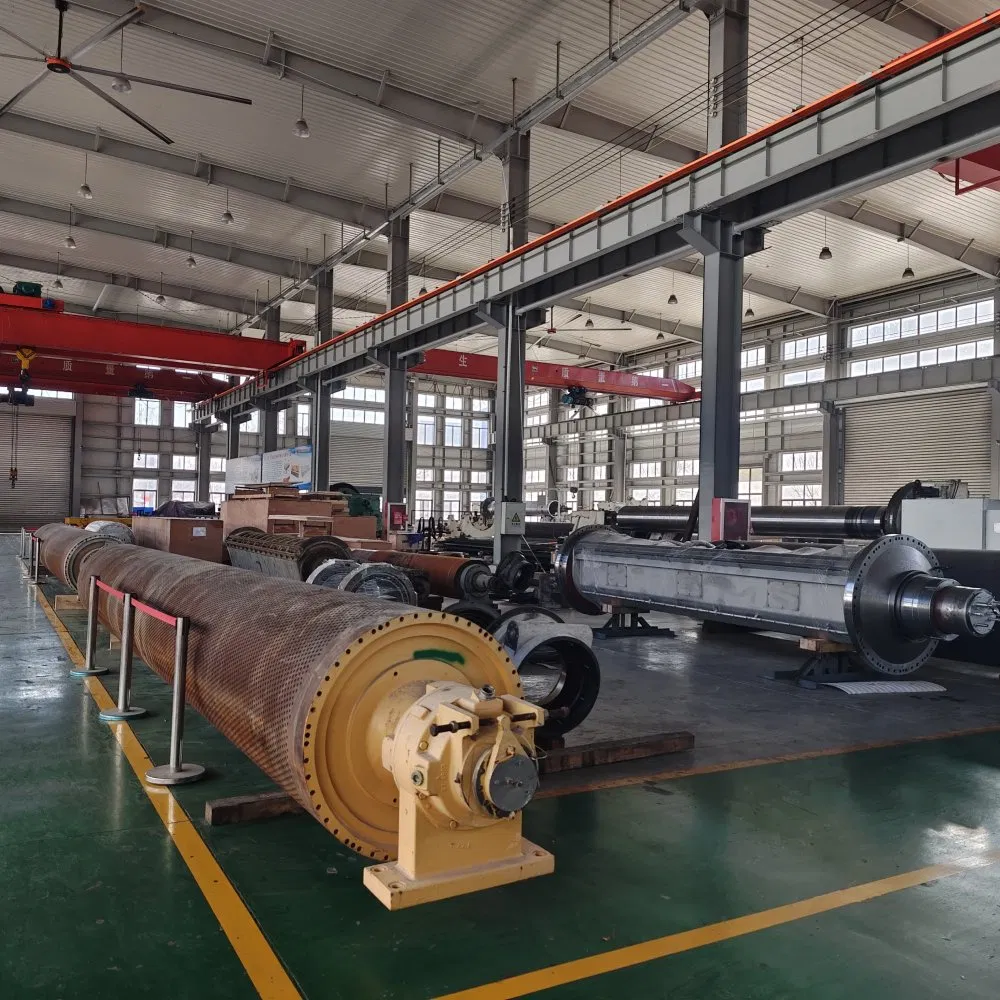
Routine inspections are the first line of defense against roll failure. Look for signs of wear, such as cracks, grooves, or uneven surfaces. It’s also important to check for misalignment, which can cause uneven paper formation and increased energy consumption. Many experts recommend using laser alignment tools for precise measurements.
2. Cleaning and Surface Treatment
Over time, rolls accumulate debris, coatings, and chemical residues that can affect performance. Regular cleaning with appropriate solvents or mechanical methods (like grinding or polishing) can restore their efficiency. For rolls with rubber or polyurethane covers, avoid harsh chemicals that could degrade the material.
3. Balancing and Vibration Analysis
Unbalanced rolls can lead to excessive vibration, which not only damages the roll itself but also affects nearby components. Vibration analysis tools can detect imbalances early, allowing for corrective action before major issues arise. To be honest, ignoring vibration problems is a surefire way to shorten a roll’s lifespan.
4. Storage and Handling
Proper storage is often overlooked but critical for roll longevity. Rolls should be stored in a dry, temperature-controlled environment to prevent corrosion or material degradation. When handling rolls, use appropriate lifting equipment to avoid damage to the surface or bearings.
5. Recovering and Regrinding
When rolls show signs of wear, recovering (applying a new cover) or regrinding (restoring the surface) can breathe new life into them. This is a cost-effective alternative to complete replacement, especially for high-value rolls like press or calender rolls. However, it’s essential to work with experienced professionals to ensure the job is done right.
Optimizing Paper Machine Roll Performance for Maximum Efficiency
Maintenance is just one piece of the puzzle. To truly optimize your paper machine rolls, you need to focus on performance-enhancing strategies. Here’s how:
1. Material Selection
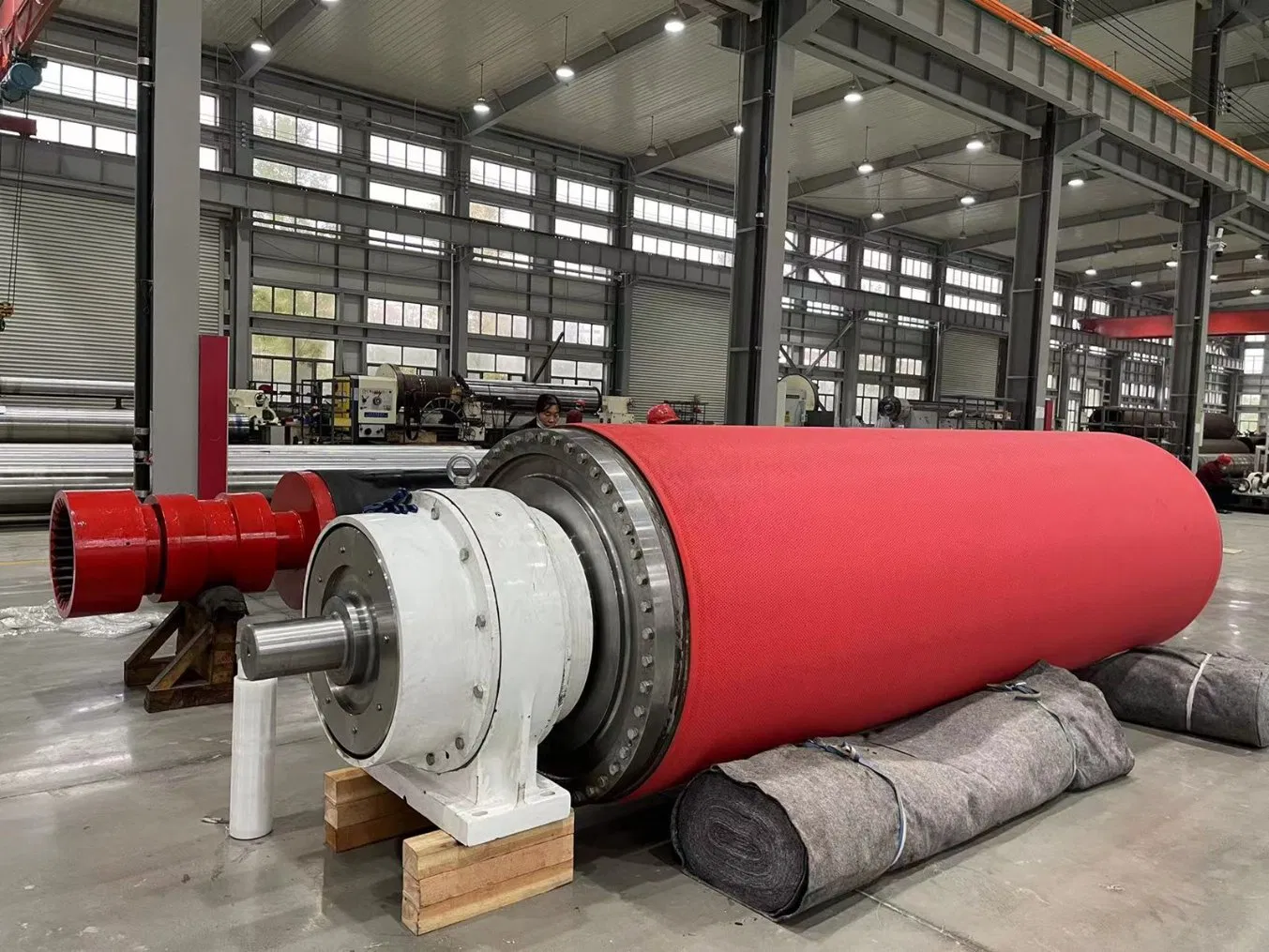
The material of your rolls can make a world of difference. For example, ceramic-coated rolls are excellent for high-speed machines due to their durability and resistance to wear. On the other hand, rubber-covered rolls are ideal for press sections where water extraction is critical. The key is to match the material to the specific demands of your production line.
2. Surface Design
The surface design of a roll—whether smooth, grooved, or blind-drilled—affects its interaction with the paper web. For instance, grooved press rolls enhance water removal, while smooth calender rolls provide a superior finish. Experimenting with different designs can help you find the perfect balance between efficiency and quality.
3. Temperature and Pressure Control
In the drying and calendering sections, temperature and pressure play a crucial role. Too much heat can cause the paper to curl or dry unevenly, while insufficient pressure can result in a poor finish. Modern paper machines often use advanced control systems to monitor and adjust these parameters in real time.
4. Lubrication and Bearing Maintenance
Rolls rely on bearings to rotate smoothly, and proper lubrication is essential to prevent wear and tear. Using high-quality lubricants and following a strict maintenance schedule can prevent costly breakdowns. It’s worth noting that over-lubrication can be just as harmful as under-lubrication, so finding the right balance is key.
5. Upgrading to Smart Rolls
The future of paper machine rolls lies in smart technology. Some modern rolls come equipped with sensors that monitor temperature, vibration, and wear in real time. These "smart rolls" can alert operators to potential issues before they become major problems, reducing downtime and improving efficiency. If you’re looking to stay ahead of the curve, investing in smart rolls might be the way to go.
Common Challenges and How to Overcome Them
Even with the best maintenance and optimization strategies, challenges are inevitable. Here are some common issues faced by paper machine operators and how to tackle them:
1. Roll Wear and Tear
Wear is a natural part of a roll’s lifecycle, but excessive wear can lead to production defects. To mitigate this, rotate rolls regularly and use wear-resistant materials. Additionally, consider implementing a predictive maintenance program to catch issues early.
2. Misalignment
Misaligned rolls can cause paper breaks, uneven formation, and increased energy consumption. Regular alignment checks using laser tools can help maintain precision. If misalignment is detected, adjust the rolls immediately to prevent further damage.
3. Corrosion
Corrosion is a common problem, especially in rolls exposed to moisture or chemicals. Using corrosion-resistant materials like stainless steel or applying protective coatings can extend the life of your rolls. It’s also important to store rolls in a dry environment to prevent rust.
4. Bearing Failure
Bearing failure can bring production to a standstill. To prevent this, ensure proper lubrication and monitor bearing temperature and vibration levels. If a bearing shows signs of wear, replace it promptly to avoid catastrophic failure.
5. Paper Breaks
Paper breaks are often caused by issues with roll performance, such as uneven pressure or misalignment. To reduce breaks, focus on maintaining consistent roll conditions and monitoring the paper web for signs of stress. In my experience, addressing the root cause—rather than just the symptom—is the key to long-term success.
For more detailed information, please visit our official website:paper machine roll
About the author: Dr. Emily Carter is a mechanical engineer with over 15 years of experience in the paper manufacturing industry. Specializing in roll design and maintenance, she has worked with leading paper mills to optimize production efficiency and reduce downtime. Dr. Carter holds a Ph.D. in Mechanical Engineering from the University of Wisconsin-Madison and is a frequent speaker at industry conferences. When she’s not in the field, she enjoys sharing her expertise through writing and mentoring the next generation of engineers.