

In the sprawling, high-speed world of papermaking, the paper machine is the undisputed king. It's a marvel of engineering, a symphony of moving parts working in concert to transform pulp slurry into a perfect sheet of paper. And at the very heart of this symphony are the rolls. To be honest, without perfectly functioning rolls, your entire operation grinds to a halt. They press, they dry, they smooth, and they guide. When one fails, the consequences are immediate and costly. This is where effective paper machine roll maintenance troubleshooting becomes not just a skill, but a critical business asset.
Frankly speaking, many mills operate in a reactive state, waiting for a breakdown to happen before taking action. But the most efficient, profitable operations are those that have mastered the art of proactive maintenance and rapid, accurate troubleshooting. This guide is designed to take you beyond the basics, offering practical insights and a systematic approach to keeping your rolls turning and your paper quality high.
Understanding the Critical Role of Paper Machine Rolls
Before diving into troubleshooting, it's essential to appreciate why these components are so vital. Thinking of them as simple cylinders is a massive oversimplification. Each roll is a precision-engineered tool designed for a specific, demanding task. Their performance directly dictates sheet properties like thickness, moisture profile, smoothness, and overall strength.
Why Rolls are the Heartbeat of Your Machine
Imagine the journey of the paper sheet. It starts as a fragile, wet web. Press rolls squeeze out massive amounts of water, a crucial step for energy efficiency. Dryer section rolls transport the sheet through heated sections. Calender rolls apply immense pressure to create a smooth, glossy surface. Any deviation in a roll's performance—a slight vibration, a microscopic surface defect, or an incorrect crown—imprints itself directly onto the final product, often leading to costly rejects.
In my experience, a single problematic roll can cause a ripple effect of issues, from sheet breaks that cause hours of downtime to subtle quality deviations that lead to customer complaints. It's not just about the roll; it's about the entire value chain it impacts.
Types of Rolls and Their Unique Challenges
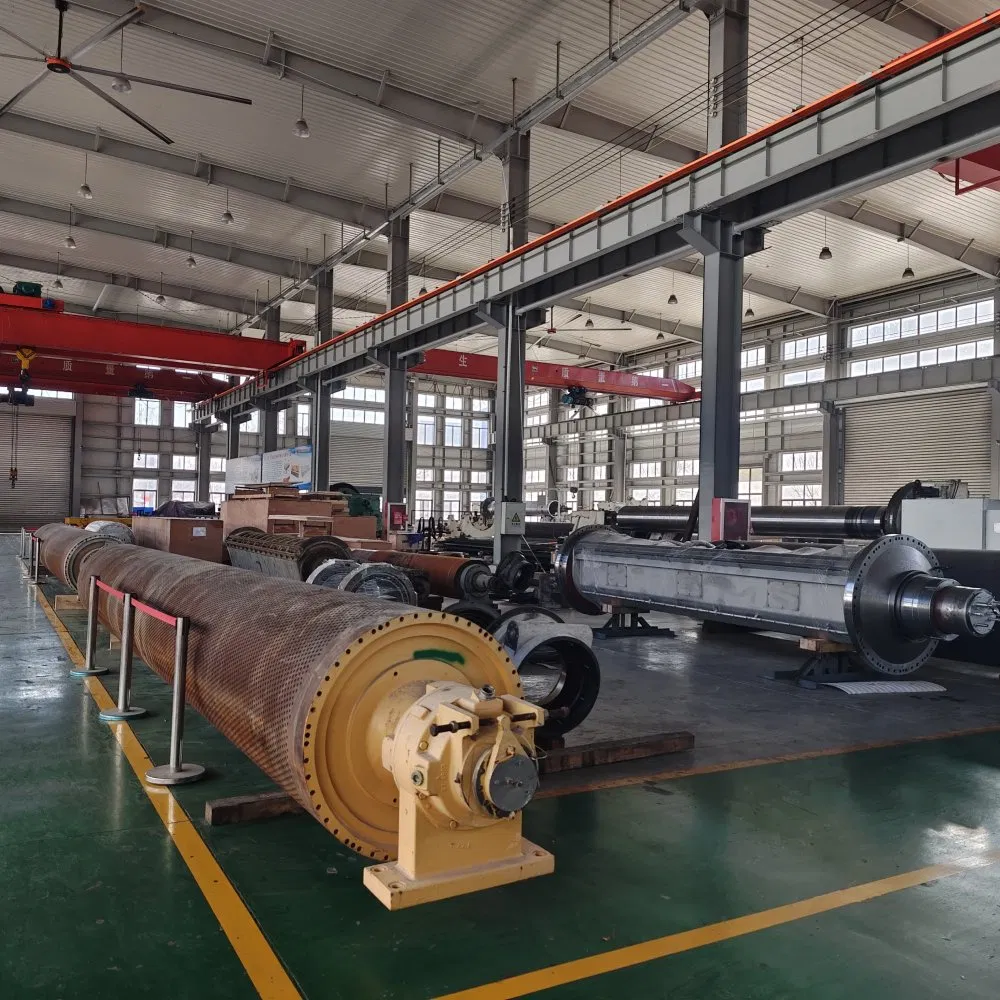
A paper machine contains dozens, sometimes hundreds, of rolls, each with its own set of challenges. Understanding the main types is the first step in targeted troubleshooting:
- Press Rolls: These operate under extreme pressure in a wet environment. They are susceptible to cover damage, corrosion, and nip uniformity issues.
- Suction Rolls: With their drilled shells, these are critical for water removal but are prone to corrosion, cracking (especially around the holes), and internal vacuum seal failures.
- Dryer Cans/Rolls: Operating at high temperatures, their primary challenges are bearing failures due to heat, condensate handling issues, and surface contamination from additives.
- Calender Rolls: These require an almost perfect surface finish. They are sensitive to temperature variations, barring, and damage from foreign objects passing through the nip.
- Guide Rolls & Felt Rolls: While smaller, their failure can be just as catastrophic. Misalignment or bearing failure here can destroy expensive felts and wires or cause persistent sheet tracking problems.
Each type demands a slightly different maintenance focus, but the principles of troubleshooting remain universal.
Proactive vs. Reactive: The Foundation of Effective Maintenance
Have you ever wondered why some mills seem to run smoothly while others are constantly fighting fires? The difference often lies in their maintenance philosophy. A reactive "run-to-failure" approach is one of the most expensive strategies you can employ.
The High Cost of a "Run-to-Failure" Approach
Waiting for a roll to fail before you fix it is a recipe for disaster. Unplanned downtime is incredibly expensive, not just in lost production but also in overtime for maintenance crews. Furthermore, a catastrophic roll failure can cause significant secondary damage to surrounding equipment, such as bearings, drive systems, and machine clothing (felts and wires), turning a thousand-dollar problem into a hundred-thousand-dollar catastrophe. It's a high-stakes gamble that rarely pays off.
Building a Robust Preventive Maintenance Program
The solution is a shift towards a proactive mindset. A well-structured plan for preventive maintenance for paper machine rolls is your best defense against unexpected failures. This isn't just about greasing bearings; it's a comprehensive strategy. It's worth noting that a good program is built on data and consistency.
Key elements of a strong preventive maintenance program include:
- Scheduled Lubrication: Using the correct type and amount of lubricant at the right interval is non-negotiable. Over-lubrication can be just as damaging as under-lubrication.
- Regular Inspections: Visual inspections during scheduled shutdowns are crucial. Look for signs of cover damage, corrosion, leaks, and loose components.
- Cleaning Routines: Keeping rolls and bearing housings clean prevents contamination and allows for easier inspection of potential issues.
- Condition Monitoring: This is where maintenance gets smart. Regularly collecting data through techniques like vibration analysis, thermography, and oil analysis can reveal developing problems long before they become critical.
Common Paper Machine Roll Problems and How to Spot Them
Effective troubleshooting starts with knowing what to look for. Many experts agree that most roll failures don't happen overnight. They give off warning signs. Recognizing these signs early is the key to minimizing downtime and repair costs. Here are some of the most common paper machine roll problems you'll encounter.
Vibration: The Silent Killer
Excessive vibration is one of the most common and destructive forces in a paper machine. It can lead to premature bearing failure, structural damage, and a host of paper quality defects like barring. The challenge is that its source can be elusive.
Causes:
- Imbalance: The roll itself may be out of balance, often due to uneven wear, cover delamination, or internal buildup.
- Misalignment: Poor alignment between the roll and its driving component (or between coupled rolls) is a major source of vibration.
- Bearing Defects: A failing bearing will almost always generate a distinct vibration signature.
- Structural Looseness: A loose bearing housing or foundation bolt can cause what feels like a roll vibration issue.
Detection: This is where roll vibration analysis becomes invaluable. Using portable data collectors and accelerometers, maintenance technicians can measure vibration levels and, more importantly, analyze the frequency of the vibration to pinpoint the exact source—be it imbalance, misalignment, or a specific bearing fault.
Surface Defects: Corrugation, Barring, and Pitting
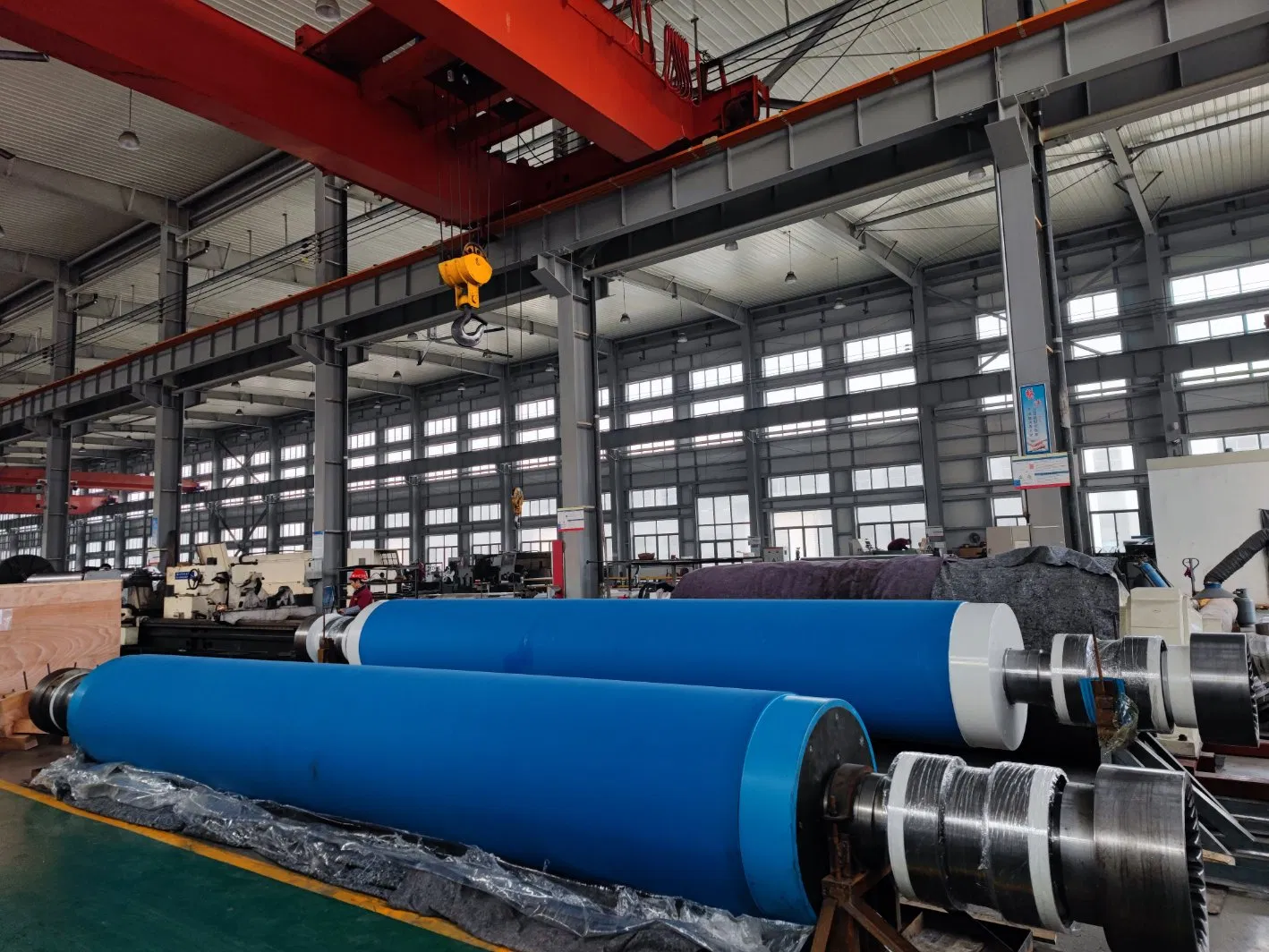
The surface of the roll is where the magic happens. Any imperfection will be transferred directly to your paper sheet. Defects like corrugations (machine-direction waves), barring (cross-direction marks), and pitting can ruin an entire production run.
Causes:
- Improper Grinding: An incorrect grinding procedure is a frequent culprit, leaving a pattern on the roll surface.
- Vibration: Systemic vibration from another source can cause "chatter," which wears a pattern into the roll cover over time.
- Incompatible Roll Covers: The roll cover material might not be suited for the chemical or pressure environment, leading to premature wear and pitting.
- Contamination: Abrasive particles in the pulp or process water can cause pitting and scoring.
Detection: Often, these defects are first noticed in the final paper product. Tracing them back to the specific roll requires careful inspection, sometimes using stroboscopes to view the roll surface at operating speed or taking nip impressions to analyze the contact pattern between two rolls.
Bearing Failures: Causes and Early Warning Signs
Roll bearings operate under incredible loads and speeds. Their failure is a primary cause of unplanned downtime. Interestingly enough, studies have shown that a huge percentage of premature bearing failures are not due to fatigue but to preventable issues.
Causes:
- Lubrication Issues: This is the number one cause. It includes using the wrong type of lubricant, using too little, using too much (which can cause overheating), or allowing the lubricant to become contaminated with water or debris.
- Contamination: Dirt and water are mortal enemies of bearings. Failed seals are a common entry point.
- Improper Installation: Using a hammer to install a precision bearing or failing to achieve the correct internal clearance can doom it from the start.
Detection: Early warning signs include an increase in temperature (detectable with an infrared thermometer or thermal camera), unusual noises (grinding or squealing, often audible with a simple mechanic's stethoscope), and, of course, tell-tale signatures in vibration analysis data.
A Step-by-Step Guide to Paper Machine Roll Maintenance Troubleshooting
When a problem arises, a chaotic, "try-this-try-that" approach wastes time and can even make things worse. A systematic process is essential for effective paper machine roll maintenance troubleshooting. This framework helps ensure you find the root cause, not just a temporary fix.
Step 1: Gather Data and Observe
Before you touch a single wrench, stop and gather information. What are the exact symptoms? Is there a quality defect on the sheet? Is there a new noise or vibration? When did it start? Did it coincide with any other event, like a speed change or a change in paper grade? Talk to the machine operators—they live with the machine day in and day out and often have invaluable insights. Collect any available condition monitoring data (vibration, thermal imaging). Rushing this step is the most common mistake I see.
Step 2: Isolate the Problem Area
With the data in hand, start narrowing down the possibilities. If it's a repetitive mark on the sheet, calculate its frequency. You can then compare that to the rotational frequency of each roll in the section to identify the culprit. If it's a noise or vibration, use your tools—a stethoscope, a vibration analyzer, a thermal camera—to pinpoint the location with the highest reading. The goal here is to move from a machine-wide problem to a component-specific one.
Step 3: Consult the Trinity: History, Operators, and Manuals
Now, dig deeper.
- History: Check the maintenance logs (CMMS). Has this roll been a problem before? When was it last changed or serviced? What was done?
- Operators: Go back to the operators with your findings. Does this new information jog any memories? "Oh yeah, that roll has been running a little hot for the last week."
- Manuals: Consult the OEM documentation. What are the correct operating parameters, bearing clearances, and lubrication specifications? You'd be surprised how often problems arise from not following the manual.
Step 4: Formulate a Hypothesis and Test It
Based on all your evidence, form a logical hypothesis. For example: "The vibration data, elevated temperature, and maintenance history suggest that the drive-side bearing on the 3rd press roll is failing due to lubricant contamination." Now, how can you safely confirm this? It might involve taking an oil sample for analysis or using high-frequency vibration techniques to listen for the specific sounds of a bearing fault. The key is to test your theory before committing to a major repair.
Step 5: Implement the Fix and Verify
Once your hypothesis is confirmed, execute the repair. This could be anything from a simple alignment correction to a full roll change and bearing replacement. But you're not done yet. The final, crucial step is verification. After the repair, run the machine and collect the same data you did in Step 1. Has the vibration returned to normal? Is the temperature stable? Is the paper quality defect gone? Verifying the fix ensures you've addressed the root cause and that the problem won't be back next week.
For more detailed information, please visit our official website:paper machine roll maintenance troubleshooting
About the author: John Carter is a veteran paper machine maintenance specialist with over 25 years of hands-on experience in the pulp and paper industry. He specializes in predictive maintenance technologies and root cause failure analysis for rotating equipment. John has helped dozens of mills across North America improve their machine reliability and reduce unplanned downtime through systematic troubleshooting and proactive maintenance strategies. He is passionate about sharing his knowledge with the next generation of maintenance professionals.