

# The Backbone of Paper Production: Navigating the World of Industrial Paper Machine Roll Suppliers
The paper industry is a marvel of engineering and continuous operation. At its heart lie the massive, precision-engineered rolls that guide, press, and dry the paper web. Without high-quality, reliable rolls, a paper mill grinds to a halt, leading to costly downtime and compromised product quality. This is precisely why selecting the right industrial paper machine roll supplier is not just a procurement decision; it's a strategic one that impacts efficiency, longevity, and profitability. In my experience, many mills overlook the critical role these suppliers play until a problem arises. Frankly speaking, it's far more effective to be proactive.
## Understanding the Crucial Role of Paper Machine Rolls
Paper machine rolls are far from simple cylinders. They are complex components, each with a specific function within the papermaking process. From the suction rolls that dewater the pulp to the press rolls that squeeze out more moisture and impart smoothness, and finally to the dryer rolls that evaporate the remaining water, each roll is a critical link. The quality of the paper produced is directly influenced by the precision, balance, and surface finish of these rolls.
### Types of Paper Machine Rolls and Their Functions
* Suction Rolls: These rolls have a perforated shell and an internal vacuum system, drawing water out of the paper web as it passes over them. This is a crucial dewatering step early in the process. * Press Rolls: Used in the press section, these rolls apply significant pressure to further remove water and compact the paper sheet, improving its strength and surface properties. They can be plain or grooved. * Dryer Rolls: These are heated cylinders that evaporate the remaining moisture from the paper web. They are typically steam-heated and operate at high temperatures. * Calender Rolls: Found in the finishing section, these rolls are used to smooth and polish the paper surface, controlling its thickness and gloss. They can be made of various materials, including chilled iron, steel, and specialized polymers. * Felt Rolls: These rolls support and guide the felts used in the press section to absorb water and transfer the paper web. * Guide Rolls: Essential for maintaining the correct path of the paper web, these rolls ensure smooth and consistent travel through the machine.
The material, construction, and surface treatment of each roll type are tailored to its specific function. For instance, dryer rolls need excellent heat transfer properties and resistance to corrosion, while press rolls require exceptional hardness and a smooth, wear-resistant surface.
## Key Considerations When Selecting an Industrial Paper Machine Roll Supplier
Choosing an industrial paper machine roll supplier involves more than just comparing prices. It's about finding a partner who understands the intricate demands of your operation. Here are some critical factors to consider:
### 1. Material Science and Manufacturing Expertise
The materials used in paper machine rolls are paramount. Different paper grades and machine speeds necessitate different materials. For example, chilled cast iron is common for press rolls due to its hardness and wear resistance, while stainless steel is often preferred for dryer rolls to combat corrosion.
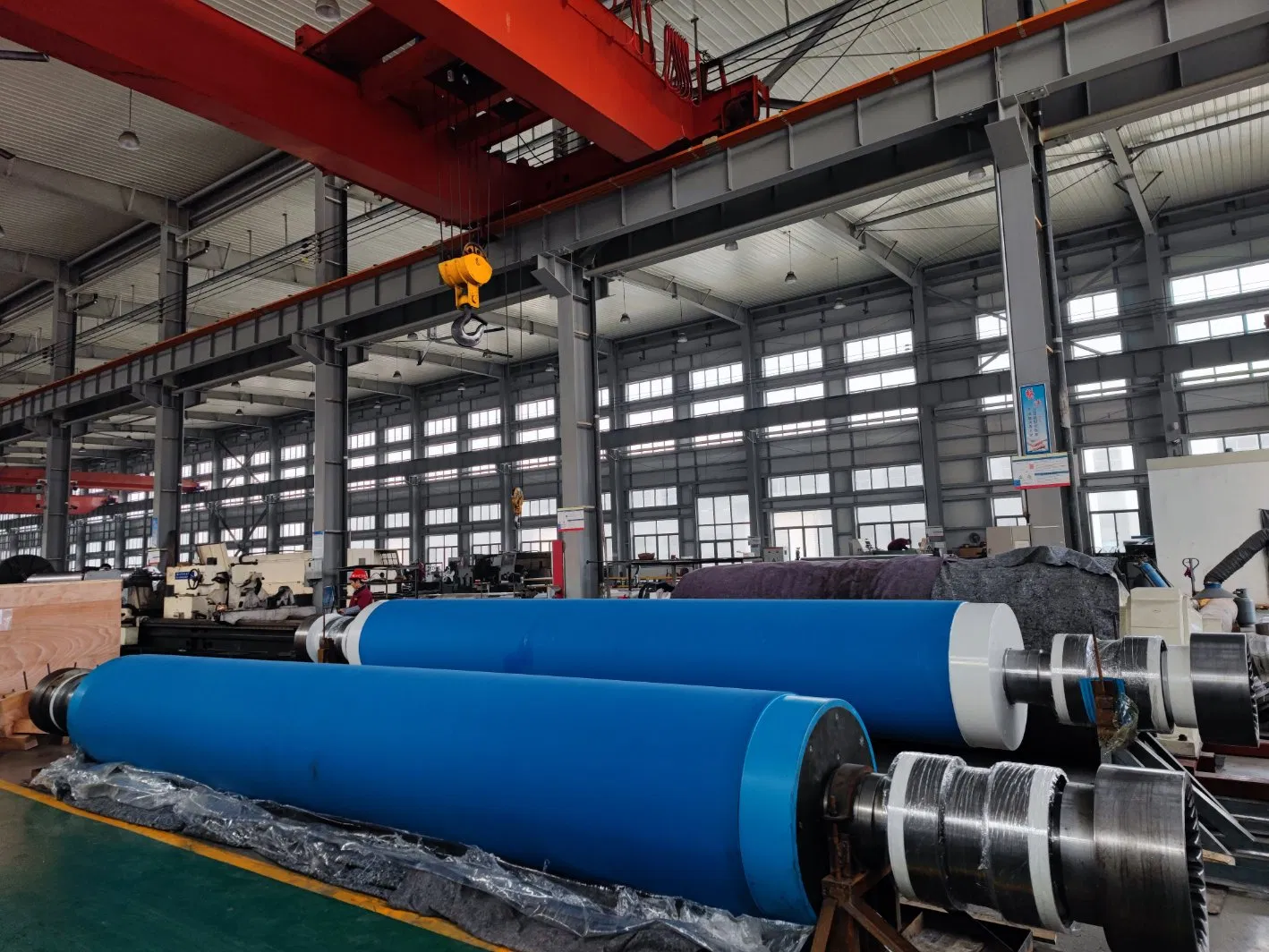
* Quality of Materials: Does the supplier source high-grade raw materials? Are they transparent about their material specifications? * Manufacturing Precision: The tolerances for paper machine rolls are incredibly tight. A good supplier will have state-of-the-art machining capabilities, ensuring perfect roundness, balance, and surface finish. In my experience, even minor deviations can lead to vibration, uneven wear, and ultimately, product defects. * Surface Treatments and Coatings: Many rolls require specialized coatings or surface treatments, such as chrome plating, rubber coverings, or specialized polymer coatings, to enhance their performance, durability, and resistance to chemicals or abrasion. The supplier's expertise in these areas is vital.
### 2. Customization and Engineering Capabilities
No two paper mills are exactly alike. Machine configurations, operating conditions, and the types of paper being produced vary significantly. Therefore, an ideal industrial paper machine roll supplier should offer robust customization and engineering support.
* Bespoke Solutions: Can they design and manufacture rolls to your exact specifications, or do they offer a standard range that can be modified? * Engineering Support: Do they have a team of engineers who can consult with you on roll design, material selection, and performance optimization? This is particularly important when troubleshooting issues or looking to upgrade your existing rolls. * Problem-Solving: Have you encountered a unique challenge with a specific roll? A good supplier can leverage their expertise to develop a tailored solution. For instance, I recall a situation where a mill was experiencing premature wear on their calender rolls due to a new paper coating; the supplier was instrumental in identifying a more durable polymer covering.
### 3. Quality Control and Certifications
Rigorous quality control is non-negotiable. Paper machine rolls operate under immense stress and at high speeds. Any defect can have catastrophic consequences.
* Testing Procedures: What are their quality assurance protocols? Do they perform dynamic balancing, ultrasonic testing, hardness testing, and surface profilometry? * Certifications: Are they ISO certified or do they adhere to other relevant industry standards? This provides an external validation of their commitment to quality. * Traceability: Can they provide full traceability of materials and manufacturing processes for each roll?
### 4. Lead Times and Reliability
Downtime in a paper mill is incredibly expensive. When a critical roll fails, you need a replacement quickly.
* Production Capacity: Can the supplier meet your demand, even for urgent orders? * Delivery Guarantees: Do they have a proven track record of on-time delivery? * Inventory Management: Do they maintain a stock of common roll types or materials that can expedite delivery?
### 5. After-Sales Support and Maintenance Services
The relationship with your supplier shouldn't end once the rolls are delivered.
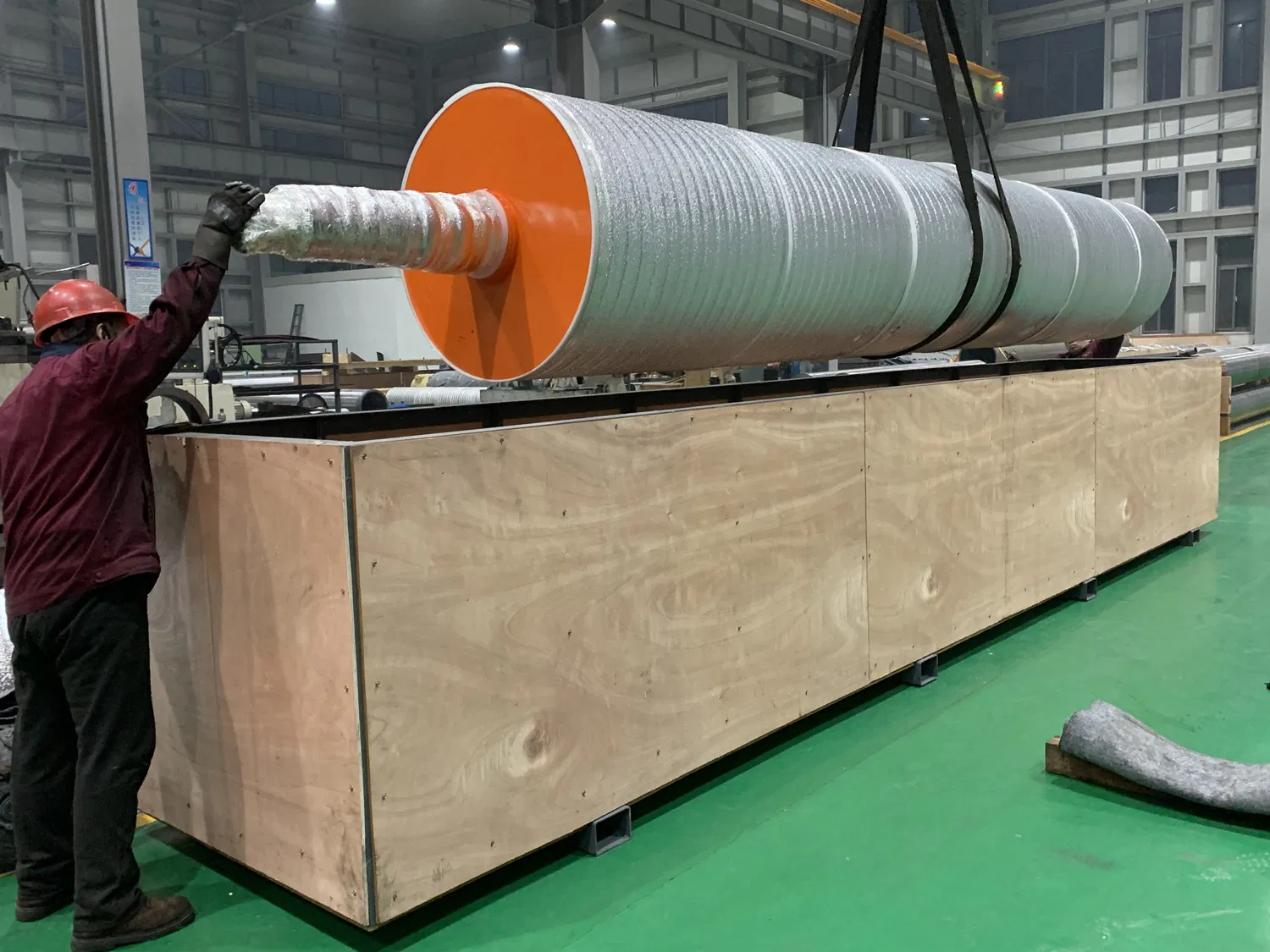
* Repair and Refurbishment: Do they offer repair and refurbishment services for your existing rolls? This can be a cost-effective alternative to purchasing new ones. * Technical Assistance: Are they available to provide technical support if you encounter issues during installation or operation? * Preventative Maintenance Advice: Can they offer guidance on best practices for roll maintenance to extend their lifespan and prevent premature failure?
## The Importance of Roll Maintenance and Longevity
Investing in high-quality rolls from a reputable industrial paper machine roll supplier is only half the battle. Proper maintenance is crucial for maximizing their lifespan and ensuring consistent paper quality.
### Routine Inspections and Cleaning
Regular visual inspections can catch early signs of wear, damage, or contamination. Cleaning is also vital, especially for rolls in the press and calender sections, where fiber, filler, and coating residues can build up, affecting their performance and the paper surface.
### Dynamic Balancing
Over time, rolls can become unbalanced due to wear, material buildup, or damage. An unbalanced roll will vibrate, leading to increased wear on bearings and the roll itself, as well as affecting paper quality. Many suppliers offer dynamic balancing services, which is essential for high-speed machines.
### Surface Refinishing and Recoating
When a roll’s surface becomes worn, damaged, or no longer meets the required specifications, it may need refinishing or recoating. This is where the expertise of your supplier in materials and surface treatments becomes invaluable. They can assess the damage and recommend the most effective solution, whether it's grinding, polishing, or applying a new coating.
### Understanding Wear Patterns
Observing wear patterns on your rolls can provide valuable insights into your papermaking process. Are you seeing excessive wear on one side? Is the wear uniform across the face? These patterns can indicate issues with machine alignment, felt tension, or stock consistency. A good supplier can help you interpret these patterns and suggest corrective actions.
## Future Trends in Paper Machine Rolls
The paper industry is constantly evolving, driven by the demand for new paper grades, increased efficiency, and environmental sustainability. This evolution directly impacts the requirements for paper machine rolls.
### Advanced Materials and Coatings
We're seeing a move towards even more advanced materials and coatings that offer superior wear resistance, chemical inertness, and improved heat transfer properties. This includes ceramic coatings, advanced polymer composites, and specialized alloys designed for extreme conditions.
### Smart Rolls and IoT Integration
The integration of sensors into paper machine rolls is becoming more prevalent. These "smart rolls" can monitor parameters like temperature, vibration, and pressure in real-time. This data, when fed into an IoT platform, allows for predictive maintenance, process optimization, and immediate anomaly detection. Imagine a roll that tells you it's about to fail before it actually does!
### Sustainability and Energy Efficiency
Suppliers are also focusing on developing rolls that contribute to energy efficiency and sustainability. This can include rolls with improved heat transfer for dryer sections, reducing steam consumption, or rolls made from more environmentally friendly materials.
## Choosing the Right Partner: Beyond the Transaction
Ultimately, selecting an industrial paper machine roll supplier is about forging a partnership. You want a company that is not only capable of delivering high-quality products but also one that is invested in your long-term success.
* Communication: Is communication clear and responsive? Do they listen to your needs and concerns? * Innovation: Are they actively researching and developing new solutions? * Commitment to Quality: Do they demonstrate a genuine commitment to excellence in every aspect of their business?
Have you ever wondered how much a single, perfectly manufactured roll contributes to the overall efficiency of a paper mill? It's truly astounding. The right supplier can be a game-changer, providing the critical components that keep your paper machines running smoothly and your products meeting the highest standards.
For more detailed information, please visit our official website:industrial paper machine roll supplier
About the author: As a seasoned mechanical engineer with over 15 years of experience in the pulp and paper industry, Alex Chen specializes in the design, maintenance, and optimization of paper machine components. His expertise spans materials science, precision manufacturing, and the critical role of suppliers in ensuring operational excellence. Alex is passionate about sharing practical insights to help mills improve efficiency and product quality.