

# Mastering Paper Machine Roll Diameter: Your Essential Calculator Guide
The world of papermaking is a fascinating blend of science, engineering, and precision. At the heart of this intricate process lies the paper machine, a colossal piece of machinery responsible for transforming pulp into the paper we use every day. Within this machine, countless rolls work in concert, each playing a critical role. One of the most fundamental aspects of managing these rolls is understanding their diameter. Frankly speaking, getting the roll diameter right isn't just a matter of aesthetics; it directly impacts machine performance, paper quality, and operational efficiency. This is where a reliable paper machine roll diameter calculator becomes an indispensable tool for engineers and operators alike.
## Understanding the Importance of Roll Diameter in Papermaking
Why all the fuss about roll diameter? It's a question many might ask, especially those new to the industry. To be honest, the diameter of a paper machine roll is far from arbitrary. It's a carefully calculated dimension that influences a multitude of factors.
### The Role of Rolls in Paper Production
Paper machines are complex systems. They typically consist of several sections: the headbox, the wire section, the press section, the dryer section, and the calender/reeling section. Each section utilizes various types of rolls, including:
* Forming rolls: In the wire section, these help dewater the pulp slurry. * Press rolls: These squeeze out more water and compact the paper web. * Dryer rolls: Heated cylinders that evaporate remaining moisture. * Calender rolls: Smooth, hard rolls that control paper thickness and surface finish. * Reel rolls: Where the finished paper is wound into large parent rolls.
The diameter of each of these rolls is engineered to specific requirements. For instance, dryer rolls need to maintain consistent surface speed to prevent web breaks, while calender rolls must be precisely sized to achieve uniform nip pressures.
### Impact on Paper Quality and Machine Efficiency
A roll with an incorrect diameter can lead to a cascade of problems.
* Web tension issues: Incorrect diameters can cause uneven tension across the paper web, leading to wrinkles, folds, or even complete web breaks. This is a major cause of downtime and lost production. * Surface finish inconsistencies: In the calender section, for example, if rolls have slightly different diameters, the nip pressure will be uneven, resulting in variations in gloss, smoothness, and thickness across the paper width. * Speed mismatches: Rolls operating in series, like those in the dryer section, need to maintain precise speed synchronization. Differences in diameter will lead to speed differences, stressing the paper web. * Energy consumption: Inefficient roll operation due to incorrect sizing can lead to increased energy usage.
It's worth noting that as rolls wear down over time due to friction and use, their diameter decreases. This wear necessitates adjustments or eventual replacement. A paper machine roll diameter calculator helps in monitoring these changes and planning for maintenance or replacement cycles.
## Key Factors Influencing Paper Machine Roll Diameter Calculations
Calculating the ideal diameter for a paper machine roll isn't a simple one-size-fits-all approach. Several critical factors must be considered to ensure optimal performance.
### Material Properties and Load Bearing
The type of paper being produced significantly influences the forces exerted on the rolls. Different paper grades require varying levels of pressing and drying. The material composition of the roll itself – whether it's steel, cast iron, or composite – along with its internal structure (e.g., hollow or solid), will determine its strength and rigidity. Engineers must account for the expected loads the roll will bear, including the weight of the paper web, nip forces, and any external pressures.
### Operating Speed and Nip Pressure
The speed at which the paper machine operates is a crucial variable. Higher speeds often necessitate larger diameter rolls to maintain adequate surface area for heat transfer (in dryers) or to manage web dynamics. Similarly, the nip pressure applied by press rolls is a critical parameter for dewatering and sheet consolidation. The required nip pressure directly influences the required strength and stiffness of the rolls, which in turn affects their diameter and construction.
### Thermal Expansion and Crown Control
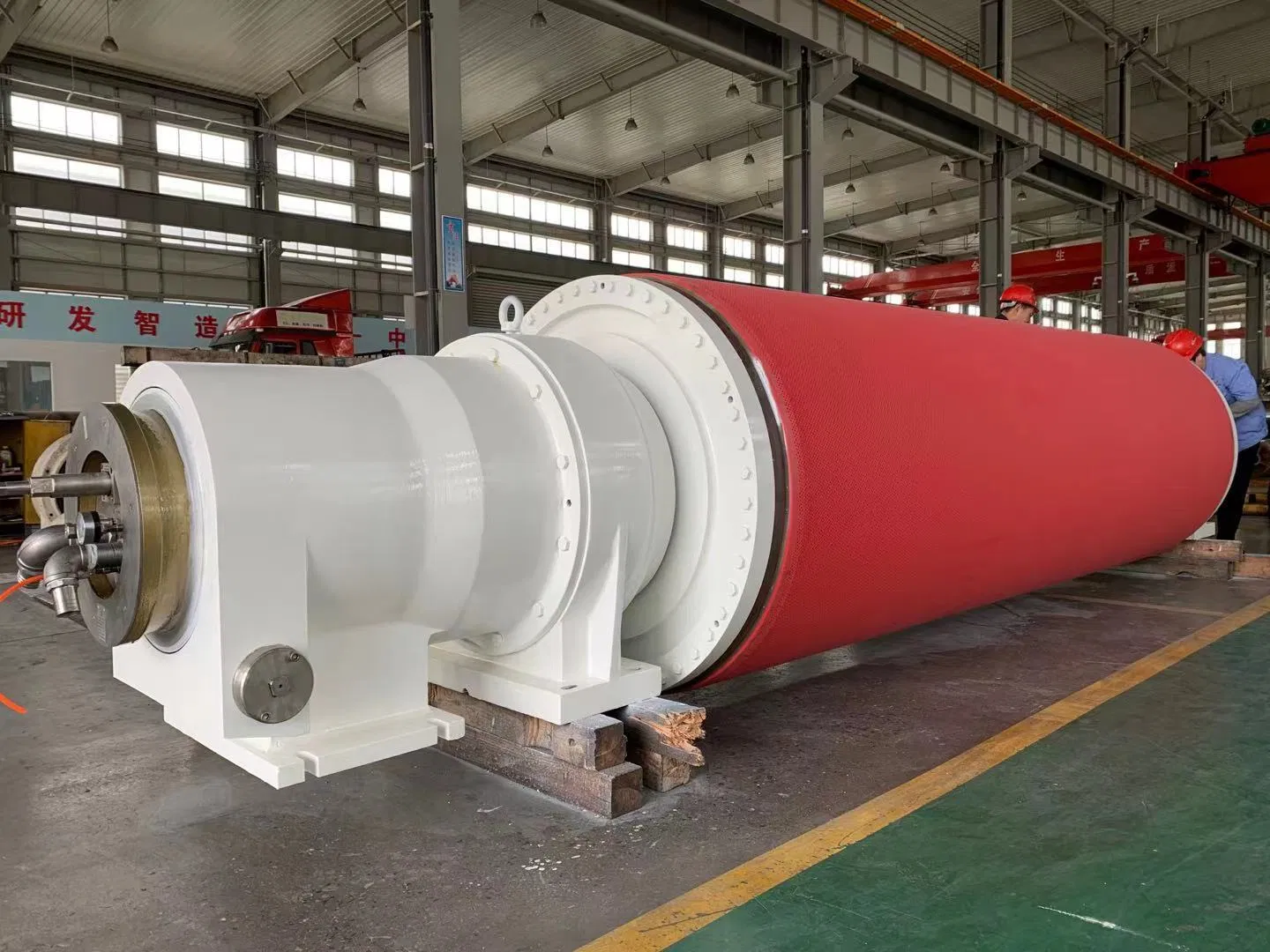
Paper machines operate at elevated temperatures, especially in the dryer section. Thermal expansion of the rolls must be factored into the design. Rolls are often designed with a slight initial diameter or shape (a "crown") to counteract the bending that occurs under load and due to thermal expansion. This crown ensures uniform pressure across the width of the paper web. A precise paper machine roll diameter calculator can help engineers model these thermal effects and determine the optimal initial diameter and crown.
### Wear and Maintenance Considerations
As mentioned earlier, rolls are subject to wear. The rate of wear depends on the materials involved, the operating conditions, and the type of paper being processed. Understanding the expected wear rate is vital for determining the service life of a roll and for planning maintenance schedules. A good calculator might even incorporate wear prediction models.
## The Mechanics of Roll Diameter Calculation: Formulas and Methods
When it comes to the actual calculation, engineers rely on established principles of mechanics and material science. While sophisticated software is commonly used today, understanding the underlying formulas is essential.
### Basic Diameter Calculation for Uniform Loads
For simpler scenarios, the calculation might start with basic geometric principles. However, the complexity arises from the dynamic and often non-uniform forces involved in papermaking.
### Incorporating Bending Stress and Deflection
A primary concern is how the roll will deflect under load. The formula for calculating the deflection of a beam (which a roll essentially is) under various loading conditions is fundamental. This typically involves the modulus of elasticity of the roll material, the moment of inertia of its cross-section, and the applied load.
The general formula for maximum deflection ($\delta$) of a simply supported beam with a uniform load is:
$\delta = \frac{5wL^4}{384EI}$
Where: * $w$ is the uniform load per unit length * $L$ is the span length of the beam (the distance between supports) * $E$ is the modulus of elasticity of the material * $I$ is the moment of inertia of the beam's cross-section
For a cylindrical roll, the moment of inertia ($I$) is calculated as:
$I = \frac{\pi d^4}{64}$
Where $d$ is the diameter of the roll.
This formula highlights how the diameter ($d$) has a significant impact on deflection – it's raised to the fourth power! This means even small changes in diameter can drastically alter how much the roll bends.
### Advanced Calculations for Nip Loads and Thermal Gradients
In reality, the loads are rarely uniform. Nip loads, for instance, are concentrated forces. Calculating the stresses and deflections under these non-uniform conditions requires more complex mathematical models, often involving finite element analysis (FEA). FEA breaks down the roll into smaller elements, allowing for detailed simulation of stress distribution and deformation.
## Utilizing a Paper Machine Roll Diameter Calculator Effectively
Having access to a paper machine roll diameter calculator is one thing; using it effectively is another. It's not just about plugging in numbers; it's about understanding the context and the implications of the results.
### Inputting Accurate Data
The accuracy of any calculation is entirely dependent on the quality of the input data. This includes:
* Material properties: Precise values for the Young's modulus, Poisson's ratio, and yield strength of the roll material. * Geometric parameters: The length of the roll, bearing span, and any existing dimensions. * Operational parameters: Expected machine speeds, nip pressures, and operating temperatures. * Load conditions: The weight of the paper web, any doctor blades, and other external forces.
In my experience, engineers often overlook the subtle but critical details, like the exact bearing span or the specific grade of steel used. Double-checking all inputs is paramount.
### Interpreting the Results and Making Decisions
Once the calculator provides a diameter or indicates potential issues, it's crucial to interpret these results correctly.
* Is the calculated diameter feasible? Can a roll of that size be manufactured and accommodated within the machine structure? * Are the deflection and stress levels within acceptable limits? Most engineering standards define maximum allowable deflection and stress to prevent premature failure or performance degradation. * Does the calculated diameter align with existing rolls? For rolls operating in series, maintaining consistent diameters is often necessary.
Have you ever wondered how much a millimeter difference in roll diameter can affect your entire production line? It can be substantial!
### The Role of Software and Online Tools
Modern paper machine roll diameter calculator tools often come in the form of specialized software or even user-friendly online calculators. These tools automate complex calculations, allowing engineers to quickly iterate through different design scenarios. They can also incorporate databases of material properties and standard engineering practices, making the process more efficient and less prone to manual error.
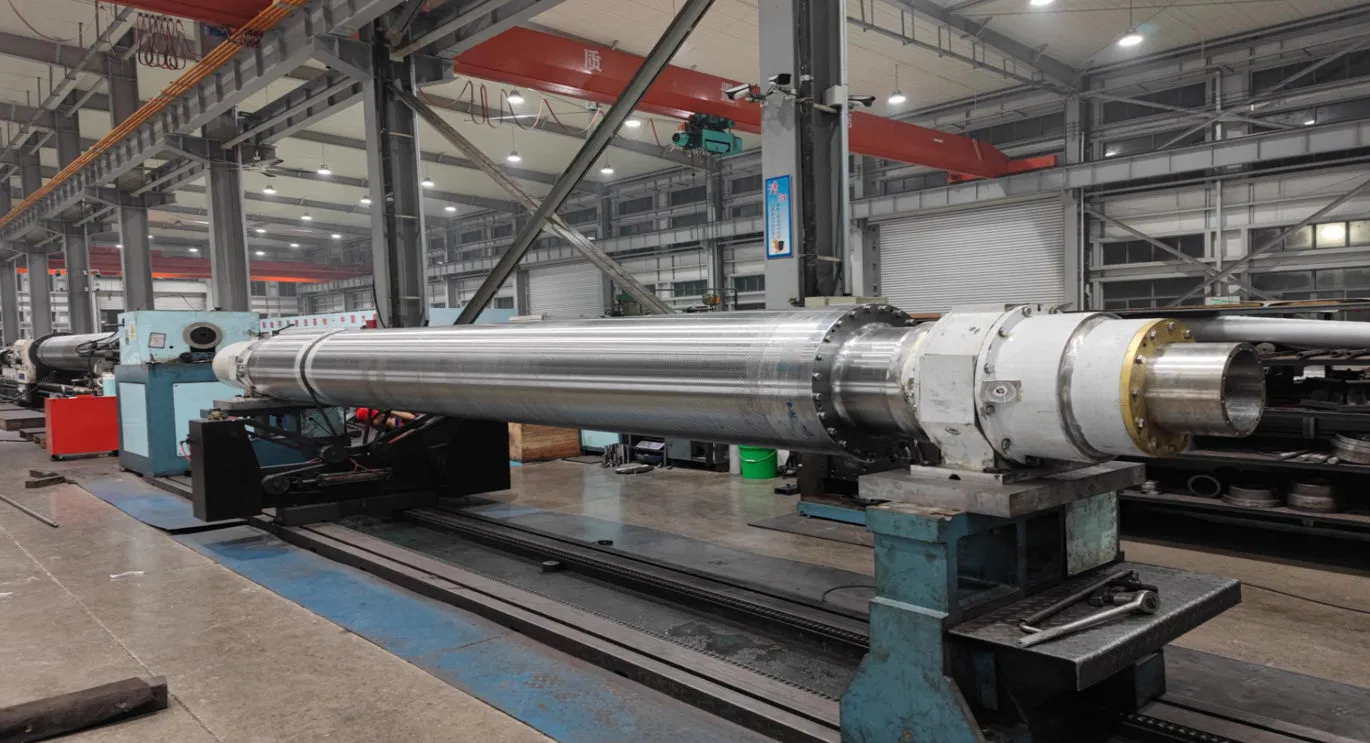
Interestingly enough, many of these tools also provide visualizations of stress and deflection, making it easier to understand the underlying mechanics.
## Beyond the Calculator: Considerations for Roll Design and Maintenance
While a calculator is a powerful tool, it's just one piece of the puzzle in managing paper machine rolls effectively.
### Material Selection and Manufacturing Tolerances
The choice of material is critical. High-strength steels, specialized alloys, and even composite materials are used depending on the application. Furthermore, manufacturing tolerances are vital. Even with precise calculations, if the roll isn't manufactured to tight tolerances, its performance will be compromised.
### Crown Adjustment and Dynamic Balancing
As mentioned, crown control is essential for uniform nip pressure. This might involve internal heating/cooling systems or adjustable crowns. Dynamic balancing of rolls is also crucial, especially for high-speed machines, to prevent vibrations that can lead to web breaks and damage to the machine.
### Regular Inspection and Predictive Maintenance
To ensure longevity and optimal performance, regular inspections are a must. This includes checking for surface wear, corrosion, and any signs of structural fatigue. Predictive maintenance techniques, using sensors and data analysis, are increasingly being employed to anticipate potential roll failures before they occur, minimizing costly downtime. Many experts agree that a proactive approach to maintenance saves far more in the long run than a reactive one.
## The Future of Roll Diameter Management
The papermaking industry is constantly evolving, with demands for higher speeds, greater efficiency, and improved sustainability. This evolution will undoubtedly drive further advancements in roll design and calculation methods.
### Innovations in Materials and Manufacturing
We can expect to see the development of even lighter, stronger, and more durable materials for rolls. Advanced manufacturing techniques, such as additive manufacturing, might also offer new possibilities for creating complex roll geometries and internal structures.
### Smarter Calculators and Integrated Systems
Future paper machine roll diameter calculator tools will likely be even more sophisticated, integrating with real-time sensor data from the machine. This will allow for dynamic adjustments to roll parameters and predictive maintenance based on actual operating conditions rather than just theoretical models. The goal is to create a fully integrated system where the calculator is just one component of a smart, self-optimizing paper machine.
In conclusion, mastering the intricacies of paper machine roll diameter is fundamental to successful papermaking. Whether you're a seasoned engineer or just beginning to explore this field, understanding the factors involved and utilizing the right tools, like a reliable paper machine roll diameter calculator, will pave the way for greater efficiency, superior product quality, and a more robust operation.
For more detailed information, please visit our official website:paper machine roll diameter calculator
About the author: Alex Thompson is a seasoned paper manufacturing engineer with over 15 years of experience in optimizing paper machine operations. He specializes in mechanical design, process efficiency, and troubleshooting complex machinery issues. Alex is passionate about sharing his knowledge to help improve the industry's understanding of critical engineering principles.