

The paper industry is a complex ecosystem, and at its heart lie the intricate machinery that transforms pulp into the paper products we use every day. Among the most critical components are the rolls within these machines. Frankly speaking, the performance and longevity of your paper production line often hinge on the quality and suitability of these rolls. When standard options just don't cut it, the search for a custom paper machine roll for sale becomes paramount. This isn't just about replacing a worn-out part; it's about optimizing your entire operation. Have you ever wondered what goes into selecting the *right* roll for your specific paper grade and machine type?
In my experience, many paper mills overlook the profound impact that a precisely engineered roll can have. It can mean the difference between consistent quality and costly downtime, between high energy consumption and efficient operation. This guide is designed to demystify the process of acquiring custom paper machine rolls, ensuring you find solutions that truly meet your needs.
Understanding the Crucial Role of Paper Machine Rolls
Before diving into the specifics of finding custom options, it's essential to appreciate why these rolls are so vital. Paper machine rolls are not monolithic entities; they come in a vast array of types, each serving a distinct purpose in the papermaking process. From the initial forming section where water is drained, through pressing and drying, to the final calendering and reeling stages, rolls are constantly at work. They guide the paper web, apply pressure, transfer heat, and impart surface characteristics.
Consider the forming rolls, which support the forming fabric and aid in dewatering. Then there are the press rolls, crucial for removing more water and consolidating the sheet. The dryer section relies heavily on heated dryer rolls to evaporate remaining moisture. Finally, calender rolls are used to smooth and polish the paper surface, controlling its thickness and gloss. Each of these functions demands specific material properties, surface finishes, and dimensional accuracy. A standard, off-the-shelf roll might suffice for some applications, but for specialized paper grades, high-speed machines, or unique operational challenges, a bespoke solution is often the only way to achieve optimal results.
The Limitations of Standard Rolls
Why would a paper mill need a custom roll? The reasons are varied and often stem from the evolving demands of the paper market.
- Specialty Papers: Producing fine art paper, tissue, packaging board, or security paper often requires unique web handling characteristics that standard rolls cannot provide.
- Machine Upgrades and Modifications: When a paper machine is upgraded for higher speeds, different paper widths, or new functionalities, existing rolls may no longer be compatible or efficient.
- Material Compatibility: Some paper grades or chemical treatments used in the process can be corrosive or abrasive, necessitating rolls made from specialized alloys or with protective coatings.
- Energy Efficiency Goals: Rolls designed for lower friction or improved heat transfer can contribute significantly to reducing energy consumption in the drying and pressing sections.
- Reducing Web Breaks: Improper roll crowning, surface finish, or deflection can lead to web breaks, causing significant downtime and material loss. Custom rolls can be engineered to mitigate these issues.
Interestly enough, many paper mills operate with rolls that are not perfectly suited to their current needs, simply because they haven't explored the custom option. This can lead to a cascade of problems, from inconsistent product quality to premature wear and tear on other machine components.
Navigating the Market for Custom Paper Machine Rolls for Sale
When you've identified the need for a custom solution, the next step is to find a supplier who can deliver. The market for custom paper machine roll for sale offerings can seem daunting, but with a structured approach, you can identify reliable partners.
Identifying Potential Suppliers
Several avenues exist for finding manufacturers and suppliers of custom paper machine rolls:
- Industry Trade Shows and Conferences: These events are excellent for meeting manufacturers face-to-face, seeing their capabilities, and discussing your specific needs.
- Online Industrial Directories and Marketplaces: Websites dedicated to industrial equipment often list specialized manufacturers. Searching for terms like "paper machine roll manufacturer" or "bespoke paper roll solutions" can yield results.
- Referrals and Industry Networks: Talk to colleagues in other paper mills. Word-of-mouth recommendations can be invaluable for finding trusted suppliers.
- Direct Manufacturer Websites: Many established roll manufacturers have detailed websites showcasing their custom fabrication capabilities.
It's worth noting that not all suppliers are created equal. Some may specialize in certain types of rolls (e.g., rubber-covered rolls, granite rolls, steel rolls), while others offer a broader range of custom services. Your initial research should focus on identifying those with a proven track record in the specific type of roll you require.
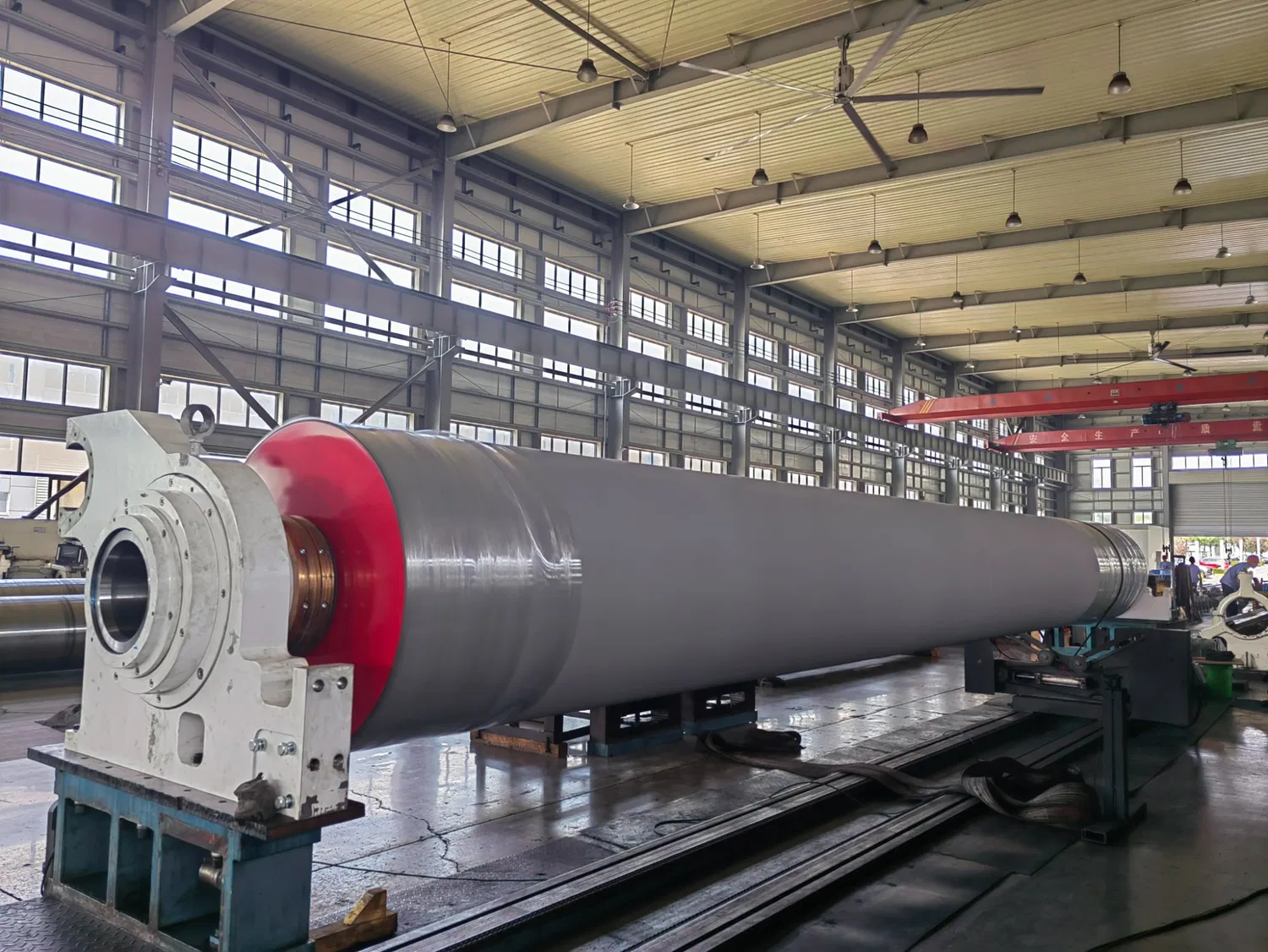
Key Considerations When Specifying Your Custom Roll
To ensure you get exactly what you need when looking for a custom paper machine roll for sale, meticulous specification is crucial. This involves providing detailed information to potential suppliers.
Material Selection
The choice of material is fundamental and depends heavily on the roll's function and the operating environment. Common materials include:
- Steel: Various grades of steel are used, often with specific heat treatments or surface hardening for durability and resistance to wear.
- Stainless Steel: Essential for applications involving corrosive chemicals or where hygiene is paramount.
- Cast Iron: Offers excellent rigidity and vibration damping, often used in press rolls.
- Rubber and Polyurethane Coverings: Applied to steel cores, these provide specific nip characteristics, grip, and surface properties for press and coating rolls. The compound formulation is critical.
- Granite: Used for its hardness, smooth surface, and thermal stability in certain calendering applications.
- Composites: Advanced composite materials are increasingly used for their lightweight properties, high strength, and resistance to deflection, especially in high-speed machines.
In my experience, the wrong material choice can lead to rapid degradation, impacting both the roll's lifespan and the quality of the paper produced. Don't be afraid to ask your potential supplier for recommendations based on your specific application.
Dimensional Accuracy and Tolerances
Precision is non-negotiable. This includes:
- Diameter and Length: Must match existing machine specifications or the design for a new configuration.
- Straightness and Roundness: Critical for uniform pressure and web contact. Deviations can cause uneven drying, pressing, or calendering.
- Surface Finish: The roughness (Ra value) and texture of the roll surface are vital for proper web handling, preventing sticking, and achieving desired paper properties.
- Crown and Deflection Control: Many rolls are designed with a slight bulge (crown) to counteract deflection under load, ensuring uniform pressure across the web width. Custom crowning is a common requirement.
Bearing and Shaft Specifications
The roll's shaft and bearing interfaces must be designed to handle the operational loads, speeds, and temperatures. This includes:
- Shaft diameter and material
- Bearing type and fit
- Sealing arrangements to prevent contamination
Special Features
Depending on the roll's function, you might need:
- Internal heating or cooling capabilities
- Grooving or specific surface patterns
- Balancing for high-speed operation
- Special coatings for wear resistance or non-stick properties
The Customization Process: From Design to Delivery
Once you've identified a promising supplier and provided them with your specifications, the customization process begins. This is typically a collaborative effort.
Design and Engineering Consultation
A reputable manufacturer will engage in a detailed consultation. They'll want to understand:
- The specific paper machine and section the roll will be used in.
- The type of paper being produced (grade, weight, furnish).
- Operating conditions (speed, temperature, pressure, chemical exposure).
- Any historical issues with existing rolls.
- Desired outcomes or improvements.
This dialogue is crucial for them to translate your needs into a precise engineering design. They may provide CAD drawings or 3D models for your review and approval before manufacturing commences. It's important to be thorough at this stage; changes after manufacturing begins can be costly and time-consuming.
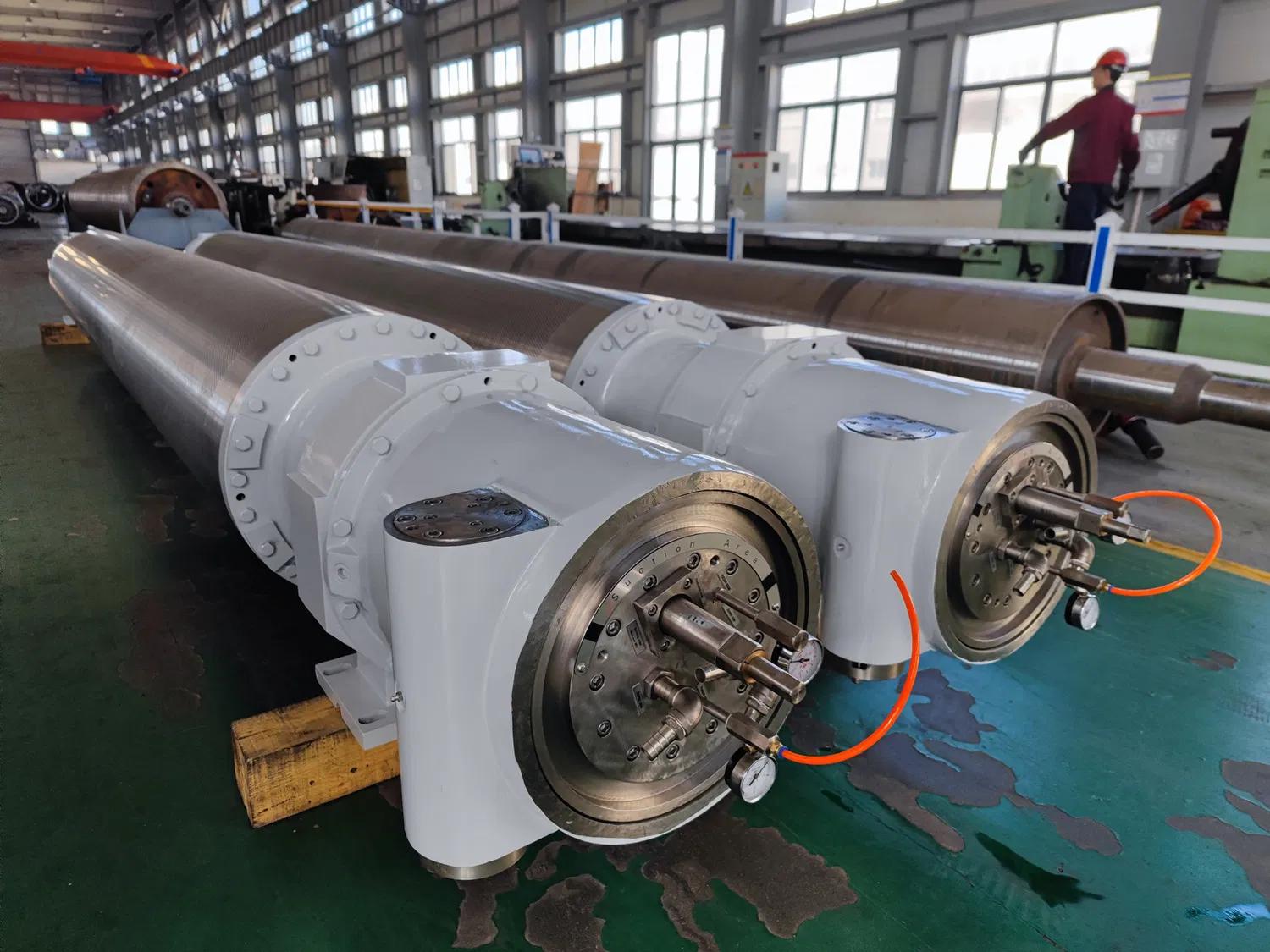
Manufacturing and Quality Control
The manufacturing process for a custom paper machine roll for sale involves precision machining, material treatment, and often specialized surface finishing. Key aspects include:
- Material Sourcing: Ensuring the use of high-quality raw materials that meet the specified standards.
- Machining: Precise turning, grinding, and polishing to achieve exact dimensions and surface finishes.
- Heat Treatment and Hardening: If required, to impart necessary strength and wear resistance.
- Covering Application: For rubber or polyurethane-covered rolls, this involves careful preparation of the core and precise application and curing of the cover material.
- Balancing: Dynamic balancing is essential for high-speed rolls to prevent vibration and ensure smooth operation.
- Inspection and Testing: Throughout the manufacturing process, and especially upon completion, rigorous quality checks are performed. This can include dimensional checks, surface profilometry, hardness testing, non-destructive testing (like ultrasonic or dye penetrant), and visual inspection.
Many manufacturers will provide a detailed inspection report with the delivered roll, documenting all quality control measures taken. This transparency is a good sign of a reliable supplier.
Lead Times and Logistics
Custom manufacturing inherently takes longer than procuring standard parts. Lead times can vary significantly based on the complexity of the roll, the manufacturer's current workload, and the availability of specialized materials. It's essential to factor these lead times into your production planning to avoid unexpected downtime.
Logistics also play a role. Large paper machine rolls can be heavy and bulky, requiring specialized shipping and handling. Discuss shipping options, costs, and delivery schedules with your supplier well in advance.
Maximizing the Value of Your Custom Paper Machine Roll Investment
Purchasing a custom roll is an investment, and like any investment, you want to maximize its return. Beyond the initial purchase, consider these factors:
Installation and Commissioning
Proper installation is as critical as the manufacturing quality. Incorrect alignment, overtightening of bearings, or improper handling during installation can negate the benefits of a custom-engineered roll and even lead to premature failure. If you are not experienced with roll installation, consider engaging the manufacturer's technical support or a specialized installation team.
Maintenance and Care
Regular maintenance is key to extending the life of any roll, and custom rolls are no exception. This includes:
- Regular Cleaning: Removing paper dust, chemicals, and other contaminants that can affect performance and potentially damage the surface.
- Lubrication: Ensuring bearings are properly lubricated according to the manufacturer's recommendations.
- Inspection: Periodically checking for signs of wear, damage, or corrosion.
- Cover Maintenance: For rubber or polyurethane-covered rolls, monitoring for cuts, blisters, or excessive wear and addressing issues promptly.
It's worth noting that some custom rolls might have specific maintenance requirements dictated by their unique materials or design. Always refer to the manufacturer's guidelines.
Performance Monitoring and Feedback
Once your custom roll is in operation, monitor its performance closely. Track metrics such as:
- Web break frequency
- Paper quality consistency
- Energy consumption
- Downtime related to the roll section
Gathering this data provides valuable feedback, not only for your own operational insights but also for future roll procurements. If the custom roll has solved a specific problem, document the improvement. If there are minor issues, this feedback can be invaluable for future iterations or for the supplier to refine their designs. Many experts agree that a continuous feedback loop between the end-user and the manufacturer is essential for long-term success.
Finding the right custom paper machine roll for sale is a strategic decision that can significantly enhance your paper production efficiency, product quality, and overall profitability. By understanding your needs, carefully selecting a supplier, and engaging in a thorough specification and manufacturing process, you can acquire a roll that is perfectly tailored to your unique operational demands.
For more detailed information, please visit our official website:custom paper machine roll
About the author: With over 15 years of hands-on experience in the paper manufacturing sector, Alex Chen is a recognized expert in industrial machinery optimization. His career has spanned roles in production management and equipment procurement, giving him deep insights into the critical components that drive paper mill efficiency. Alex is passionate about sharing practical knowledge to help mills overcome operational challenges and achieve peak performance.