

The paper machine is a complex symphony of moving parts, and at its heart lie the rolls. These unsung heroes are crucial for everything from sheet formation and pressing to drying and winding. Frankly speaking, their condition and performance directly dictate the overall efficiency, quality, and profitability of your paper production. Optimizing paper machine roll performance isn't just about keeping things running; it's about pushing the boundaries of what's possible. In my experience, many mills focus on the big picture, but neglecting the granular details of roll health can lead to significant downtime and quality issues.
The Critical Role of Rolls in Paper Manufacturing
Before we dive into optimization strategies, it's worth noting just how vital each roll is. From the suction rolls that dewater the sheet to the press rolls that squeeze out more moisture, and the dryer rolls that evaporate the rest, each has a specific, non-negotiable function. Then there are the calender rolls, which impart smoothness and gloss, and the reel and winder rolls, which prepare the paper for its final destination. Any deviation in their intended function – be it due to wear, imbalance, or improper loading – can cascade into a host of problems.Understanding Different Roll Types and Their Functions
* Suction Rolls: These are designed with perforations and an internal vacuum system to remove water from the forming sheet. Their performance is critical for initial dewatering. * Press Rolls: Located in the press section, these rolls apply pressure to squeeze out more water, improving sheet consolidation and reducing the drying load. * Dryer Rolls: Heated cylinders that evaporate the remaining moisture from the paper web. Their surface condition and temperature uniformity are paramount. * Calender Rolls: Used to smooth and polish the paper surface, controlling its thickness and gloss. * Coating Rolls: Applied in coating sections to evenly distribute coating materials. * Reel and Winder Rolls: These handle the finished paper, ensuring consistent tension and cutting. Each of these roll types faces unique challenges and requires specific approaches to ensure optimal performance.Proactive Maintenance: The Cornerstone of Roll Performance
To be honest, reactive maintenance is a costly approach. The real magic in optimizing paper machine roll performance happens through a robust, proactive maintenance program. This isn't just about scheduled greasing; it's a holistic strategy that involves regular inspections, precise measurements, and timely interventions.Regular Inspections and Monitoring
Downtime for inspections might seem counterproductive, but it's an investment. During these periods, thoroughly examine each roll for signs of wear, damage, or contamination. Look for: * Surface Wear: Uneven wear patterns, pitting, or scoring on the roll surface. * Cracks or Delamination: Especially common in rubber-covered rolls. * Bearing Issues: Noisy bearings, excessive heat, or play. * Contamination: Buildup of paper dust, chemicals, or other debris.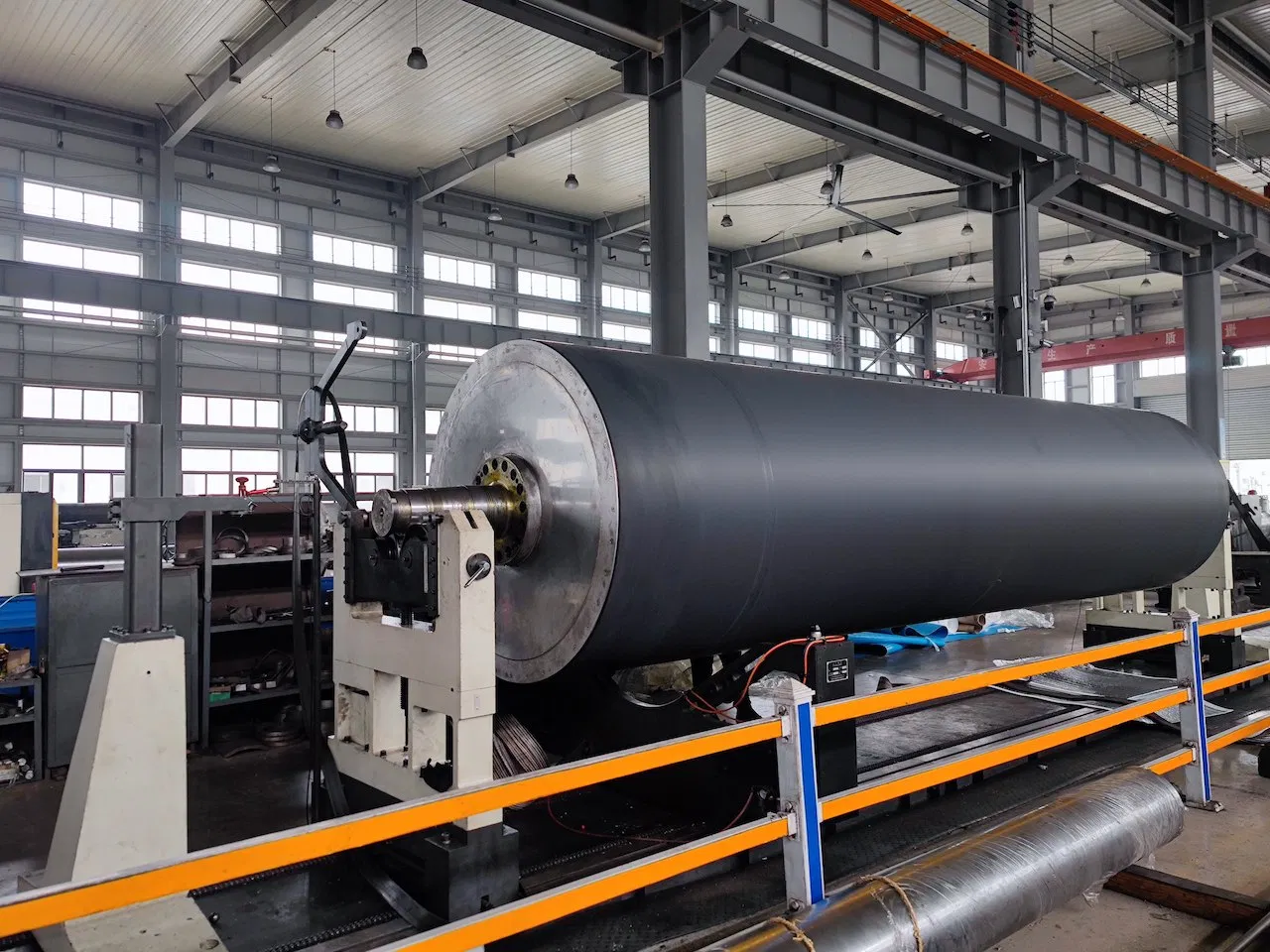
Precision Measuring and Alignment
Maintaining precise alignment and roundness is non-negotiable. Use specialized equipment to measure: * Roll Roundness (Runout): Deviations from a perfect circle can cause vibration and uneven pressure. * Roll Parallelism: Ensuring rolls are parallel to each other and to the machine direction is crucial for uniform sheet handling. * Crown and Profile: The slight curvature designed into some rolls to counteract deflection under load. This needs to be monitored and maintained.Lubrication Best Practices
Proper lubrication is fundamental. Use the correct type and amount of lubricant for each bearing and operating condition. Over-lubrication can be as detrimental as under-lubrication, leading to heat buildup and seal failure.Covering and Grinding Strategies
Many paper machine rolls are covered with materials like rubber or polyurethane to provide specific surface properties. The condition of this covering is critical.When to Refurbish or Replace Roll Coverings
The lifespan of a roll covering depends heavily on the application, operating conditions, and maintenance. Signs that a covering needs attention include: * Loss of elasticity or hardness. * Cracking, chipping, or gouging. * Uneven wear, leading to inconsistent nip pressure. * Contamination that cannot be removed. Refurbishing or regrinding a roll covering can restore its performance. This process requires specialized equipment and expertise to ensure the correct profile and surface finish are achieved. Have you ever wondered how much a worn roll covering can impact your final paper quality?The Importance of Precise Grinding
Grinding is not just about making a roll smooth; it's about restoring its intended geometry. A poorly ground roll can introduce vibrations, cause sheet breaks, and lead to premature wear on other components. Experts agree that investing in high-quality grinding services is essential for optimizing paper machine roll performance.Troubleshooting Common Roll-Related Issues
Even with the best maintenance, issues can arise. Identifying and resolving them quickly is key to minimizing downtime and preventing further damage.Vibration Analysis
Vibration is often an early indicator of roll problems. Unbalanced rolls, bearing defects, or misalignment can all cause excessive vibration. Using vibration analysis tools can help pinpoint the source of the problem before it becomes critical.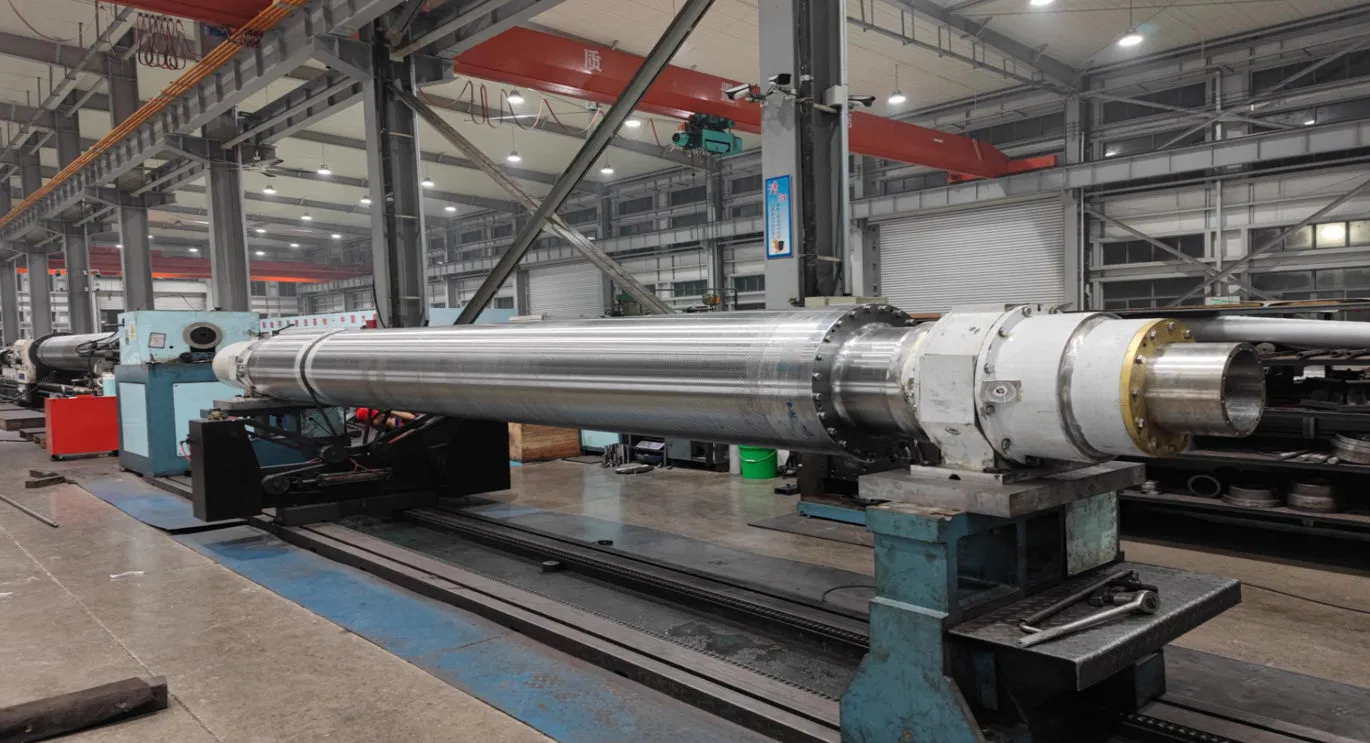
Sheet Defects Linked to Rolls
Many common sheet defects can be traced back to roll issues. For instance: * Streaking or Bar Marks: Often caused by localized wear or damage on a press or calender roll. * Uneven Moisture Profile: Can result from dryer rolls with uneven heating or surface issues. * Calendering Defects (e.g., gloss variations, mottling): Directly related to the condition and pressure applied by calender rolls.Nip Pressure Management
The pressure applied by rolls, particularly in the press and calender sections, is critical. Inconsistent nip pressure can lead to variations in sheet density, moisture content, and surface properties. Regularly checking and calibrating nip measurement systems is vital.Advanced Techniques for Enhancing Roll Performance
Beyond routine maintenance, several advanced techniques can further enhance paper machine roll performance.Roll Balancing
Dynamic balancing of rolls is essential, especially for high-speed machines. An unbalanced roll creates centrifugal forces that lead to vibration, bearing wear, and potential damage to the roll itself and surrounding equipment.Surface Coatings and Treatments
Innovations in roll covering materials and surface treatments offer enhanced durability, improved release properties, and resistance to wear and chemicals. Exploring these options can lead to longer roll life and better performance.Condition Monitoring Systems
Modern condition monitoring systems can provide real-time data on roll health, including temperature, vibration, and speed. This allows for predictive maintenance, enabling interventions *before* a failure occurs. This is a significant step towards truly optimizing paper machine roll performance.The Economic Impact of Optimized Roll Performance
Let's be clear: optimizing paper machine roll performance isn't just about technical excellence; it has a profound economic impact. * Reduced Downtime: Fewer unexpected breakdowns mean more production time. * Improved Product Quality: Consistent roll performance leads to a more uniform and higher-quality paper product, reducing rejects and customer complaints. * Lower Operating Costs: Efficient rolls require less energy, and well-maintained components last longer, reducing replacement and repair expenses. * Increased Throughput: A smoothly running machine with optimal roll performance can often operate at higher speeds. Frankly speaking, the investment in proper roll maintenance and optimization is a direct investment in your bottom line. It's about maximizing the return on your paper machine assets.The Future of Paper Machine Roll Performance
The industry is constantly evolving, and so are the technologies surrounding paper machine rolls. We're seeing a greater emphasis on: * Smart Rolls: Rolls equipped with integrated sensors for continuous, real-time monitoring. * Advanced Materials: Development of new composite materials and coatings offering superior performance and longevity. * Data Analytics: Leveraging machine learning and AI to analyze vast amounts of operational data to predict issues and optimize performance proactively. The pursuit of optimizing paper machine roll performance is an ongoing journey, driven by innovation and a commitment to operational excellence.For more detailed information, please visit our official website:paper machine rolls
About the author: Eleanor Vance is a seasoned paper manufacturing consultant with over 15 years of hands-on experience in optimizing paper machine operations. Her expertise spans mechanical engineering, process improvement, and troubleshooting, with a particular focus on the critical role of roll performance in achieving peak production efficiency and superior paper quality. Eleanor is passionate about sharing practical insights to help mills achieve their operational goals.