

Paper machines are marvels of engineering, complex systems designed for continuous, high-speed operation. At their heart are countless rolls, each playing a critical role in transforming pulp into paper. When these rolls start vibrating, it's not just an annoyance; it's a red flag that can lead to reduced product quality, increased wear and tear, and costly downtime. Frankly speaking, effective paper machine roll vibration troubleshooting is a skill every mill operator and maintenance technician needs to hone.
Have you ever wondered why a seemingly minor vibration can escalate into a major production headache? It's often a cascading effect. A small imbalance, a worn bearing, or even a subtle alignment issue can amplify over time, impacting adjacent components and ultimately compromising the entire papermaking process. This guide aims to demystify the complexities of paper machine roll vibration troubleshooting, providing you with the knowledge and strategies to identify, diagnose, and resolve these persistent issues.
Understanding the Fundamentals of Roll Vibration
Before diving into troubleshooting, it's crucial to grasp what constitutes roll vibration and why it's problematic. Vibration, in essence, is the oscillatory motion of a component around its equilibrium position. In paper machines, rolls are designed to rotate smoothly and with minimal deviation. When they vibrate excessively, it signifies an underlying problem. These vibrations can manifest in various ways: subtle tremors, noticeable shaking, or even loud, rhythmic pounding.
The consequences of unchecked roll vibration are significant. For starters, it directly affects the quality of the paper being produced. Uneven pressing, inconsistent drying, and poor sheet formation are common outcomes. Beyond quality, vibration accelerates wear on bearings, seals, and even the roll surfaces themselves. This premature wear leads to increased maintenance costs and, more critically, unplanned downtime, which is the bane of any production facility. Therefore, a proactive approach to paper machine roll vibration troubleshooting is paramount.
Common Causes of Roll Vibration
In my experience, most roll vibration issues stem from a few core categories. Identifying which category your problem falls into is the first step in effective diagnosis.
1. Imbalance
This is perhaps the most common culprit. Rolls, especially those that handle materials or have coatings, can develop uneven mass distribution. Over time, debris accumulation, wear on the roll surface, or even manufacturing imperfections can lead to an imbalance. As the roll rotates, this uneven weight distribution creates centrifugal forces that cause vibration. It's like trying to spin an unbalanced tire on a car – you feel it immediately.
2. Misalignment
Rolls need to be perfectly aligned with each other and with the machine frame. Misalignment can occur due to settling of the machine structure, improper installation, or damage to mounting components. When rolls are out of alignment, they exert undue stress on their bearings and drive systems, leading to increased friction and, consequently, vibration. This is particularly critical in press sections where rolls are in close proximity and exert significant pressure.
3. Bearing Problems
Bearings are the workhorses that allow rolls to spin freely. When bearings begin to wear, develop flat spots, or become contaminated, they can introduce significant vibration. A failing bearing often produces a distinct, high-frequency vibration that can be detected with specialized equipment. Early detection of bearing issues is key to preventing catastrophic failure.
4. Structural Issues and Foundation Problems
Sometimes, the problem isn't with the roll itself but with the machine's foundation or supporting structure. Settling foundations, loose mounting bolts, or cracks in the machine frame can all transmit and amplify vibrations. It's worth noting that even a perfectly balanced roll can vibrate if its supporting structure is compromised.
5. Roll Surface Defects
Damage to the roll surface, such as nicks, gouges, or uneven wear, can disrupt the smooth passage of the paper web. This disruption can cause localized vibrations that propagate through the machine. In calendering sections, for instance, a damaged roll can imprint defects onto the paper and cause vibration.
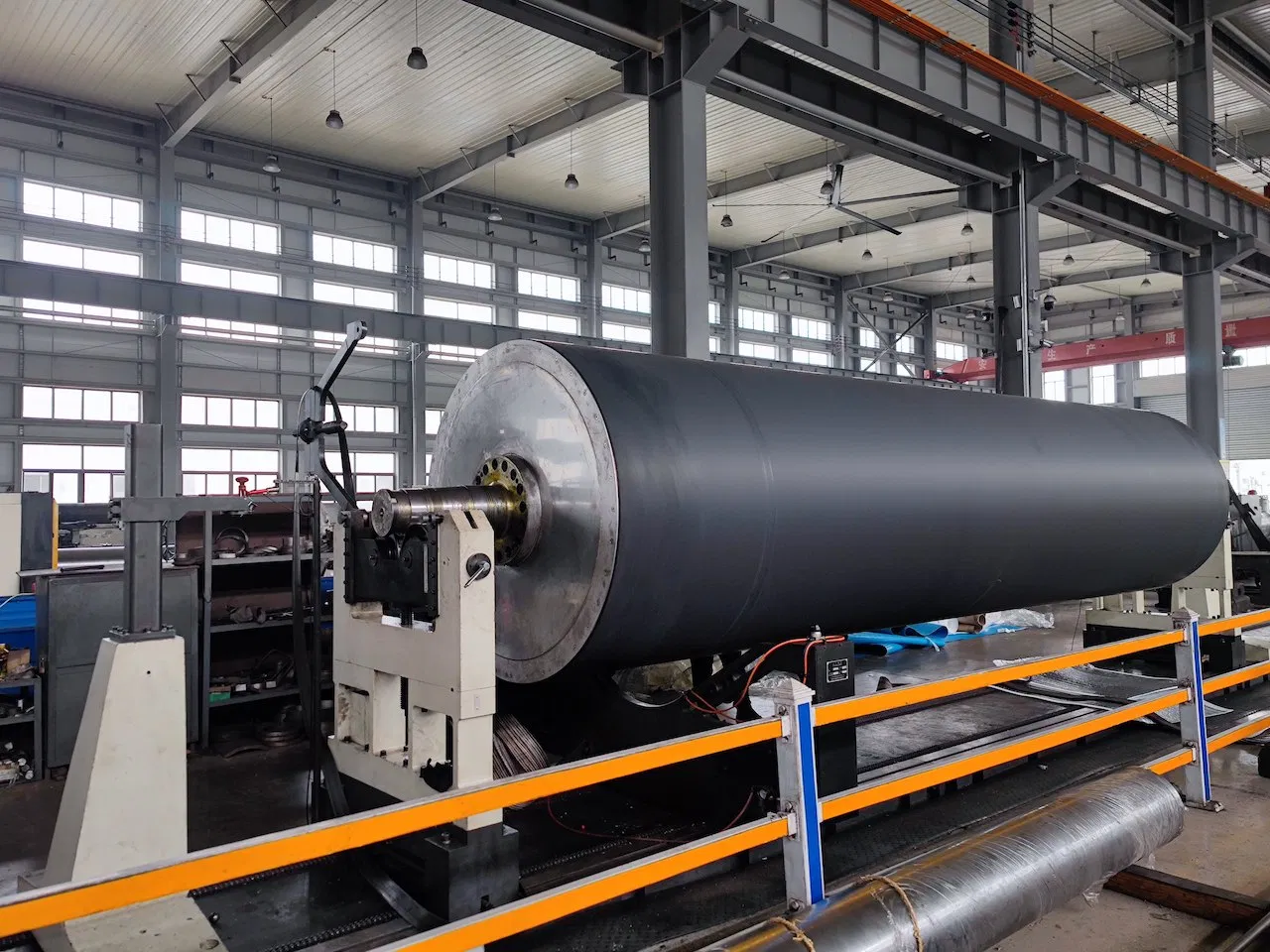
Diagnostic Techniques for Identifying Vibration Sources
Pinpointing the exact cause of paper machine roll vibration requires a systematic approach. Relying on intuition alone is rarely sufficient. Fortunately, a range of diagnostic tools and techniques are available to help you get to the root of the problem.
1. Visual Inspection
This might sound basic, but it's often overlooked. A thorough visual inspection can reveal obvious issues like loose bolts, damaged guards, or visible wear on roll surfaces. Look for signs of grease leakage around bearings, unusual wear patterns on the roll body, or any foreign material that might have become lodged.
2. Listening and Feeling
Your senses are valuable tools. Experienced operators can often detect changes in the machine's sound profile or feel subtle vibrations through the floor or structure. Unusual noises, such as grinding, squealing, or knocking, can indicate specific problems like bearing failure or misalignment. However, relying solely on these can be subjective and may miss subtle issues.
3. Vibration Analysis Tools
This is where technology truly shines. Vibration analysis involves using specialized sensors (accelerometers) to measure the frequency and amplitude of vibrations. A vibration analyst can then interpret this data to identify specific fault frequencies associated with imbalances, misalignments, bearing defects, and gear mesh issues. This is an indispensable tool for effective paper machine roll vibration troubleshooting.
Key metrics in vibration analysis include:
- Amplitude: The magnitude of the vibration.
- Frequency: How often the vibration occurs, measured in Hertz (Hz) or cycles per minute (CPM).
- Phase: The timing of the vibration relative to a reference point, useful for diagnosing shaft issues.
By analyzing these parameters, technicians can often diagnose a problem with remarkable accuracy before it becomes critical. For example, a vibration occurring at the rotational speed of the roll often points to an imbalance, while a vibration at twice the rotational speed might indicate a shaft issue or a bent shaft.
4. Thermal Imaging
Infrared cameras can detect temperature anomalies. Overheated bearings or areas of excessive friction due to misalignment will show up as hot spots. This non-contact method can quickly identify components that are experiencing abnormal stress and are likely contributing to vibration issues.
5. Strobe Lights and Laser Alignment
For diagnosing runout or shaft issues, a strobe light can be used to "freeze" the motion of a vibrating component, allowing for visual inspection of its path. Laser alignment systems are the gold standard for ensuring precise alignment between rolls and other machine components, preventing misalignment-induced vibration.
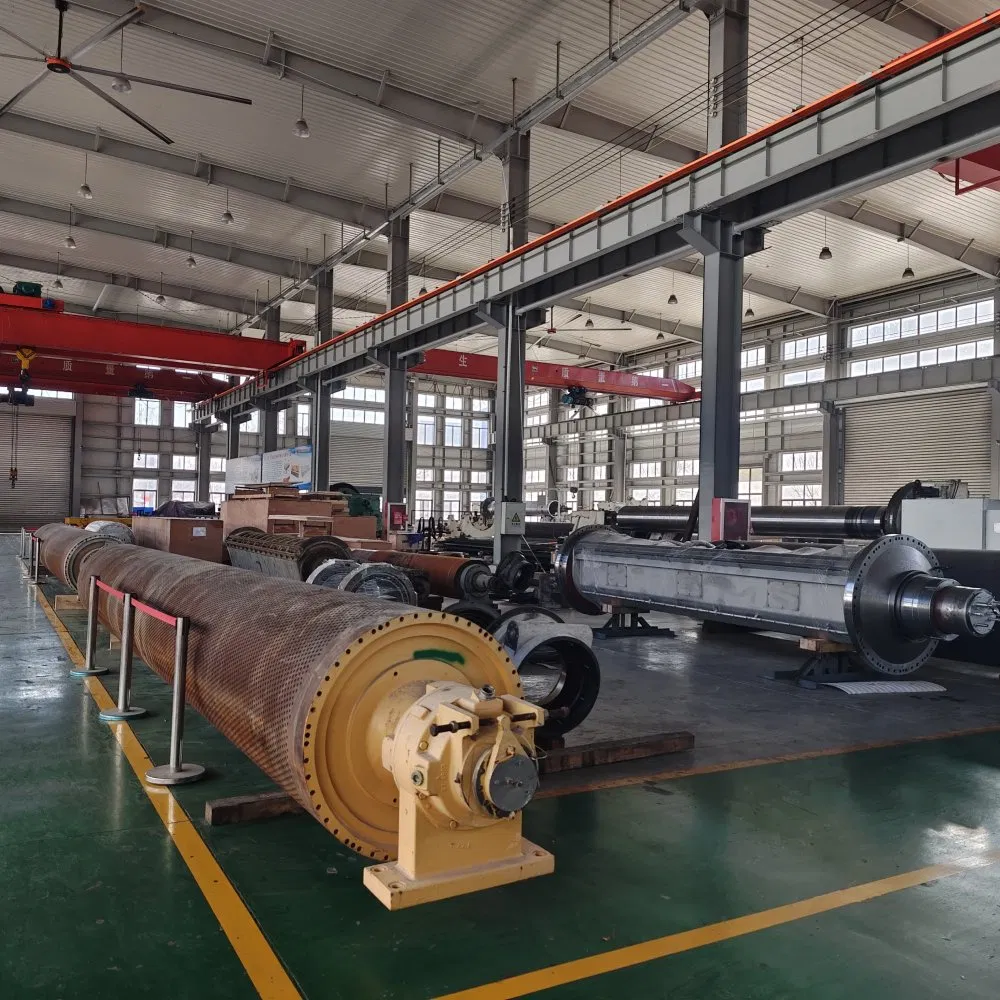
Effective Solutions for Roll Vibration Problems
Once you've diagnosed the root cause, it's time to implement solutions. The approach will vary significantly depending on the identified problem, but here are some common strategies.
1. Addressing Imbalance
If imbalance is the culprit, the solution is usually dynamic balancing. This involves adding or removing small amounts of weight from the roll while it's rotating to counteract the existing imbalance. For rolls that accumulate material, regular cleaning and inspection schedules are essential. In some cases, a simple cleaning might resolve the vibration.
2. Correcting Misalignment
Misalignment issues require careful adjustment of the roll's position. This might involve shimming bearings, adjusting mounting brackets, or realigning the entire roll assembly. Laser alignment tools are invaluable here, ensuring that the rolls are parallel and at the correct distance from each other. It's not just about getting them "close enough"; precision is key.
3. Bearing Replacement and Maintenance
When bearings are worn or damaged, replacement is often the only viable option. It's crucial to use the correct type and size of bearing and to ensure proper lubrication during installation. Regular lubrication and monitoring of bearing temperatures and vibration levels are vital preventative measures. Many experts agree that proactive bearing replacement based on condition monitoring is more cost-effective than waiting for failure.
4. Structural Reinforcement and Repair
If structural issues are contributing to vibration, repairs might involve tightening loose bolts, reinforcing weak supports, or addressing foundation settlement. This might require the expertise of structural engineers to ensure a permanent fix.
5. Roll Surface Refurbishment or Replacement
Minor surface defects might be repairable through grinding or polishing. However, significant damage often necessitates the roll being sent out for resurfacing or complete replacement. Regular inspection of roll surfaces, especially in high-wear areas like press sections, is crucial.
It's worth noting that sometimes, a combination of these issues can be present. For instance, a slight imbalance might put extra stress on a bearing, leading to its premature wear, which in turn can exacerbate misalignment. This highlights the importance of a holistic approach to paper machine roll vibration troubleshooting.
Preventative Maintenance Strategies
The best approach to paper machine roll vibration is to prevent it from happening in the first place. Investing in a robust preventative maintenance program can save significant time and money in the long run.
1. Regular Inspections and Monitoring
Implement a schedule for routine visual inspections of all critical rolls and their associated components. Utilize vibration analysis and thermal imaging as part of your regular condition monitoring program. Early detection is your greatest ally.
2. Lubrication Programs
Ensure that all bearings and moving parts are adequately and correctly lubricated. Follow manufacturer recommendations for lubricant type, quantity, and frequency. Improper lubrication is a leading cause of bearing failure and subsequent vibration.
3. Alignment Checks
Periodically check the alignment of your rolls, especially after any maintenance work or if you suspect issues. Laser alignment systems provide a precise and efficient way to perform these checks.
4. Cleaning and Housekeeping
Maintain a clean working environment. Debris accumulation on rolls, in bearing housings, or on machine structures can lead to imbalances and vibration. Good housekeeping is a simple yet effective preventative measure.
5. Operator Training
Well-trained operators are your first line of defense. They can often spot subtle changes in machine operation that might indicate an emerging vibration problem. Empower them to report any anomalies promptly.
To be honest, a proactive maintenance strategy focused on these areas can significantly reduce the frequency and severity of paper machine roll vibration issues. It shifts the focus from reactive repairs to proactive problem prevention, leading to greater operational efficiency and a more reliable production process.
For more detailed information, please visit our official website:paper machine roll vibration troubleshooting
About the author: Alex Chen is a seasoned mechanical engineer with over 15 years of experience in the pulp and paper industry. He specializes in predictive maintenance, machinery diagnostics, and optimizing the performance of paper machines. Alex has a deep understanding of vibration analysis and has successfully guided numerous mills in implementing effective troubleshooting strategies for critical components like paper machine rolls.