

Have you ever stopped to think about the incredible engineering that goes into a simple sheet of paper? From the morning newspaper to the cardboard box on your doorstep, paper is a ubiquitous part of our lives. Yet, behind its humble appearance lies a world of massive machinery, precision engineering, and sophisticated technology. At the very heart of this process is a component you've likely never heard of: the blind hole press roll. It’s the unsung hero of the paper machine, and the quality of its creation, born within a specialized blind hole press roll factory, directly dictates the efficiency and output of the entire operation.
Frankly speaking, the press section of a paper machine is where the magic of turning a wet, fragile fiber web into a strong, coherent sheet truly begins. This is where massive amounts of water are mechanically squeezed out, a far more energy-efficient process than thermal drying. And the star player in this crucial dewatering act is the press roll. In this guide, we'll pull back the curtain on the world of these remarkable components, explore the intricate manufacturing process, and reveal what separates a good supplier from a great one.
The Heart of Dewatering: Understanding the Blind Hole Press Roll
Before we can appreciate the factory, we must first understand its product. A press roll's primary job is to apply immense pressure to the paper web, which is carried on a porous fabric called a "press felt." This pressure forces water out of the sheet and into the felt. But where does that water go? If it can't escape, it will simply be reabsorbed by the paper sheet once the pressure is released. This is where roll design becomes critical.
The Science of Efficient Water Removal
The surface of the press roll needs to have voids—tiny reservoirs to temporarily hold the water squeezed from the sheet until it can be carried away. Early designs used simple, solid rolls, but efficiency was low. The innovation of grooved and drilled rolls revolutionized the industry. It's worth noting that the choice between these designs depends heavily on the type of paper being produced and the speed of the machine. The goal is always the same: maximum water removal without damaging the paper sheet or the press felt.
Blind Drilled vs. Grooved Rolls: A Head-to-Head Comparison
Two main designs dominate the industry: grooved rolls and blind drilled rolls. While both serve the same purpose, their methods and results differ significantly.
- Grooved Rolls: These feature continuous spiral or axial grooves cut into the roll's surface. They offer a large open area for water to escape, but they can sometimes leave subtle marks on the paper sheet and can be prone to groove plugging.
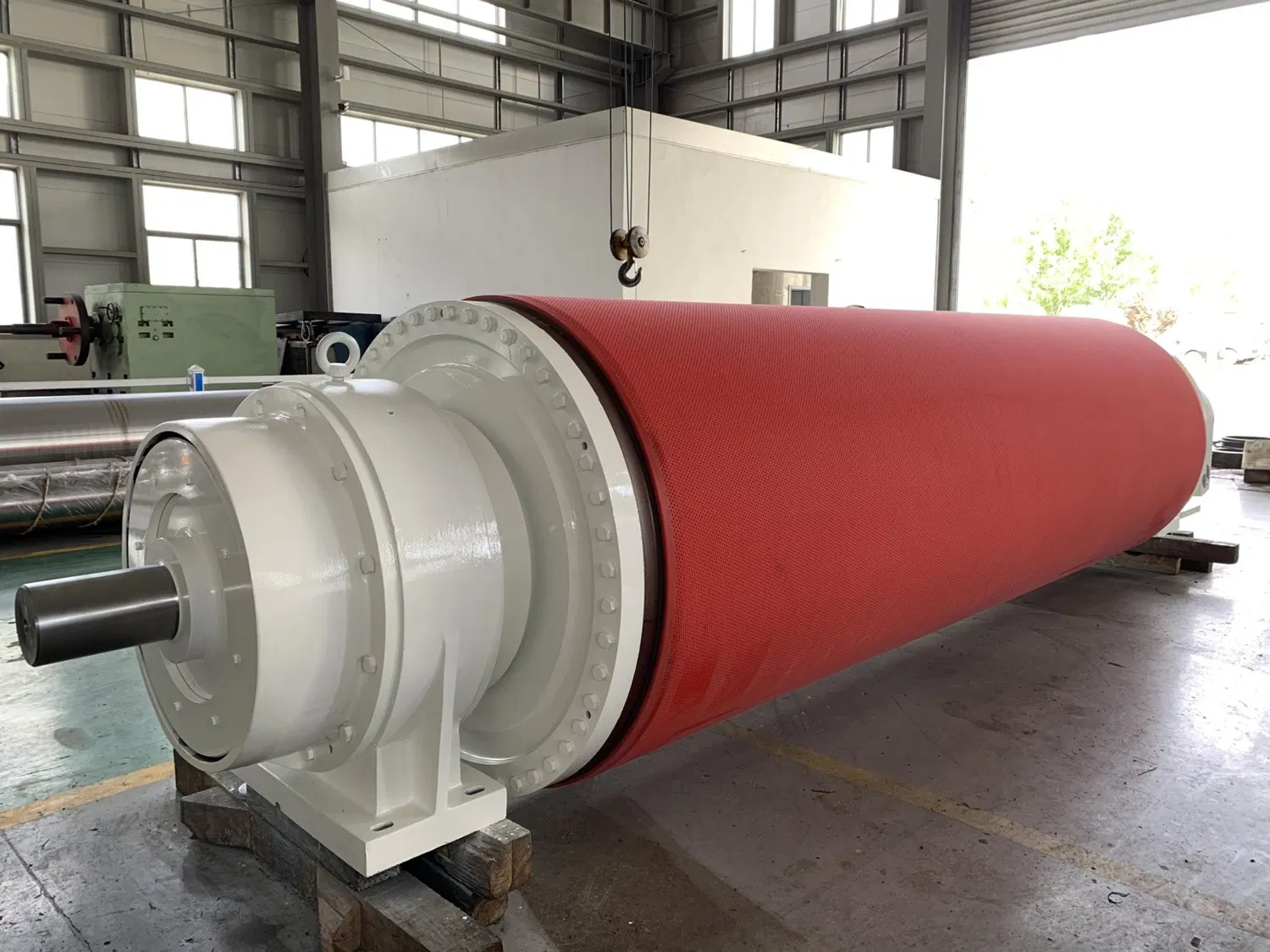
- Blind Drilled Rolls: This is where the real sophistication comes in. Instead of grooves, the surface is covered with thousands of small holes that are drilled to a specific depth but do not go all the way through the cover—hence, "blind." These holes act as individual micro-reservoirs.
Interestingly enough, blind drilled rolls offer several key advantages. They provide more uniform pressure distribution, which reduces the risk of sheet marking. The design also offers better support for the press felt, which can extend its operational life. For many high-speed paper machines producing fine paper grades, the blind drilled design is the superior choice for achieving optimal dewatering and a flawless sheet finish.
Behind the Scenes: The Manufacturing Journey in a Blind Hole Press Roll Factory
Creating a high-performance press roll is a meticulous process that blends heavy industry with microscopic precision. A state-of-the-art blind hole press roll factory is a symphony of advanced metallurgy, polymer science, and computer-controlled machining. Let's walk through the key stages.
Step 1: Core Fabrication and Integrity
Everything starts with the core. This is the structural backbone of the roll, typically forged from high-strength steel or ductile cast iron. The raw material must be flawless, free from any internal defects that could lead to catastrophic failure under the immense pressures of operation. The core is then rough-machined on massive lathes, shaping it to its basic dimensions before it's prepared for the next, most critical stage: covering.
Step 2: The Art and Science of Roll Covering
The roll's cover is its working surface. It's not just a simple layer of rubber; it's a highly engineered composite material designed to withstand incredible pressure, high temperatures, and harsh chemical environments. The choice of cover material—be it natural rubber, synthetic polymers like polyurethane, or advanced composites—is critical for performance and longevity, especially for a high-speed paper machine press roll.
The process involves chemically preparing the metal core to ensure a powerful, permanent bond. The cover material is then applied in layers and cured under controlled heat and pressure in a massive autoclave. This process fuses the cover to the core, creating a single, inseparable unit.
Step 3: Precision Drilling and Finishing
This is where the "blind hole" identity is born. The covered roll is moved to a sophisticated, computer-numerical control (CNC) drilling machine. Here, the blind drilled roll manufacturing process unfolds with incredible precision. Guided by a digital program, high-speed drills create thousands of holes, each one perfectly placed and drilled to the exact same depth.
The pattern, diameter, depth, and angle of these holes are not arbitrary. They are carefully calculated based on the specific application—the type of paper, machine speed, and desired dewatering characteristics. After drilling, the roll undergoes a final grinding and polishing process to achieve a perfectly smooth surface finish and exact dimensional tolerances, often measured in microns.
Step 4: Dynamic Balancing and Final Quality Assurance
Imagine a multi-ton cylinder spinning at hundreds of meters per minute. Even the slightest imbalance would create destructive vibrations, damaging the machine and compromising paper quality. To prevent this, every single roll must be dynamically balanced. The roll is spun at high speed on a specialized machine, where sensors detect any imbalance. Tiny weights are then added or material is precisely removed to achieve perfect equilibrium.
Before shipping, the roll undergoes a battery of final quality checks: laser-based dimensional verification, cover hardness testing, and a thorough visual inspection to ensure it meets the customer's exact specifications.
Choosing the Right Partner: What Defines a Premier Press Roll Supplier?
Not all factories are created equal. When your production efficiency and product quality are on the line, selecting a press roll supplier is one of the most important decisions you can make. In my experience, focusing on a few key areas can make all the difference.
Technical Expertise and R&D
A top-tier supplier doesn't just sell rolls; they sell solutions. They should have a deep understanding of the papermaking process and work with you to engineer a roll optimized for your specific needs. Look for a partner who invests heavily in research and development, constantly exploring new cover compounds, drilling patterns, and manufacturing techniques to push the boundaries of performance.
Manufacturing Excellence and Quality Control
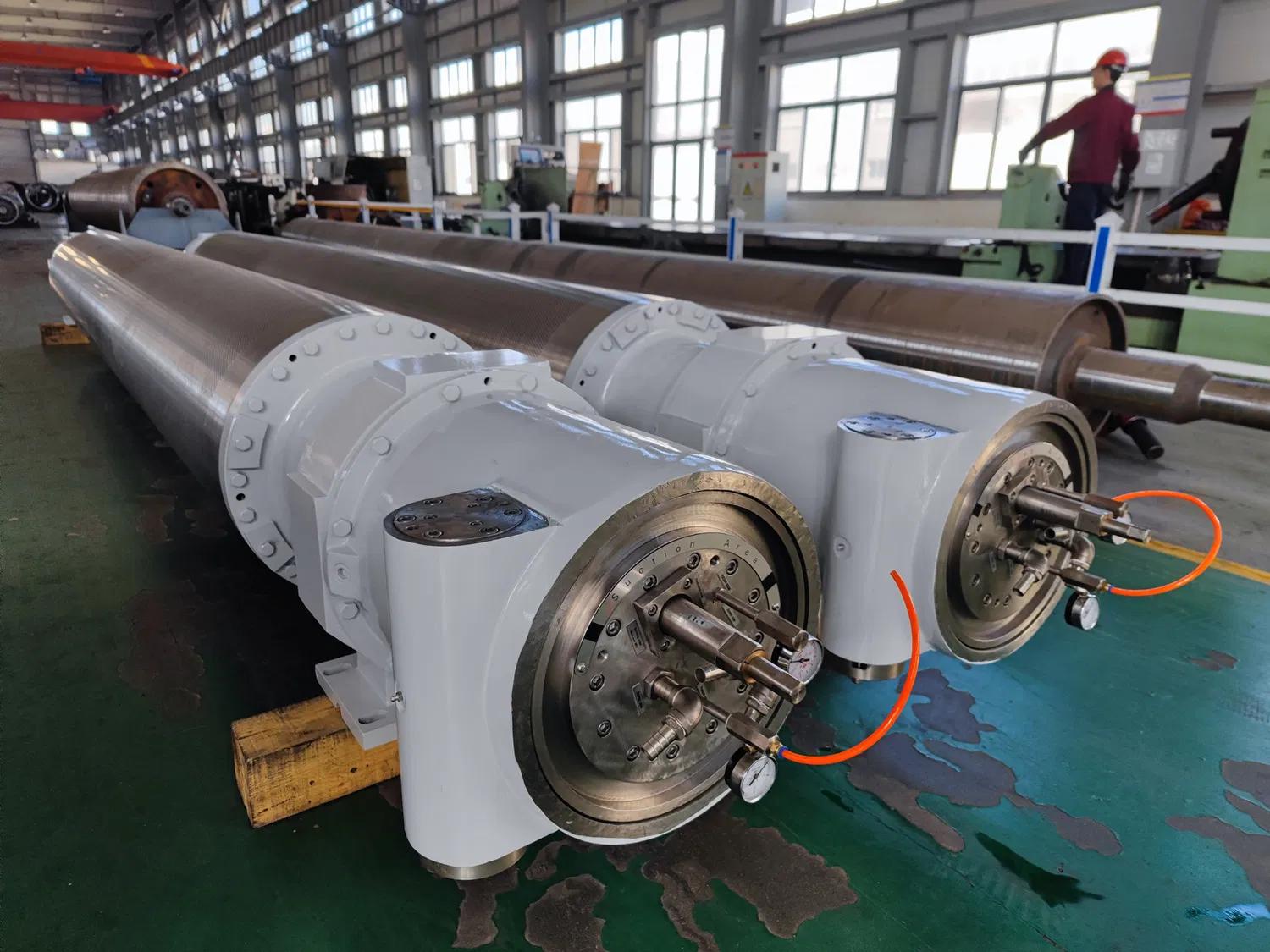
This is non-negotiable. A premier factory operates under strict quality management systems, like ISO 9001. They should be transparent about their quality control processes, from raw material inspection to final dynamic balancing. Ask potential suppliers about their equipment, their operator training, and the documentation they provide with each roll. To be honest, a factory that can't provide detailed quality reports is a major red flag.
Customization and After-Sales Support
Your paper machine is unique, and your press rolls should be too. A great partner will offer extensive customization options. But the relationship shouldn't end when the roll is delivered. What happens when it needs to be reground or recovered? A leading blind hole press roll factory will offer a full suite of after-sales services, including maintenance, repair, and technical support to ensure you get the maximum possible lifespan and performance from your investment.
The Future of Press Roll Technology: Smarter, Stronger, and More Sustainable
The world of press roll technology is far from static. The drive for greater efficiency, higher quality, and improved sustainability is pushing innovation at an incredible pace. So, what does the future hold?
Smart Rolls and IoT Integration
The next generation of press rolls will be "smart." They will be embedded with sensors that monitor critical parameters like temperature, vibration, and nip pressure in real-time. This data can be fed into a plant's control system, allowing for predictive maintenance alerts and dynamic process adjustments. This technology promises to drastically reduce unplanned downtime and optimize machine performance on the fly.
Advanced Materials and Cover Compounds
Material science is constantly evolving. We're seeing the development of new polymer and composite covers that offer unprecedented durability, better chemical resistance, and enhanced dewatering properties. These advanced materials can operate at higher speeds and temperatures, allowing paper mills to increase production without sacrificing quality. Lighter, stronger composite cores are also on the horizon, which could reduce energy consumption and simplify installation.
A Commitment to Sustainability
Sustainability is a major focus. Modern factories are implementing more energy-efficient manufacturing processes and reducing waste. Furthermore, the industry is emphasizing a circular economy model. High-quality roll recovering and regrinding services are more important than ever, as they extend the life of the roll core almost indefinitely, saving immense amounts of energy and raw materials compared to manufacturing a new roll from scratch.
In conclusion, the humble blind hole press roll is a marvel of industrial engineering. Its journey from a block of raw steel to a precision-crafted component is a testament to the innovation that drives the paper industry. Understanding what goes on inside a leading-edge factory gives us a profound appreciation for the quality and performance these rolls deliver. They are, without a doubt, the unseen engines that power a world built on paper.
For more detailed information, please visit our official website:blind hole press roll factory
About the author: David Chen is a mechanical engineer with over 20 years of experience in paper machine design and optimization. Specializing in press section dynamics and roll technology, David has consulted for mills across the globe, helping them improve efficiency and product quality. He is passionate about sharing his insights on the intersection of heavy industry and precision manufacturing, and he firmly believes that the best solutions are born from a deep understanding of the fundamentals. ---