

In the demanding world of papermaking, every single component matters. From the headbox to the winder, efficiency and reliability are the names of the game. But, to be honest, few components have as direct an impact on both sheet quality and operational costs as the press roll. Specifically, the blind hole press roll. Have you ever experienced the frustration of unscheduled downtime caused by a failing press roll? It’s a costly problem that can bring an entire production line to a halt. That’s why your choice of a blind hole press roll supplier is not just a procurement decision; it's a strategic investment in your mill's future.
Frankly speaking, the market is filled with options, and it can be challenging to distinguish a truly exceptional partner from one that simply offers a low initial price. This guide is designed to cut through the noise. We'll explore what makes these rolls so critical, what separates a top-tier supplier from the rest, and provide you with the knowledge to make an informed decision that pays dividends for years to come.
What Exactly is a Blind Hole Press Roll and Why Does it Matter?
Before we dive into supplier selection, it's worth taking a moment to appreciate the engineering behind this critical component. A press roll's primary job is mechanical dewatering—squeezing water out of the newly formed paper sheet. The more water removed here, the less energy is needed in the dryer section, which is one of the most energy-intensive parts of the entire process. The blind hole roll is a sophisticated evolution of the simple press roll, designed for superior performance.
The Anatomy of a High-Performance Roll
At its core, a blind hole press roll (often called a blind drilled roll) is a heavy-duty roll with a specialized cover. What makes it unique is the pattern of thousands of small holes drilled into the cover's surface. Crucially, these holes do not go all the way through the cover—hence the term "blind."
Here’s how it works: As the paper sheet and felt pass through the press nip, water is squeezed out. These blind holes act as tiny reservoirs, creating a void volume to accept this water. As the roll rotates out of the nip, centrifugal force and a vacuum effect help evacuate the water from the holes, preparing them for the next rotation. This design is highly effective at preventing a phenomenon known as "rewetting," where the paper reabsorbs water after the nip, which would defeat the purpose of pressing.
The roll itself consists of two main parts:
- The Core: This is the structural backbone, typically made from high-strength steel or cast iron. It must be perfectly balanced and engineered to withstand immense pressures without deflection.
- The Cover: This is the functional surface. Modern covers are made from advanced materials like polyurethane or specialized rubber composites. The cover's properties—its hardness (measured in P&J), chemical resistance, and abrasion resistance—are tailored to the specific application.
The Critical Role in Dewatering and Sheet Quality
Compared to other designs like plain or grooved rolls, blind drilled rolls offer a unique balance of benefits. Grooved rolls are also excellent for dewatering, but they can sometimes leave faint lines or "shadow marks" on the final sheet, which is unacceptable for many high-quality paper grades. Blind hole rolls significantly reduce this marking tendency while still providing excellent water removal.
In my experience, a well-designed and properly maintained blind drilled roll directly contributes to:
- Increased Machine Speed: Better dewatering means the sheet is stronger as it leaves the press section, allowing the entire machine to run faster.
- Reduced Energy Consumption: Every drop of water removed mechanically in the press section is a drop that doesn't have to be evaporated in the dryer section, leading to significant energy savings.
- Improved Sheet Quality: A uniform moisture profile and the absence of marking lead to a higher-quality, more consistent final product.
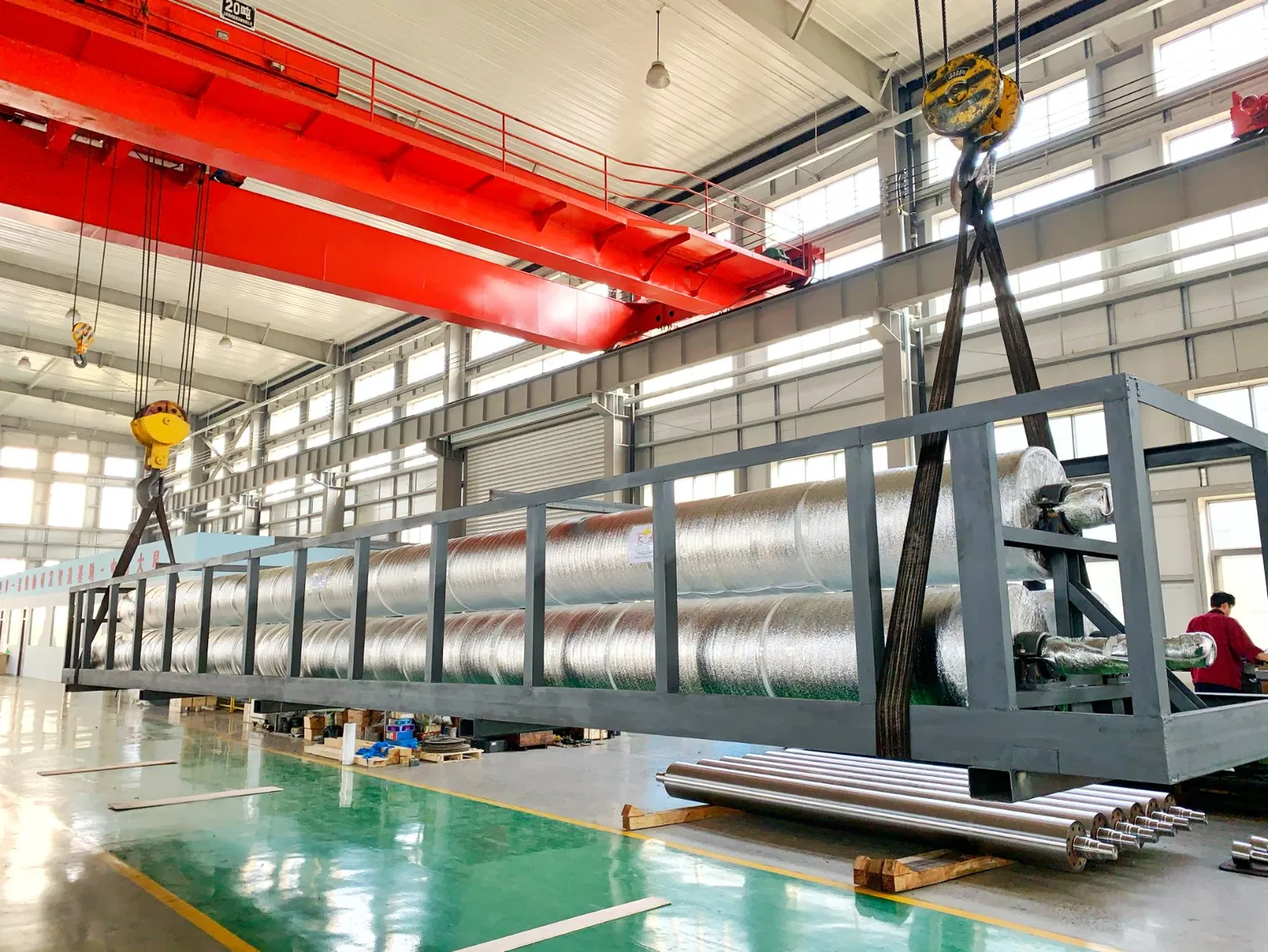
Key Factors to Consider When Choosing a Blind Hole Press Roll Supplier
Now we get to the heart of the matter. Selecting the right partner is about looking beyond the price tag and evaluating their capabilities across several key areas. A premier supplier isn't just a vendor; they are a solutions provider who understands the intricacies of your operation.
Technical Expertise and Engineering Capability
One size does not fit all in papermaking. The ideal roll design for a machine producing fine writing paper is vastly different from one producing linerboard. A top-tier supplier will have a deep bench of engineers who can analyze your specific needs.
They should ask you about your paper grade, machine speed, nip loading, and current challenges. Based on this, they should be able to recommend a custom solution, including the optimal:
- Drilling Pattern: The diameter, depth, and spacing of the holes.
- Cover Material: A compound that can withstand the chemical and mechanical stresses of your specific process.
- Core Construction: Ensuring the roll body can handle the required loads over a long service life.
Manufacturing Quality and Precision
The best design in the world is useless if it isn't manufactured to exacting standards. The precision of the drilling, grinding, and balancing processes is paramount. Inconsistent hole depths or a poorly balanced roll can lead to vibrations, uneven wear, and a host of other problems.
It's worth noting that a supplier's investment in modern, high-precision CNC (Computer Numerical Control) machinery is a strong indicator of their commitment to quality. Ask about their quality control procedures. Do they perform non-destructive testing on the core? How do they verify cover bond strength? Do they provide a final inspection and balancing report with every roll? Reputable suppliers will be transparent about these processes and often hold certifications like ISO 9001.
Material Science and Cover Technology
The roll cover is where the rubber meets the road—or in this case, the felt. The science behind cover compounds has advanced dramatically. A leading supplier will offer a range of high-performance blind drilled rolls with covers designed for specific challenges, such as high temperatures, aggressive chemical environments, or extreme abrasion.
Polyurethane covers, for example, often provide superior abrasion resistance and maintain their groove/hole profile longer than traditional rubber. However, certain advanced rubber composites might offer better performance in very high-temperature positions. An expert supplier will guide you through these material choices, explaining the pros and cons of each for your application, rather than just pushing a single solution.
After-Sales Support and Service
What happens after the roll is delivered and installed? This is what truly separates a supplier from a partner. A great supplier offers a comprehensive lifecycle support system. This includes services like paper machine press roll maintenance, inspection, regrinding, and recovering. Their technical team should be available to help troubleshoot issues and optimize performance. A supplier who views the sale as the end of the transaction is not a long-term partner. You want a team that is invested in your success for the entire life of the roll.
The Hidden Costs of a Low-Quality Supplier
It can be tempting to choose a supplier based on the lowest initial quote. However, this is often a costly mistake. The true cost of a press roll is its Total Cost of Ownership (TCO), which includes the initial price plus all the costs associated with its operation and maintenance over its lifespan.
Premature Wear and Unscheduled Downtime
A roll made with inferior materials or poor manufacturing techniques will fail sooner. This could manifest as rapid cover wear, cracking, or, in the worst-case scenario, a catastrophic debonding of the cover from the core. The cost of unscheduled downtime on a paper machine can run into tens of thousands of dollars per hour. A single premature failure can easily wipe out any initial savings from choosing a cheaper supplier.
Compromised Paper Quality
As a low-quality roll cover wears unevenly, it can lead to a non-uniform moisture profile in the sheet. This causes problems in the dryer section and can lead to sheet breaks and a final product that doesn't meet quality specifications. Issues like shadow marking can also reappear as the hole pattern degrades, leading to rejected product and dissatisfied customers.
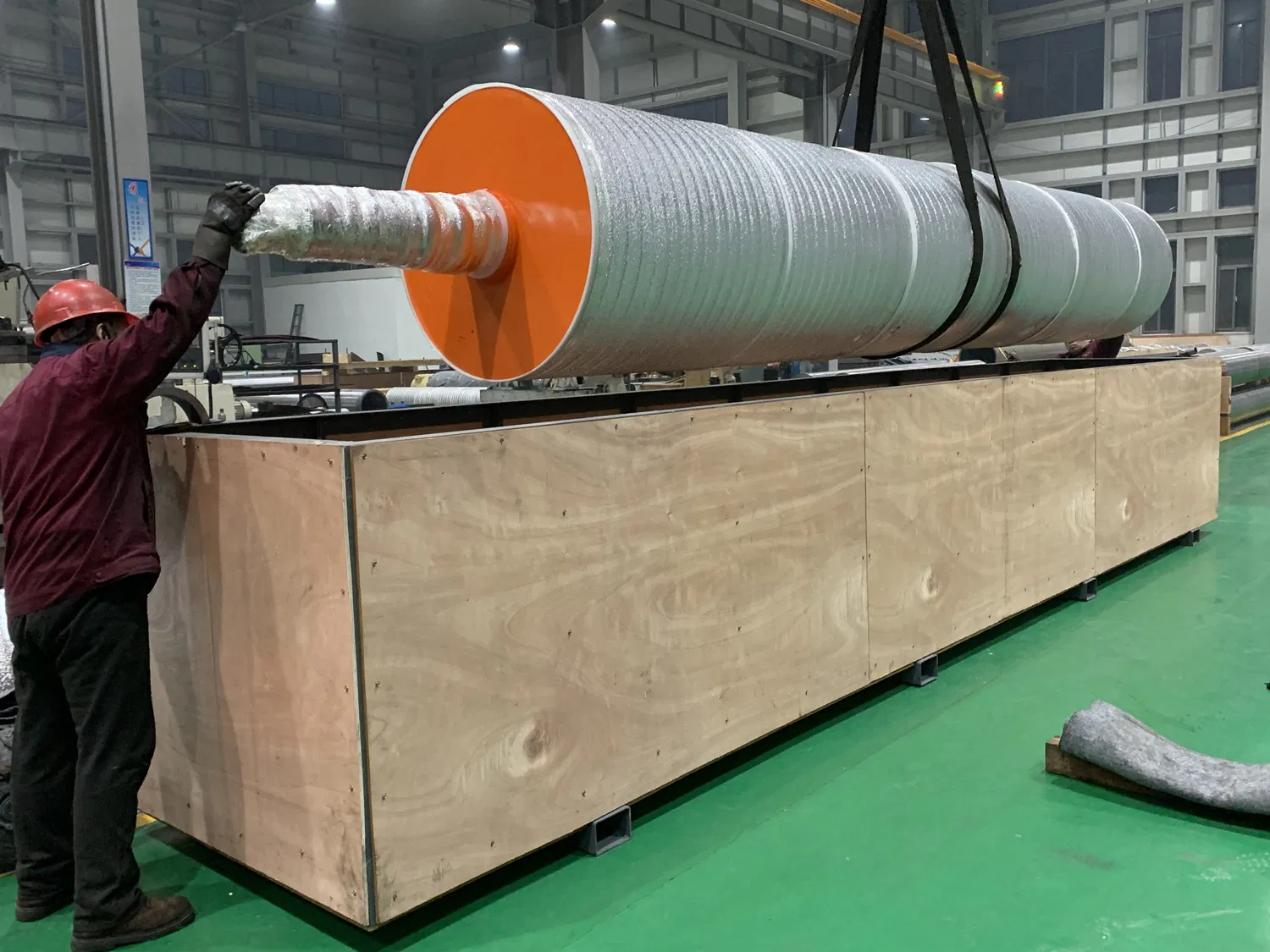
Asking the Right Questions: Your Supplier Vetting Checklist
When you're in the process of choosing a press roll manufacturer, being prepared with the right questions can make all the difference. Arm yourself with this checklist to thoroughly vet any potential partner:
- Experience & References: "Can you provide case studies or references from mills with similar machines and paper grades to ours?"
- Engineering & Design: "What is your process for designing a custom roll for our specific position and operating conditions? What data do you need from us?"
- Manufacturing & QC: "Can you walk me through your manufacturing and quality control process? What kind of machinery do you use for drilling and grinding? What final inspection reports do you provide?"
- Materials: "What cover materials do you recommend for our application, and why? What are the expected performance characteristics and lifespan?"
- Lead Times: "What are your typical lead times for a new roll and for a recover service?"
- Support & Services: "What kind of warranty do you offer? What does your after-sales technical support and field service look like?"
A confident, capable supplier will welcome these questions and provide detailed, transparent answers. Their responses will give you a clear picture of their expertise and commitment to quality.
In conclusion, the press section is the heart of your paper machine's efficiency. The performance of your blind hole press rolls is directly tied to your profitability. By focusing on technical expertise, manufacturing quality, advanced materials, and long-term support, you can select a blind hole press roll supplier that acts as a true partner. This strategic decision will enhance your operational stability, improve your product quality, and provide a return on investment that goes far beyond the initial purchase price.
For more detailed information, please visit our official website:blind hole press roll supplier
About the author: David Chen is a Senior Process Engineer with over 20 years of experience in the pulp and paper industry. Specializing in paper machine optimization and fluid dynamics, David has worked with mills across the globe to improve efficiency and product quality. He is passionate about how advanced material science and precision engineering in components like press rolls can unlock significant performance gains. He contributes regularly to industry publications, sharing insights on maintenance best practices and new technologies.