

In the high-stakes world of paper manufacturing, efficiency isn't just a goal; it's the bedrock of profitability. Every component in the paper machine plays a critical role, but to be honest, few have as direct an impact on dewatering and sheet quality as the press section. And at the heart of that section? The press roll. Specifically, the blind hole press roll. Have you ever wondered how much untapped potential lies within your press section, waiting to be unlocked by the right component and the right partner?
Choosing a roll is more than a simple purchase. It's a strategic decision that affects downtime, energy consumption, and the final quality of your product. This is precisely why finding a knowledgeable and reliable blind hole press roll wholesaler is not just a procurement task—it's a crucial business partnership. This guide will walk you through everything you need to know, from the fundamental technology to the critical qualities that separate a mere supplier from a genuine partner in your success.
What Exactly is a Blind Hole Press Roll and Why is it So Crucial?
Before we dive into selecting a supplier, let's get on the same page about the technology itself. It's easy to see a press roll as just a heavy cylinder, but the engineering behind it is surprisingly sophisticated. A solid, smooth press roll can only squeeze out so much water. The real innovation comes from giving that water somewhere to go.
The Mechanics of High-Efficiency Dewatering
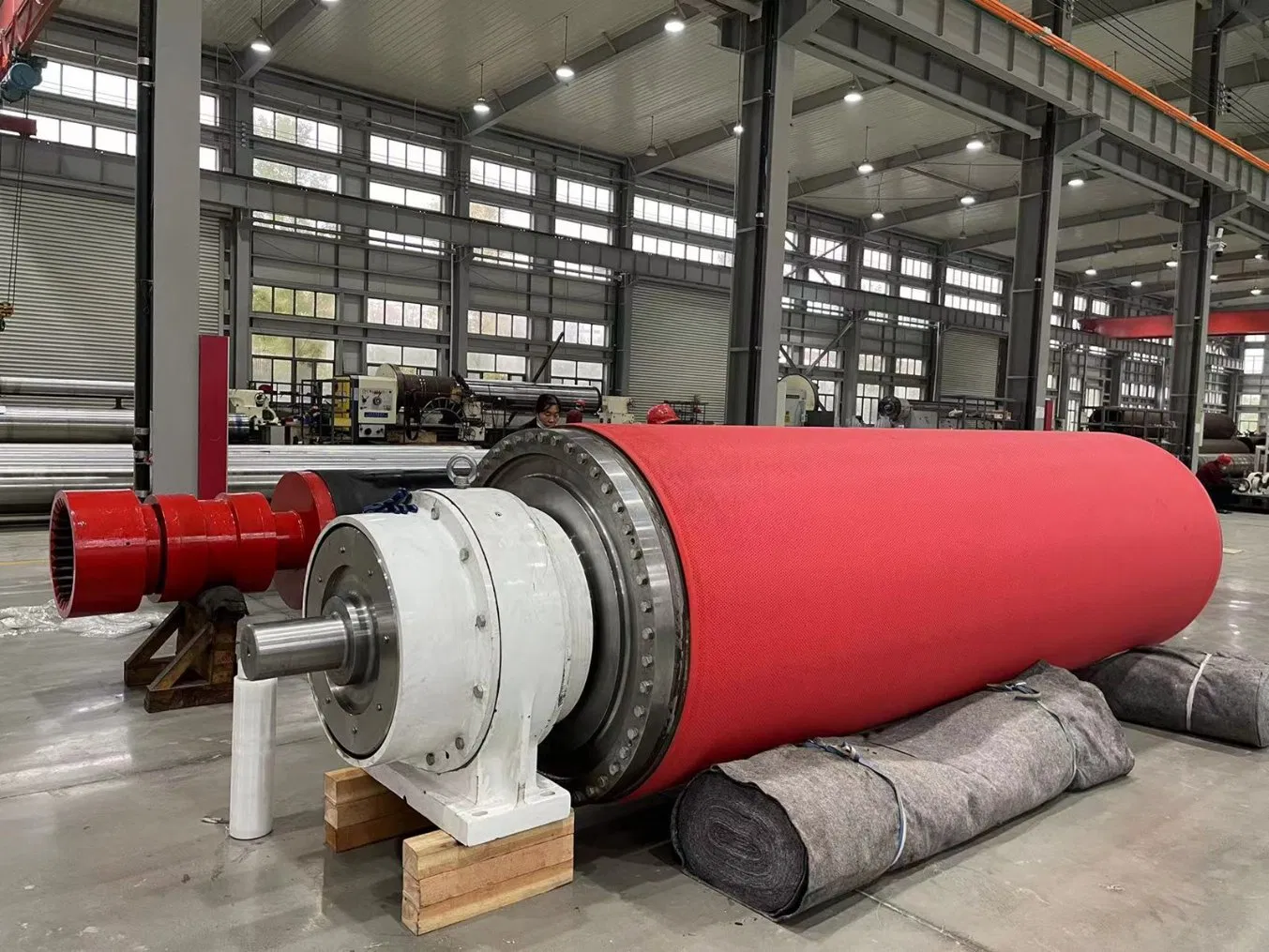
The primary job of the press section is to mechanically remove water from the paper sheet after it leaves the forming section. This is far more energy-efficient than using heat in the dryer section. A blind hole press roll, often called a blind drilled roll, is a roll with thousands of small holes drilled into its cover. These holes are "blind," meaning they don't go all the way through the roll shell.
As the paper sheet and felt pass through the nip (the pressure point between two rolls), water is squeezed out. Instead of being reabsorbed into the felt, this water is forced into the small blind holes. As the roll rotates out of the nip, centrifugal force and a vacuum effect eject the water, preparing the holes to accept more water on the next rotation. This process is dramatically more effective than what a plain roll can achieve.
The Blind Hole Advantage Over Other Designs
Interestingly enough, blind drilled rolls offer a unique balance of benefits compared to other dewatering designs like grooved or suction rolls.
- Reduced Shadow Marking: Unlike grooved rolls, the discrete hole pattern of a blind drilled roll minimizes the risk of "shadow marking," where the pattern of the roll surface is subtly impressed onto the paper sheet. This leads to a smoother, more uniform final product. -
- Excellent Water Removal: They provide a significant increase in dewatering capacity over plain rolls, allowing for higher machine speeds and reduced steam consumption in the dryer section. -
- Durability and Strength: Because the holes don't penetrate the entire shell (like a suction roll), the structural integrity of the roll is maintained, making it strong and durable for high-nip-load applications.
Frankly speaking, for many grades of paper and board, high-performance blind drilled rolls offer the best all-around solution for performance and reliability.
Key Qualities of an Exceptional Blind Hole Press Roll Wholesaler
Now we get to the heart of the matter. You know you need a quality roll, but how do you identify a wholesaler who can consistently deliver it along with the service you need? In my experience, it comes down to looking beyond the price tag and evaluating a few key areas.
Manufacturing Excellence and Material Science
A top-tier wholesaler doesn't just sell rolls; they represent manufacturers who are masters of their craft. The quality of a blind hole press roll is determined by three things: the core, the cover, and the drilling.
-
-
- The Cover Material: The roll cover—typically made of advanced rubber, polyurethane, or composite compounds—is where the action happens. It needs to have the right hardness (P&J), excellent abrasion resistance, and chemical stability. A great wholesaler can discuss the specific polymer science behind their covers and recommend the ideal compound for your specific application, whether you're running linerboard or fine paper. -
- Drilling Precision: The pattern, depth, and diameter of the holes are not random. They are engineered for optimal water removal and to prevent plugging. Ask a potential supplier about their drilling technology. Do they use high-precision CNC machines? What are their quality control tolerances for hole smoothness and consistency? -
- Bonding Integrity: The bond between the cover and the metal roll shell is critical. A bond failure is catastrophic. A reputable supplier will be able to provide data on their bonding process and failure rates.
Deep Technical Expertise and Application Support
The best blind hole press roll wholesaler acts as a consultant, not just a salesperson. Their team should be staffed with engineers or technicians who understand the paper-making process. They should be able to ask you intelligent questions about your machine speed, nip loading, paper grades, and current challenges. This consultative approach ensures you get a roll that is perfectly optimized for your machine, not just an off-the-shelf product.
This is where a dedicated industrial press roll supplier truly stands out. They can help you troubleshoot issues like uneven moisture profiles or felt wear and relate them back to press roll performance.
Reliable Inventory and Logistics
Downtime is the enemy of any paper mill. A press roll failure can bring your entire operation to a halt, costing thousands of dollars per hour. A reliable wholesaler understands this. They maintain a strategic inventory of common roll sizes and cover types, and they have a streamlined logistics network to get a replacement roll to you as quickly as possible. It's worth asking about their typical lead times and their emergency response capabilities.
The Hidden Costs of Choosing the Wrong Supplier
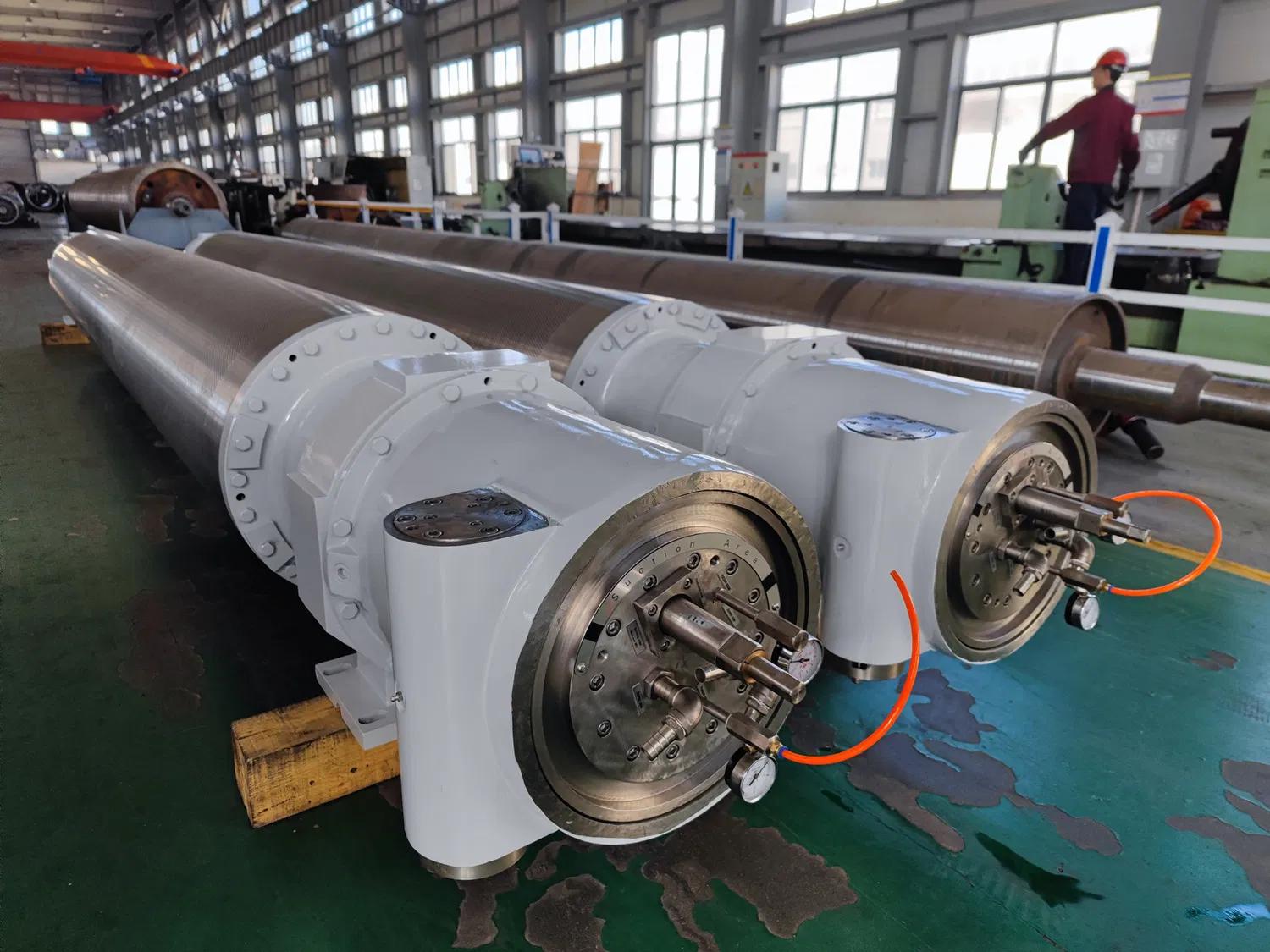
It can be tempting to choose a supplier based on the lowest initial price, but this is often a costly mistake in the long run. The consequences of a low-quality roll or an unreliable supplier can ripple throughout your entire operation.
Premature Wear and Frequent Regrinding
A roll with a substandard cover will wear out faster. This means more frequent machine shutdowns for roll changes and regrinding. Each of these events represents lost production time and added maintenance costs. A high-quality roll from a trusted source might cost more upfront, but its longer operational life and extended grinding intervals often result in a much lower total cost of ownership.
Inconsistent Paper Quality and Waste
If your press roll isn't performing correctly—perhaps the holes are plugging or the cover is developing flat spots—your paper quality will suffer. This can lead to issues like streaks, uneven moisture profiles, and sheet breaks. The result? An increase in broke (wasted paper) and, even worse, potential rejection of entire shipments by your customers. The cost of a single rejected order can easily exceed any savings you might have made on a cheaper roll.
Best Practices for Paper Machine Roll Maintenance
Once you have your high-quality roll, proper care is essential to maximize its life and performance. A good supplier will provide guidance on this, but here are some universal best practices for paper machine roll maintenance.
Routine Cleaning and Inspection
The blind holes can become plugged with fiber, fillers, and pitch over time, which severely reduces their dewatering capability. Regular high-pressure water showers (both oscillating and stationary) are crucial. It's also important to conduct regular visual inspections of the roll surface during scheduled shutdowns to look for signs of unusual wear, damage, or chemical attack.
Adhering to Grinding Schedules
All roll covers wear down over time and need to be reground to restore their perfect cylindrical profile and surface finish. Working with your supplier to establish an optimal grinding schedule based on your specific operating conditions is key. Grinding too often is wasteful, but waiting too long can lead to irreversible damage and poor performance.
The Future is Smart: Innovations in Press Roll Technology
The world of press roll technology isn't standing still. Many experts agree that the next frontier is about integrating intelligence directly into the roll itself. We're seeing exciting developments in:
-
-
- Advanced Composite Covers: New materials are being developed that offer even greater wear resistance and improved dewatering characteristics, allowing for higher nip pressures and speeds. -
- Smart Rolls: The integration of sensors within the roll cover or shell is becoming more common. These sensors can provide real-time data on temperature, pressure profiles, and vibration, allowing for predictive maintenance and process optimization in ways we could only dream of a decade ago.
A forward-thinking wholesaler will be at the forefront of these innovations, ready to introduce you to technologies that can give you a competitive edge.
Ultimately, the process of selecting a blind hole press roll wholesaler is a critical investment in your mill's future. By focusing on manufacturing quality, technical expertise, and a commitment to partnership, you can find a supplier who will not only provide a superior product but also contribute to the overall efficiency and profitability of your operation. It’s a decision that pays dividends long after the roll is installed.
For more detailed information, please visit our official website:blind hole press roll wholesaler
About the author: David Chen is a Senior Materials Engineer with over 20 years of experience in the pulp and paper industry. Specializing in polymer science and roll cover technology, he has helped countless mills optimize their press sections for improved efficiency and product quality. David is passionate about bridging the gap between cutting-edge material innovations and practical, real-world industrial applications. He regularly contributes to industry journals and speaks at technical conferences. ---