

In the intricate world of paper manufacturing, efficiency, quality, and reliability are paramount. Every component within a paper machine plays a critical role, and perhaps none are as fundamental as the rolls. From pressing and calendering to guiding and coating, rolls are the workhorses that shape the very fabric of the paper we use daily. However, off-the-shelf solutions often fall short of meeting the unique demands of modern paper mills. This is where custom paper machine roll solutions step in, offering a tailored approach to elevate your production capabilities. Frankly speaking, investing in bespoke roll design and manufacturing can be a game-changer for your operational success.
The Indispensable Role of Rolls in Paper Manufacturing
To truly appreciate the value of custom solutions, it's essential to understand the multifaceted functions of rolls in a paper machine. Each type of roll is engineered for a specific purpose, and its performance directly impacts the final paper product and the overall efficiency of the line. Let's break down some key areas:
Press Rolls: The Foundation of Dewatering
Press rolls are crucial for removing water from the paper web after the forming section. They apply significant pressure, squeezing out water and consolidating the sheet. The type of press roll – whether it's a granite, rubber-covered, or metal roll – and its surface finish can dramatically affect sheet strength, smoothness, and moisture profile. Inconsistent pressure or an improperly designed roll surface can lead to uneven dewatering, causing defects and reducing overall throughput. Many experts agree that optimizing press roll performance is a primary target for efficiency gains.
Calender Rolls: Achieving Surface Perfection
Calender rolls are responsible for imparting smoothness, gloss, and caliper control to the paper. These rolls, often operating in stacks, apply pressure and heat to the paper web. The material composition, surface hardness, and temperature control of calender rolls are critical for achieving the desired paper finish. A poorly performing calender roll can result in surface defects, inconsistent caliper, and a loss of gloss, directly impacting the aesthetic and functional qualities of the paper. Have you ever wondered how that magazine paper gets its smooth, glossy finish? Calender rolls are a big part of the answer!
Guide and Tension Rolls: Maintaining Web Integrity
Guide rolls and tension rolls, while seemingly simpler, are vital for maintaining the paper web's path and controlling tension throughout the machine. Their precision balancing, surface treatment, and bearing systems ensure smooth operation without causing web breaks or unwanted stretching. Even a slight imbalance or surface imperfection can lead to vibration, increased wear, and potential web damage. These are often overlooked in favor of more complex components, but their role in preventing costly downtime is undeniable.
Coating and Special Application Rolls
For specialty papers, such as those used in packaging, printing, or technical applications, specialized rolls are often required. These can include coating rolls, suction rolls, and breaker stacks, each with unique design requirements. The materials used, the precision of their manufacture, and their interaction with specific chemicals or coatings are all critical factors. This is where the need for truly custom paper machine roll solutions becomes most apparent, as standard offerings simply won't suffice.
The Limitations of Standard Roll Solutions
While many paper machine manufacturers offer standard roll components, these are typically designed for a broad range of applications. This "one-size-fits-all" approach can lead to several limitations:
Suboptimal Performance: Standard rolls may not be optimized for the specific grade of paper being produced, the operating speeds, or the unique environmental conditions of a particular mill. This can result in lower efficiency, increased energy consumption, and compromised paper quality.
Premature Wear and Breakdowns: When a standard roll isn't perfectly suited to its task, it can experience accelerated wear and tear. This leads to more frequent maintenance, costly downtime, and a shorter service life for the component. In my experience, premature wear is a common symptom of a mismatch between the application and the roll design.
Limited Customization for New Grades: As paper mills innovate and develop new paper grades with unique properties, standard rolls often struggle to keep up. Adapting existing machines for new products can be hindered by the inability to source rolls with the specific characteristics required.
Inconsistent Quality: Variations in raw materials, manufacturing tolerances, and surface treatments in standard rolls can lead to inconsistencies in performance, impacting the uniformity and quality of the final paper product. It's worth noting that even minor variations can have a cascading effect on the entire production line.
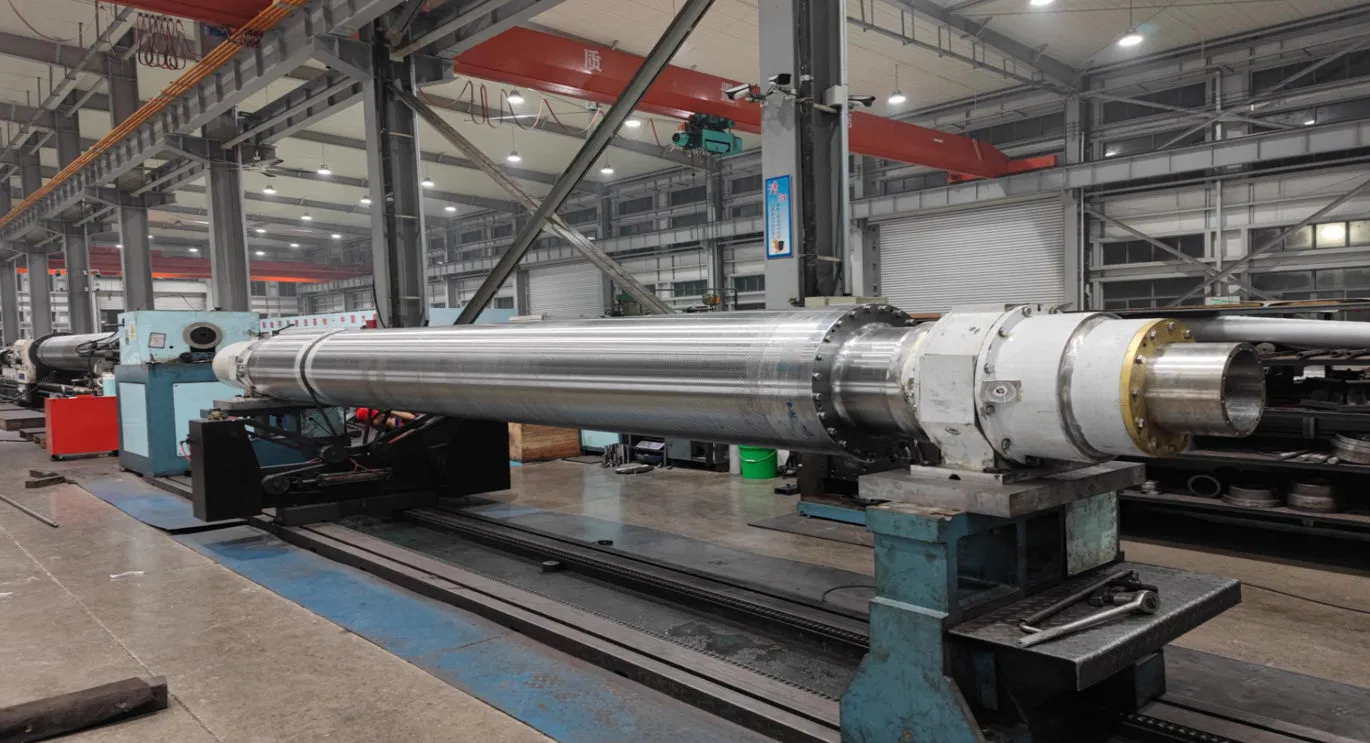
The Advantages of Tailored Custom Paper Machine Roll Solutions
This is where the expertise in custom paper machine roll solutions truly shines. By working with specialized manufacturers, paper mills can achieve significant improvements across multiple facets of their operations. Let's explore the key benefits:
Enhanced Operational Efficiency
Custom-designed rolls are engineered to meet the precise demands of your specific application. This means optimized nip pressures, improved dewatering characteristics, superior web handling, and better tension control. The result? Higher production speeds, reduced energy consumption, and less waste. For instance, a custom-designed suction roll might offer improved vacuum profiles, leading to better sheet consolidation and faster drying times.
Improved Paper Quality and Consistency
When rolls are designed with the specific paper grade in mind – considering factors like fiber type, additives, and desired surface properties – the resulting paper quality is invariably higher. Custom solutions ensure consistent caliper, improved smoothness, enhanced gloss, and fewer surface defects. This leads to a more marketable and valuable end product.
Extended Roll Lifespan and Reduced Maintenance
By selecting the appropriate materials, coatings, and manufacturing tolerances for your specific operating conditions, custom rolls are built to last. This significantly reduces the frequency of maintenance, minimizes unplanned downtime, and lowers the overall cost of ownership. A well-engineered, engineered paper rolls solution will outperform its standard counterpart in longevity and reliability.
Solutions for Specialized Applications and New Product Development
For paper mills venturing into new product lines or requiring highly specialized functionalities, custom roll solutions are indispensable. Whether it's a roll for a new coating application, a high-temperature process, or a unique embossing pattern, bespoke designs can be developed to meet these exact needs, enabling innovation and market expansion.
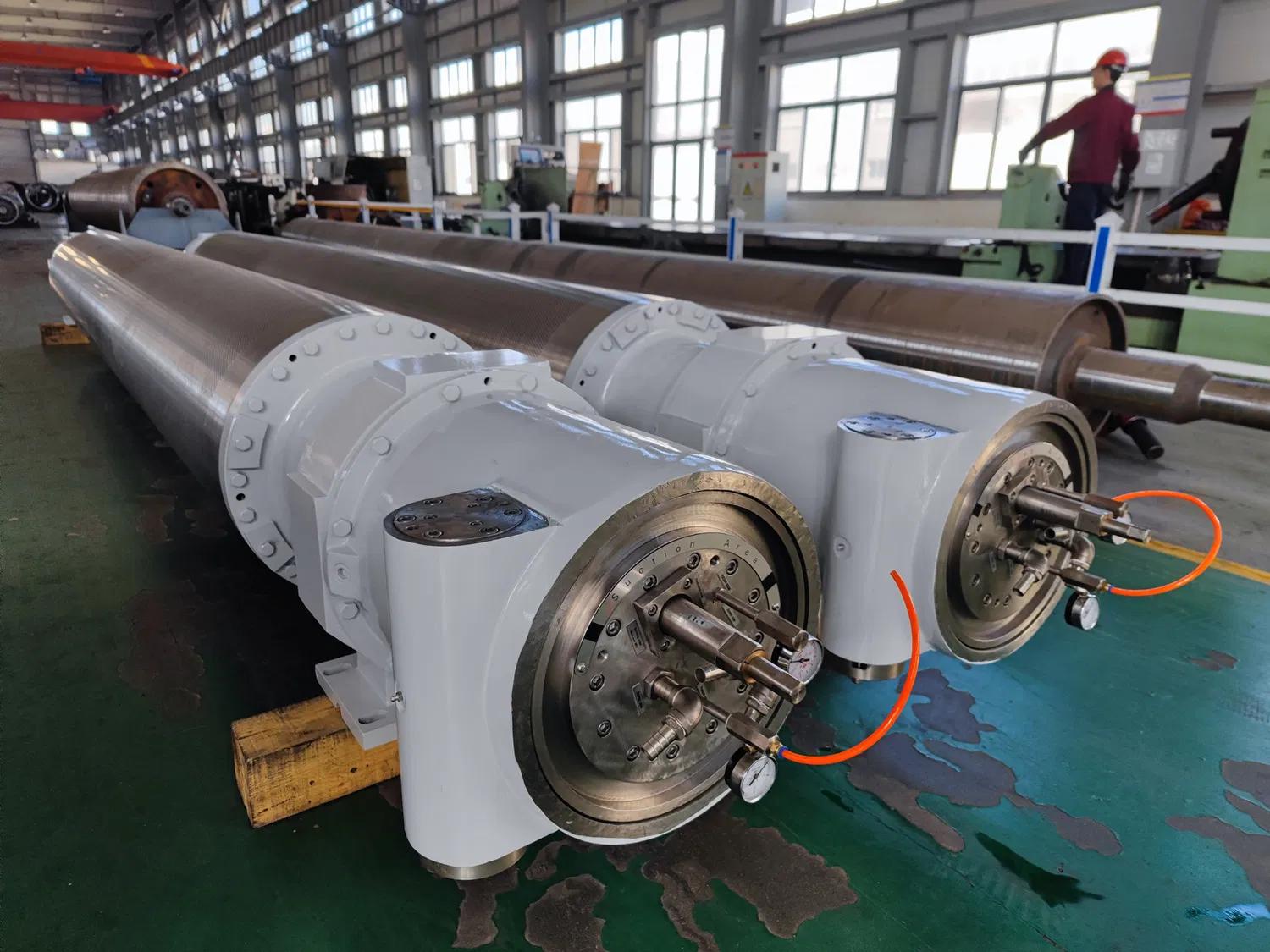
Key Considerations for Custom Paper Machine Roll Manufacturing
Embarking on a journey to procure custom paper machine roll solutions requires careful planning and collaboration. Several key factors must be considered to ensure the best possible outcome:
Material Selection: The Cornerstone of Performance
The choice of material is paramount. Rolls can be constructed from a variety of materials, including:
- Metals: Stainless steel, carbon steel, and specialized alloys offer strength and durability for various applications.
- Composites: Advanced composite materials can provide lightweight strength, excellent dimensional stability, and corrosion resistance.
- Rubber and Polyurethane Coverings: These offer specific properties for pressing, coating, and nip control, with a wide range of hardness and surface textures available.
- Ceramics: For extreme wear resistance and non-stick properties, ceramic coatings or entire ceramic rolls are increasingly utilized.
Design and Engineering: Precision is Key
This is where the true value of customisation lies. A skilled engineering team will analyze your specific needs, considering:
- Operating Loads and Speeds: Ensuring the roll can withstand the forces and rotational speeds without deformation or failure.
- Temperature and Chemical Resistance: Selecting materials and coatings that can endure the process environment.
- Surface Finish and Profile: Tailoring the surface for optimal contact, grip, or release properties.
- Balancing and Vibration Control: Ensuring smooth operation and minimizing wear on adjacent components.
- Integration with Existing Machinery: Designing rolls that fit seamlessly into your current paper machine setup.
Manufacturing Precision and Quality Control
The manufacturing process must be held to the highest standards. This includes:
- Strict Tolerances: Ensuring dimensional accuracy and consistency.
- Advanced Machining Techniques: Utilizing state-of-the-art equipment for precision grinding, polishing, and balancing.
- Rigorous Quality Assurance: Implementing comprehensive testing and inspection protocols at every stage of production.
Collaboration and Communication
Frankly speaking, the most successful custom projects are built on strong communication between the paper mill and the roll manufacturer. Open dialogue about operational challenges, desired outcomes, and technical specifications ensures that the final product perfectly meets expectations. This partnership is crucial for developing effective paper mill roll solutions.
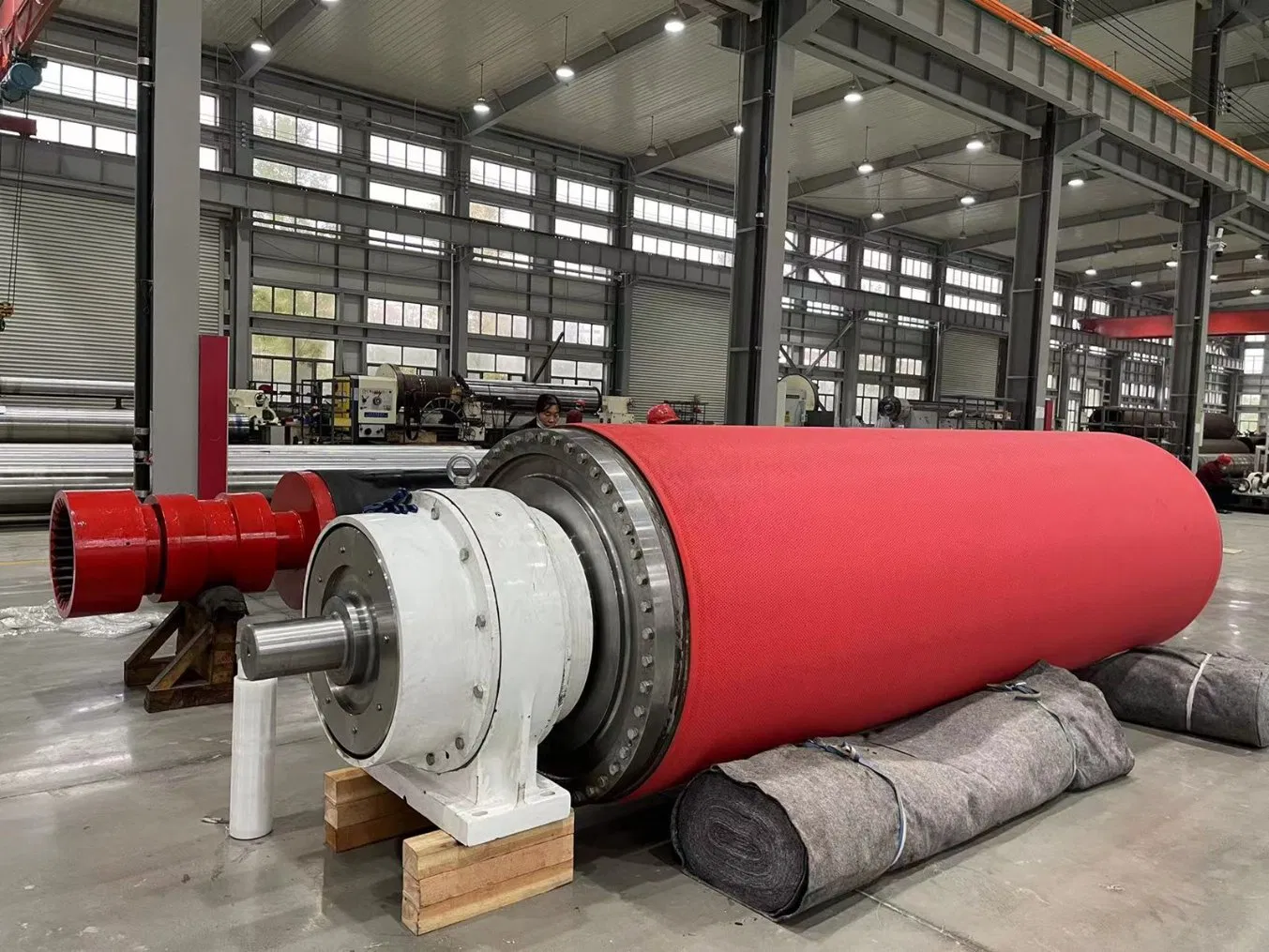
The Future of Paper Machine Rolls: Innovation and Sustainability
The paper industry is constantly evolving, driven by demands for higher performance, greater sustainability, and new product functionalities. This evolution directly impacts the requirements for paper machine rolls. We are seeing a growing trend towards:
Advanced Materials and Coatings
The development of new composite materials and advanced ceramic or polymer coatings is enabling rolls with unprecedented properties, such as extreme wear resistance, non-stick surfaces, and enhanced thermal conductivity. These innovations are critical for handling new fiber types, advanced coatings, and higher operating speeds.
Smart Rolls and Integrated Sensing
The concept of "smart rolls" is gaining traction. These are rolls equipped with integrated sensors that can monitor parameters like temperature, pressure, vibration, and even web tension in real-time. This data can be fed back into the control system, allowing for immediate adjustments and predictive maintenance, further optimizing performance and preventing costly failures.
Sustainable Manufacturing Practices
As sustainability becomes a core focus for the paper industry, the manufacturing of rolls is also adapting. This includes using recycled materials where appropriate, optimizing energy consumption during production, and designing rolls for longer lifespans and easier refurbishment, thereby reducing waste and environmental impact. This focus on sustainability is a key driver for many seeking custom paper machine roll solutions.
In conclusion, the humble paper machine roll is far more complex and critical than it might appear. For paper mills aiming to achieve peak performance, enhance product quality, and maintain a competitive edge, investing in custom paper machine roll solutions is not just an option – it's a strategic imperative. By partnering with experienced manufacturers, you can unlock the full potential of your paper machines and pave the way for sustained success.
For more detailed information, please visit our official website:custom paper machine rolls
About the author: An experienced engineer with over 15 years in the paper manufacturing sector, specializing in mechanical systems and process optimization. With a deep understanding of paper machine dynamics, they have a proven track record of designing and implementing solutions that enhance efficiency and product quality. Their expertise lies in identifying unique operational challenges and developing tailored engineering answers.