

The heart of any efficient paper manufacturing operation lies in its machinery, and at the core of that machinery are the rolls. These aren't just simple cylinders; they are precision-engineered components critical for everything from pulp processing to final paper winding. When it's time to source new rolls or replace existing ones, obtaining an accurate and competitive paper machine roll supplier quote is paramount. It's a process that can feel complex, involving technical specifications, material choices, and understanding the nuances of manufacturing capabilities. Frankly speaking, getting it right upfront can save significant time, money, and operational headaches down the line.
In my experience, many paper mills overlook the intricate details that influence roll pricing and performance. They might focus solely on the bottom line, without fully appreciating how subtle variations in design or material can impact longevity, paper quality, and ultimately, profitability. This guide aims to demystify the process, providing you with the knowledge to ask the right questions, understand the factors that drive costs, and ultimately secure a paper machine roll supplier quote that truly reflects your needs and delivers exceptional value. Have you ever wondered why one roll supplier's quote can differ so drastically from another's, even for seemingly similar specifications? Let's dive in.
Understanding the Components of a Paper Machine Roll Quote
Before you even begin reaching out to suppliers, it's crucial to understand what goes into a comprehensive quote for paper machine rolls. A good quote isn't just a number; it's a detailed breakdown that reflects the complexity and customization involved.
Material Selection: The Foundation of Roll Performance
The choice of materials is perhaps the most significant factor influencing the cost and performance of paper machine rolls. Different stages of the paper-making process require different properties. For instance, rolls used in the pulping stage might need to withstand abrasive materials and high moisture, demanding robust, corrosion-resistant alloys. In contrast, rolls in the drying section might require excellent thermal conductivity and resistance to high temperatures.
- Steel Alloys: Common for structural integrity and strength. Stainless steel variants are often used for corrosion resistance.
- Cast Iron: Offers excellent wear resistance and is often used for grinding and calendering rolls.
- Rubber Coverings: A vast array of synthetic and natural rubbers are applied to rolls for specific nip pressures, grip, and surface finishes. The type of rubber, its hardness (durometer), and thickness all impact cost.
- Composite Materials: Increasingly, advanced composites are being used for their lightweight properties, high strength-to-weight ratio, and resistance to corrosion and fatigue.
- Ceramic Coatings: Applied for extreme hardness, wear resistance, and smooth, non-stick surfaces, often found in creping or coating applications.
When requesting a paper machine roll supplier quote, be prepared to specify not just the base material but also any required coatings or coverings. This detail is non-negotiable for an accurate estimate.
Dimensions and Tolerances: Precision Matters
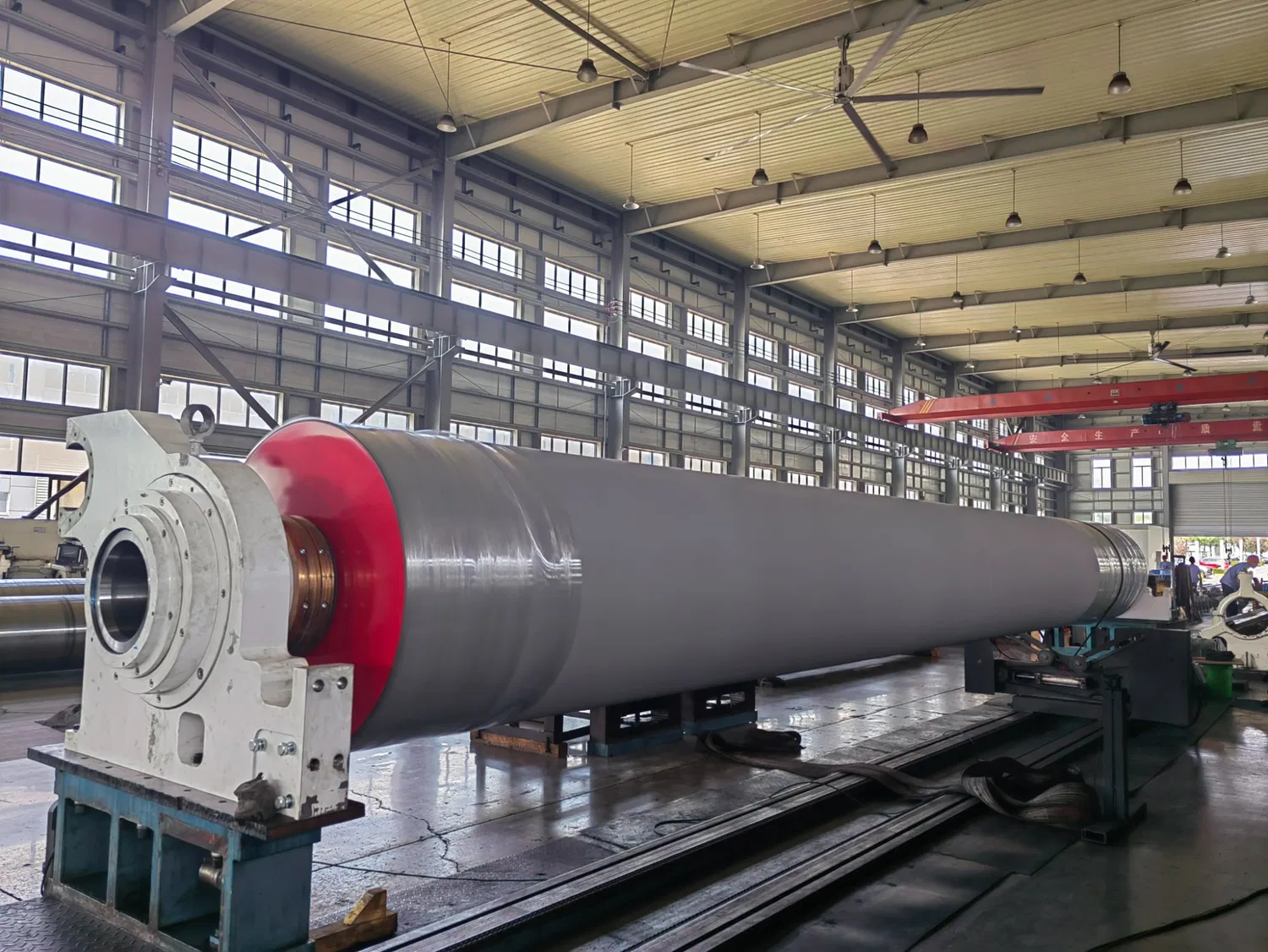
The exact size of the roll – its diameter, face width, and length – is a fundamental cost driver. Larger rolls require more material and more specialized manufacturing equipment. Equally important are the tolerances. Paper machines operate with incredibly tight tolerances to ensure consistent paper quality. Suppliers must adhere to these specifications for roundness, straightness, and surface finish. Exceedingly tight tolerances often necessitate more precise machining processes, which can increase labor and tooling costs.
Design and Engineering: Beyond a Simple Cylinder
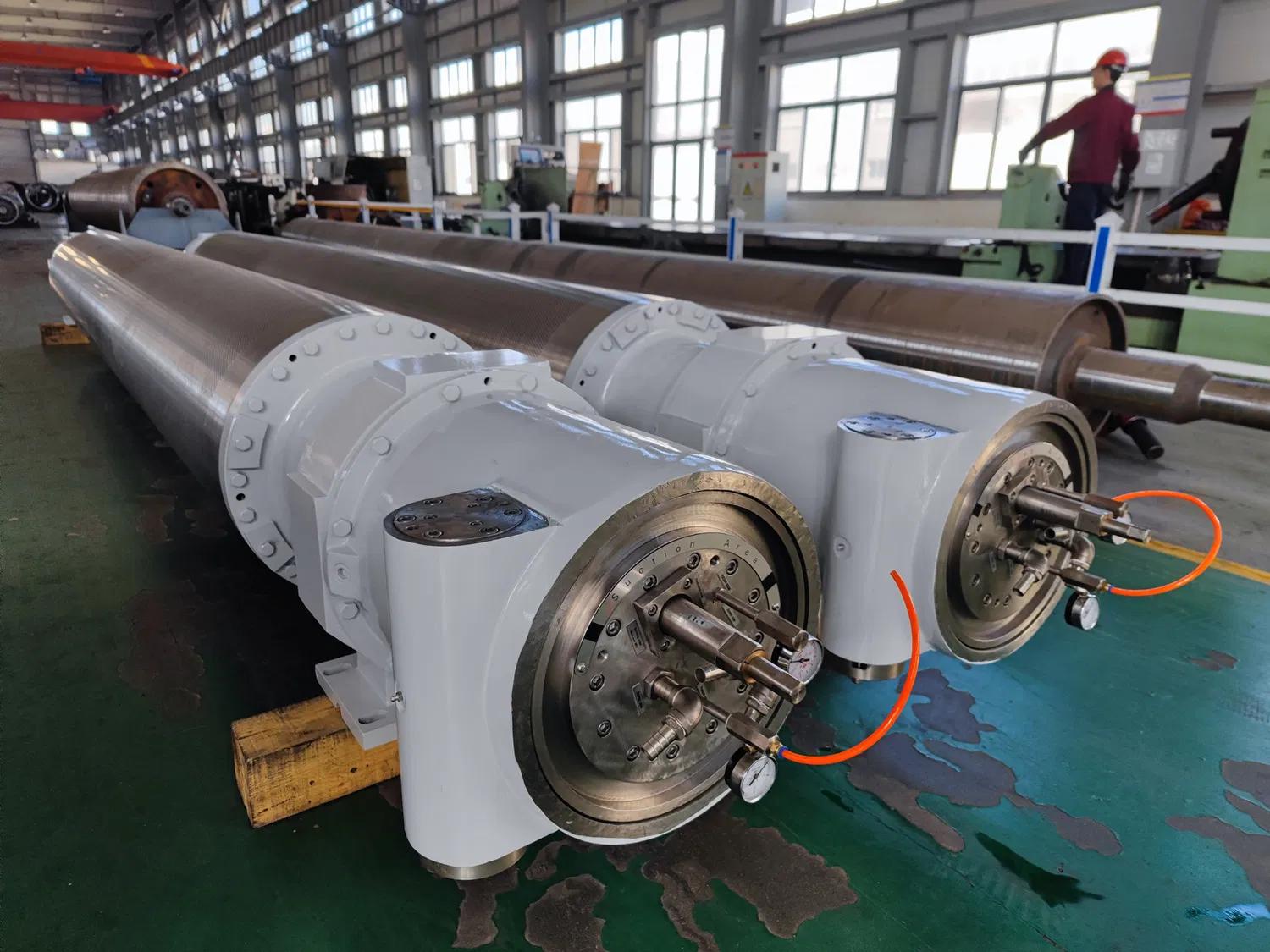
Not all paper machine rolls are simple cylinders. Many incorporate complex internal structures for heating or cooling (e.g., steam-heated dryer rolls, chilled calender rolls), internal baffling, or specialized bearing housings. The complexity of the design directly impacts manufacturing time and cost. If you require a custom-designed roll or modifications to a standard design, the engineering effort involved will be reflected in the quote. This is where obtaining a detailed paper machine roll supplier quote that outlines engineering services is crucial.
Surface Finish and Treatment: The Devil is in the Details
The surface finish of a roll can dramatically affect the paper it processes. A mirror-smooth finish might be required for calendering to impart gloss, while a textured or grooved surface might be needed for dewatering. Surface treatments, such as chrome plating for hardness and corrosion resistance or specialized coatings for non-stick properties, also add to the overall cost. The required Ra (roughness average) value is a key specification here.
Quantity and Lead Time: Economies of Scale and Urgency
Like most manufacturing, the cost per unit often decreases with larger order quantities due to economies of scale in setup and production. Conversely, rush orders or very short lead times can incur premium charges for expedited manufacturing and shipping. Be upfront about your expected quantities and your ideal delivery timeline when seeking a paper machine roll supplier quote.
Factors Influencing Paper Machine Roll Pricing
Beyond the fundamental components, several other factors contribute to the overall pricing of paper machine rolls. Understanding these can help you negotiate more effectively and make informed decisions.
Supplier's Expertise and Reputation
A supplier with a long-standing reputation for quality, reliability, and technical expertise in paper machine rolls will likely command higher prices. This isn't necessarily a bad thing. Their experience often translates to better materials, more precise manufacturing, superior quality control, and more robust engineering support. In my experience, investing in a reputable supplier often leads to a lower total cost of ownership due to fewer breakdowns and longer roll life.
Manufacturing Technology and Capabilities
The sophistication of a supplier's manufacturing facilities plays a significant role. Do they have state-of-the-art CNC machining centers, advanced balancing equipment, specialized grinding machines, and experienced technicians? Suppliers with cutting-edge technology can often produce rolls with tighter tolerances and superior finishes, but this investment is reflected in their pricing.
Research and Development (R&D) Investment
Suppliers who invest in R&D to develop new materials, coatings, or roll designs are often at the forefront of innovation. This can lead to rolls that offer enhanced performance, energy efficiency, or durability. The costs associated with this innovation are naturally factored into their pricing.
Geographical Location and Logistics
The cost of labor, raw materials, and transportation can vary significantly by region. Shipping large, heavy paper machine rolls can be a substantial expense, and the supplier's proximity to your mill can impact the final delivered price. It's worth investigating the total landed cost, not just the manufacturing price.
Warranty and After-Sales Support
A comprehensive warranty and robust after-sales support, including installation assistance or troubleshooting, add value to a supplier's offering. Suppliers who stand behind their products with strong support may charge a premium, but this can provide invaluable peace of mind.
Tips for Obtaining an Accurate Paper Machine Roll Supplier Quote
Securing a precise and competitive paper machine roll supplier quote requires diligence and clear communication. Here are some actionable tips to ensure you get the best possible outcome.
1. Provide Detailed Specifications
This cannot be stressed enough. The more information you provide, the more accurate the quote will be. This includes:
- Roll Type: Dryer, press, calender, suction, guide, etc.
- Dimensions: Diameter, face width, overall length.
- Materials: Base material, any required coatings or coverings (specify type, hardness, thickness).
- Tolerances: Roundness, straightness, concentricity, surface finish (Ra value).
- Application: Specific section of the paper machine, type of paper being produced, operating speeds, nip pressures, temperatures.
- Shaft/Bearing Requirements: Type of shaft, bearing fit, any special mounting considerations.
- Balancing Requirements: Static or dynamic balancing, specified balance grade.
- Drawings: If available, provide detailed engineering drawings.
2. Be Specific About Performance Requirements
Beyond physical specifications, clearly articulate the performance you expect from the roll. For example, "must withstand a nip pressure of X kN/m" or "required to maintain a surface temperature of Y°C." This helps suppliers recommend the most suitable materials and designs.
3. Request Multiple Quotes
Don't settle for the first quote you receive. Reach out to several reputable suppliers to compare pricing, lead times, and proposed solutions. This competitive approach can often lead to better terms.
4. Ask About Material Certifications and Quality Control
Inquire about the supplier's quality control processes and whether they can provide material certifications. This is particularly important for critical components where material integrity is paramount. Many experts agree that a robust QC process is a hallmark of a reliable supplier.
5. Understand the Quote's Inclusions and Exclusions
Carefully review each quote. What is included? Are shipping, installation, or testing costs itemized? Are there any hidden fees? A transparent quote is a sign of a trustworthy supplier. For example, a quote for custom paper machine rolls should clearly state if engineering design time is included.
6. Discuss Lead Times Realistically
Be honest about your project timeline. Suppliers need adequate time for manufacturing, quality checks, and shipping. If you have a critical deadline, communicate it early and ask if they can accommodate it, understanding that expedited service may incur additional costs.
7. Leverage Existing Relationships
If you have a good working relationship with a particular supplier for other components, discuss your paper machine roll needs with them first. They may offer preferential pricing or be able to leverage their existing knowledge of your operations.
Choosing the Right Paper Machine Roll Supplier
Selecting the right partner for your paper machine rolls is as important as the rolls themselves. A good supplier relationship can lead to improved machine performance, reduced downtime, and better paper quality.
Technical Expertise and Problem-Solving Capabilities
Look for suppliers who don't just take orders but offer technical consultation. Can they help you optimize your roll design or material selection for a specific application? Their ability to troubleshoot and offer solutions is invaluable.
Manufacturing Quality and Consistency
Consistency in manufacturing is key. You want to be confident that every roll you receive meets the same high standards. Ask about their manufacturing processes, quality control procedures, and any relevant certifications (e.g., ISO).
Customer Service and Communication
Responsive and clear communication is vital throughout the quoting and manufacturing process. A supplier who keeps you informed about progress, addresses your concerns promptly, and is easy to work with will make the entire experience smoother.
After-Sales Support and Warranty
What happens after the roll is delivered? A good supplier will offer a solid warranty and be available for support should any issues arise. This commitment to after-sales service is a strong indicator of their confidence in their products.
Innovation and Future-Proofing
The paper industry is constantly evolving. Suppliers who are investing in R&D and staying abreast of new technologies and materials can help you future-proof your operations. They might offer solutions that improve efficiency, reduce energy consumption, or enhance product quality.
Ultimately, obtaining a competitive paper machine roll supplier quote is the first step in a partnership. By understanding the intricacies of roll manufacturing, providing clear specifications, and choosing a supplier based on more than just price, you can ensure you are investing in components that will drive the success of your paper production.
For more detailed information, please visit our official website:paper machine roll supplier quote
About the author: An experienced engineer with over 15 years in the paper manufacturing industry, Alex Chen specializes in machinery optimization and component sourcing. His expertise lies in understanding the intricate details of paper machine operations, from roll dynamics to material science, ensuring mills achieve peak performance and efficiency. Alex is passionate about sharing practical insights to help industry professionals make informed decisions.