

The quest for softer, stronger, and more absorbent tissue paper hinges on a multitude of factors, but frankly speaking, the performance of the paper machine rolls is absolutely critical. These aren't just simple cylinders; they are precision-engineered components that dictate everything from sheet formation and drying efficiency to the final tactile qualities of the tissue. Understanding the intricate paper machine roll specifications for tissue machines is not just for engineers; it's for anyone involved in optimizing tissue production. In my experience, a thorough grasp of these specifications can be the difference between a good product and a truly exceptional one.
The Heart of Tissue Production: Yankee Dryer Rolls
When we talk about tissue machines, the Yankee dryer roll is arguably the most iconic and vital component. This massive, steam-heated cylinder is where the magic of creping happens, giving tissue its characteristic softness and bulk. The specifications for these rolls are incredibly demanding, and for good reason.
Diameter and Face Width
The diameter of a Yankee dryer can range significantly, often from 3 to 7 meters, with face widths typically between 2 to 5 meters, depending on the machine's capacity and the desired paper width. Larger diameters generally allow for higher speeds and better heat transfer, but they also come with increased structural demands and maintenance challenges. The face width, of course, needs to align with the overall width of the paper machine to ensure uniform drying and creping across the entire sheet.
Surface Finish and Material
The surface of a Yankee dryer is usually made of high-quality cast iron or steel, polished to an incredibly smooth finish. This is crucial for efficient heat transfer and to prevent the tissue sheet from sticking. A mirror-like finish, often measured in Ra (Roughness Average) values, is paramount. Any imperfections can lead to sheet breaks or uneven creping. Material selection is also key, focusing on thermal conductivity, durability, and resistance to corrosion.
Steam Pressure and Temperature Control
While not a physical specification of the roll itself, the internal steam system and its ability to maintain precise temperature and pressure are intrinsically linked to the roll's performance. Uniform heating across the entire face is essential. Inconsistent temperatures can lead to variations in moisture content and creping quality, impacting the final product. Many experts agree that advanced control systems are indispensable here.
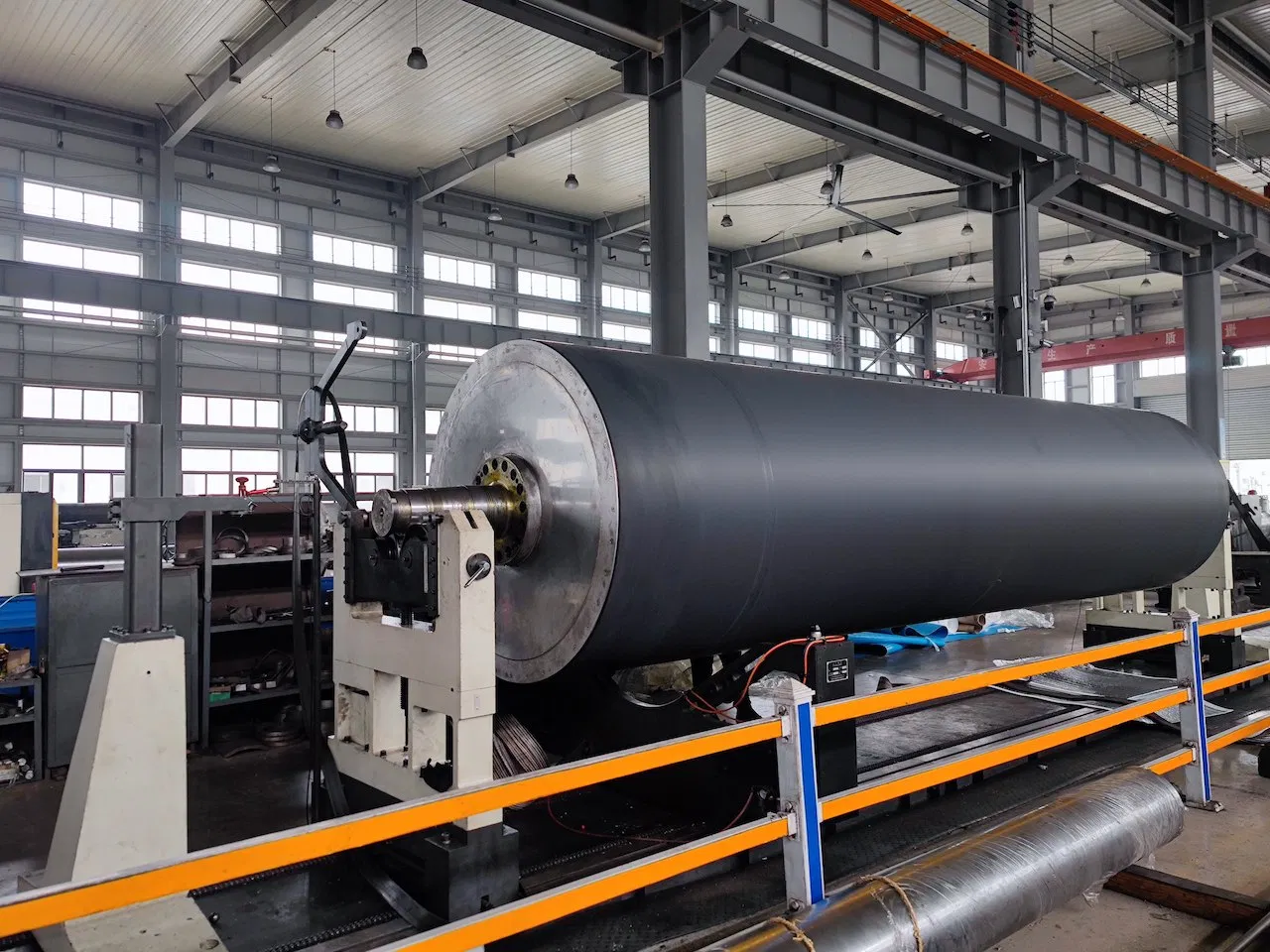
Suction Rolls: Enhancing Dewatering and Sheet Transfer
Moving beyond the Yankee, suction rolls play a crucial role in dewatering the paper web and ensuring smooth transfer between different sections of the machine. These rolls are designed with perforated shells and internal vacuum systems that draw water out of the sheet. The paper machine roll specifications for tissue machines become particularly nuanced when considering these components.
Shell Design and Hole Pattern
The shell of a suction roll is typically made from stainless steel or other corrosion-resistant alloys. The critical specification here is the perforation pattern – the size, spacing, and density of the holes. These parameters are carefully chosen to optimize water removal without damaging the delicate tissue web. Too large or too closely spaced holes can lead to sheet flutter or even tearing. Have you ever wondered how much water is actually removed by these rolls? It's quite astonishing!
Covering and Hardness
Suction rolls are often covered with a resilient material, usually a synthetic rubber compound. The hardness of this covering (measured in Shore Durometer) is a critical specification. A softer cover can conform better to the sheet, aiding in water removal and providing a gentler touch, while a harder cover might offer better durability and resistance to wear. The choice depends on the specific position of the roll in the machine and the type of tissue being produced.
Vacuum Level and Control
Similar to the Yankee, the effectiveness of a suction roll is heavily dependent on the vacuum applied. The paper machine roll specifications for tissue machines must also consider the vacuum system's capacity and the ability to precisely control vacuum levels at different points along the roll's face. This allows for tailored dewatering and transfer performance.
Press Rolls and Felt Rolls: Shaping and Supporting the Web
Press rolls and felt rolls are integral to the forming and pressing sections, working in tandem to remove more water and impart structural integrity to the nascent tissue sheet. Their specifications are geared towards efficient water removal and uniform sheet support.
Roll Covers and Grooving
Press rolls, especially those in the press section, often have specialized covers designed for optimal water expression. These covers need to be durable, resistant to chemicals, and provide a smooth surface for the felt. Grooving on the surface of some press rolls is another important specification, designed to channel water away from the nip and prevent rewetting of the sheet. The pattern and depth of these grooves are critical. Felt rolls, on the other hand, are primarily designed to support the felt and guide it through the press section, with specifications focusing on smooth operation and minimal felt wear.
Load and Nip Pressure
The load applied to press rolls, which translates into nip pressure, is a key operational parameter that directly affects water removal. While not a physical roll specification in the same vein as diameter, the roll's structural integrity and the precision of its bearings must be able to withstand these high loads consistently and uniformly across the face. Inconsistent nip pressure can lead to variations in sheet basis weight and caliper.
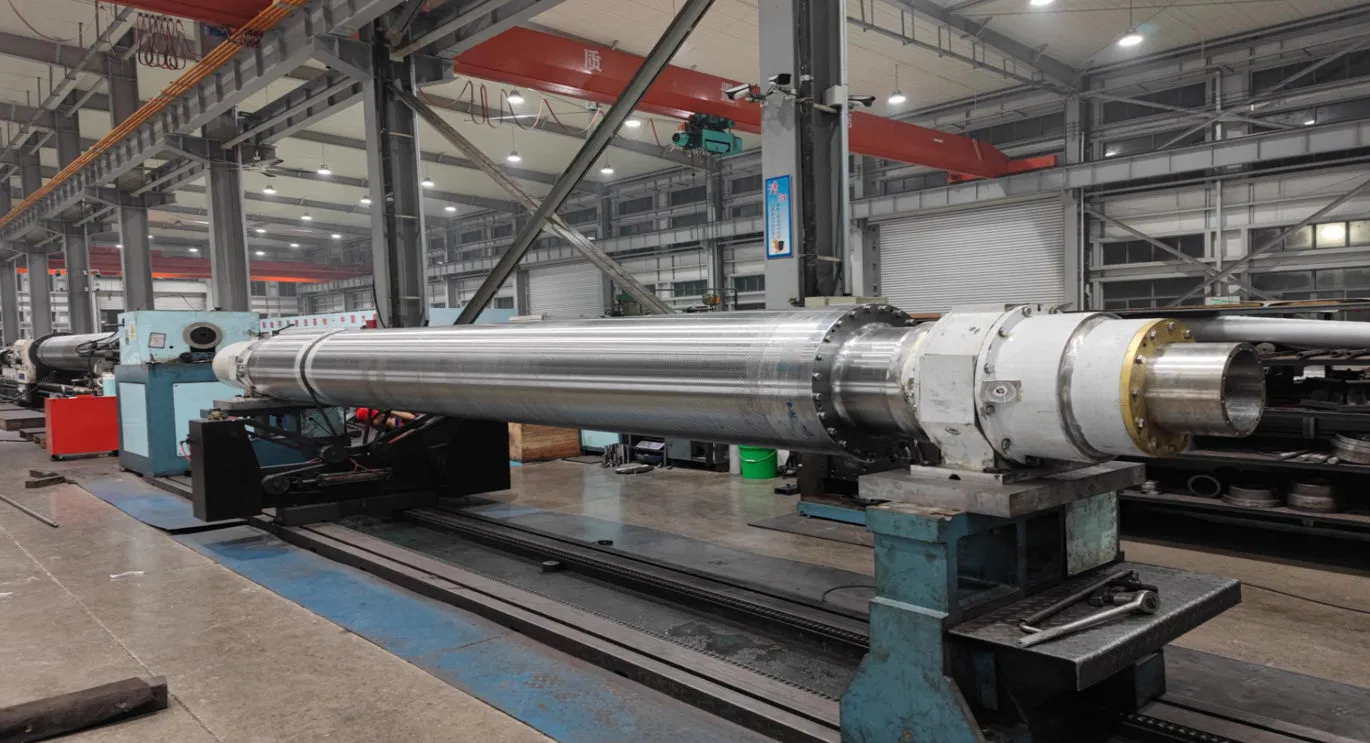
Creping Doctor Blades: The Art of Sheet Separation
While not a roll itself, the creping doctor blade is inextricably linked to the Yankee dryer roll and its specifications are vital for achieving the desired tissue properties. This blade, typically made of specialized steel or composite materials, scrapes the dried sheet off the Yankee surface, inducing the micro-folds that create softness and bulk.
Blade Material and Bevel Angle
The material of the doctor blade must be hard enough to scrape effectively but also resilient enough to avoid damaging the Yankee surface. The bevel angle – the angle at which the blade meets the Yankee surface – is a critical specification that influences the creping action. A sharper angle might produce finer creping, while a blunter angle could lead to a coarser texture.
Blade Holder and Loading System
The blade holder and its loading system are equally important. They ensure that the blade is held at a consistent angle and pressure against the Yankee roll across its entire face. Inconsistent loading can result in uneven creping, leading to variations in sheet quality. Many operators find that precise control over blade loading is a constant area of focus for optimizing tissue softness.
Beyond the Basics: Other Important Roll Considerations
It's worth noting that the specifications for paper machine roll specifications for tissue machines extend beyond these primary examples. We also have:
- Breast Rolls: The first roll in the forming section, guiding the stock onto the wire. Specifications focus on smoothness and rigidity.
- Guide Rolls: Used throughout the machine to maintain web tension and tracking. Their balance and surface finish are crucial for smooth operation.
- Calender Rolls: Used for smoothing and calendering the sheet, often with specific surface treatments or materials to achieve the desired finish.
The selection and maintenance of these rolls are complex, requiring a deep understanding of material science, mechanical engineering, and the specific demands of tissue production. The interplay between different roll specifications, such as the diameter of a suction roll and the hardness of its cover, can have a significant impact on the final product. Frankly speaking, it's a field where continuous innovation is driven by the demand for better tissue products.
Ultimately, achieving superior tissue quality and production efficiency relies on meticulously adhering to and understanding the precise paper machine roll specifications for tissue machines. From the mighty Yankee to the intricate details of a doctor blade, each component plays a vital role.
For more detailed information, please visit our official website:tissue machine rolls
About the author: A seasoned paper industry consultant with over two decades of experience, Alex Thompson specializes in optimizing tissue machine operations. His expertise lies in understanding the intricate interplay of machine components and their impact on final product quality. Alex is passionate about sharing practical insights to help manufacturers achieve peak performance and efficiency in their paper production processes.