

The heart of any paper machine beats with its rolls. These unsung heroes work tirelessly, day in and day out, shaping pulp into the paper we use every day. But not all rolls are created equal. The materials they're made from, and the properties these materials possess, have a profound impact on everything from paper quality and production speed to the longevity of the machine itself. Frankly speaking, understanding the nuances of paper machine roll material properties comparison is crucial for any mill aiming for peak performance and efficiency.
Have you ever wondered why certain paper grades are consistently smoother or why some machines seem to run with fewer interruptions? Often, the answer lies in the carefully selected materials for their critical roll components. In this comprehensive guide, we'll unroll the complexities of these materials, dissecting their properties and comparing them to help you make informed decisions.
The Crucial Role of Rolls in Papermaking
Before we dive into the materials, let's quickly recap why rolls are so vital. Paper machines are intricate systems, and rolls are involved in almost every stage: forming the sheet, pressing out water, calendering for smoothness, and reeling the final product. Each type of roll – from press rolls and suction rolls to calender rolls and dryer rolls – has a specific function, and the material properties must align with that function. For instance, press rolls need to withstand immense pressure and moisture while providing a surface that doesn't damage the delicate paper web. Calender rolls, on the other hand, require extreme hardness and a smooth, polished surface to impart gloss and thickness uniformity. Dryer rolls need excellent heat transfer capabilities. It's a delicate balancing act, and the material is the foundation of that balance.Key Material Properties for Paper Machine Rolls
When we talk about paper machine roll material properties comparison, we're looking at a range of critical characteristics. These properties dictate how a roll will perform under the demanding conditions of a paper mill.Hardness and Wear Resistance
This is arguably one of the most critical properties. Rolls are subjected to constant friction and pressure. A material's hardness, often measured by the Rockwell or Shore scales, directly impacts its ability to resist wear and abrasion. Higher hardness generally means longer service life and less frequent need for resurfacing or replacement. * High Hardness: Essential for calender rolls, breaker stacks, and other rolls where surface finish and dimensional stability are paramount. Materials like hardened steel, ceramics, and certain high-performance elastomers excel here. * Moderate Hardness: Suitable for press rolls where a balance between conformability and wear resistance is needed. Rubber compounds and specialized polymers often fall into this category. It's worth noting that extreme hardness isn't always the answer. Too much hardness can lead to brittleness, making the roll susceptible to damage from foreign objects or impact.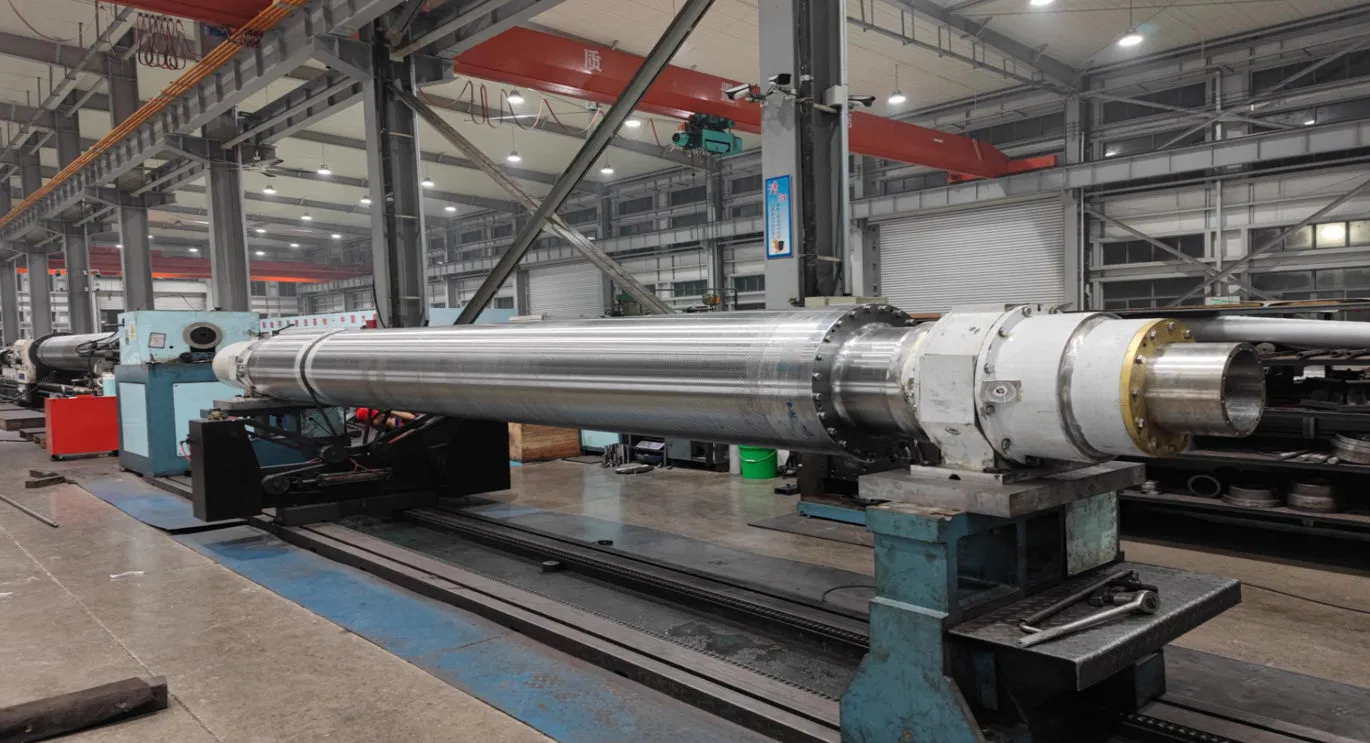
Chemical and Moisture Resistance
Paper mills are environments filled with water, chemicals (like sizing agents, retention aids, and bleaching agents), and varying pH levels. The materials used for rolls must be able to withstand this chemical onslaught without degrading, swelling, or losing their structural integrity. * Elastomers (Rubbers): Many synthetic rubbers like EPDM, Nitrile, and Neoprene are chosen for their excellent resistance to a wide range of chemicals and water. The specific formulation is key, as even within these types, resistance can vary significantly. * Metals: Stainless steels are often used for their inherent corrosion resistance. However, even stainless steel can be susceptible to certain aggressive chemicals or galvanic corrosion if not properly selected or maintained. * Composites and Ceramics: These materials often offer superior chemical resistance, making them ideal for highly corrosive environments or applications where minimal contamination is desired. Understanding the specific chemical environment of your paper machine is paramount when performing a material properties comparison.Thermal Conductivity and Stability
For dryer rolls, efficient heat transfer is non-negotiable. Materials with high thermal conductivity allow heat to be transferred effectively from the steam inside the roll to the paper web, speeding up the drying process. Conversely, materials must also be thermally stable, meaning they don't expand or contract excessively with temperature fluctuations, which could lead to dimensional changes and affect paper quality. * Metals: Steel and cast iron are excellent conductors of heat, making them the go-to for many dryer roll applications. * Composites: While often chosen for other properties, some composite materials can be engineered for specific thermal conductivity values.Surface Properties (Roughness, Adhesion, Release)
The surface of a roll is what directly interacts with the paper web. Its properties dictate how the paper adheres, releases, and its final surface finish. * Smoothness/Roughness: Crucial for calendering and coating applications. A highly polished surface is needed for gloss, while a controlled roughness might be beneficial in other stages. * Adhesion/Release: Some rolls need to grip the paper (e.g., certain press rolls), while others need to allow easy release to prevent sticking or tearing. This is heavily influenced by the covering material and its surface treatment. Specialized coatings and polymer formulations are used to achieve these specific surface characteristics.Mechanical Strength (Tensile, Compressive, Fatigue)
Rolls are subjected to significant mechanical stresses. They need to withstand high pressures without deforming permanently (compressive strength) and resist breaking under tension or repeated loading (tensile and fatigue strength). * Steel Cores: The core of many large rolls is made from robust steel alloys to provide the necessary structural integrity. * Covering Materials: The covering must also possess adequate mechanical strength to maintain its shape and integrity under load.Comparing Common Paper Machine Roll Materials
Now, let's get down to the nitty-gritty of paper machine roll material properties comparison by looking at some of the most common materials and their applications.1. Steel and Cast Iron
These are the workhorses of the paper machine, forming the core of many rolls. * Properties: Excellent mechanical strength, high thermal conductivity, and relatively good wear resistance (especially hardened steels). Cast iron offers good damping properties. * Applications: Dryer rolls, suction roll shells, calender rolls (often as the base for coatings), press roll cores. * Pros: Cost-effective, strong, good heat transfer. * Cons: Can be susceptible to corrosion, can be heavy, wear resistance can be limited without hardening or specialized coatings. * Long-tail Keyword Example: *comparison of steel vs. cast iron paper machine rolls*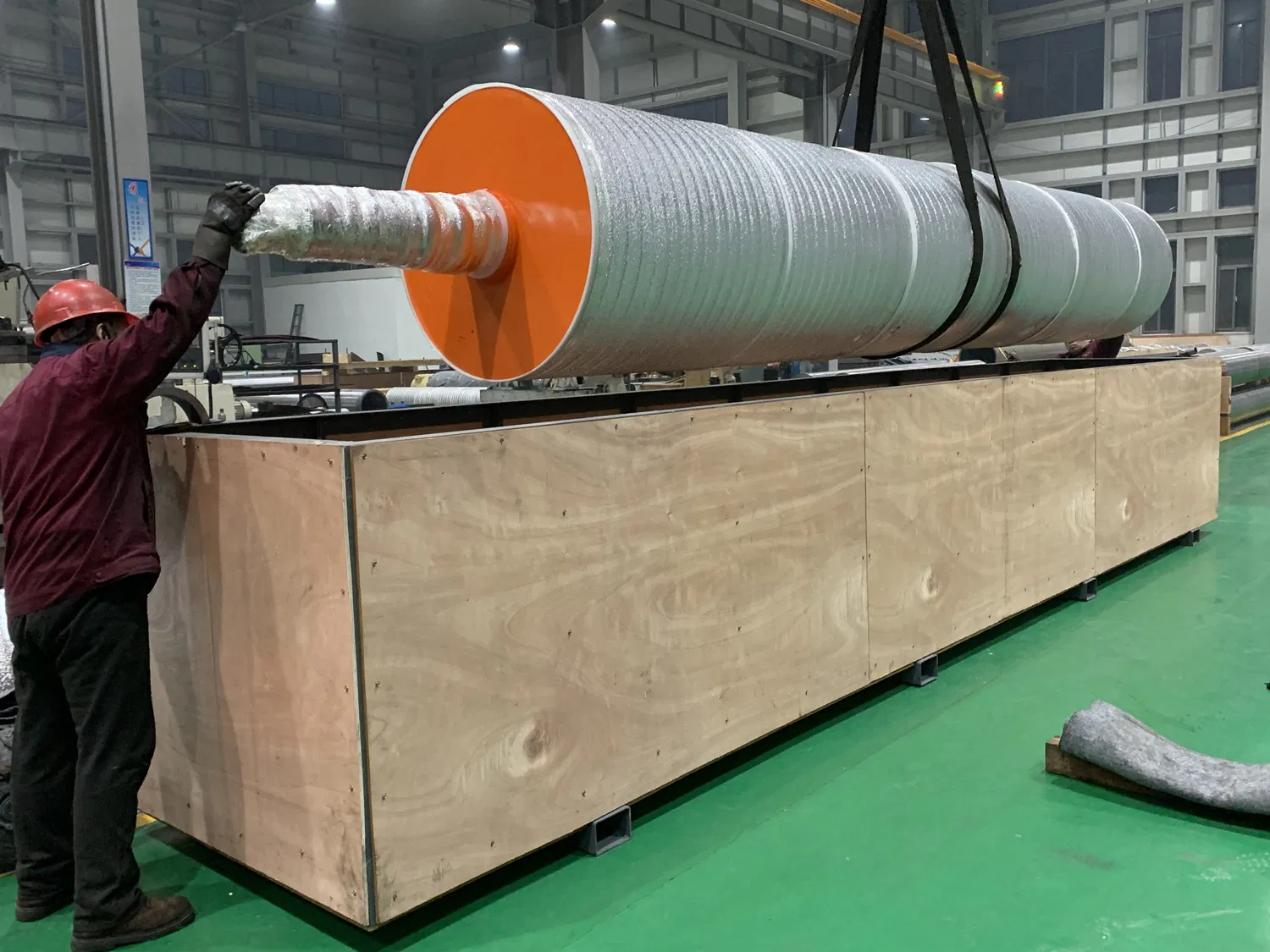
2. Various Elastomers (Rubber Compounds)
These are the most common covering materials for press rolls, breaker rolls, and many other applications where a conformable, resilient surface is needed. The specific type of elastomer is critical. * EPDM (Ethylene Propylene Diene Monomer): Known for excellent resistance to heat, ozone, weathering, and a broad range of chemicals. Good for many press and breaker applications. * Nitrile (NBR): Offers superior resistance to oils, fuels, and many solvents. Often used in applications where these substances are present. * Neoprene (CR): A good all-around performer with moderate resistance to oils, chemicals, and abrasion. * Polyurethane (PU): Extremely tough and abrasion-resistant, with excellent load-bearing capacity. Often used for high-pressure applications where wear is a significant concern. * Silicone: Excellent heat resistance and non-stick properties, often used in specialized coating or drying applications. * Pros: Conformability, cushioning, excellent grip or release properties depending on formulation, good chemical resistance (formulation dependent). * Cons: Can be susceptible to heat degradation, certain chemicals, and mechanical damage if not selected correctly. Wear rates can be higher than harder materials. * Long-tail Keyword Example: *elastomer selection guide for paper machine press rolls*3. Composite Materials
Composites, often involving fiberglass or carbon fiber reinforced polymers, are increasingly used for their unique property profiles. * Properties: High strength-to-weight ratio, excellent corrosion resistance, can be engineered for specific thermal and mechanical properties, good dimensional stability. * Applications: Suction roll shells, press rolls, breaker rolls, especially in aggressive chemical environments or where weight reduction is beneficial. * Pros: Lightweight, high strength, excellent corrosion resistance, can be tailored for specific needs. * Cons: Can be more expensive than traditional materials, repair can be more complex.4. Ceramics and Carbide Coatings
These advanced materials are often applied as coatings to steel cores to provide exceptional hardness, wear resistance, and smooth surfaces. * Properties: Extreme hardness, excellent wear and abrasion resistance, low friction, chemical inertness. * Applications: Calender rolls, coating rolls, breaker rolls, and any application demanding the highest level of surface durability and finish. * Pros: Unparalleled wear resistance and surface durability, leads to longer run times and superior paper quality. * Cons: High initial cost, can be brittle, require specialized application and maintenance. ## Performing Your Own Paper Machine Roll Material Properties Comparison So, how do you go about making the right choice for your specific needs? It's a multi-faceted decision. ### Step 1: Define the Roll's Function and Operating Environment This is the absolute first step. What is the roll's primary job? What are the operating temperatures, pressures, and chemical exposures? Is it a high-speed, high-pressure application, or a more gentle calendering process? ### Step 2: Identify Critical Performance Metrics What are you trying to achieve? Is it increased paper smoothness, reduced downtime, longer roll life, better moisture control, or a combination? Prioritize these metrics. ### Step 3: Research Material Data Sheets and Consult Experts Once you have a clear understanding of your needs, delve into the technical specifications of potential materials. Don't hesitate to consult with roll manufacturers and material science experts. In my experience, their insights are invaluable. They've seen a vast array of applications and can often suggest solutions you might not have considered. ### Step 4: Consider the Total Cost of Ownership It's not just about the upfront purchase price. Factor in installation, maintenance, expected lifespan, and potential downtime costs. A more expensive material that lasts significantly longer and requires less maintenance might be more economical in the long run. ### Step 5: Conduct Pilot Tests (If Possible) For critical applications or when evaluating new materials, conducting pilot tests on a smaller scale can provide real-world data and build confidence before a full-scale implementation. ## The Future of Paper Machine Roll Materials The drive for greater efficiency, sustainability, and higher quality paper continues to push the boundaries of material science. We're seeing advancements in: * Nanomaterials: For enhanced surface properties and wear resistance. * Smart Coatings: Materials that can self-heal or adapt to changing conditions. * Sustainable Materials: Exploring bio-based or recycled materials that can meet performance demands. The ongoing innovation in paper machine roll material properties comparison ensures that the papermaking industry will continue to evolve, producing better paper more efficiently and sustainably. Ultimately, a thorough paper machine roll material properties comparison is not a one-time task but an ongoing process of evaluation and optimization. By understanding the materials and their performance characteristics, paper mills can unlock significant improvements in efficiency, product quality, and operational reliability.For more detailed information, please visit our official website:paper machine roll materials
About the author: Meet Dr. Anya Sharma, a seasoned materials scientist with over 15 years of dedicated experience in the pulp and paper industry. Her expertise lies in understanding the intricate interplay between material properties and manufacturing processes, particularly focusing on enhancing the performance and longevity of paper machine components. Dr. Sharma is passionate about translating complex material science into practical solutions for mill operators.