

In the competitive world of paper manufacturing, maximizing output is paramount. Every mill operator and plant manager grapples with the question: how to increase paper machine throughput? It's not just about running the machine faster; it's a holistic approach involving optimization, maintenance, and smart operational adjustments. Frankly speaking, achieving higher throughput directly translates to improved profitability and a stronger market position. Let's dive into the core strategies that can make a tangible difference.
Understanding the Bottlenecks: The First Step to Higher Throughput
Before you can even think about increasing speed, you need to understand what's holding you back. Identifying bottlenecks is the critical first step. These are the slowest points in your entire paper production process that dictate the overall speed. In my experience, many mills overlook seemingly minor issues that, when aggregated, significantly limit their potential output.
Common Bottleneck Areas
- Stock Preparation: Inadequate refining, poor consistency control, or insufficient pulping capacity can starve the machine.
- Headbox Performance: Uneven distribution of stock, jet velocity mismatches, or poor deaeration can lead to sheet defects and limit speed.
- Forming Section: Drainage issues on the wire, felt loading problems, or worn-out forming fabrics can slow down water removal.
- Press Section: Insufficient pressure, worn press felts, or improper roll crowning can hinder dewatering and sheet consolidation.
- Drying Section: Steam system inefficiencies, inadequate dryer felt tension, or clogged siphons can limit evaporation rates.
- Calendering and Winding: Issues with reel building, slitting, or winding can create quality problems that necessitate slower speeds or re-runs.
To effectively pinpoint these bottlenecks, consider implementing advanced process monitoring systems. Real-time data analytics can highlight deviations and inefficiencies that might otherwise go unnoticed. Have you ever wondered why one section consistently underperforms? Detailed data is your answer.
Optimizing Machine Speed and Runnability
Once you have a clear picture of your bottlenecks, the next logical step is to optimize your machine's speed and overall runnability. This isn't just about pressing the accelerator; it's about ensuring the machine can handle higher speeds without compromising quality or leading to frequent breaks.
Key Areas for Speed Optimization
1. Stock Consistency and Quality
Maintaining precise stock consistency is crucial. Fluctuations can lead to sheet defects and breaks. Investing in advanced consistency control systems and ensuring proper refining are fundamental. A well-prepared furnish is the foundation for higher speeds.
2. Headbox Optimization
The headbox is where the paper sheet begins its journey. Ensuring uniform fiber distribution and jet velocity is paramount. Regular cleaning, calibration, and inspection of slices, foils, and deflectors can prevent inconsistencies. Interestingly enough, even minor adjustments here can have a significant impact on sheet formation and runnability.
3. Forming Section Enhancements
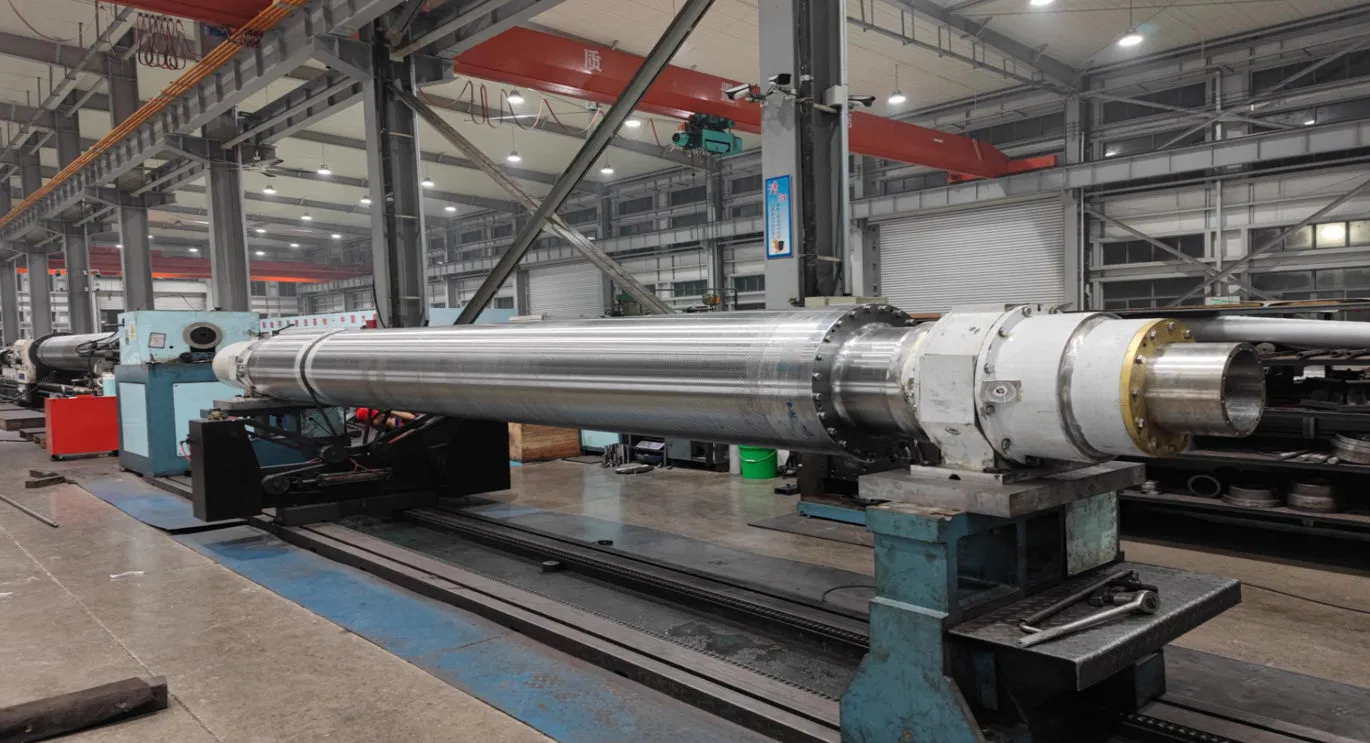
Efficient water removal in the forming section is key to increasing machine speed. This involves optimizing the drainage elements (foils, vacuum boxes), ensuring the forming fabric is clean and in good condition, and maintaining proper wire tension. Upgrading to more efficient drainage elements or using advanced forming fabrics can make a substantial difference.
4. Press Section Performance
The press section removes a significant amount of water and consolidates the sheet. Ensuring optimal nip pressures, using appropriate press felt configurations, and maintaining roll condition are vital. Modern press designs often allow for higher nip loads, which can significantly improve dewatering and reduce the load on the drying section.
5. Drying Section Efficiency
The drying section is often a limiting factor in overall throughput. Improving steam system efficiency, ensuring proper dryer felt tension and condition, and maintaining the siphons for condensate removal are critical. Advanced control systems that optimize steam usage based on sheet moisture profiles can also yield significant gains.
Minimizing Downtime: The Unsung Hero of Throughput
To be honest, one of the most effective ways to increase paper machine throughput is by reducing unplanned downtime. Every minute the machine is not running is a minute of lost production. A robust maintenance strategy is not just about fixing things when they break; it's about preventing them from breaking in the first place.
Proactive Maintenance Strategies
- Predictive Maintenance: Utilizing technologies like vibration analysis, thermal imaging, and oil analysis to detect potential equipment failures before they occur. This allows for scheduled maintenance during planned shutdowns, minimizing unexpected stops.
- Preventive Maintenance: Implementing scheduled inspections, lubrication, and component replacements based on usage or time intervals. This ensures critical components are always in optimal condition.
- Root Cause Analysis (RCA): When a breakdown does occur, conducting thorough RCAs to understand the underlying cause and implement corrective actions to prevent recurrence.
- Operator Training and Engagement: Well-trained operators are your first line of defense. They can often spot early signs of trouble and take corrective action. Empowering them to report issues and participate in maintenance planning is invaluable.
It's worth noting that a culture of continuous improvement, where maintenance and operations teams work collaboratively, is essential for sustained reductions in downtime.
Leveraging Technology and Automation for Enhanced Productivity
In today's industrial landscape, technology and automation are no longer optional; they are essential for staying competitive. When we talk about how to increase paper machine throughput, embracing these advancements is key.
Technological Advancements to Consider
1. Advanced Process Control (APC)
APC systems use sophisticated algorithms to maintain process variables within tighter tolerances than traditional controllers. This leads to more stable operation, reduced variability, and the ability to run closer to optimal limits, thereby increasing throughput.
2. Real-time Quality Monitoring
Online sensors and scanners that monitor critical quality parameters like basis weight, moisture, caliper, and smoothness in real-time allow for immediate adjustments. This prevents off-spec product from being produced, which would otherwise lead to waste or re-processing, ultimately impacting throughput.
3. Automation of Material Handling
Automating the movement of raw materials, finished goods, and waste can significantly reduce the time spent on non-productive tasks. This includes automated guided vehicles (AGVs) for transporting rolls or improved systems for broke handling.
4. Data Analytics and AI
The sheer volume of data generated by modern paper machines is immense. Leveraging data analytics platforms and artificial intelligence can uncover hidden patterns, predict equipment failures, and optimize operating parameters for maximum throughput and efficiency. Many experts agree that the future of paper manufacturing lies in intelligent, data-driven operations.
Quality Considerations: The Interplay Between Speed and Product Integrity
It's a common misconception that increasing throughput always means sacrificing quality. However, a well-executed strategy for how to increase paper machine throughput actually aims to improve both. Running a machine at its optimal, stable speed, supported by robust control systems, often leads to a more consistent and higher-quality product.
Maintaining Quality at Higher Speeds
- Sheet Formation: Ensuring uniform fiber distribution and minimizing flocculation is critical for strength and printability.
- Surface Properties: Maintaining desired smoothness, gloss, and porosity requires precise control in the press and dryer sections, as well as proper calendering.
- Dimensional Stability: Controlling moisture gradients and caliper variations is essential for subsequent converting processes.
- Runnability in Converting: A well-made paper that runs smoothly on the printing press or converting machine is the ultimate goal.
Investing in research and development to understand the interdependencies between machine speed, operational parameters, and final product quality is an ongoing process. It's about finding that sweet spot where maximum output meets unwavering quality standards.
Ultimately, increasing paper machine throughput is a multifaceted endeavor. It requires a deep understanding of your specific machine, a commitment to continuous improvement, and the strategic adoption of technology. By focusing on bottleneck identification, speed optimization, downtime reduction, and smart technological integration, you can significantly enhance your mill's productivity and profitability.
For more detailed information, please visit our official website:paper machine throughput
About the author: With over 15 years of hands-on experience in paper mill operations and process optimization, Alex Chen is a recognized expert in enhancing paper machine efficiency. He specializes in identifying production bottlenecks, implementing advanced control strategies, and driving sustainable throughput increases. Alex is passionate about sharing practical insights to help paper manufacturers achieve peak performance and profitability.