

Paper machines are complex beasts, and at their heart are a series of rolls that guide, press, and finish the paper web. When these rolls develop defects, it can lead to a cascade of quality issues, lost production, and increased costs. Frankly speaking, understanding and effectively troubleshooting paper machine roll defects is a critical skill for any mill operator or maintenance professional. Have you ever wondered why those seemingly minor imperfections on a roll can cause such significant problems downstream?
In my experience, many issues stem from a lack of systematic approach when a defect first appears. It's easy to get caught in a cycle of reactive fixes, but a more proactive and analytical method can save a lot of headaches. This guide aims to provide you with the knowledge and tools to identify, diagnose, and resolve common paper machine roll defects, ultimately leading to smoother operations and superior paper quality.
Understanding Common Paper Machine Roll Defects
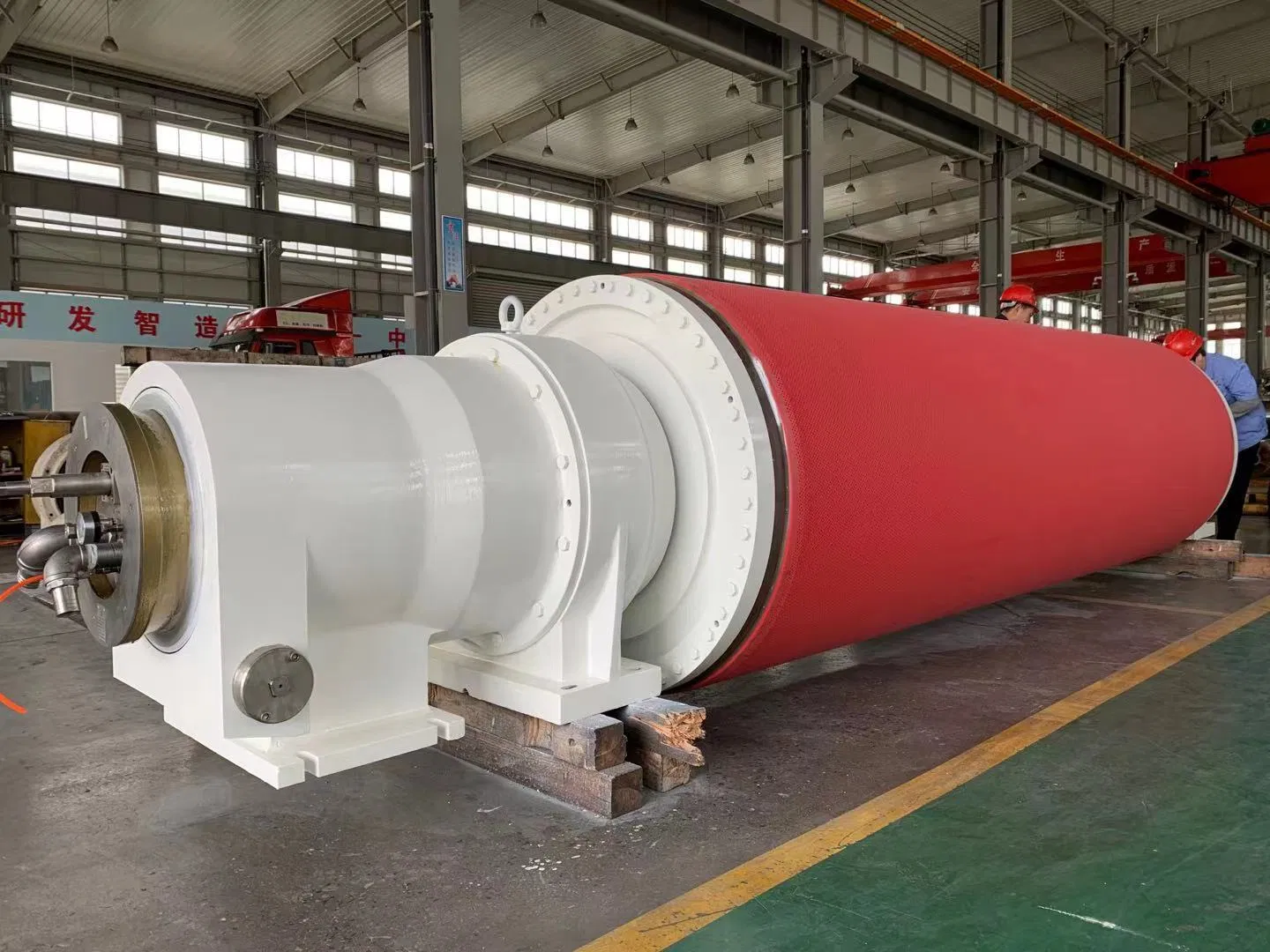
Before we can effectively troubleshoot, we need to know what we're looking for. Paper machine roll defects can manifest in various ways, often impacting the final paper product. Some of the most prevalent issues include:
- Surface Imperfections: This is a broad category encompassing anything from small pits and cracks to larger gouges and blisters on the roll surface. These can transfer directly to the paper web as spots, streaks, or uneven textures.
- Dimensional Inaccuracies: Rolls that are out of round, have worn crowns, or possess incorrect diameters can lead to uneven pressure distribution across the web. This results in variations in basis weight, caliper, and moisture profiles.
- Vibrations and Runout: An unbalanced or improperly mounted roll can cause significant vibrations. This not only affects paper quality, leading to barring or streaking, but can also put undue stress on bearings and other machine components.
- Corrosion and Chemical Attack: Certain environments or chemical exposures can degrade roll surfaces, leading to pitting, staining, or a general loss of integrity.
- Adhesion Issues: In cases of coated rolls or rolls used in specific processes, material adhesion or delamination can create surface anomalies.
Interestingly enough, the root cause of these defects can be incredibly diverse, ranging from operational errors to material fatigue and environmental factors. Identifying the specific type of defect is the first crucial step in the troubleshooting process.
Diagnosing the Root Causes of Roll Defects
Once a defect is identified, the real work of troubleshooting paper machine roll defects begins: diagnosing the root cause. This requires a systematic approach, moving beyond just observing the symptom to understanding the underlying mechanism.
Mechanical Factors
Many roll defects are rooted in mechanical issues. Worn bearings, for instance, can lead to eccentric running and vibrations. Improper alignment of rolls within the machine frame can cause uneven loading and premature wear. It's worth noting that even small misalignments, often imperceptible to the naked eye, can have significant consequences over time.
The tension and pressure applied by rolls are also critical. If these are too high, they can cause excessive stress on the roll and the paper web, leading to defects like crushing or marking. Conversely, insufficient tension can result in poor web handling and increased susceptibility to other issues.
Operational and Process Variables
How the paper machine is operated plays a huge role. Frequent or abrupt changes in machine speed, sudden stops, or improper threading of the paper web can all contribute to roll damage. The type of paper being run also matters; different grades have varying sensitivities to mechanical stress and surface interactions.
In my experience, operators often have invaluable insights into process variations that might precede a defect. Encouraging open communication between the operations and maintenance teams is key to uncovering these subtle but important clues. For example, a sudden increase in steam pressure in a dryer section might seem unrelated to a calender roll defect, but it could lead to uneven drying and subsequent web stress that impacts the calender.
Material and Environmental Influences
The materials used in roll construction, as well as the environment in which they operate, are also significant factors. Exposure to corrosive chemicals, high temperatures, or abrasive particles can degrade roll surfaces. The quality of the roll material itself, including its hardness, surface finish, and resistance to wear, is fundamental.
Interestingly enough, even the quality of the felt or fabric running against a roll can impact the roll's surface over time. Abrasive felts or those with embedded debris can cause scratching or polishing defects.
Troubleshooting Roll Surface Defects
Surface defects are perhaps the most visually obvious. When you encounter a pitted, cracked, or marked roll surface, consider these questions:
- What is the pattern of the defect? Is it uniform, random, or localized?
- When did it first appear? Was it sudden or gradual?
- What materials are in contact with the roll? (e.g., paper web, felts, doctor blades)
- What are the operating conditions? (e.g., temperature, pressure, speed)
For instance, a localized gouge might indicate a foreign object on the machine, like a piece of wire or debris. A uniform pitting across the entire face could point to chemical corrosion or a material defect. Troubleshooting paper machine roll defects requires this level of detail.
Implementing Solutions and Preventative Measures
Once the root cause is identified, the next step is to implement effective solutions and, more importantly, preventative measures to avoid recurrence.
Repair and Refurbishment
Depending on the severity and type of defect, several repair options exist. Minor surface imperfections might be addressed with polishing or grinding. More significant damage may require resurfacing by a specialized roll manufacturer. In some cases, a full roll replacement might be the most cost-effective long-term solution.
It's worth noting that the decision to repair or replace should always consider the cost of downtime, the potential impact on paper quality, and the expected lifespan of the repaired or new roll.
Adjusting Operational Parameters
Often, the solution lies in fine-tuning operational parameters. This could involve adjusting roll pressures, speeds, or tensions. For example, if a roll is causing web marking due to excessive pressure, reducing that pressure might be the simplest fix. Similarly, ensuring proper lubrication and cooling for rolls operating at high speeds or temperatures can prevent thermal degradation and wear.
Many experts agree that optimizing doctor blade setup is crucial for many rolls. Incorrect blade angle, pressure, or material can lead to premature wear or surface damage on both the roll and the blade itself.
Maintenance and Monitoring Strategies
Preventative maintenance is the cornerstone of avoiding future roll defects. This includes:
- Regular Inspections: Scheduled visual inspections, both during operation and shutdown, can catch early signs of wear or damage.
- Vibration Analysis: Monitoring roll vibrations can detect imbalances or bearing issues before they become critical.
- Dimensional Checks: Periodically verifying roll diameters and crown profiles ensures they remain within specifications.
- Lubrication Programs: Adhering to strict lubrication schedules and using the correct lubricants is vital for bearing health and roll longevity.
- Cleaning Protocols: Implementing effective cleaning procedures for rolls and their surrounding environments can prevent the buildup of contaminants that lead to defects.
A proactive approach to maintenance, combined with a thorough understanding of troubleshooting paper machine roll defects, will significantly reduce unscheduled downtime and improve overall machine efficiency.
The Importance of a Systematic Approach to Roll Defect Analysis
Frankly speaking, the complexity of paper machines means that a haphazard approach to troubleshooting will rarely yield lasting results. A systematic methodology for troubleshooting paper machine roll defects is essential. This involves:
- Accurate Defect Identification: Clearly define the defect's characteristics.
- Data Collection: Gather all relevant operational data, maintenance history, and environmental conditions leading up to the defect's appearance.
- Root Cause Analysis: Employ tools like the "5 Whys" or fishbone diagrams to delve deeper into the underlying causes.
- Solution Implementation: Develop and execute a plan to address the identified root cause.
- Verification and Monitoring: Confirm the solution's effectiveness and implement ongoing monitoring to prevent recurrence.
By following these steps, you move from simply fixing a problem to understanding and preventing it. This not only saves money and resources but also contributes to a culture of continuous improvement within the mill. Have you ever implemented a systematic approach that solved a persistent roll defect?
Mastering the art of troubleshooting paper machine roll defects is an ongoing journey. It requires a combination of technical knowledge, keen observation skills, and a commitment to continuous learning. By understanding common defects, diligently diagnosing their root causes, and implementing robust solutions and preventative measures, you can ensure your paper machine runs smoothly, producing high-quality paper consistently.
For more detailed information, please visit our official website:paper machine roll defects
About the author: A seasoned paper mill engineer with over 15 years of hands-on experience in papermaking operations and maintenance. Specializing in process optimization and defect analysis, the author has a deep understanding of the intricate workings of paper machines and a passion for sharing practical solutions to common industry challenges.