

The heart of any paper machine lies in its intricate system of rolls, each playing a crucial role in transforming pulp into the paper we use every day. From pressing and calendering to guiding and coating, these rolls are under immense pressure, speed, and thermal stress. When their performance falters, it doesn't just mean a hiccup; it can lead to significant downtime, reduced paper quality, increased waste, and ultimately, a hit to the bottom line. Frankly speaking, addressing paper machine roll performance issues is paramount for any paper mill aiming for peak operational efficiency.
Have you ever wondered why a seemingly minor issue with a single roll can cascade into widespread problems across the entire paper machine? It's a complex interplay of mechanical, chemical, and operational factors. In my experience, many paper mills tend to focus on reactive maintenance, only addressing problems when they become critical. However, a proactive approach, understanding the root causes of common roll performance issues, can save immense time and resources.
Understanding the Critical Role of Paper Machine Rolls
Before we dive into the problems, let's briefly touch upon why these rolls are so vital. Paper machine rolls are not just passive components. They are engineered to perform specific functions: * Press Rolls: These apply pressure to squeeze out water, increasing sheet dryness and improving its physical properties. * Calender Rolls: Used for smoothing and finishing the paper surface, controlling gloss, thickness, and smoothness. * Guide Rolls: Essential for maintaining proper web tension and tracking. * Coating Rolls: Apply coatings for enhanced printability, barrier properties, or aesthetic appeal. * Suction Rolls: Utilize vacuum to remove water efficiently. Each of these rolls, whether it's a granite roll, rubber-covered roll, or a specialized composite, has specific performance criteria. When these criteria aren't met, the entire papermaking process is affected.Common Paper Machine Roll Performance Issues and Their Causes
Let's get down to the nitty-gritty. Identifying the symptoms is the first step, but understanding the underlying causes is where true problem-solving begins. Here are some of the most prevalent paper machine roll performance issues I've encountered:1. Roll Surface Wear and Damage
This is perhaps the most common culprit. Over time, the surface of a roll can degrade, leading to a host of problems. * Causes: * Abrasion: Constant contact with the paper web, especially if it contains abrasive fillers or is run at high speeds, can wear down the roll surface. * Chemical Attack: Exposure to process chemicals, sizing agents, or cleaning solutions can corrode or degrade certain roll coverings. * Mechanical Impact: Accidental contact with foreign objects, machine parts, or even sheet breaks can cause nicks, gouges, or cracks. * Thermal Degradation: Excessive heat, particularly in dryer sections, can cause rubber coverings to harden, crack, or delaminate. * Improper Grinding/Regrinding: If rolls are not ground to the correct specifications or if the grinding process introduces excessive heat, it can lead to premature wear. * Symptoms: * Uneven paper thickness or caliper. * Surface defects like streaks, spots, or dull areas on the paper. * Increased felt wear or damage. * Reduced pressing efficiency or poor dewatering. * Difficulty in controlling paper web tension.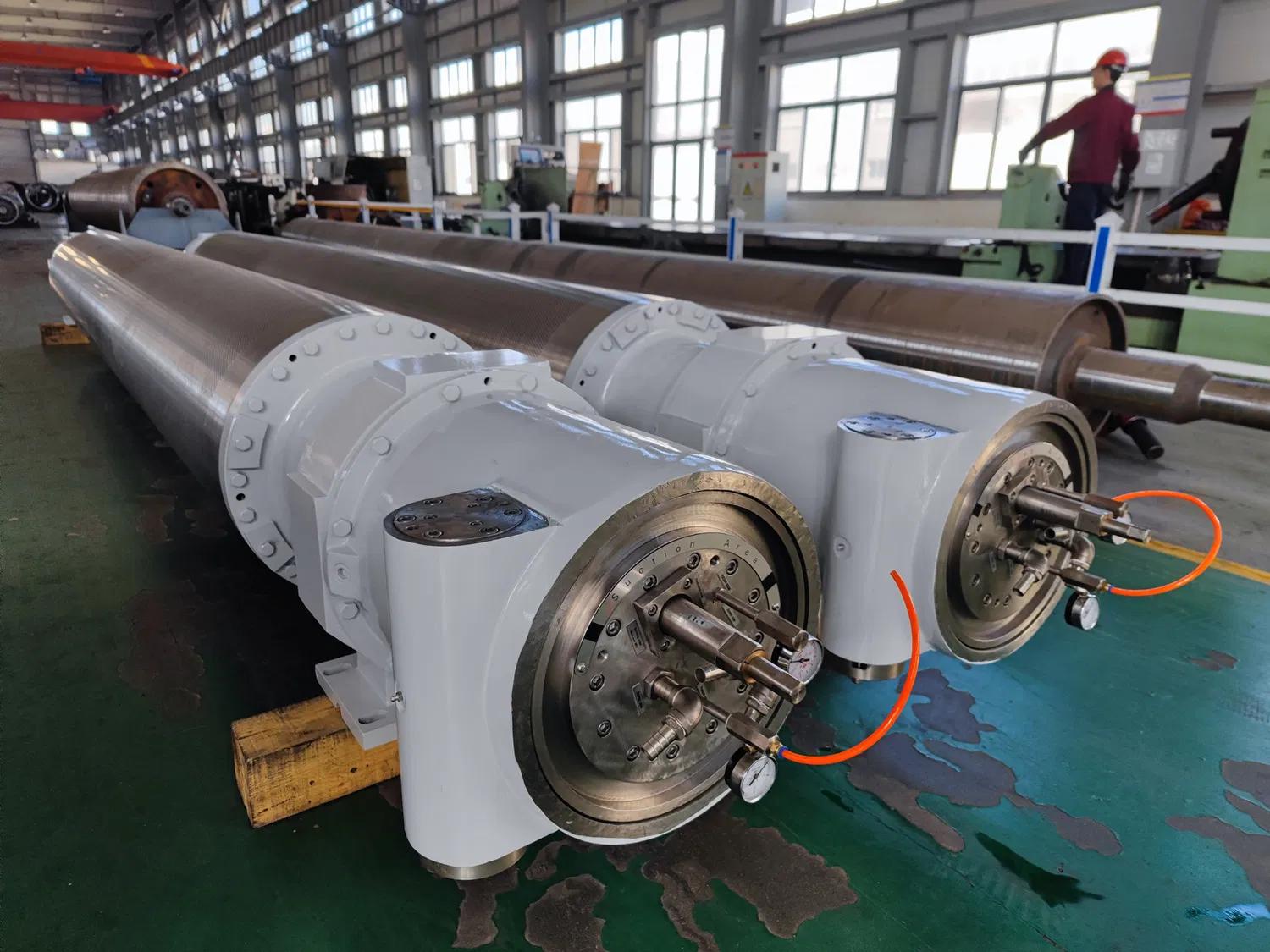
2. Roll Crown Issues and Uneven Pressure Distribution
The "crown" of a roll refers to its controlled curvature. It's designed to counteract the deflection caused by the load applied to the roll, ensuring uniform pressure across the entire width of the paper web. When the crown is incorrect or changes, problems arise. * Causes: * Incorrect Initial Crown Design: The roll might have been manufactured with an inadequate or excessive crown. * Roll Deflection: The inherent stiffness of the roll shell and its support structure might not be sufficient for the applied load. * Uneven Bearing Wear: Wear in the roll's bearings can cause the roll to sag unevenly. * Thermal Expansion/Contraction: Temperature variations across the roll width can alter its shape. * Covering Changes: If a roll covering is applied unevenly or changes its properties over time, it can affect the crown. * Improper Loading: In adjustable crown rolls, incorrect settings can lead to uneven pressure. * Symptoms: * Barring: A patterned defect in the paper, often appearing as faint lines running across the machine direction. * Uneven moisture profile across the paper width. * Variations in paper strength or density. * Edge or center crushing. * Reduced overall paper quality and consistency.3. Bearing Failures and Vibrations
The bearings that support the rolls are critical for smooth operation. Their failure can have immediate and severe consequences. * Causes: * Lubrication Issues: Insufficient, excessive, or contaminated lubrication is a primary cause of bearing failure. * Contamination: Water, dust, or process chemicals entering the bearings can cause corrosion and wear. * Overloading: Exceeding the designed load capacity of the bearings. * Misalignment: Improper installation or wear in the bearing housing can lead to misalignment and premature failure. * Improper Installation: Incorrect fitting of bearings onto the shaft. * Shock Loads: Sudden impacts from sheet breaks or other mechanical issues. * Symptoms: * Excessive vibration, often detectable by touch or specialized monitoring equipment. * Unusual noises (grinding, squealing). * Increased operating temperature of the bearings. * Reduced roll speed or inconsistent rotation. * Potential for catastrophic roll seizure, leading to significant machine damage. Interestingly enough, many bearing failures can be prevented with a robust lubrication and monitoring program.4. Roll Cover Delamination and Soft Spots
Roll covers, especially rubber or polymer-based ones, are susceptible to delamination or developing soft spots. * Causes: * Poor Adhesion: Inadequate surface preparation or application during the covering process. * Chemical Attack: Certain chemicals can attack the adhesive layer or the cover material itself. * Thermal Stress: Repeated heating and cooling cycles can weaken the bond between the cover and the roll core. * Mechanical Stress: High nip pressures or shear forces can cause the cover to peel away. * Moisture Ingress: Water seeping into the bond line can degrade the adhesive. * Symptoms: * Visible blistering or lifting of the roll cover. * Soft spots that cause uneven pressure application. * Sheet sticking to the roll surface. * Marking defects on the paper. * Reduced grip or friction where needed.Troubleshooting and Diagnosing Paper Machine Roll Performance Issues
Effective troubleshooting requires a systematic approach. It's not just about looking at the roll; it's about understanding the entire system and the paper machine's operating conditions.1. Visual Inspection and Documentation
This is the foundational step. Regularly inspect rolls for any visible signs of wear, damage, or contamination. * What to look for: * Surface irregularities: nicks, gouges, cracks, pitting. * Discoloration or signs of chemical attack. * Delamination or blistering of roll covers. * Wear patterns on bearings or journals. * Accumulation of debris or foreign material. Documenting these findings, along with the date and location, creates a historical record that can be invaluable for identifying recurring problems.2. Performance Monitoring and Data Analysis
Modern paper machines are equipped with numerous sensors. Leveraging this data is key to proactive maintenance. * Key parameters to monitor: * Vibration analysis: Detects bearing issues and imbalances early. * Temperature monitoring: Identifies overheating in bearings or rolls. * Nip pressure profiles: Ensures even pressure distribution across the roll width. * Moisture profiles: Indicates issues with dewatering or drying. * Roll speed and torque: Can reveal drag or resistance issues. Analyzing trends in this data can often predict potential paper machine roll performance issues before they cause a breakdown.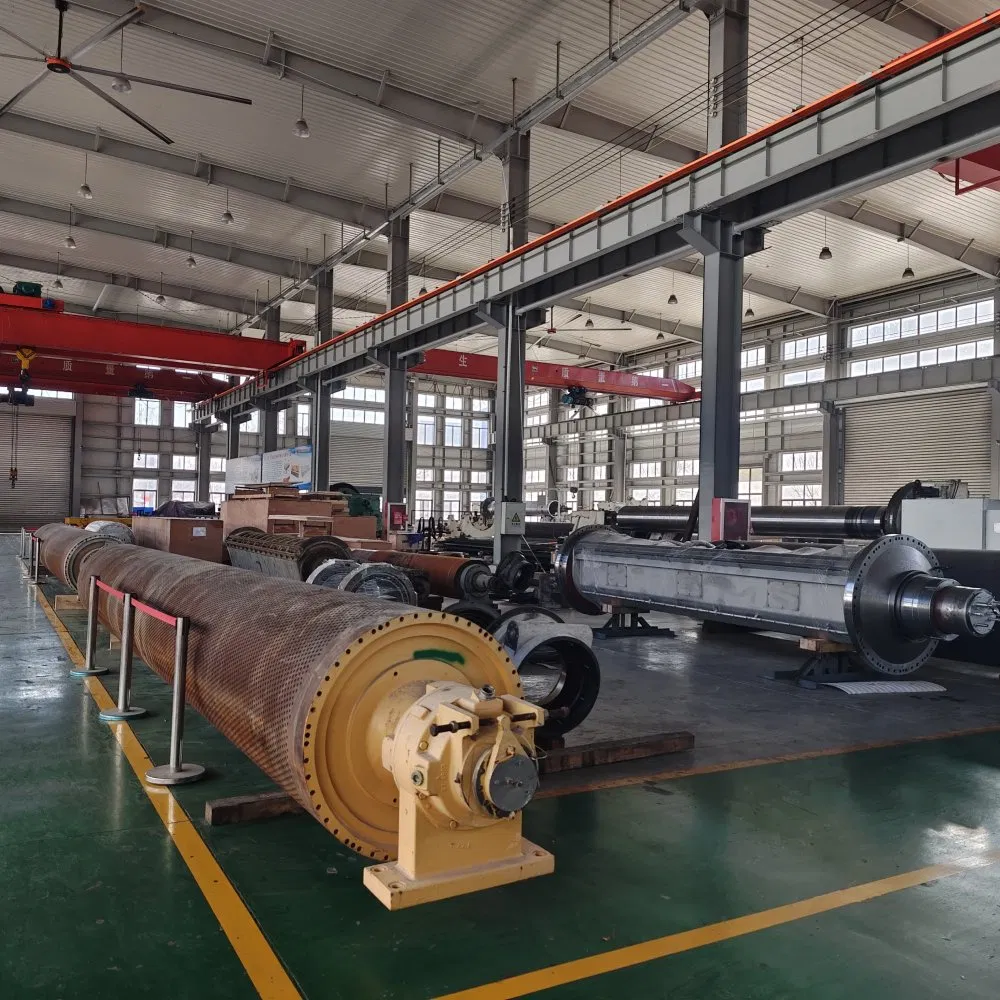
3. Understanding the Paper Grade and Operating Conditions
The type of paper being produced and the machine's operating parameters significantly influence roll performance. * Consider: * Abrasiveness of furnish: High filler content can accelerate wear. * Chemical additives: Some chemicals can be aggressive towards roll coverings. * Machine speed and nip loads: Higher speeds and loads increase stress on rolls. * Temperature variations: Affects material properties and expansion. A change in paper grade or operating conditions can sometimes be the trigger for previously undetected roll issues.4. Utilizing Expert Assessments and Non-Destructive Testing
For complex issues or when visual inspection isn't enough, specialized expertise and tools come into play. * Non-destructive testing (NDT) methods: * Ultrasonic testing: To detect internal flaws or delamination within roll covers. * Dye penetrant testing: To reveal surface cracks. * Eddy current testing: For detecting surface and near-surface defects. Consulting with roll manufacturers or specialized service providers can offer invaluable insights and solutions.Preventative Maintenance Strategies for Optimal Roll Performance
The best way to deal with paper machine roll performance issues is to prevent them from occurring in the first place. A robust preventative maintenance program is your best defense.1. Regular Roll Inspection and Measurement
This goes beyond just looking. It involves precise measurements to track wear and changes. * Key measurements: * Diameter and crown: To ensure they are within specifications. * Surface hardness: To detect degradation of rubber or polymer covers. * Runout and concentricity: To identify imbalances or shaft issues.2. Proactive Lubrication and Bearing Management
As mentioned, lubrication is critical. * Best practices: * Scheduled lubrication: Following manufacturer recommendations for type, quantity, and frequency. * Cleanliness: Ensuring lubricants are free from contamination. * Bearing monitoring: Implementing regular checks and using condition-based monitoring techniques.3. Proper Roll Handling and Storage
Even when rolls are not in operation, they are susceptible to damage. * Guidelines: * Avoid impact: Use appropriate lifting equipment. * Protect surfaces: Cover sensitive roll surfaces during transport and storage. * Store on supports: Prevent deformation from prolonged resting on uneven surfaces.4. Timely Refurbishment and Replacement
Knowing when to refurbish or replace a roll is an economic decision, but also a performance one. * Considerations: * Cost of downtime: The expense of unplanned shutdowns often outweighs the cost of proactive replacement. * Paper quality impact: Degraded rolls can lead to off-spec product. * Remaining lifespan: Assessing the wear and tear against the expected service life. Investing in high-quality roll coverings and regular professional regrinding services can significantly extend roll life and maintain optimal performance.Conclusion: A Continuous Pursuit of Excellence
Addressing paper machine roll performance issues is not a one-time fix; it's an ongoing commitment to understanding, monitoring, and maintaining these vital components. By adopting a proactive approach, leveraging data, and implementing sound preventative maintenance strategies, paper mills can significantly reduce downtime, improve paper quality, and enhance overall operational efficiency. Frankly speaking, the health of your paper machine rolls directly correlates to the health of your business.For more detailed information, please visit our official website:paper machine roll
About the author: Eleanor Vance is a seasoned paper industry consultant with over 15 years of hands-on experience in mill operations and maintenance. She specializes in optimizing paper machine efficiency, with a particular focus on roll performance and troubleshooting. Eleanor is passionate about sharing practical insights to help mills overcome operational challenges and achieve peak productivity.