

In the intricate world of papermaking, where speed, efficiency, and quality are paramount, countless components work in harmony to transform raw pulp into the paper we use every day. Among these vital parts, the paper machine couch rolls stand out as unsung heroes. Frankly speaking, without them, modern high-speed papermaking as we know it would be impossible. These robust cylinders, positioned at a crucial juncture in the paper machine, play a multifaceted role that directly influences everything from water removal to the final sheet's surface characteristics.
Have you ever wondered what happens to the wet web of paper as it leaves the forming section and heads towards the dryers? That's precisely where the couch roll assembly comes into play, acting as a critical transition point. It's a place where significant mechanical dewatering occurs, preparing the sheet for the energy-intensive drying process. Understanding the mechanics and importance of these rolls can offer a fascinating glimpse into the engineering marvels that underpin the paper industry.
What Exactly Are Paper Machine Couch Rolls?
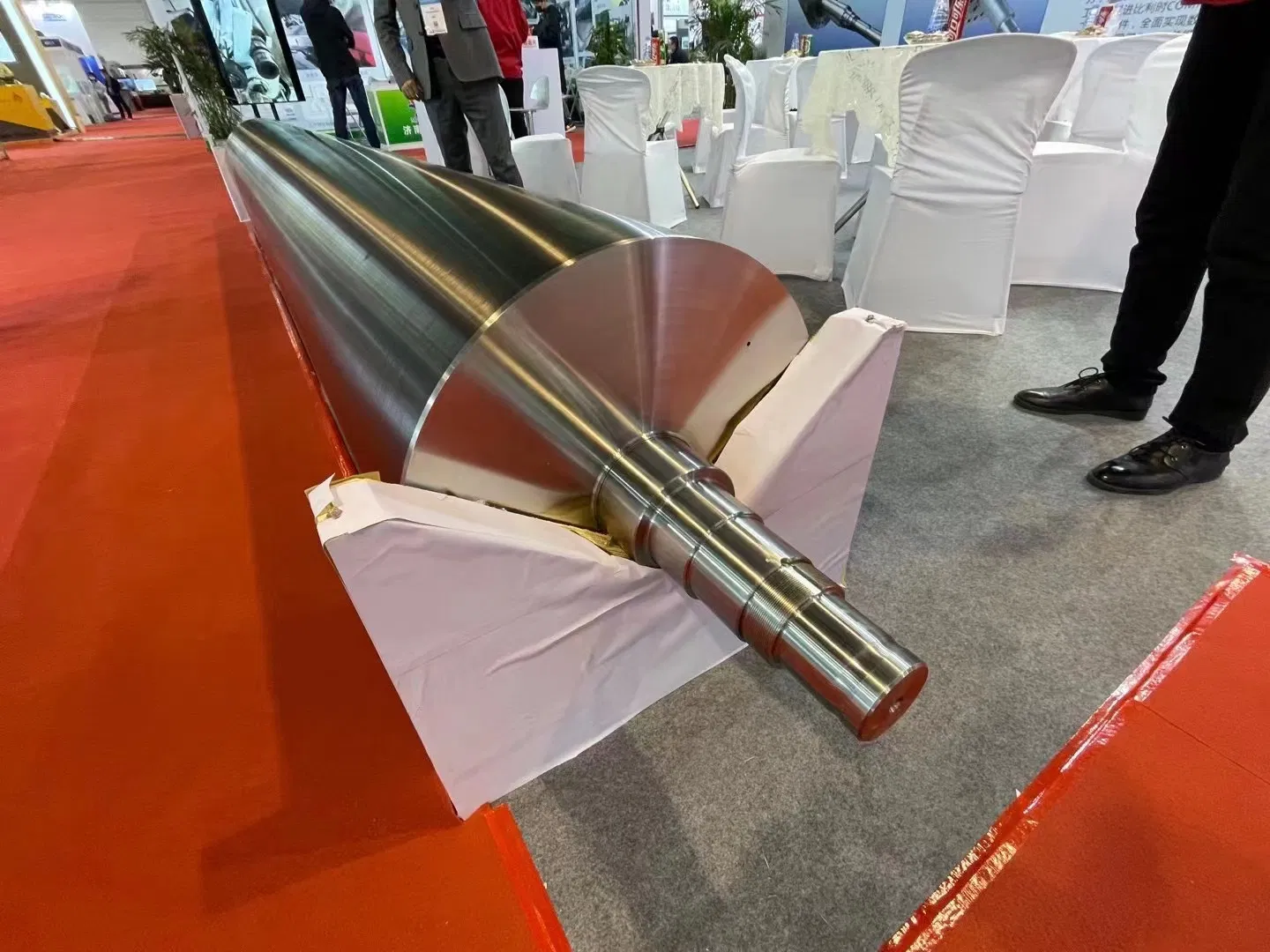
At its core, a couch roll is a large, precisely engineered cylinder that operates at the end of the paper machine's wire section, often in conjunction with a felt. Its primary function is to support and dewater the newly formed paper web as it leaves the forming fabric and enters the press section. Typically, the couch roll is a suction roll, meaning it has a perforated shell and is connected to a vacuum system. This vacuum draws water out of the paper web and the forming fabric simultaneously.
The couch roll assembly usually consists of the couch roll itself, a press felt, and often a backing roll or a second couch roll to create a nip. This nip is the point of contact where pressure is applied. The combination of vacuum and mechanical pressure in the nip is incredibly effective at removing a significant amount of water, often accounting for 3-5% of the total water removed on the paper machine. This pre-dewatering is crucial because removing water mechanically is far more energy-efficient than removing it through evaporation in the dryer section.
It's worth noting that the design and configuration of couch roll assemblies can vary significantly depending on the type of paper machine, the grade of paper being produced, and the desired production speed. Some machines might have a single couch roll, while others might employ a double felted couch or a more complex suction press arrangement.
The Crucial Functions of Couch Rolls
The significance of paper machine couch rolls extends far beyond simple water removal. They are instrumental in several key aspects of papermaking:
Efficient Water Extraction
As mentioned, this is arguably the most critical function. The vacuum within the couch roll, combined with the pressure from the nip, forces water out of the paper web and the felt. This mechanical dewatering reduces the load on the dryer section, leading to substantial energy savings. Removing water at this stage is exponentially cheaper than evaporating it later. In my experience, optimizing couch roll vacuum and nip pressure can yield immediate improvements in machine efficiency and reduce steam consumption.
Sheet Transfer and Support
The couch roll provides essential support to the fragile, newly formed paper web as it transitions from the forming fabric. Without this support, the web could easily stretch, tear, or become distorted. The smooth, precisely machined surface of the couch roll ensures a clean and controlled transfer of the sheet onto the press felt, minimizing defects.
Felt Conditioning and Water Removal
The couch roll doesn't just dewater the paper; it also plays a vital role in conditioning the press felt. As water is drawn through the felt by the vacuum, it helps to keep the felt clean and open, ensuring its continued efficiency in subsequent press nips. A well-conditioned felt is essential for effective water removal throughout the press section.
Surface Quality Enhancement
Interestingly enough, the couch roll can also influence the surface properties of the paper. The smooth surface of the roll, especially if it's a blind-drilled or grooved roll, can impart a certain finish to the underside of the sheet. For certain grades of paper, this can be a desirable characteristic.
Controlling Sheet Properties
By adjusting the vacuum levels and nip pressures, operators can influence the final properties of the paper, such as its density and formation. Precise control over these parameters allows for fine-tuning the sheet to meet specific customer requirements.
Types and Designs of Couch Rolls
The world of paper machine couch rolls isn't monolithic. There are several variations in design, each tailored for specific applications and operational needs.
Suction Couch Rolls
These are the most common type. They feature a perforated shell, typically made of stainless steel or a composite material, with a vacuum box inside. The perforations allow water to be drawn through the shell into the vacuum system. The pattern and size of these holes are critical design elements that affect dewatering efficiency and felt wear.
Blind-Drilled Couch Rolls
In some applications, blind-drilled couch rolls are used. These have a pattern of small, blind holes that do not go all the way through the shell. This design can offer improved sheet support and reduce felt marking, but generally has lower dewatering capacity compared to fully perforated rolls.
Grooved Couch Rolls
Grooved couch rolls have a series of channels machined into their surface. These grooves help to facilitate water removal by providing pathways for water to escape from the nip. They are often used in high-speed machines where efficient dewatering is paramount.
Felted Couch Rolls (Double Felted Couch)
In some configurations, a second felt is introduced, creating a double-felted couch nip. This arrangement can provide enhanced dewatering and sheet support, particularly for certain grades of paper or at very high speeds.
The Importance of Maintenance and Operation
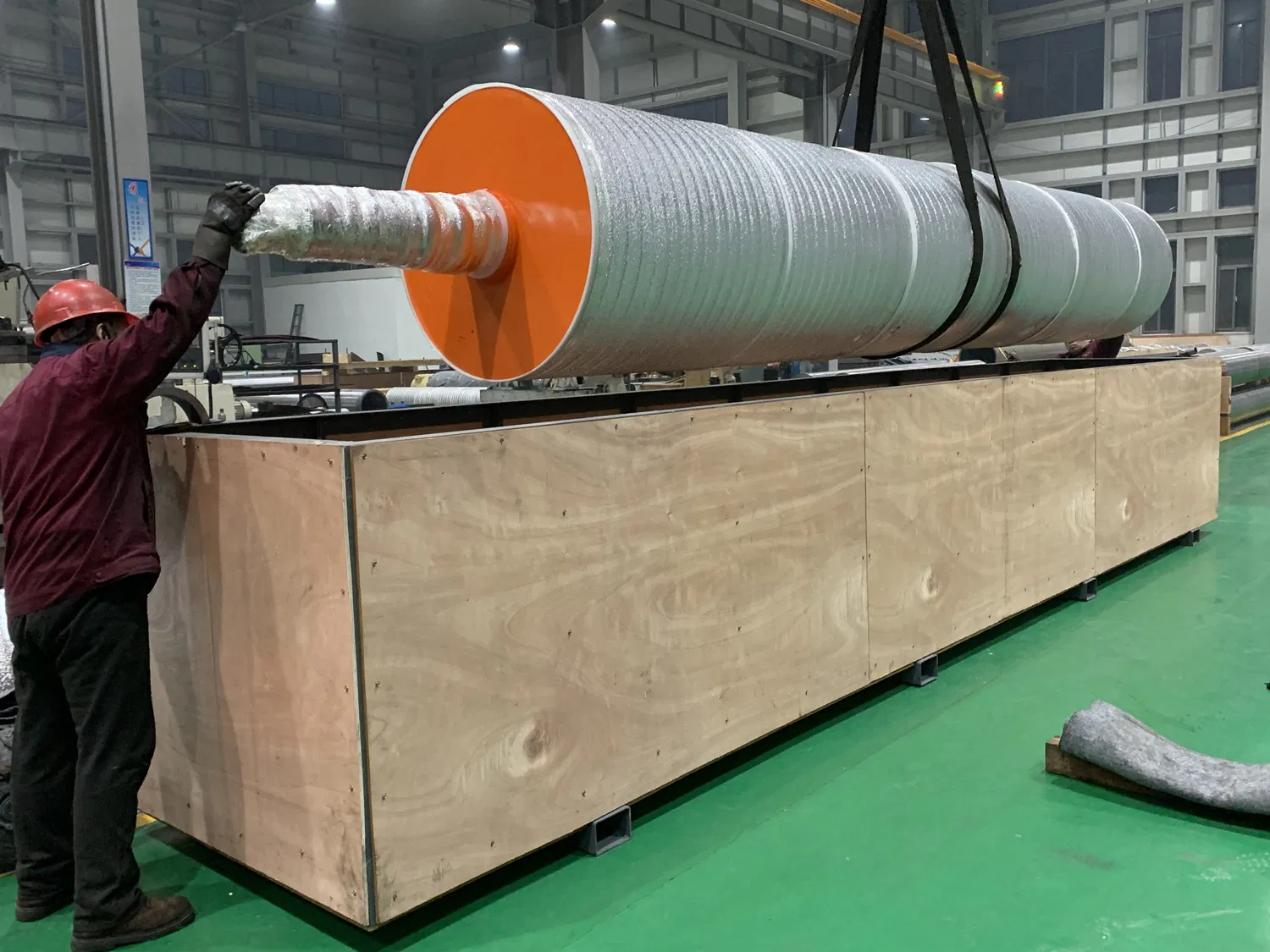
For paper machine couch rolls to perform optimally, diligent maintenance and careful operation are essential. These rolls are subjected to immense forces and constant contact with abrasive materials, so wear and tear are inevitable.
Felt Conditioning and Monitoring
The press felt is a critical partner to the couch roll. Regular felt cleaning, showering, and monitoring of its condition are vital. A clogged or worn felt will significantly reduce the effectiveness of the couch roll's dewatering capabilities. Many experts agree that a proactive approach to felt maintenance is key to maximizing couch roll performance.
Roll Surface Integrity
The surface of the couch roll must be kept clean and free from damage. Debris, fiber buildup, or wear on the roll surface can lead to sheet defects, felt damage, and reduced dewatering. Regular inspection and, when necessary, grinding or resurfacing of the roll are crucial.
Vacuum System Optimization
The vacuum system connected to the couch roll is just as important as the roll itself. Maintaining consistent and adequate vacuum levels is critical for efficient water removal. Blockages in piping, issues with vacuum pumps, or leaks can all compromise performance.
Nip Pressure Control
The pressure applied in the nip between the couch roll and its companion (usually a felted roll or another couch roll) must be carefully controlled. Too little pressure will result in insufficient dewatering, while too much can crush the sheet or damage the felt. Modern machines often use sophisticated control systems to maintain optimal nip pressure.
Innovations and Future Trends
The papermaking industry is constantly evolving, and this includes advancements in couch roll technology. Researchers and engineers are continuously seeking ways to improve efficiency, reduce energy consumption, and enhance paper quality.
Advanced Materials
We're seeing the development and use of new composite materials for couch roll shells that offer improved durability, lighter weight, and better resistance to wear and corrosion. These materials can lead to longer roll life and reduced maintenance downtime.
Enhanced Perforation Designs
Innovations in perforation patterns and hole geometry are leading to more efficient water removal and better sheet support. Computational fluid dynamics (CFD) are often used to model and optimize these designs.
Smart Monitoring and Control
The integration of sensors and advanced control systems allows for real-time monitoring of couch roll performance, felt condition, and nip pressure. This data-driven approach enables operators to make immediate adjustments and predict potential issues before they cause significant problems. This is particularly relevant when discussing the operational efficiency of paper machine couch rolls.
The role of paper machine couch rolls cannot be overstated. They are foundational components that enable the high-speed, efficient production of paper. From their critical function in dewatering to their influence on sheet transfer and quality, these rolls are truly indispensable. As the industry pushes for greater sustainability and efficiency, the innovation and meticulous care of these vital components will only become more important.
For more detailed information, please visit our official website:Paper machine couch rolls
About the author: A seasoned paper machine engineer with over 15 years of hands-on experience, Alex Chen possesses a deep understanding of papermaking processes and equipment. His expertise spans press section optimization, felt technology, and the intricate mechanics of critical components like paper machine couch rolls. Alex is passionate about sharing practical insights to improve operational efficiency and paper quality in the industry.