

# The Indispensable Dandy Roll: Enhancing Paper Quality and Production
The intricate world of papermaking relies on a symphony of precisely engineered components, each playing a vital role in transforming raw pulp into the finished sheets we use daily. Among these unsung heroes are the paper machine dandy rolls. Frankly speaking, without them, many of the paper products we take for granted, from crisp banknotes to elegant stationery, simply wouldn't exist in their current form. These cylindrical devices, often overlooked by the casual observer, are fundamental to achieving specific paper characteristics, enhancing production efficiency, and even imbuing paper with unique identifying marks.
## Understanding the Dandy Roll: More Than Just a Cylinder
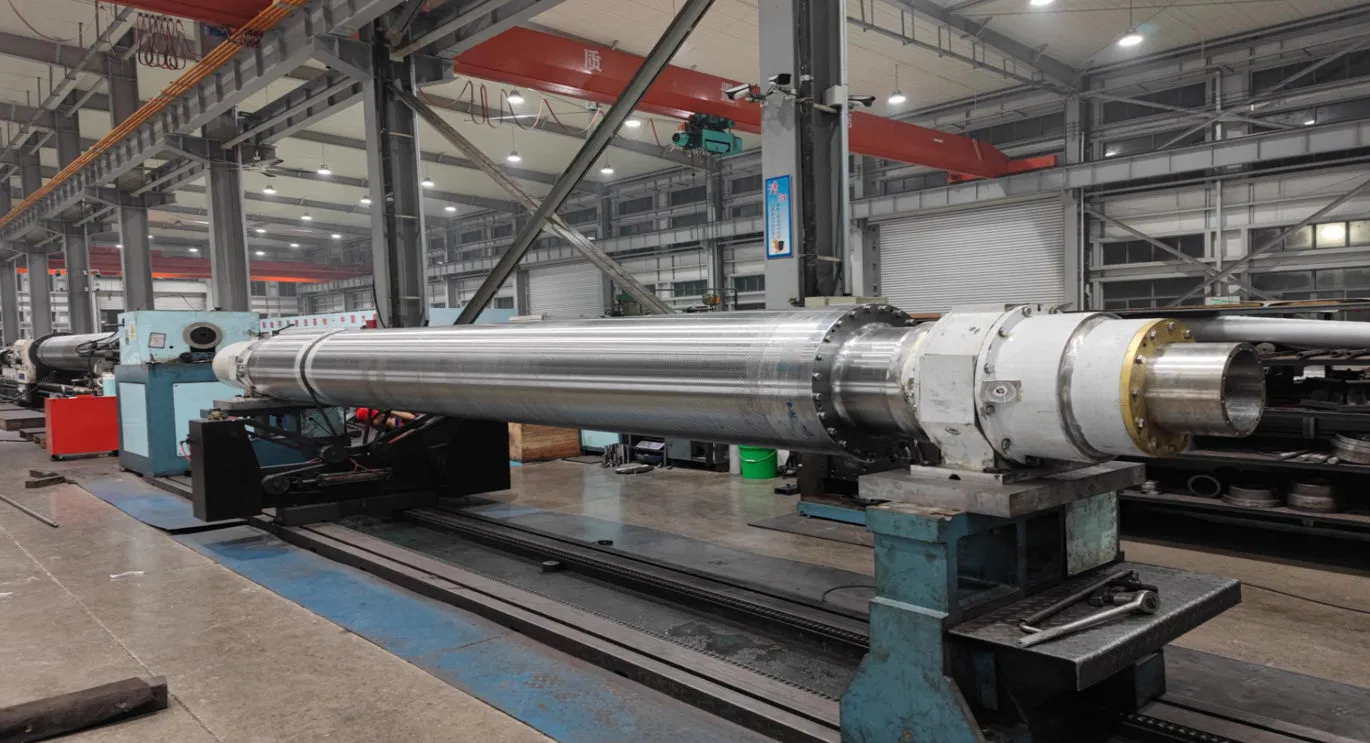
At its core, a dandy roll is a large, hollow cylinder, typically covered with a fine wire mesh or a more complex patterned surface. It's positioned in the paper machine's forming section, just after the headbox where the diluted pulp slurry is introduced onto the moving wire. As the pulp slurry flows over the wire, the dandy roll performs several critical functions. It's not just about applying pressure; it's about controlled drainage, sheet formation, and, in many cases, imparting a distinct visual element.
### The Mechanics of Operation
The dandy roll rotates, driven by the flow of the web or by an external drive. Its weight, or sometimes applied pressure, helps consolidate the newly formed paper web. As it rotates, it acts as a dewatering element, drawing water out of the pulp slurry through the wire mesh. This process is crucial for strengthening the nascent paper sheet before it moves further along the paper machine. The speed and pressure of the dandy roll are carefully calibrated to optimize water removal without disturbing the delicate fiber structure that is still developing.
### Design Variations and Their Impact
The design of a dandy roll can vary significantly depending on the intended application and the type of paper being produced.
* Plain Dandy Rolls: These are the simplest form, featuring a smooth wire mesh covering. Their primary function is dewatering and sheet consolidation. They are essential for achieving a uniform sheet structure and improving formation. * Patterned Dandy Rolls: These are where things get really interesting. The wire mesh on these rolls is embossed or woven into specific patterns. This is how watermarks are created. The raised areas of the pattern press into the paper web, creating thinner, more translucent areas that form the watermark. This is a key feature for security papers, currency, and high-quality stationery. * Felted Dandy Rolls: In some applications, the wire mesh is covered with a felt material. This provides a softer surface that can influence the paper's surface texture and absorb more water.
It's worth noting that the materials used in dandy roll construction are also critical. Stainless steel is common due to its corrosion resistance and durability. The wire mesh itself can be made from various alloys, with the mesh count and weave pattern chosen to suit the specific dewatering and formation requirements.
## Key Applications and Benefits of Dandy Rolls
The versatility of paper machine dandy rolls means they find application across a wide spectrum of paper production. Their impact extends beyond mere functionality, contributing significantly to the aesthetic and commercial value of the final product.
### Enhancing Sheet Formation and Strength
One of the most fundamental roles of a dandy roll is its contribution to sheet formation. As the pulp slurry moves onto the wire, fibers can sometimes align unevenly, leading to variations in paper thickness and strength. The gentle action of the dandy roll, particularly when combined with proper flow box design, helps to randomize and distribute the fibers more evenly. This results in a more uniform sheet with improved tensile strength and reduced susceptibility to tearing. Many experts agree that good formation is the bedrock of high-quality paper.
### The Art of Watermarking
Perhaps the most iconic application of dandy rolls is in the creation of watermarks. Have you ever held a banknote or a piece of high-quality letterhead and noticed a faint, translucent design embedded within the paper? That's the work of a patterned dandy roll. The design is essentially a raised pattern on the roll's surface. As the roll passes over the wet pulp, these raised areas press the fibers closer together, making them thinner and thus more transparent when held up to the light. This technique is not only aesthetically pleasing but also serves as a crucial security feature, making counterfeiting more difficult. The intricate detail that can be achieved with modern dandy roll engraving is truly remarkable.
### Improved Dewatering and Production Speed
The dandy roll plays a significant role in improving dewatering efficiency on the paper machine. By actively drawing water out of the sheet, it allows the web to gain strength faster. This means the paper can be handled by subsequent sections of the machine at an earlier stage, potentially leading to increased machine speeds and higher overall production output. Faster dewatering also means less energy is required in the drying sections, contributing to operational cost savings.
### Surface Texture and Feel
While not its primary function, the dandy roll can also influence the surface texture of the paper. A plain, smooth dandy roll can contribute to a smoother paper surface. Conversely, certain felted dandy rolls can impart a more textured feel, which might be desirable for specific paper grades.
## Factors Influencing Dandy Roll Performance
Achieving optimal results from paper machine dandy rolls isn't simply a matter of installing one and letting it spin. A multitude of factors must be carefully considered and controlled.
### Roll Load and Speed
The load applied by the dandy roll (whether by its own weight or through external means) and its rotational speed are critical parameters. Too much load or speed can disrupt the fiber mat, leading to poor formation and even sheet breaks. Too little, and the dewatering and consolidation benefits will be minimal. These settings are often adjusted based on the specific pulp furnish, machine speed, and desired paper characteristics.
### Wire Mesh Specifications
The wire mesh covering the dandy roll is paramount. The mesh count (the number of wires per inch) dictates the rate of water drainage. A finer mesh will drain slower but can provide better formation for lighter papers. A coarser mesh will drain faster, suitable for heavier grades or when rapid dewatering is a priority. The weave pattern also plays a role in how water is channeled and how the surface interacts with the fiber mat.
### Maintenance and Condition
The condition of the dandy roll and its wire mesh is vital for consistent performance. Worn or damaged wire mesh can lead to uneven dewatering, formation defects, and even damage to the paper web. Regular inspection and maintenance, including cleaning and potential replacement of the wire, are essential. In my experience, neglecting dandy roll maintenance is a false economy that can lead to significant quality issues and downtime.
## Advanced Dandy Roll Technologies and Future Trends
The evolution of papermaking technology hasn't bypassed the humble dandy roll. Innovations continue to emerge, aiming to enhance its capabilities and address new challenges in paper production.
### Improved Bearing Systems
Modern dandy rolls often feature advanced bearing systems that reduce friction and allow for smoother, more controlled operation. These systems can contribute to longer roll life and more consistent performance over time.
### Enhanced Drainage Elements
Beyond the wire mesh itself, some dandy roll designs incorporate additional drainage elements. These might include internal foils or vacuum boxes that work in conjunction with the roll to accelerate water removal. This is particularly beneficial for high-speed machines or when producing papers with demanding dewatering requirements.
### Specialized Rolls for Specialty Papers
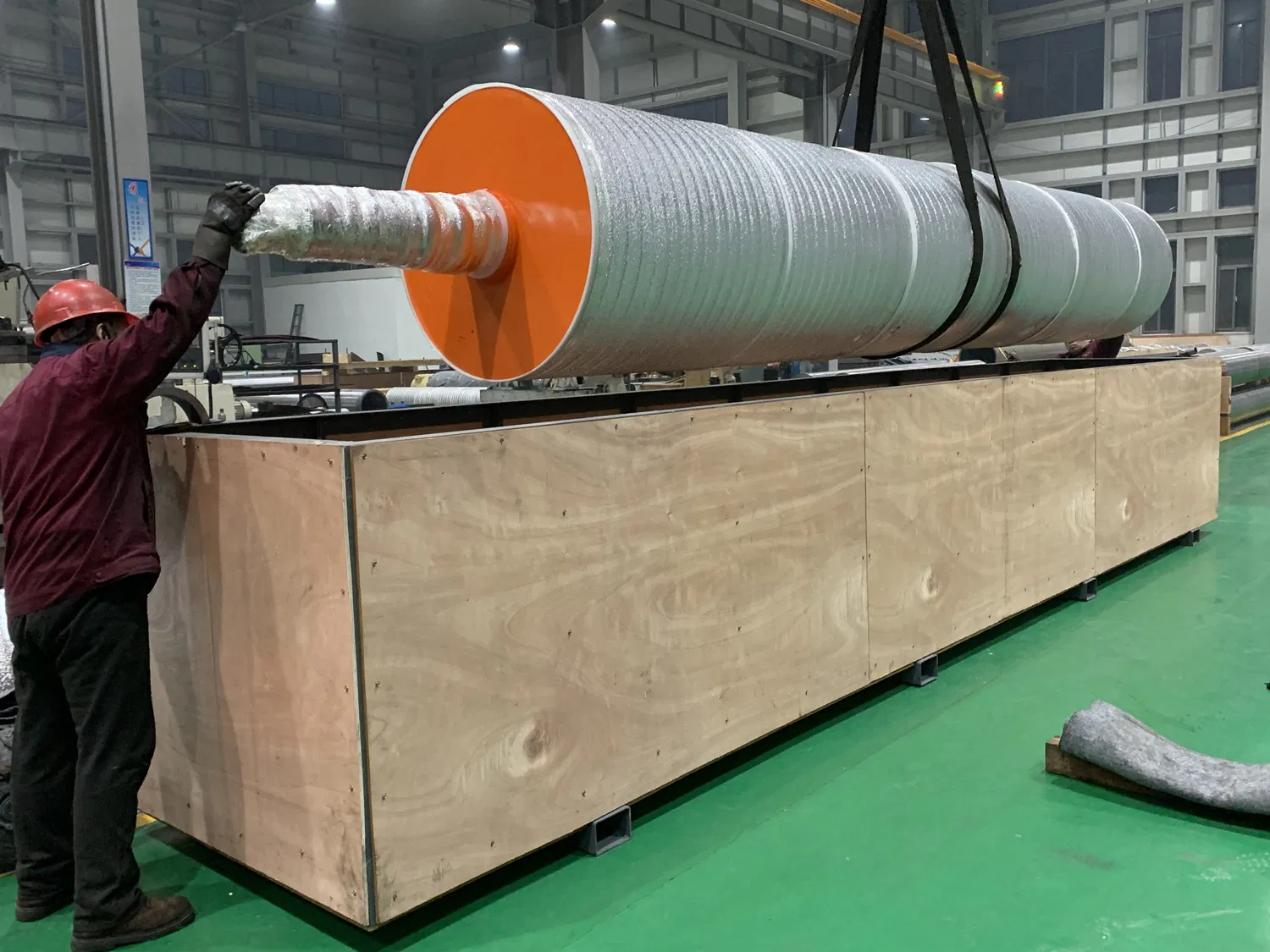
The demand for specialty papers, such as security papers with complex watermarking or papers with unique surface properties, drives the development of highly specialized dandy rolls. These might feature intricate engraving for multi-level watermarks or custom-designed surfaces to impart specific tactile qualities. The precision required in manufacturing these rolls is immense.
### Sustainability Considerations
As the paper industry increasingly focuses on sustainability, there's a growing interest in dandy roll designs that can contribute to energy savings and reduced water consumption. Optimizing dewatering through advanced dandy roll technology can directly impact the energy needed for drying, a significant energy consumer in papermaking.
## The Enduring Importance of the Dandy Roll
In conclusion, the paper machine dandy rolls are far more than simple components; they are integral to the art and science of papermaking. From ensuring the fundamental quality of sheet formation and strength to enabling the intricate artistry of watermarking, their impact is profound. Their ability to enhance dewatering and boost production efficiency further solidifies their indispensable status in modern paper mills.
As technology advances, we can expect further innovations in dandy roll design, pushing the boundaries of what's possible in paper quality, security, and sustainable production. Have you ever stopped to think about the complex engineering behind the paper you use every day? The dandy roll is a prime example of that hidden ingenuity.
For more detailed information, please visit our official website:Paper machine dandy rolls
About the author: Dr. Evelyn Reed is a seasoned paper manufacturing consultant with over two decades of experience in optimizing paper machine performance. Her expertise spans various aspects of pulp and paper technology, with a particular focus on forming section equipment and the critical role of components like dandy rolls in achieving superior paper quality and production efficiency.