

The intricate dance of papermaking involves a symphony of specialized machinery, each component playing a crucial role in transforming raw pulp into the paper we use every day. Among these vital parts, the paper machine breast rolls often operate with quiet efficiency, their importance sometimes overlooked. Frankly speaking, without these robust cylinders, the entire process of forming and dewatering a paper web would be significantly compromised. In my experience, understanding the nuances of these components is key to optimizing paper quality and machine performance.
What Exactly Are Paper Machine Breast Rolls?
At its core, a breast roll is a large, precisely engineered cylinder found at the very beginning of the paper machine's forming section, specifically on the Fourdrinier table. It's typically the first major roll the newly formed stock encounters after leaving the headbox. Its primary function is to support the forming fabric (wire) and, crucially, to initiate the drainage process by creating a slight vacuum or pressure differential. This initial dewatering is critical for establishing the nascent paper web's integrity. The design of a breast roll is paramount. They are usually made from durable materials like stainless steel or specialized alloys to withstand the constant exposure to water, chemicals, and mechanical stress. Their surface finish is meticulously controlled; a smooth, polished surface ensures minimal friction and prevents damage to the forming fabric. Some breast rolls are solid, while others are hollow to allow for internal vacuum systems or water removal. The diameter and width of the breast roll are tailored to the specific paper machine and the type of paper being produced.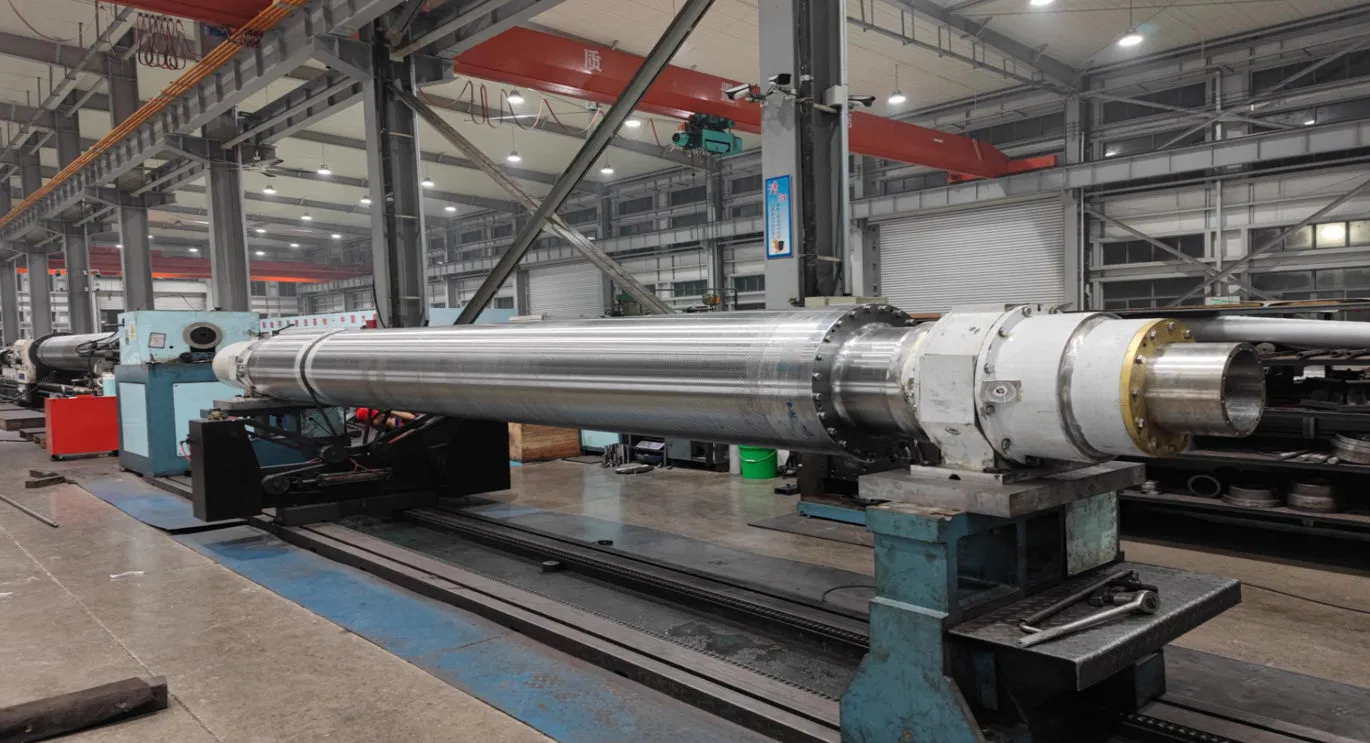
The Critical Functions of Breast Rolls in Papermaking
The role of a paper machine breast roll extends beyond mere support. It's an active participant in the web formation process. Here are some of its key functions: * Initiating Dewatering: As the dilute pulp slurry flows from the headbox onto the forming fabric, the breast roll is the first point of contact. Its rotation, combined with the tension of the forming fabric, helps to spread the stock evenly. More importantly, it begins the process of water removal. The slight deflection or curvature of the fabric over the breast roll, sometimes aided by internal vacuum, encourages water to drain through the fabric, consolidating the fiber mat. * Web Formation and Stabilization: By providing a stable surface, the breast roll helps the newly formed fiber mat to stabilize. This initial consolidation is vital for preventing fiber loss and ensuring a uniform sheet structure. Without this support, the delicate web would be prone to tearing or uneven formation. * Guiding the Forming Fabric: The breast roll acts as a primary guide for the forming fabric, ensuring it runs smoothly and in the correct path. This precise guidance is essential for consistent sheet formation and to prevent fabric wear. * Influencing Sheet Properties: Interestingly enough, the design and operation of the breast roll can subtly influence the final properties of the paper. The pressure exerted, the speed of rotation, and any associated vacuum systems can affect fiber orientation and sheet density, which in turn impact strength, printability, and other characteristics. Many experts agree that fine-tuning these parameters can lead to significant improvements in paper quality.Understanding the Mechanics and Variations
The mechanics behind a breast roll's operation are quite ingenious. Typically, the forming fabric moves over the breast roll at a controlled speed, synchronized with the flow of stock from the headbox. The breast roll itself is driven by the forming fabric, or in some cases, by an external drive. The tension in the forming fabric is carefully managed to ensure proper contact and efficient drainage. There are several variations in breast roll design and application, depending on the specific needs of the paper machine: * Standard Breast Rolls: These are the most common type, designed for general papermaking. They provide basic support and initiate drainage. * Vacuum Breast Rolls: These incorporate internal vacuum boxes that create a suction, significantly enhancing the dewatering rate. This is particularly beneficial for machines producing lighter grades of paper or operating at higher speeds. The controlled vacuum applied by the breast roll is a key factor in achieving desired sheet dryness at this early stage. * Curved Breast Rolls: Some designs feature a slightly curved surface to promote better sheet formation and drainage. This curvature can help to distribute the stock more evenly and encourage a more uniform fiber mat.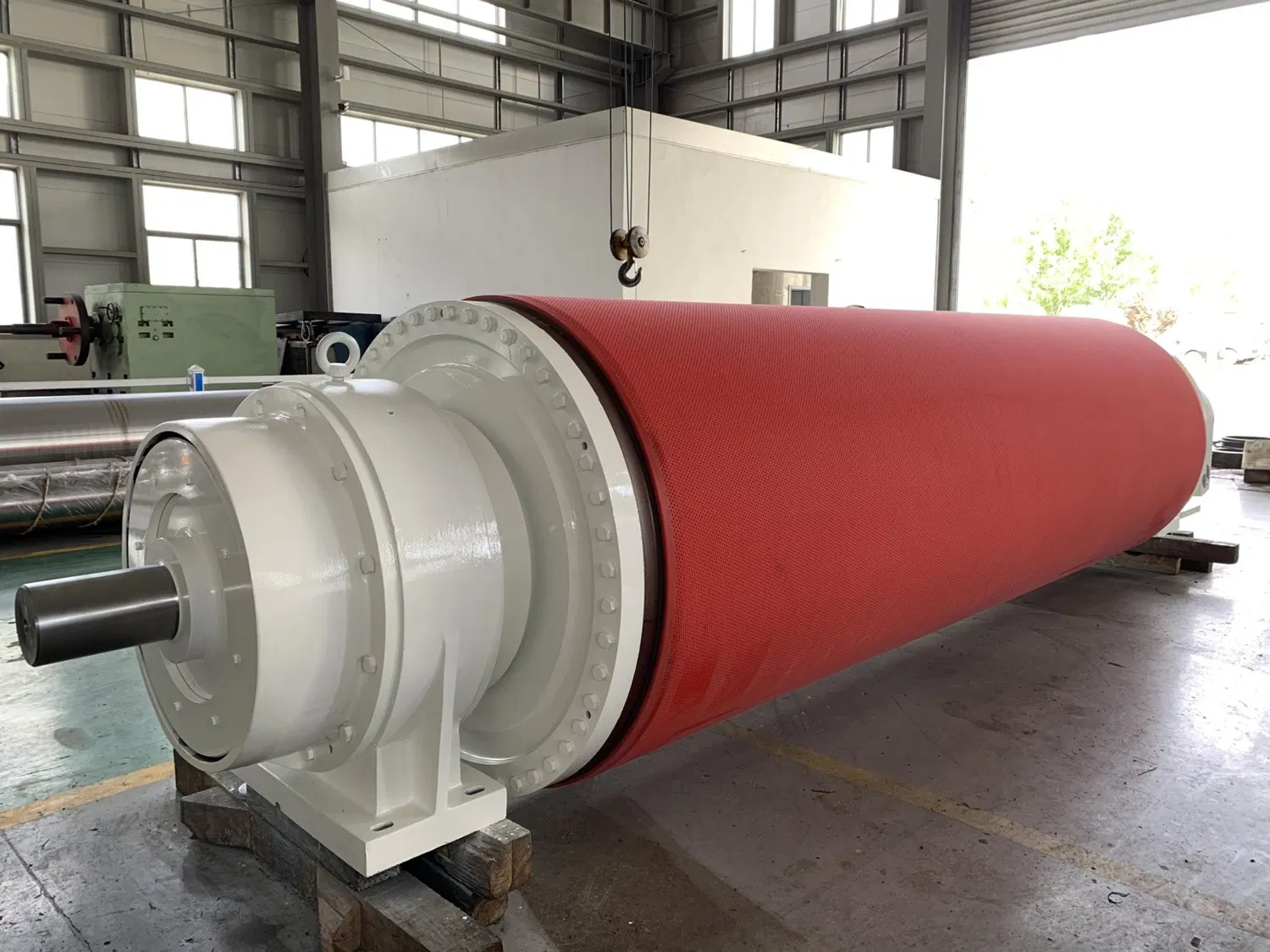
Maintenance and Troubleshooting for Optimal Performance
To ensure the longevity and optimal performance of paper machine breast rolls, regular maintenance and prompt troubleshooting are essential. Like any critical component in a high-speed manufacturing environment, they are subject to wear and tear. Common maintenance tasks include: * Surface Inspection: Regularly checking the roll's surface for any signs of wear, pitting, corrosion, or damage. A smooth, unblemished surface is crucial for preventing fabric damage and ensuring efficient operation. * Bearing Lubrication: Ensuring that the bearings supporting the breast roll are adequately lubricated according to the manufacturer's recommendations. Bearing failure can lead to costly downtime and damage to the roll itself. * Alignment Checks: Verifying that the breast roll is properly aligned with the rest of the forming section. Misalignment can cause uneven fabric tension and affect sheet formation. * Cleaning: Keeping the roll surface clean from any pulp deposits or chemical residues. Build-up can affect the roll's performance and potentially damage the forming fabric. Troubleshooting issues related to breast rolls often involves observing the forming fabric and the paper web. For instance, if you notice uneven drainage or poor sheet formation, the breast roll might be a contributing factor. Have you ever wondered why a paper machine might experience inconsistencies in sheet quality? Often, a seemingly minor issue with a component like the breast roll can have a cascading effect. Some common troubleshooting scenarios include: * Uneven Sheet Formation: This could indicate an issue with the breast roll's surface, alignment, or the tension of the forming fabric. * Fabric Wear: If the forming fabric is wearing out prematurely, the breast roll's surface might be rough or damaged. * Reduced Drainage: If water drainage is not as efficient as it should be, it might be related to the breast roll's design, vacuum system (if applicable), or surface condition. Addressing these issues proactively can save significant time and resources. Investing in high-quality breast rolls and adhering to a strict maintenance schedule are hallmarks of efficient and successful papermaking operations. The paper machine breast rolls are truly foundational elements that deserve careful attention.The Future of Breast Roll Technology
The papermaking industry is constantly evolving, driven by the need for greater efficiency, sustainability, and higher quality products. This innovation extends to the components like the paper machine breast rolls. Researchers and manufacturers are continually exploring new materials, designs, and operational strategies to enhance performance. Future developments might include: * Advanced Surface Treatments: Exploring new coatings and surface treatments that offer enhanced wear resistance, reduced friction, and improved drainage characteristics. * Smart Rolls: The integration of sensors and monitoring systems directly into the breast roll could provide real-time data on its condition, performance, and potential issues, enabling predictive maintenance. * Energy-Efficient Designs: Developing breast rolls that require less energy to operate or contribute more effectively to water removal, thereby reducing the overall energy consumption of the paper machine. * Customization and Optimization: Leveraging advanced simulation and modeling techniques to design breast rolls that are precisely optimized for specific paper grades and machine configurations, further improving the paper formation process. The ongoing advancements in breast roll technology underscore their enduring importance in the paper industry. They are not just passive components but actively contribute to the quality and efficiency of paper production.For more detailed information, please visit our official website:paper machine breast rolls
About the author: With over 15 years of hands-on experience in pulp and paper manufacturing, Alex Chen is a seasoned process engineer specializing in paper machine optimization. He has a deep understanding of the intricate workings of paper machines, from headbox to reel, with a particular focus on the critical components of the forming section. Alex is passionate about sharing his knowledge to help improve operational efficiency and product quality in the paper industry.