

The paper industry is a marvel of engineering, transforming raw pulp into the countless paper products we use daily. Behind this intricate process lies a complex array of machinery, and among the most vital components are the paper machine dryer rolls. Frankly speaking, without these workhorses, the speed and efficiency of modern paper production would be impossible. They are the silent giants that ensure moisture is removed effectively, leaving behind the crisp, dry paper we expect.
Understanding the Core Function of Dryer Rolls
At their heart, paper machine dryer rolls are essentially large, heated cylinders. Their primary job is to evaporate water from the wet paper web as it passes over them. This is a critical stage in the papermaking process, often referred to as the drying section. The paper web, fresh from the wet end of the machine, can contain as much as 70-80% water. By the time it exits the drying section, this moisture content needs to be reduced to a mere 5-10% for most paper grades. The heat transfer within these rolls is a carefully controlled process. Typically, they are heated by steam, which flows through internal chambers. This steam condenses, releasing its latent heat to the surface of the roll, which then transfers this heat to the paper web. The efficiency of this heat transfer is paramount, impacting not only the speed of the machine but also the energy consumption of the entire operation. It's worth noting that the design and condition of these rolls directly influence the final quality of the paper, including its strength, smoothness, and printability.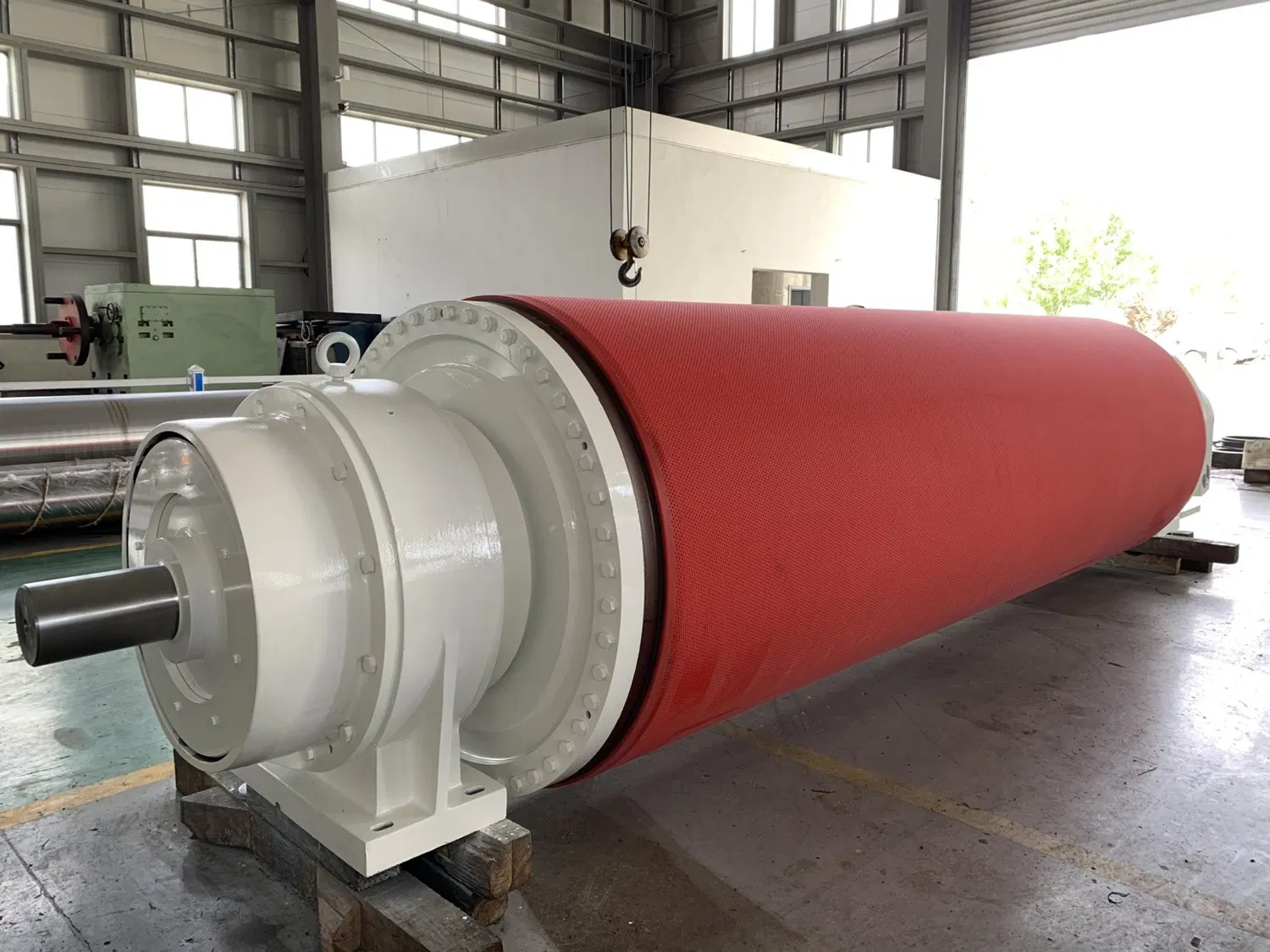
Types of Paper Machine Dryer Rolls and Their Applications
The world of paper machine dryer rolls isn't monolithic. Different types of paper and different papermaking processes necessitate variations in roll design. Understanding these distinctions is key to appreciating the engineering involved.Standard Dryer Cylinders
These are the most common type of dryer rolls found in many paper machines. They are typically made of cast iron or steel and are designed for general-purpose drying. The surface is usually smooth, allowing for efficient contact with the paper web. They are often arranged in multiple sections, with the paper web passing over and under successive rolls to maximize drying.Yankee Dryer Rolls
A Yankee dryer is a very large, single, highly polished cylinder, often found in the production of tissue and towel paper. Its defining characteristic is its massive diameter and the fact that the paper web is pressed against its heated surface by a felt. This unique design allows for very high drying rates and imparts a smooth, sometimes glossy finish to the paper. The creping process, which gives tissue its softness, also typically occurs in conjunction with the Yankee dryer. The surface finish of a Yankee dryer roll is absolutely critical; any imperfections can lead to defects in the final product.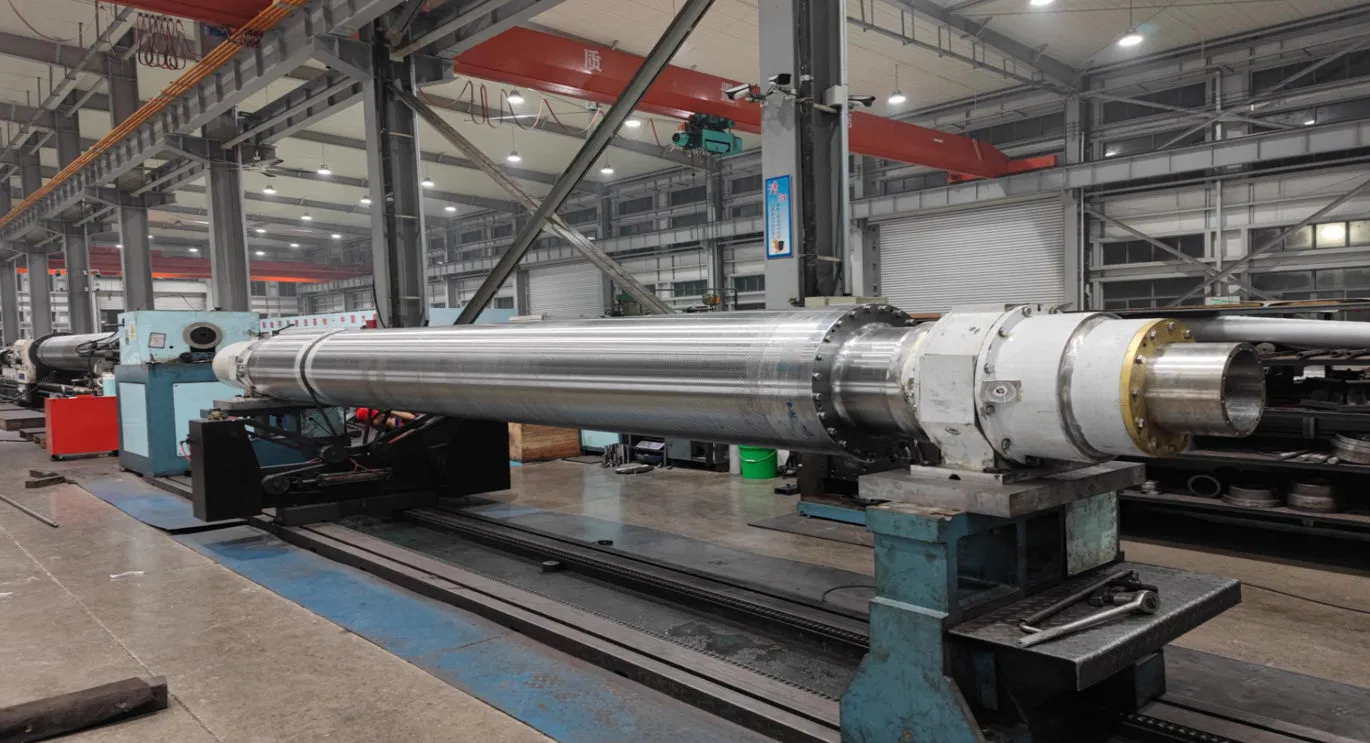
Felted Dryer Rolls
In some sections of the drying process, particularly for certain grades of paper or board, felted dryer rolls are employed. These rolls have a felt covering that aids in heat transfer and can also help to smooth the paper surface. The felt acts as an insulating layer and can also absorb some of the evaporated moisture, helping to move it away from the paper. The choice of felt material and its condition are crucial for optimal performance.Specialty Dryer Rolls
Beyond these common types, there are also specialty dryer rolls designed for specific applications. These might include rolls with grooved surfaces for enhanced steam flow or rolls made from specialized alloys to withstand corrosive environments or high temperatures. The continuous innovation in paper manufacturing means that new and improved dryer roll designs are always being explored.The Crucial Role of Maintenance and Performance
To be honest, the performance of paper machine dryer rolls is directly linked to their maintenance. Even the most sophisticated roll will underperform if not properly cared for. Issues like scale buildup on the inside of the steam chests, wear on the roll surface, or leaks in the siphons can significantly reduce drying efficiency and increase energy costs. Regular cleaning and inspection are vital. Scale, for instance, acts as an insulator, hindering the transfer of heat from the steam to the roll surface and then to the paper. This means more steam is required to achieve the same drying rate, leading to higher operational expenses. Similarly, wear on the roll surface can lead to uneven drying and can even damage the paper web. The siphons, which are responsible for removing condensate from the inside of the dryer rolls, are another critical component. If they are not functioning correctly, condensate can build up, creating cold spots on the roll surface and reducing heat transfer. Have you ever wondered why some paper machines seem to run more efficiently than others? Often, it comes down to meticulous maintenance of these drying components.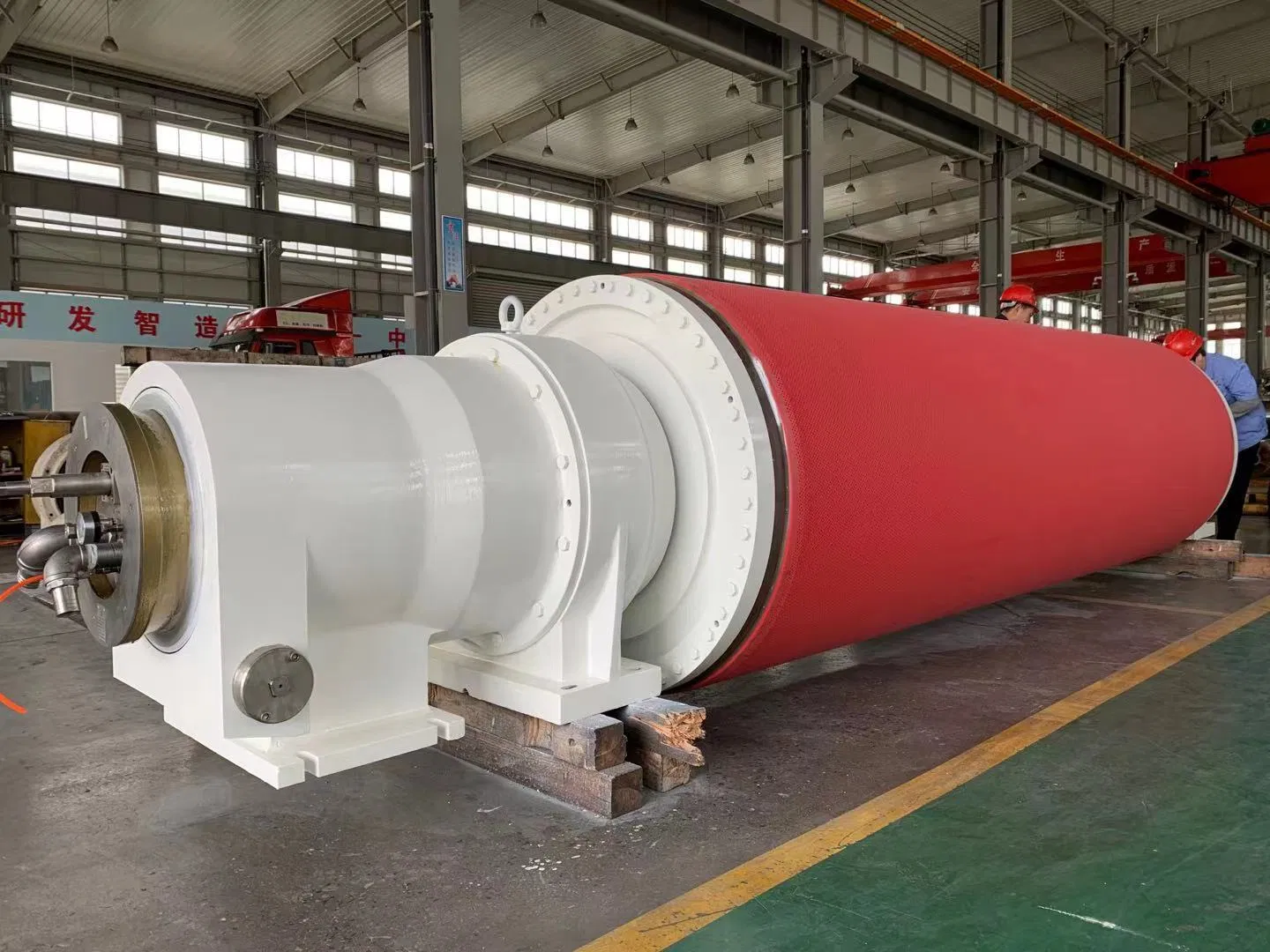
Innovations and Future Trends in Dryer Roll Technology
The drive for greater efficiency, reduced energy consumption, and improved paper quality is constantly pushing the boundaries of dryer roll technology. Many experts agree that the future will see continued advancements in several key areas. One significant trend is the development of more advanced materials. Composites and advanced alloys are being explored for their superior heat transfer properties, lighter weight, and increased durability. These materials can potentially lead to faster drying rates and longer service lives for the rolls. Another area of innovation is in the internal design of the rolls. Improved siphon systems, more efficient steam distribution, and better condensate removal technologies are continuously being developed to maximize heat transfer and minimize energy waste. The focus is on getting the most drying power out of every unit of steam. Furthermore, the integration of smart technology and sensors is becoming increasingly important. Real-time monitoring of temperature, pressure, and surface conditions allows for proactive maintenance and immediate adjustments to optimize drying performance. This data-driven approach helps to prevent downtime and ensure consistent paper quality. The development of energy-efficient paper machine dryer rolls is a key focus for sustainability initiatives within the industry.Conclusion: The Enduring Importance of Dryer Rolls
In the grand scheme of paper manufacturing, paper machine dryer rolls might not be the most glamorous components, but their importance cannot be overstated. They are the silent engines of efficiency, directly impacting production speed, energy consumption, and the final quality of the paper. From the smooth, massive Yankee dryers used for tissue to the robust standard cylinders in board machines, each plays a vital role. In my experience, investing in high-quality dryer rolls and implementing rigorous maintenance schedules is one of the most impactful decisions a paper mill can make. It's a testament to their enduring significance that even with all the advancements in papermaking, these fundamental components remain at the core of the drying process. The continuous evolution of dryer roll technology promises even greater efficiency and sustainability in the years to come, ensuring they remain the unsung heroes of paper production.For more detailed information, please visit our official website:Paper machine dryer rolls
About the author: Eleanor Vance is a seasoned paper manufacturing consultant with over 15 years of experience in optimizing paper machine operations. Her expertise lies in the intricate workings of drying sections, focusing on enhancing efficiency and reducing energy consumption. Eleanor is passionate about sharing practical insights and technical knowledge to help industry professionals improve their processes and product quality.