

In the intricate world of printing and paper processing, the performance of every component is critical. Among these, paper rollers play a pivotal role, guiding paper webs through complex machinery with precision. However, a persistent and often frustrating issue that plagues these rollers is the development of "crown." This phenomenon can lead to a cascade of printing defects, reduced efficiency, and increased operational costs. To be honest, understanding the root causes of roller crowning is the first step toward finding a robust solution. This article delves into why paper rollers develop "crown" issues and explores how the inherent properties of natural stone rollers fundamentally solve this problem, offering a superior alternative for demanding applications.
Understanding the Nature of "Crown" in Paper Rollers
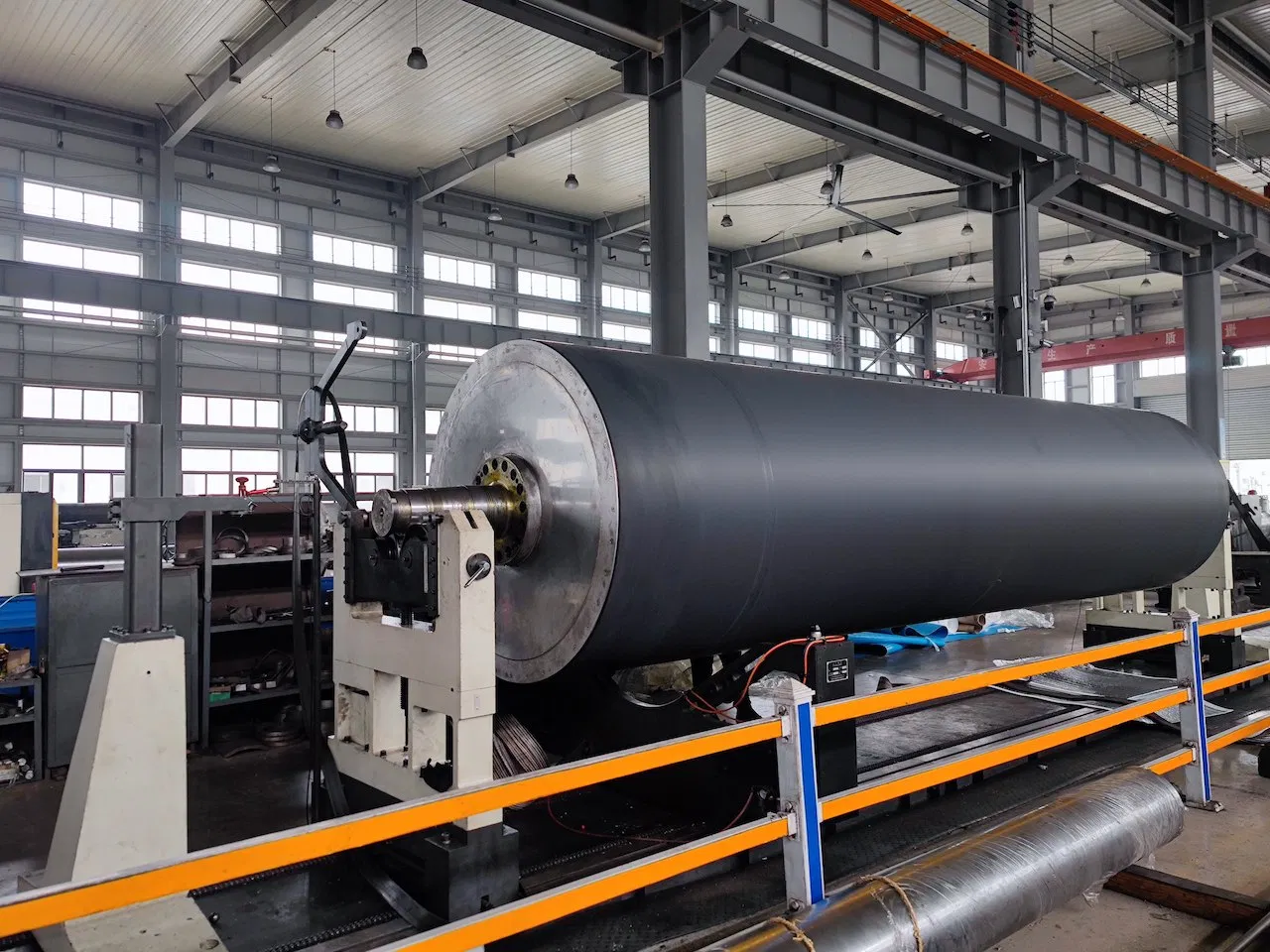
The term "crown" in the context of paper rollers refers to a specific shape deviation. Instead of maintaining a perfectly cylindrical surface, a crowned roller develops a convex profile, meaning its diameter is largest at the center and tapers off towards the edges. This intentional or unintentional shaping is often implemented to compensate for the deflection that occurs under load. When a roller is subjected to the significant forces exerted by paper webs, nip pressures, and its own weight, it tends to bend or deflect in the middle. A crowned roller is designed with an initial, exaggerated bulge to counteract this expected deflection, theoretically resulting in a uniform nip pressure across the entire width of the paper web once under operational load.
The Mechanics of Roller Deflection and Crown Formation
The primary driver behind roller deflection is the inherent elasticity of the materials used in their construction, combined with the applied forces. Rollers are typically made from metals like steel or aluminum, often coated with rubber or other elastomeric materials. When these materials are subjected to pressure, they deform. The greater the pressure and the longer the span between supports (or the thinner the roller), the more pronounced this deflection becomes.
The "crown" itself can be introduced during the manufacturing process. Machinists carefully grind the roller surface to create the desired convex shape. This is a deliberate act to counteract the anticipated sag. However, even with precise machining, several factors can lead to the development or exacerbation of crown issues over time:
- Uneven Wear: Perhaps the most common culprit. As the roller rotates and interacts with the paper web, abrasive forces are at play. If the paper web is not perfectly centered, or if there are variations in tension or material properties, certain areas of the roller surface will experience more friction and wear than others. This uneven wear naturally erodes the roller's surface, and if the wear is more pronounced in the center, it can exaggerate an existing crown or create one where it wasn't intended.
- Temperature Variations: In high-speed printing or processing environments, rollers can experience significant temperature fluctuations. Differential expansion and contraction of the roller material due to these temperature changes can alter the roller's shape, potentially leading to or worsening a crowned profile.
- Material Fatigue and Deformation: Over extended periods of operation, the materials within the roller can undergo fatigue. The constant stress and strain can lead to permanent deformation, subtly changing the roller's geometry and contributing to a crowned shape.
- Improper Mounting and Alignment: If rollers are not mounted perfectly parallel or if the bearings are not properly aligned, uneven stresses are placed on the roller. This can induce bending and, consequently, lead to the development of a crowned surface over time.
- Over-Application of Crown: Sometimes, manufacturers intentionally add a significant crown to rollers to ensure a flat nip. However, if this crown is excessive, or if the operational loads change, the roller might maintain a crowned shape even when it's no longer necessary, leading to undesirable pressure distribution.
The Detrimental Effects of "Crown" on Printing and Paper Quality
The presence of an unintended or excessive crown on paper rollers can have far-reaching negative consequences. The goal of any roller system is to apply uniform pressure across the entire width of the substrate. When a roller is crowned, this uniformity is compromised, leading to a variety of defects.
Specific Printing and Processing Defects Caused by Roller Crown
Interestly enough, the symptoms of roller crowning can manifest in several ways, impacting the final product and the efficiency of the operation:
- Uneven Ink Transfer: In printing applications, a crowned roller can lead to inconsistent ink laydown. The areas of the paper web that contact the higher-diameter center of the roller will experience more pressure, potentially leading to thicker ink deposits, smudging, or bleeding. Conversely, the edges, where the pressure is less, might exhibit lighter ink coverage or gaps. This results in a loss of detail and overall poor print quality.
- Variations in Coating or Laminating Adhesion: Similar to ink transfer, if rollers are used for applying coatings or laminating adhesives, a crowned roller will result in uneven application. This can lead to areas with insufficient adhesion, causing delamination, or areas with excessive application, leading to waste and defects.
- Web Tension Instability: Rollers are crucial for maintaining consistent web tension. A crowned roller can create localized areas of higher or lower tension across the web. This instability can cause the web to track erratically, leading to misregistration in printing or tearing during processing.
- Increased Web Breakage: The uneven stress distribution caused by a crowned roller can weaken the paper web. Areas under excessive pressure are more prone to tearing, leading to costly web breaks and significant downtime for clearing jams and restarting the machinery.
- Reduced Roller Lifespan: The uneven wear patterns that contribute to crowning also accelerate the degradation of the roller surface. This means that crowned rollers need to be replaced or reconditioned more frequently, increasing maintenance costs and operational interruptions.
- Compromised Product Consistency: Ultimately, roller crowning leads to a lack of consistency in the final product. Whether it's printed material, laminated sheets, or coated products, the variations introduced by crowned rollers make it difficult to achieve repeatable, high-quality results.
Many experts agree that addressing roller crowning is not just about aesthetics; it's about fundamental operational integrity and product quality.
The Limitations of Traditional Roller Materials and Solutions
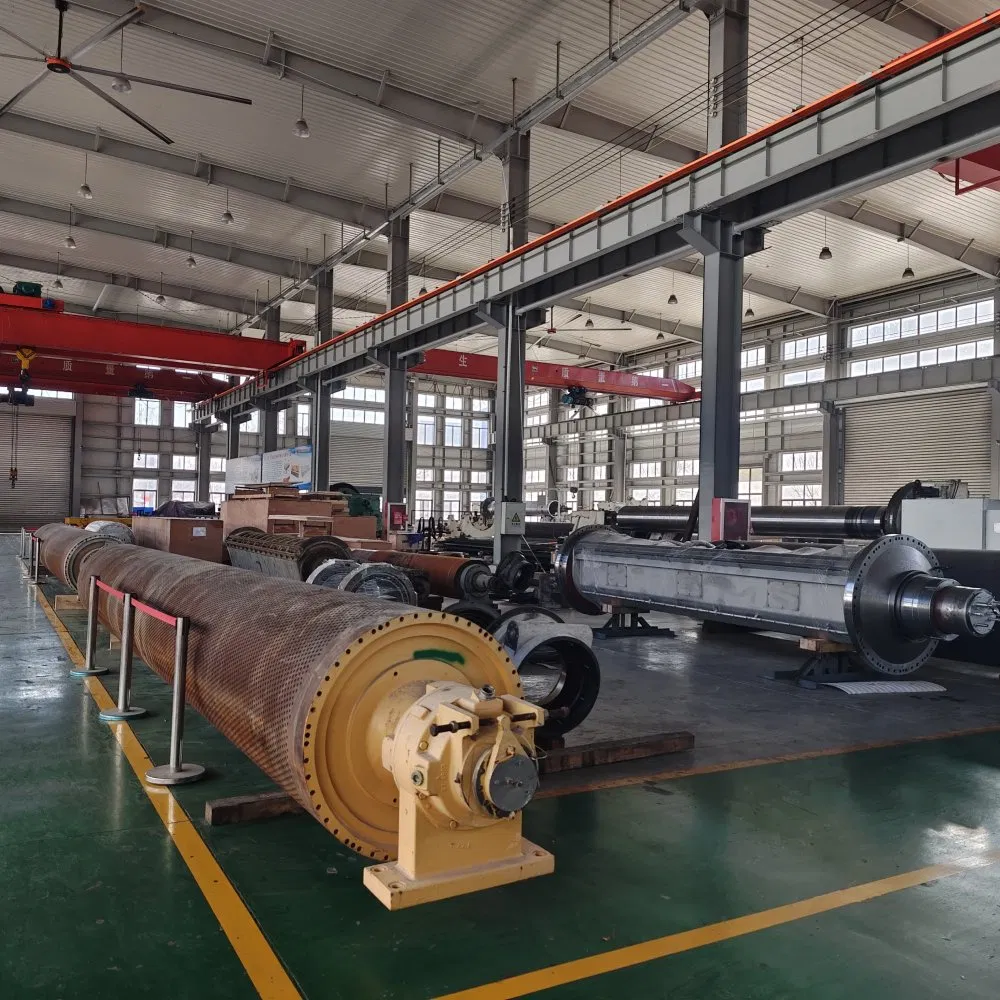
For decades, the industry has relied on traditional materials like steel and rubber-coated rollers to perform these critical tasks. While these materials have served their purpose, they inherently possess characteristics that make them susceptible to the development of crown issues.
Why Conventional Rollers Struggle with Crown Resistance
The primary challenge with conventional rollers lies in their material properties and their susceptibility to wear and deformation.
- Elastomeric Coatings: Rubber and polyurethane coatings, while offering good grip and cushioning, are organic materials. They are prone to wear from abrasion, can be affected by chemicals and heat, and can creep or deform under sustained pressure. This leads to uneven wear patterns that directly contribute to crowning.
- Metallic Cores: The metallic cores of these rollers, while strong, are still subject to deflection under load. As mentioned, crowning is often an attempt to compensate for this, but it's a reactive measure that can become problematic over time.
- Machining and Reconditioning Cycles: When conventional rollers develop crown or significant wear, they typically require re-machining. This process involves grinding down the surface to restore a cylindrical shape. However, each re-machining cycle removes material, reducing the roller's lifespan and potentially altering its structural integrity. Furthermore, the crowned shape can be difficult to completely eliminate without excessive material removal.
- Susceptibility to Environmental Factors: Temperature fluctuations, humidity, and exposure to cleaning agents can all impact the dimensional stability of conventional roller materials, contributing to shape changes and the development of crown.
The constant battle against wear and deformation means that traditional rollers often require frequent maintenance, reconditioning, and eventual replacement, leading to significant downtime and costs.
Introducing Natural Stone Rollers: A Fundamental Solution to "Crown"
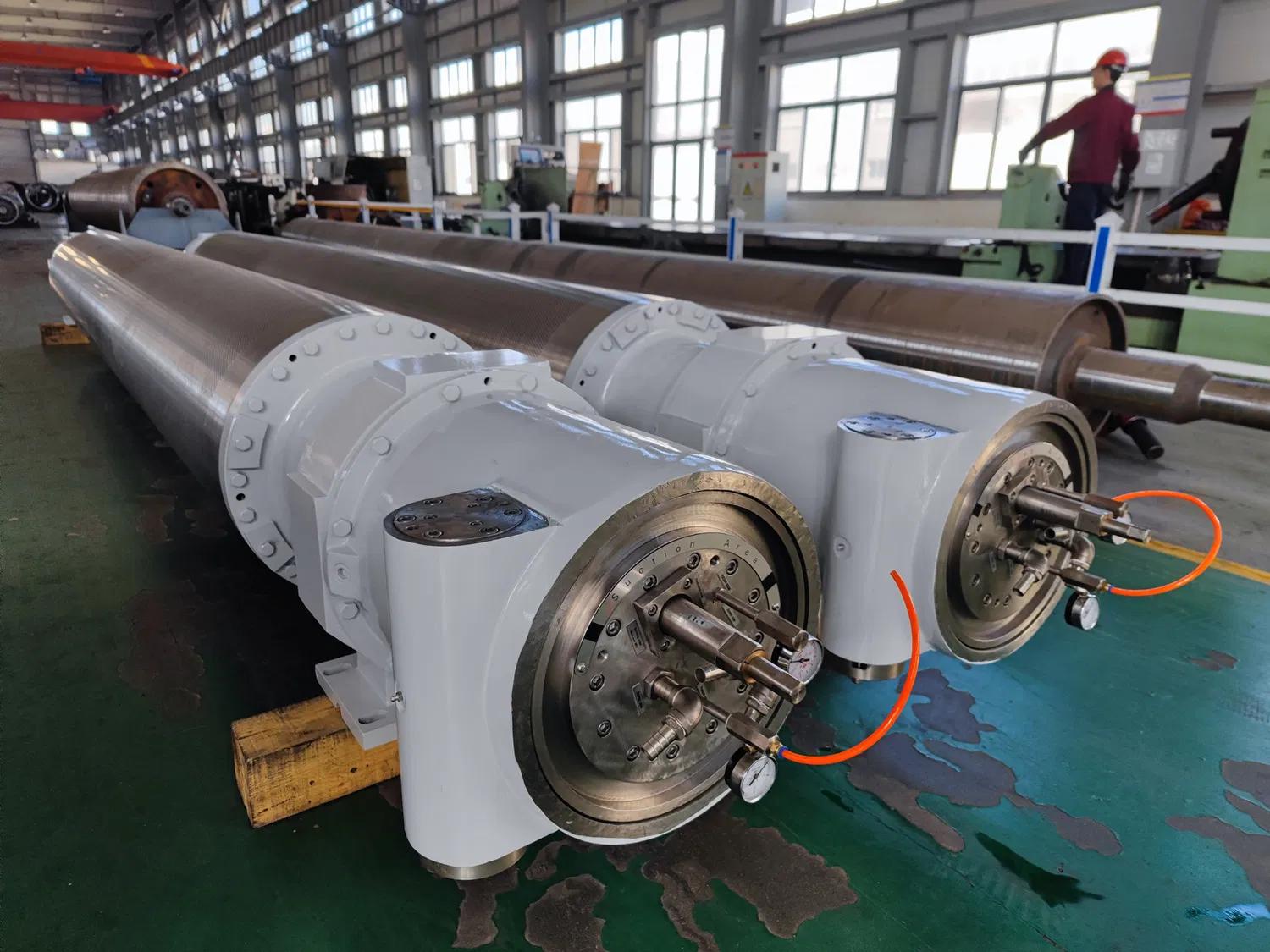
The limitations of traditional materials naturally lead us to seek alternatives that offer inherent resistance to the factors causing roller crowning. This is where natural stone rollers emerge as a revolutionary solution. Unlike manufactured materials, natural stone possesses unique physical properties that make it exceptionally well-suited for applications where dimensional stability and wear resistance are paramount.
The Inherent Advantages of Natural Stone for Roller Applications
Natural stone, when selected and processed correctly, offers a suite of advantages that directly address the root causes of roller crowning.
- Exceptional Hardness and Wear Resistance: Many types of natural stone, such as granite and certain hard marbles, possess extreme hardness. This inherent hardness makes them incredibly resistant to abrasion and wear from paper webs, inks, and other processing materials. They simply do not wear down as quickly or as unevenly as rubber or metal.
- Dimensional Stability: Natural stone is remarkably stable dimensionally. It is far less susceptible to deformation, creep, or changes in shape due to temperature fluctuations or sustained pressure compared to elastomeric or even metallic materials. This means that once a stone roller is machined to a precise cylindrical form, it is far more likely to retain that form over its operational life.
- Low Coefficient of Thermal Expansion: Compared to metals, many natural stones have a significantly lower coefficient of thermal expansion. This means they expand and contract minimally with changes in temperature, preventing the shape distortions that can contribute to crowning in other roller types.
- Chemical Inertness: Natural stones are generally inert to a wide range of chemicals, including common printing inks, solvents, and cleaning agents. This prevents degradation of the roller surface and maintains its integrity, further contributing to consistent performance.
- Self-Lubricating Properties (in some cases): Certain types of stone, particularly those with fine grain structures, can exhibit a degree of self-lubrication when in contact with a moving web. This further reduces friction and wear.
The fundamental difference lies in the material's intrinsic properties. Instead of relying on a crowned shape to compensate for material weaknesses, natural stone rollers maintain their true cylindrical form due to their inherent resilience.
How Natural Stone Rollers Eliminate "Crown" Issues in Practice
The application of natural stone rollers directly tackles the problem of crowning by fundamentally altering the roller's interaction with its environment and the forces it encounters.
Practical Benefits and Long-Term Performance
When natural stone rollers are implemented, the outcome is a significant reduction, and often elimination, of the issues associated with roller crowning.
- Uniform Pressure Distribution: Because natural stone rollers resist deformation and wear so effectively, they maintain their precise cylindrical shape under operational loads. This ensures a consistently uniform nip pressure across the entire width of the paper web, leading to even ink transfer, consistent coating application, and reliable adhesion.
- Elimination of Uneven Wear: The extreme hardness and wear resistance of natural stone mean that abrasive forces have a negligible impact on the roller's surface geometry. This eliminates the primary cause of uneven wear that leads to the development of crown in conventional rollers.
- Enhanced Product Quality and Consistency: With uniform pressure and no crowning-induced defects, the quality and consistency of the printed or processed product are dramatically improved. This leads to fewer rejects, reduced waste, and greater customer satisfaction.
- Reduced Downtime and Maintenance: The longevity and stability of natural stone rollers mean far less frequent maintenance, reconditioning, or replacement. This translates into significant reductions in operational downtime and associated costs.
- Improved Web Handling: Consistent pressure from non-crowned stone rollers leads to more stable web tension and tracking, reducing the incidence of web breaks and improving overall machine efficiency.
- Long-Term Cost Savings: While the initial investment in natural stone rollers might be higher, their extended lifespan, reduced maintenance, and improved product quality deliver substantial long-term cost savings.
In essence, natural stone rollers shift the paradigm from compensating for roller weaknesses to utilizing a material that inherently possesses the required stability and resilience. It's a proactive solution that addresses the root cause of "crown" issues, rather than a reactive measure.
The transition to natural stone rollers represents a significant advancement in roller technology, offering a robust and reliable solution to one of the most persistent challenges in the paper processing and printing industries. Their inherent properties provide a fundamental answer to the question of why paper rollers develop "crown" issues and how this problem can be overcome for sustained operational excellence.
For more detailed information, please visit our official website:Paper roller crown
About the author: A seasoned materials engineer with over 15 years of experience in industrial roller technology, Dr. Anya Sharma specializes in the application of advanced materials for demanding manufacturing environments. Her expertise lies in identifying and solving complex mechanical challenges in the printing and paper industries, with a particular focus on roller wear and dimensional stability. Dr. Sharma is passionate about innovative solutions that enhance efficiency and product quality.