

In the high-stakes world of industrial paper manufacturing, the margin for error is incredibly slim. Every component of a paper machine must work in perfect harmony to produce a consistent, high-quality product. Among these components, the press section plays a pivotal role, and at the heart of that section, you will often find the Granite Press Roller for Paper Machine - High Hardness. To be honest, while modern synthetic materials have made significant strides, there is something about the raw, natural resilience of granite that remains unmatched in the industry. Have you ever wondered why a material as ancient as stone is still the gold standard for high-speed, modern machinery?
Interestingly enough, the use of granite in paper making isn't just a tradition; it’s a choice driven by physics and chemistry. In my experience, when mill managers look to upgrade their equipment, they aren't just looking for a roller; they are looking for a solution to surface release issues and structural deformation. The Granite Press Roller for Paper Machine - High Hardness provides exactly that, offering a unique combination of surface texture and mechanical strength that synthetic alternatives often struggle to replicate over long periods of operation.
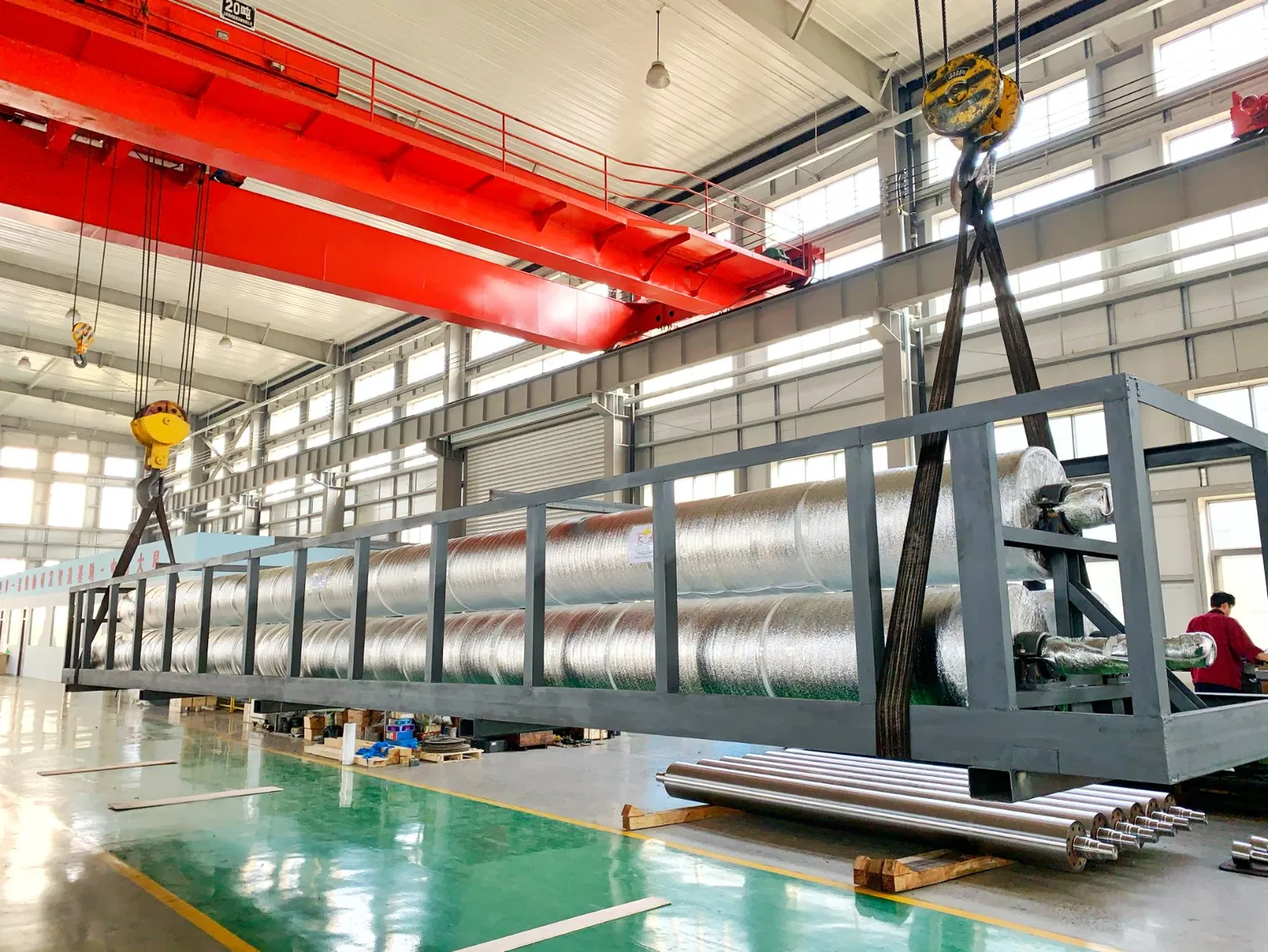
The Science Behind High Hardness and Surface Release
When we talk about "high hardness" in the context of a granite roller, we are referring to its ability to resist indentation and wear under extreme nip pressure. Granite is primarily composed of quartz, feldspar, and mica. It is the high quartz content that gives the Granite Press Roller for Paper Machine - High Hardness its legendary durability. But hardness is only half the story. The other half is the "release" property. Unlike many metals or rubbers, granite has a naturally porous yet smooth surface that allows the wet paper web to peel away easily after pressing.
I've found that one of the most frustrating issues in a paper mill is "picking," where fibers from the paper sheet stick to the roller. This causes breaks in the paper web and leads to costly downtime. Frankly speaking, the microscopic texture of a high-quality granite roller creates a thin film of water that acts as a natural release agent. This is why natural stone press roll durability is so highly valued; it’s not just about the roller lasting a long time, but about the roller keeping the production line moving without interruption.
Understanding the Mineral Composition
- Quartz: Provides the primary hardness and resistance to chemical abrasion.
- Feldspar: Contributes to the overall structural integrity and thermal stability.
- Mica: Offers the subtle surface variations that assist in the release of the paper web.
It's worth noting that not all granite is created equal. For a Granite Press Roller for Paper Machine - High Hardness, manufacturers must source stone from specific quarries where the mineral grain is fine and uniform. A coarse grain can lead to uneven wear, which is the last thing you want when you're running a machine at 1,000 meters per minute.
Engineering Precision: How These Rollers Are Made
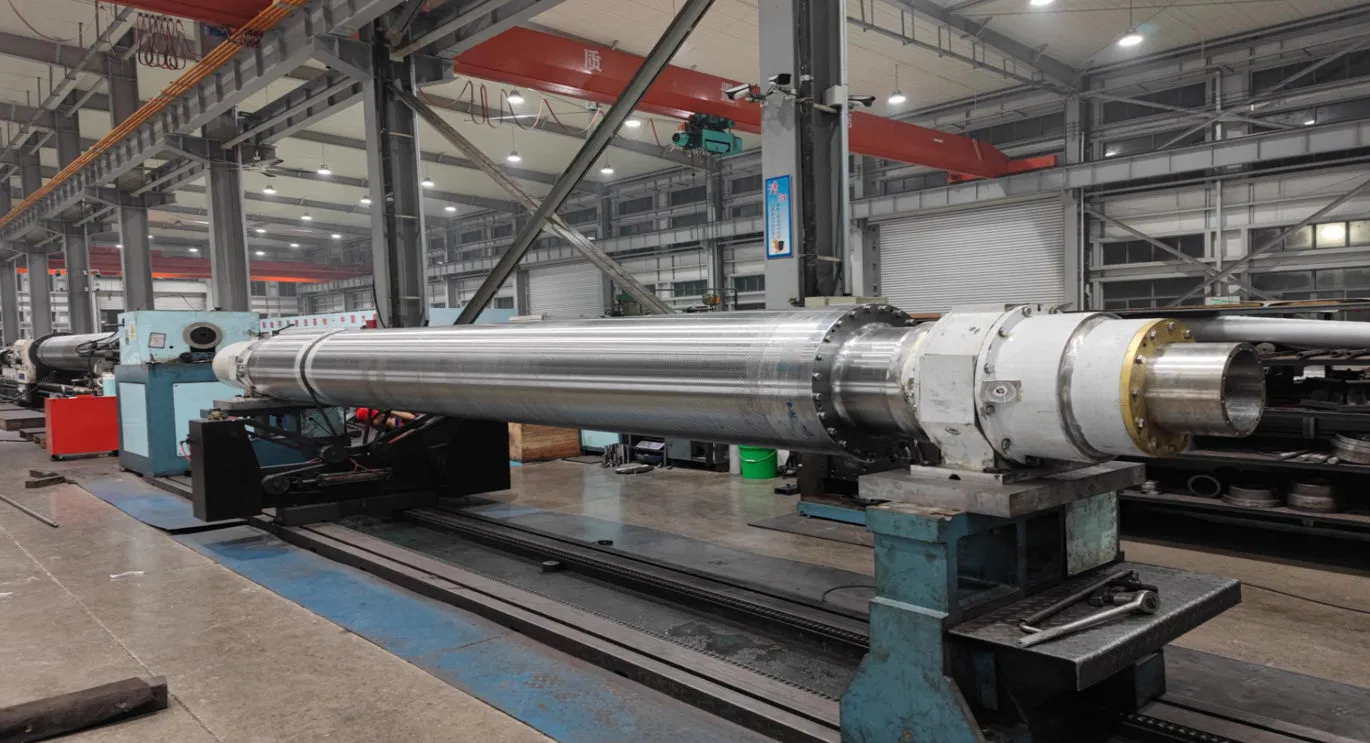
The journey from a raw block of stone to a precision-engineered Granite Press Roller for Paper Machine - High Hardness is a fascinating process. It begins with the selection of a flawless monolith. Any internal cracks or fissures could lead to a catastrophic failure under the intense pressure of the press section. Once the block is selected, it is core-drilled to allow for the insertion of a heavy-duty steel shaft. This shaft is then secured using specialized grouting or mechanical locking systems.
The most critical stage, however, is the grinding and polishing. To achieve the necessary "high hardness" performance, the surface must be ground to an incredibly tight tolerance. In many cases, the surface finish is measured in microns. Many experts agree that the final polish of a granite roller determines the quality of the paper's finish. A roller that is too smooth might cause the paper to stick, while one that is too rough will mark the sheet. It’s a delicate balance that requires years of craftsmanship to master.
Operational Advantages of Granite in the Press Section
Why do engineers continue to specify the Granite Press Roller for Paper Machine - High Hardness over newer, lighter materials? One major reason is thermal stability. Paper machines operate at high temperatures, and materials like rubber or certain composites can expand or soften as they heat up. Granite, on the other hand, has a very low coefficient of thermal expansion. This means the roller maintains its shape and "crown" even during long production runs.
Furthermore, the chemical resistance of granite is second to none. In modern paper making, various additives, bleaches, and recycled fibers are used, creating a chemically aggressive environment. While synthetic covers might swell or degrade when exposed to these chemicals, a Granite Press Roller for Paper Machine - High Hardness remains largely unaffected. This leads to a much more predictable maintenance schedule and a lower total cost of ownership over the life of the machine.
Another point to consider is the weight. Granite is heavy. While this might seem like a disadvantage for installation, that mass provides significant vibration damping. In high-speed operations, even minor vibrations can lead to "barring" marks on the paper. The sheer inertia of a granite roller helps to smooth out these vibrations, ensuring a more uniform sheet of paper. Have you considered how much your current roller vibration is affecting your final product quality?
Maintenance and Longevity: Keeping the Stone Rolling
While granite is incredibly tough, it is not indestructible. Proper high-speed paper machine roller maintenance is essential to ensure the longevity of your investment. The most common threat to a granite roller isn't wear, but thermal shock. If a cold cleaning fluid is sprayed onto a hot roller, the stone can crack. Therefore, temperature control is the number one priority for maintenance teams.
In my experience, a well-maintained Granite Press Roller for Paper Machine - High Hardness can last for decades. This is a staggering lifespan compared to synthetic covers that may need to be replaced or reground every few years. However, the doctor blades—the blades that clean the roller surface—must be monitored closely. If the doctor blade pressure is too high or if the blade material is too abrasive, it can "score" the granite, requiring a costly on-site regrinding process.
Best Practices for Maintenance
- Gradual Heating/Cooling: Always ramp temperatures up or down slowly to avoid internal stresses.
- Proper Doctoring: Use composite doctor blades designed specifically for stone surfaces.
- Regular Inspection: Check for any signs of "pitting" or chemical buildup that could affect the paper surface.
Comparing Granite to Synthetic Alternatives
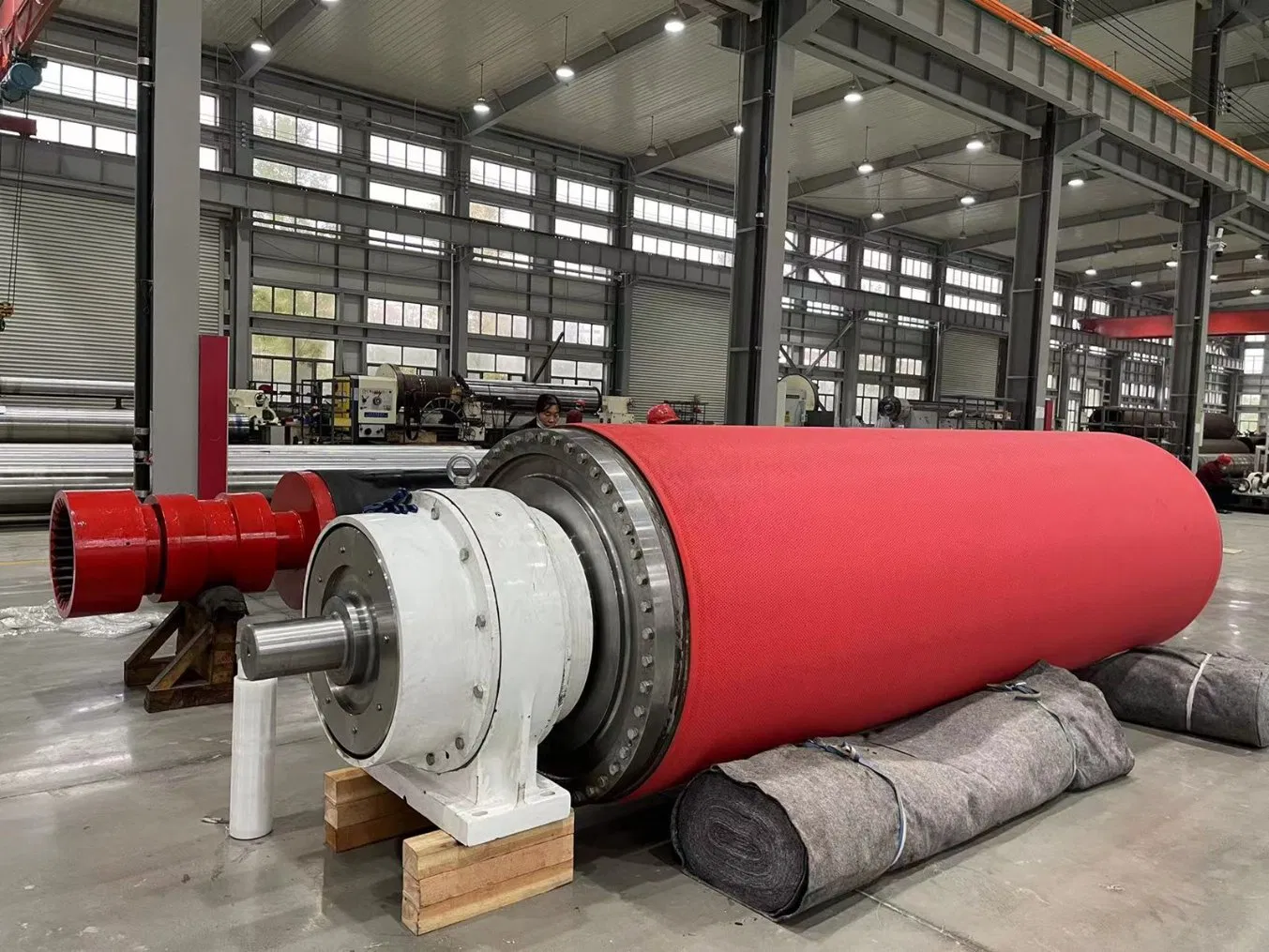
It’s only fair to mention that synthetic covers, such as polyurethane or specialized rubber, have their place. They are lighter and can be customized with specific hole patterns for suction rolls. However, when it comes to the "center press" position, the Granite Press Roller for Paper Machine - High Hardness is often the superior choice. Synthetics can suffer from "cover blind," where the pores of the material become clogged with fines and fillers. Granite’s natural surface doesn't have this problem.
To be honest, the initial cost of a granite roller can be higher than a synthetic-covered steel roll. But when you factor in the natural stone press roll durability and the reduced frequency of regrinding, the return on investment (ROI) becomes clear. Many mills find that the granite roller pays for itself within the first few years simply through reduced downtime and higher paper quality consistency.
Conclusion: The Future of Granite in Paper Making
As we look toward the future of the industry, with faster machines and more complex fiber blends, the demand for stability and performance only grows. The Granite Press Roller for Paper Machine - High Hardness is not a relic of the past; it is a high-performance component that continues to evolve. Modern manufacturing techniques have made these rollers more precise than ever, and new mounting systems have made them easier to install and maintain.
Ultimately, investing in a Granite Press Roller for Paper Machine - High Hardness is about future-proofing your production line. It provides the reliability that mill managers crave and the quality that customers demand. If you are looking to optimize your press section, don't overlook the power of natural stone. It has stood the test of time for a reason, and in the world of paper making, that reason is performance.
For more detailed information, please visit our official website:Granite Press Roller
About the author: Dr. Alistair Vance is a senior industrial engineer with over 28 years of experience in the pulp and paper industry. Specializing in heavy machinery and material science, he has consulted for some of the world's largest paper mills across Europe and Asia. Dr. Vance is a frequent contributor to industrial journals, focusing on the intersection of traditional engineering and modern manufacturing efficiency. He currently resides in Edinburgh, where he continues to research sustainable industrial components.