

In the high-speed world of pulp and paper production, the margin for error is incredibly thin—literally. When you walk onto a mill floor, the sheer scale of the machinery is breathtaking, but the real magic happens in the microscopic interactions between the paper web and the rollers. To be honest, most people outside the industry don't realize that a single vibration or a microscopic surface imperfection can lead to thousands of dollars in wasted material. This is precisely why choosing the right paper machine roller manufacturer is perhaps the most critical decision a mill manager can make. It’s not just about buying a piece of heavy metal; it’s about securing the mechanical integrity of your entire production line.
Have you ever wondered why some mills seem to run like clockwork for months on end, while others struggle with constant sheet breaks and bearing failures? Often, the difference lies in the precision of their rollers. In my experience, the quality of the rollers dictates the speed at which you can run your machine. If your rollers aren't perfectly balanced or if the cover material isn't suited for the specific chemical environment of your mill, you're essentially driving a race car with square wheels. It’s frustrating, expensive, and entirely avoidable with the right manufacturing partner.
The Critical Role of Rollers in the Modern Paper Mill
To understand what makes a great paper machine roller manufacturer, we first need to look at the incredible diversity of rollers used in the process. From the forming section to the reel, each roller performs a unique and vital task. Interestingly enough, the physics involved in water removal and sheet smoothing are quite complex. You have breast rolls, couch rolls, suction press rolls, and calender rolls, each requiring different metallurgical properties and surface treatments.
In the forming section, rollers must be resistant to corrosion and capable of maintaining perfect alignment to ensure a uniform fiber distribution. As the web moves into the press section, the demands change. Here, durable press roll manufacturing becomes the focus. These rollers must withstand immense nip pressure to squeeze water out of the sheet without crushing the delicate fibers. If the manufacturer cuts corners on the core's structural integrity, the roll can deflect under pressure, leading to uneven moisture profiles across the paper web.
Moving further down the line, we encounter the dryer section and the calender stack. Here, thermal stability is king. Rollers must handle high temperatures without warping. Frankly speaking, a roller that expands unevenly when heated is a nightmare for quality control. It leads to "calender blackening" or variations in thickness that make the final product unusable for high-end printing. This is where high-precision industrial rollers prove their worth, maintaining their shape and surface finish under the most grueling thermal conditions.
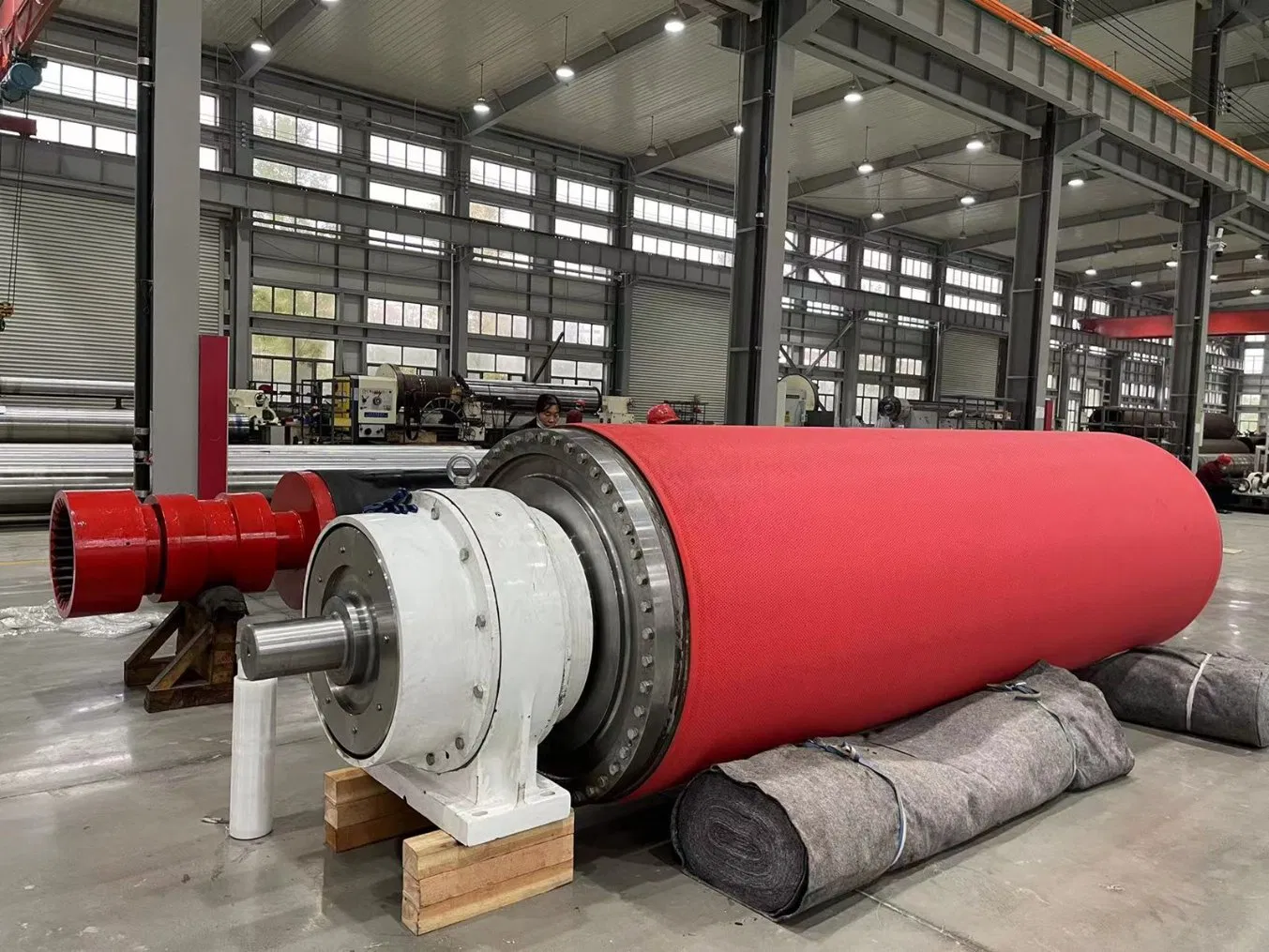
What to Look for in a Paper Machine Roller Manufacturer
When you start vetting a potential paper machine roller manufacturer, you shouldn't just look at their price list. In fact, the cheapest roll often ends up being the most expensive when you factor in the cost of premature failure. I've found that the best manufacturers share a few key characteristics: deep material science expertise, advanced machining capabilities, and a commitment to dynamic balancing.
Material science is the foundation of a good roller. Whether it’s a stainless steel shell for a suction roll or a complex composite cover for a size press, the manufacturer must understand how these materials behave over millions of rotations. It's worth noting that the chemical environment in a paper mill is quite aggressive. Between the pH levels of the process water and the various additives used for sizing and coating, a roller cover that isn't chemically compatible will degrade rapidly. A top-tier manufacturer will work with you to select the exact polymer or ceramic coating that matches your specific mill chemistry.
Advanced Machining and Surface Finishing
The precision required in roller manufacturing is staggering. We are talking about tolerances measured in microns. When a manufacturer produces custom paper mill roller solutions, they must use CNC grinding and turning equipment that can handle rolls several meters long while maintaining perfect concentricity. Any "run-out" in the roll will manifest as a vibration in the machine, which not only ruins the paper quality but also destroys bearings and seals throughout the drive train.
The Art and Science of Dynamic Balancing
Dynamic balancing is another area where elite manufacturers stand out. A roll might look perfect while stationary, but once it spins at 1,500 meters per minute, any internal mass imbalance creates centrifugal forces that can shake the entire building. A reputable paper machine roller manufacturer will perform multi-plane dynamic balancing at the roll's actual operating speed, not just a slow-speed "static" balance. This ensures smooth operation and extends the life of the entire machine section.
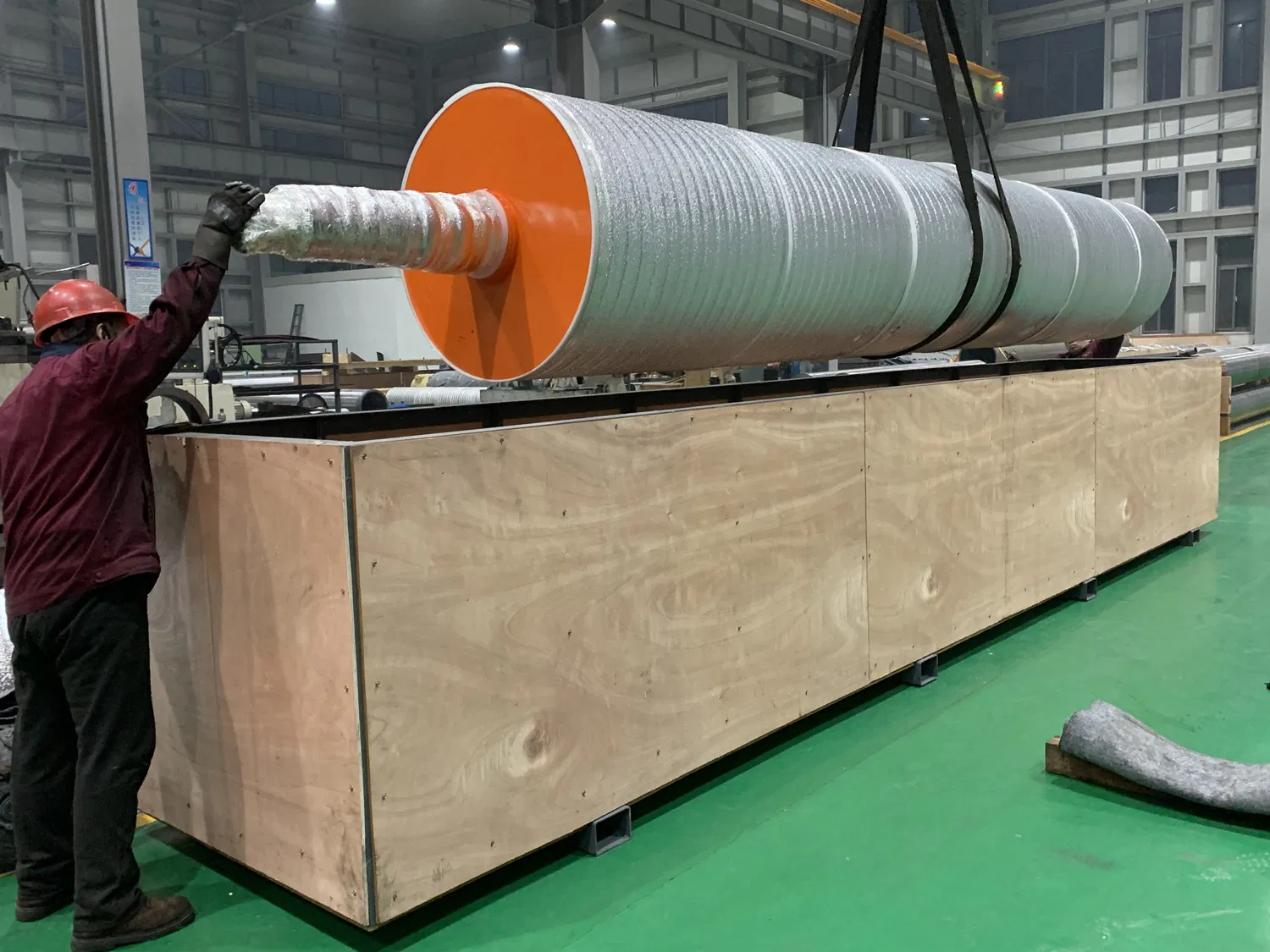
Customization and Engineering: Beyond the Standard Roll
No two paper machines are exactly alike. Even two machines built by the same OEM will develop their own "personalities" over decades of operation. This is why custom paper mill roller solutions are so important. A one-size-fits-all approach rarely works in an industry where every mill is trying to optimize for a specific grade of paper, whether it's lightweight tissue or heavy-duty linerboard.
A great manufacturer acts as an engineering partner. They don't just ask for the dimensions; they ask about your production goals. Are you trying to increase machine speed? Are you struggling with edge cracks? Are you looking to reduce energy consumption in the dryer section? By understanding these goals, the paper machine roller manufacturer can suggest modifications to roll geometry, such as specific crowning profiles that compensate for roll deflection under load.
Interestingly enough, the trend lately has been toward "smart rollers." Some advanced manufacturers are now embedding sensors directly into the roller or the bearing housings to monitor temperature, vibration, and pressure in real-time. This allows for predictive maintenance, where you can pull a roll for servicing just before it fails, rather than waiting for a catastrophic breakdown. While this technology is an investment, the peace of mind it provides is invaluable for high-volume operations.
Maintenance, Refurbishment, and the Lifecycle of a Roller
The relationship with your paper machine roller manufacturer shouldn't end once the crate is delivered to your loading dock. In my experience, the best manufacturers offer comprehensive aftermarket support, including grinding, re-covering, and bearing inspections. Rollers are high-wear items, and even the most durable press roll manufacturing processes cannot defy the laws of friction forever.
Regular regrinding is essential to maintain the proper crown and surface roughness. Over time, the constant pressure and abrasion from the paper web will wear down the surface, leading to a loss of profile. A manufacturer that offers on-site or regional grinding services can save a mill a significant amount of money in logistics and downtime. Furthermore, when a cover eventually reaches the end of its life, the manufacturer should be able to strip the old material, inspect the core for fatigue or corrosion, and apply a new cover that is as good as—or better than—the original.
Frankly speaking, I’ve seen mills try to save money by using local general-purpose machine shops for roller repairs. It almost always ends in disaster. Paper machine rollers have specific requirements for surface finish (Ra) and porosity that general shops simply aren't equipped to handle. Stick with the specialists; they have the specialized tools and the historical data to ensure the roll returns to service in peak condition.
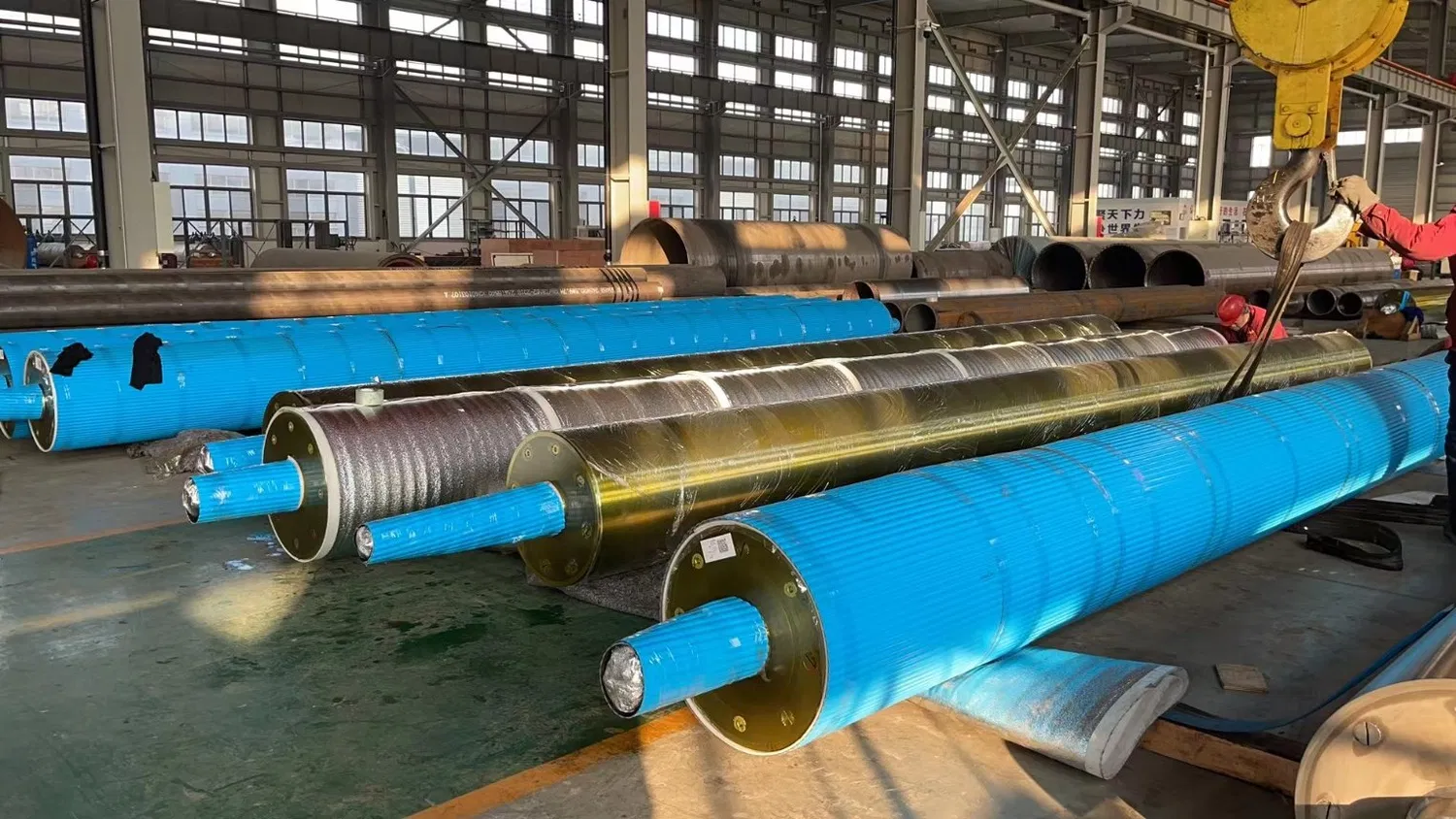
Future Trends: What’s Next for Roller Technology?
As the paper industry evolves toward more sustainable practices and thinner, stronger paper grades, the demands on rollers continue to escalate. We are seeing a shift toward new composite materials that offer the strength of steel with a fraction of the weight. This reduction in inertia allows for faster starts and stops and lower energy consumption. A forward-thinking paper machine roller manufacturer is already experimenting with these materials to give their clients a competitive edge.
Another exciting area is the development of specialized coatings that resist "sticking" and buildup. In recycled paper production, "stickies" (contaminants like adhesives and waxes) are a constant headache. New hydrophobic and oleophobic roller covers are being developed to keep the rollers clean for longer periods, reducing the need for chemical washes and manual scraping. This not only improves efficiency but also creates a safer working environment for the operators.
It's also worth noting the impact of 3D printing and additive manufacturing in the production of internal roll components. While we aren't 3D printing entire 10-ton rollers yet, the ability to create complex internal cooling or heating channels that were previously impossible to machine is changing how we manage roll temperature. This level of innovation is what separates a world-class paper machine roller manufacturer from a simple fabrication shop.
Conclusion: Investing in the Heart of Your Mill
To wrap things up, the rollers in your paper machine are far more than just rotating cylinders. They are precision instruments that define the quality of your product and the efficiency of your process. Choosing a paper machine roller manufacturer is a decision that requires a deep look at their engineering pedigree, their machining precision, and their long-term support capabilities. By focusing on high-precision industrial rollers and seeking out custom paper mill roller solutions, you ensure that your mill remains competitive in a challenging global market.
In my experience, the most successful partnerships are built on transparency and technical dialogue. Don't be afraid to ask the tough questions about alloy compositions, balancing tolerances, and cover bonding techniques. A manufacturer who is proud of their work will be more than happy to show you the data. At the end of the day, your goal is a smooth-running machine and a high-quality sheet of paper, and the right rollers are the only way to get there. To be honest, in this industry, you really do get what you pay for—so choose a partner who values precision as much as you do.
For more detailed information, please visit our official website:paper machine roller manufacturer
About the author: Arthur Penhaligon is a veteran mechanical engineer with over 25 years of experience in the pulp and paper industry. Having managed maintenance departments for some of the largest mills in North America, he specializes in rotating equipment and vibration analysis. Arthur now serves as a technical consultant, helping mills optimize their drying and pressing sections through advanced roller technology and precision engineering. When he’s not on a mill floor, he enjoys restoring vintage industrial machinery.