

The paper machine is a marvel of modern engineering, a complex symphony of rollers, belts, and drives working in unison to transform pulp into the paper we use every day. At the heart of this intricate machinery lie the bearings – unsung heroes that enable smooth, efficient rotation and support immense loads. Frankly speaking, without the right paper machine roll bearing types, production grinds to a halt, efficiency plummets, and costly downtime becomes a reality. In my experience, a thorough understanding of these critical components is not just beneficial; it's absolutely essential for anyone involved in paper mill operations, maintenance, or design.
Have you ever wondered what makes those massive rolls spin so effortlessly under tremendous pressure? It's the bearings, of course! But not all bearings are created equal. The demanding environment of a paper mill, characterized by high speeds, heavy loads, moisture, and chemical exposure, necessitates specialized bearing solutions. This article will delve deep into the various paper machine roll bearing types, their unique characteristics, and the factors that go into selecting the perfect fit for each application.
The Crucial Role of Bearings in Paper Machines
Before we explore the different types, let's solidify our understanding of why bearings are so vital in a paper machine. Their primary functions include:
- Supporting Loads: Paper machine rolls bear significant radial and axial loads. Bearings distribute these forces, preventing direct contact between rotating and stationary parts.
- Reducing Friction: By allowing smooth rotation, bearings minimize energy loss due to friction, leading to greater operational efficiency and reduced power consumption.
- Maintaining Alignment: Precise alignment of rolls is critical for consistent paper quality. Bearings ensure that rolls maintain their intended positions throughout operation.
- Accommodating Movement: Some bearings are designed to accommodate slight misalignments or thermal expansion, preventing undue stress on the machinery.
The paper-making process involves several distinct sections, each with its own set of challenges and requirements for bearings. From the wet end, where pulp is dewatered, to the press section, where water is squeezed out, and finally to the dryer section, where heat is applied, the operational conditions vary dramatically. This variability directly influences the choice of paper machine roll bearing types.
Common Paper Machine Roll Bearing Types and Their Applications
The sheer variety of paper machine rolls means a corresponding diversity in the bearing types employed. Let's break down some of the most prevalent categories.
Spherical Roller Bearings
These are perhaps the workhorses of the paper industry. Spherical roller bearings are renowned for their exceptional load-carrying capacity, both radial and axial. Their design features two rows of rollers with a common spherical outer raceway, allowing them to accommodate misalignment and shaft deflection without compromising performance.
Key Features and Benefits:
- High Load Capacity: Ideal for supporting the heavy loads found in press rolls, dryer rolls, and calender rolls.
- Misalignment Tolerance: The spherical outer ring allows for self-alignment, which is crucial given the potential for shaft bending and housing distortion in large machines.
- Robustness: They are built to withstand harsh operating conditions, including shock loads and vibrations.
- Durability: With proper lubrication and maintenance, spherical roller bearings offer a long service life.
Interestingly enough, spherical roller bearings are often the go-to choice for applications where precision and reliability are paramount. In the press section, for instance, where immense pressure is applied to remove water, these bearings ensure that the rolls maintain their position and rotate smoothly, contributing directly to the paper's final quality.
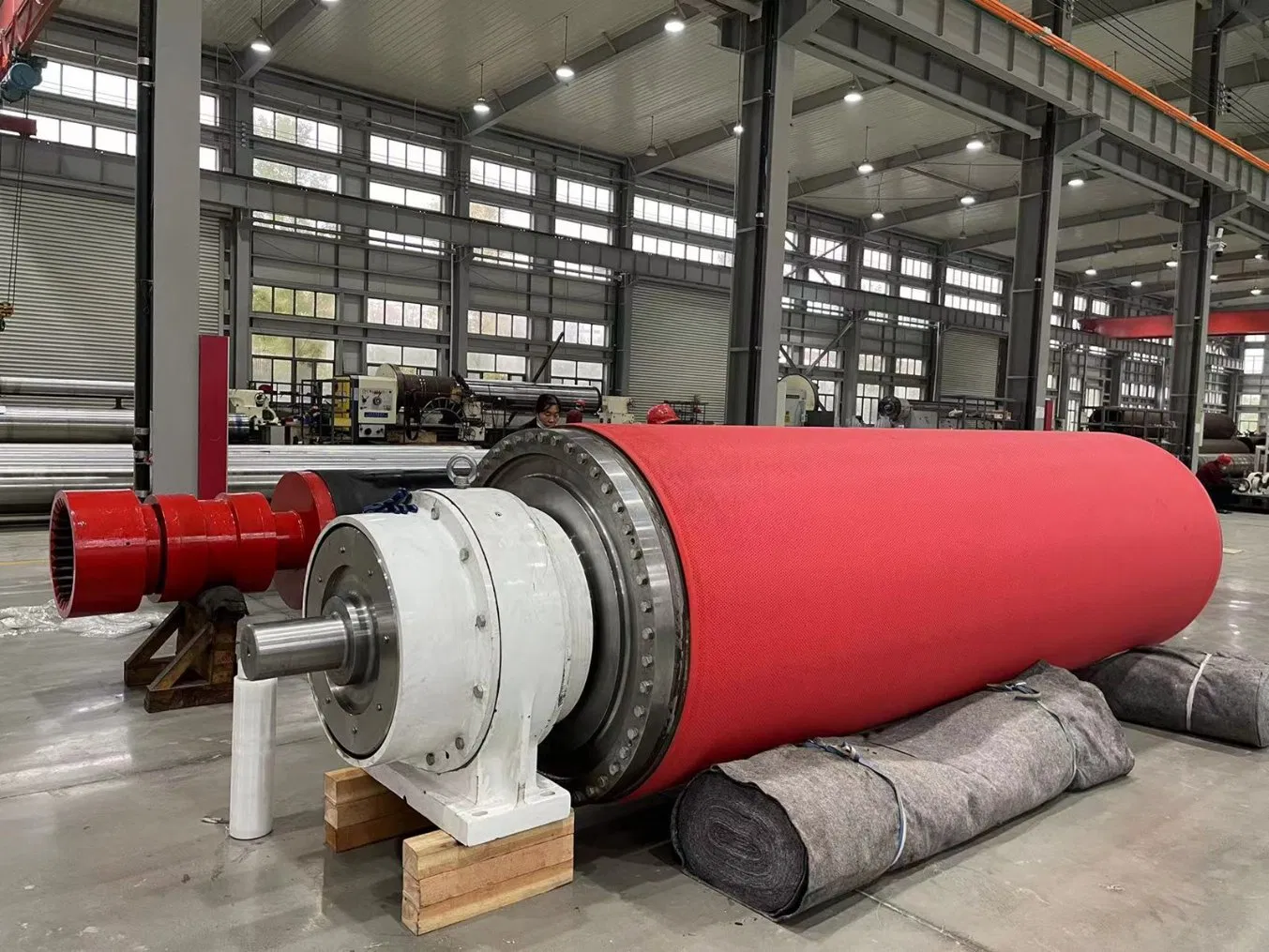
Cylindrical Roller Bearings
Cylindrical roller bearings are designed for very high radial loads. They feature rollers that are in direct contact with the raceways, providing a large contact area. This makes them exceptionally suited for applications requiring high stiffness and precision.
Key Features and Benefits:
- High Radial Load Capacity: Excellent for applications where the primary load is in the radial direction.
- High Stiffness: Their design provides excellent rigidity, which is important for maintaining precise roll gaps.
- Separable Design: Many cylindrical roller bearings are separable, meaning the inner and outer rings can be mounted independently, simplifying installation and maintenance.
- High Speed Capability: Certain designs can handle high rotational speeds.
In paper machines, cylindrical roller bearings are often found in applications like suction rolls and certain types of dryer rolls where high radial loads are present, and axial movement is minimal or controlled. Their ability to handle significant radial forces without deforming is critical for maintaining the integrity of the paper web.
Tapered Roller Bearings
Tapered roller bearings are designed to handle both radial and axial loads simultaneously. They feature tapered inner and outer raceways and tapered rollers. The angle of the taper determines the ratio of radial to axial load they can support.
Key Features and Benefits:
- Combined Load Capability: Can handle both radial and axial forces, making them versatile.
- Adjustable Clearance: The tapered design allows for adjustment of bearing clearance during installation, which is crucial for optimizing performance and lifespan.
- High Rigidity: Offer good rigidity under load.
While not as common as spherical or cylindrical roller bearings in some of the highest load applications, tapered roller bearings find their place in certain positions within the paper machine, particularly where a combination of loads is present and adjustability is beneficial. They are often used in support roles or in specific roll configurations where their load-handling capabilities are a good match.
Plummer Block Bearings (or Pillow Blocks)
Plummer block bearings are not a type of bearing element in themselves but rather a housing unit that holds a bearing. These units are typically used for simpler mounting applications where the shaft is supported by a bearing housed within a sturdy casing. They often contain spherical roller bearings or ball bearings.
Key Features and Benefits:
- Ease of Installation: Pre-assembled units simplify mounting to machine frames.
- Versatility: Available in various configurations to suit different mounting needs.
- Protection: The housing provides a degree of protection for the bearing against the environment.
In paper machines, you'll often find plummer block units supporting less critical rotating shafts, such as those in conveyor systems or auxiliary equipment. They offer a straightforward and cost-effective solution for many support bearing needs.
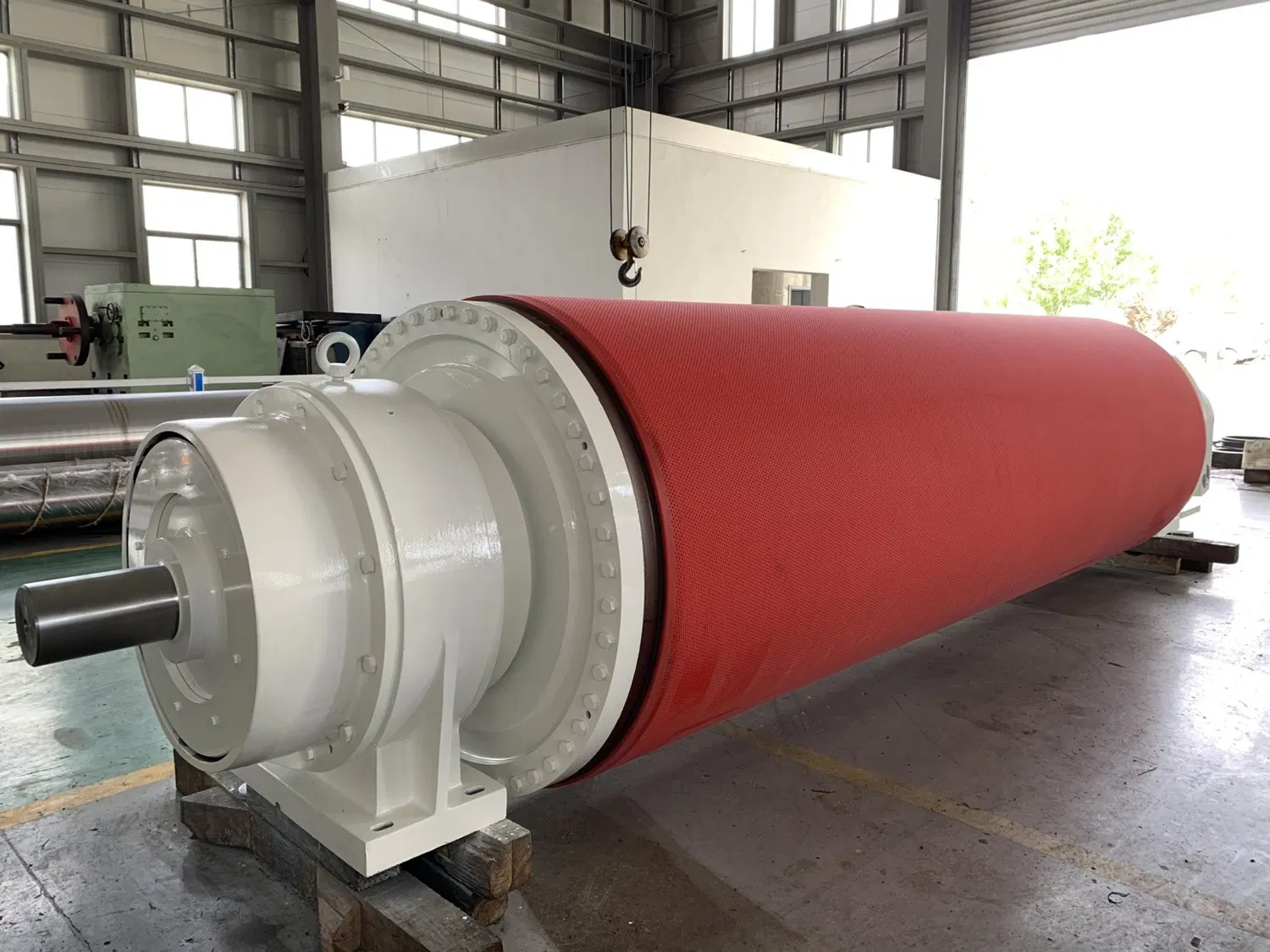
Specialty Bearings for Paper Machines
Beyond these common types, the paper industry also utilizes more specialized bearings designed for very specific functions or extreme conditions.
Spherical Plain Bearings (Rod Ends)
These bearings are designed for oscillating movements and can accommodate misalignment. They consist of an inner ring with a spherical surface that fits into an outer ring with a corresponding housing.
Applications: Often used in control linkages, actuators, and other areas requiring controlled, limited angular movement.
Thrust Bearings
While most paper machine rolls are primarily subjected to radial loads, some components might experience significant axial thrust. Thrust bearings are specifically designed to handle these axial forces.
Applications: Can be found in specific roll configurations or drive mechanisms where axial forces are a dominant factor.
Selecting the Right Paper Machine Roll Bearing Types
Choosing the correct paper machine roll bearing types is a critical decision that impacts performance, lifespan, and maintenance costs. It's not a one-size-fits-all scenario. Several factors must be carefully considered:
Load Conditions
This is arguably the most important factor. You need to accurately assess the magnitude, direction (radial, axial, or combined), and nature (steady, shock, vibrating) of the loads the bearing will experience.
Speed Requirements
The rotational speed of the roll dictates the bearing's ability to dissipate heat and maintain its structural integrity. High-speed applications may require specific bearing designs and lubrication systems.
Operating Environment
Paper mills are often wet, humid, and can be exposed to chemicals, dust, and high temperatures. The bearing material, sealing, and lubrication must be chosen to withstand these conditions. For example, corrosion-resistant materials might be necessary in certain sections.
Misalignment and Shaft Deflection
As mentioned earlier, large paper machines are prone to shaft deflection and housing distortion. Bearings with inherent self-aligning capabilities, like spherical roller bearings, are often preferred in these situations.
Maintenance and Lubrication
The ease of maintenance and the type of lubrication required (grease, oil bath, oil circulation) are crucial considerations. Some bearings are designed for minimal maintenance, while others require regular attention. The accessibility for lubrication and inspection also plays a role.
Cost and Lifespan
While initial cost is a factor, it's essential to consider the total cost of ownership, which includes maintenance, downtime, and expected lifespan. A more expensive bearing that lasts longer and requires less maintenance might be more economical in the long run.
It's worth noting that many paper mills work closely with bearing manufacturers or distributors to select the optimal bearing solutions for their specific machines and operating conditions. These experts can provide invaluable guidance based on years of experience with industrial bearing applications.
Maintenance and Troubleshooting for Paper Machine Bearings
Even the best paper machine roll bearing types will fail prematurely if not properly maintained. Regular inspection and proactive maintenance are key to ensuring longevity and preventing costly breakdowns.
Key Maintenance Practices:
- Lubrication: This is paramount. Ensure the correct type and amount of lubricant are used at the recommended intervals. Over-lubrication or under-lubrication can both be detrimental.
- Inspection: Regularly check for signs of wear, damage, overheating, or contamination. This can involve visual inspection, listening for unusual noises, and monitoring bearing temperatures.
- Cleaning: Keep the area around the bearings clean to prevent contaminants from entering the bearing housing.
- Alignment Checks: Periodically verify that shafts and housings are properly aligned.
Common Troubleshooting Issues:
- Overheating: Can be caused by excessive friction, insufficient lubrication, or improper load distribution.
- Noise and Vibration: Often indicates wear, damage, or improper installation.
- Premature Wear: Could be due to contamination, inadequate lubrication, or exceeding the bearing's load capacity.
- Seal Failure: Leads to lubricant leakage and contaminant ingress.
In conclusion, understanding the diverse range of paper machine roll bearing types is fundamental to maintaining efficient and reliable paper production. Each type – from the robust spherical roller bearings to the high-capacity cylindrical roller bearings – plays a specific role, and selecting the right one, coupled with diligent maintenance, is the key to unlocking optimal performance and minimizing downtime.
For more detailed information, please visit our official website:paper machine roll bearing types
About the author: Alex Thompson is a seasoned mechanical engineer with over 15 years of dedicated experience in the industrial machinery sector, specializing in rotating equipment and bearing technologies. His expertise spans various heavy industries, with a particular focus on the demanding environments of paper mills. Alex is passionate about sharing practical insights and best practices to enhance equipment reliability and operational efficiency.